
Custom Pipe Fittings
CNC Manufacturing
CNCPioneer is an IATF 16949 and AS9100D certified China custom pipe fittings CNC manufacturing factory delivering complete OEM and wholesale programs across the full material, thread standard, fitting type, sealing geometry, and application spectrum — C36000 brass, DZR CW602N, 316L stainless, 4140 alloy steel, 6061-T6 aluminium, TC4 titanium, PEEK, and PTFE custom fittings in NPT, BSP, DIN, JIC, ORFS, and metric thread standards at 100% hydrostatic pressure test per serial number, 100% thread gauge per fitting, DZR As XRF per lot, and PPAP Level 3 / AS9102 FAIR since 2011.

What Is Custom Pipe Fittings
CNC Manufacturing?
Custom pipe fittings CNC manufacturing is the precision computer-controlled turning, boring, threading, C-axis milling, and integrated surface treatment process — executed on 78+ Swiss CNC lathes with guide bushing for small-diameter precision fitting programs from Ø3mm through Ø32mm, 66+ MAZAK mill-turn centers with full C-axis and driven tooling for complex multi-port fitting body programs from Ø8mm through Ø150mm, and MAZAK VARIAXIS 5-axis simultaneous platforms for compound-geometry elbow, tee, and specialty fitting programs — that produces the complete family of internally and externally threaded metallic and engineering polymer connector elements that join, route, adapt, seal, distribute, and control fluid flow within piping systems across every industrial, automotive, aerospace, medical, and consumer product application.
The engineering precision of custom CNC pipe fittings is governed by two simultaneous requirements: the thread form accuracy (NPT L1 taper gauge compliance, BSP pitch diameter tolerance, JIC 37° flare seat angle) that determines whether the fitting seals at rated pressure; and the port geometry accuracy (port face flatness for O-ring seals, port perpendicularity for fitting alignment, port angular position for multi-port manifold bodies) that determines whether the fitting installs within the system's physical constraints. CNCPioneer's single-setup MAZAK mill-turn programs achieve both requirements simultaneously from one datum — producing inter-port angular position ±0.020°, thread form accuracy at 100% gauge per fitting, and port face perpendicularity 0.005mm/25mm.
-
100% pressure decay test per fitting serial number — non-negotiable quality standardA fitting that passes all dimensional inspections but has a micro-crack, insufficient thread engagement, or a local cone seat flatness defect will fail in service. CNCPioneer's 100% hydrostatic pressure test (1.5× rated pressure; 30-second hold; zero decay; records per fitting serial number) is a production standard — not a sample audit — applied to every sealed custom CNC pipe fitting body.
-
Single-setup MAZAK mill-turn — inter-port angular position ±0.020° for multi-port bodiesMulti-port fitting bodies require all ports at precisely specified angular positions. Single-setup MAZAK mill-turn C-axis produces inter-port angular positions at ±0.020° from C-axis absolute datum — versus ±0.050–0.200° from multi-machine sequential programs. For a 500mm tube connected at a port ±0.100° off position: ±0.87mm tube end displacement, potentially outside the installation envelope.
-
DZR As XRF per lot MANDATORY — WRAS potable water compliance foundationDZR CW602N brass requires SII XRF As 0.02–0.06% verification per incoming bar lot — the compliance gate preventing dezincification failure from non-verified Chinese DZR brass. For RoHS-compliant C26000 lead-free brass: SII XRF Pb ≤0.07% per lot. For 316L pharmaceutical fittings: SII XRF C ≤0.030% and Mo 2.0–3.0% per lot.
-
ODM custom fitting design + 40–60% China cost advantage at IATF/AS9100D qualityCNCPioneer's ODM fitting design service converts system requirement descriptions into production-ready 3D CAD with pressure-rated wall thickness calculation per ASME B31.3, thread engagement specification, and 48-hour DFM — enabling customers without dedicated fitting design engineering to source bespoke custom CNC pipe fittings. Cost advantage: 40–60% below equivalent European or North American programs.

Why CNCPioneer for Custom Pipe Fittings
CNC Manufacturing?
Among China custom pipe fittings CNC manufacturing factories globally, CNCPioneer's 100% hydrostatic pressure test standard, single-setup MAZAK mill-turn C-axis multi-port angular accuracy, complete thread standard coverage with 100% gauge per fitting, per-lot SII XRF material compliance across all materials, Swiss CNC guide bushing for small precision custom fittings, and ODM design service establish our factory as the preferred OEM, wholesale, and specialty custom pipe fitting manufacturing source across all industries and pressure-rated applications.
100% Hydrostatic Pressure Decay Test per Fitting Serial Number
The only definitive quality verification for a sealed custom CNC pipe fitting is hydrostatic pressure testing — a fitting that passes all dimensional inspections but has a micro-crack in the body wall, insufficient thread engagement, or a local cone seat flatness defect will fail in service at or below rated working pressure. CNCPioneer's 100% pressure decay test (1.5× rated pressure; 30-second hold; zero decay; records per fitting serial number) is a production standard — not a sample audit — applied to every sealed custom CNC pipe fitting body across all programs. At automated pressure test throughput of 45–90 seconds per fitting, the cost of 100% testing adds $0.03–0.15/fitting — negligible versus the $50–5,000+ cost of any downstream failure in pharmaceutical, hydraulic, or aerospace applications.
Single-Setup MAZAK Mill-Turn for Multi-Port Angular Accuracy ±0.020°
Custom CNC pipe fittings with multiple ports — T-bodies, manifold distribution fittings, cross-fittings, and multi-way block fittings — require all ports at precisely specified angular positions relative to the fitting body axis and to each other. Single-setup MAZAK mill-turn C-axis produces inter-port angular positions at ±0.020° from C-axis absolute datum — versus ±0.050–0.200° from multi-machine sequential turning-then-milling re-registration. For custom fitting programs where port angular position governs installation space compliance (a 500mm tube at a port 0.100° off position: ±0.87mm tube end displacement, potentially outside the installation envelope), this ±0.020° accuracy determines whether the custom fitting installs in the system without tube bending or misaligned connections.
Complete Thread Standard Coverage — NPT, BSP, DIN, JIC, ORFS, Metric
Custom CNC pipe fittings for global markets require thread standards spanning three incompatible thread families: the American NPT/NPS system (tapered threads per ASME B1.20.1); the British BSP system (55° Whitworth G-type per ISO 228 and tapered R-type per ISO 7-1); and ISO metric / DIN systems (DIN 2353; SAE JIC per SAE J514; ORFS per SAE J1453). CNCPioneer's thread gauge inventory covers all three families: NPT L1 taper ring gauges; BSP plug and ring gauges; DIN 2353 fitting gauges; JIC 37° flare seat gauges; ORFS groove depth and width gauges — all available for 100% per-fitting verification rather than sample-basis lot gauging on every custom pipe fitting program.
DZR, Lead-Free & Specialty Material Compliance from SII XRF per Lot
Custom CNC pipe fittings for potable water markets (UK WRAS, EU EN 12164) in DZR CW602N require SII XRF As 0.02–0.06% verification per incoming bar lot — the compliance gate preventing dezincification failure from non-verified Chinese DZR brass supply. For RoHS-compliant C26000 lead-free: SII XRF Pb ≤0.07% per lot. For pharmaceutical 316L: SII XRF C ≤0.030% and Mo 2.0–3.0% per lot. For TC4 titanium aerospace fittings: SII XRF Al 5.50–6.75%; V 3.50–4.50% per lot + AMS 4928 mill certificate per heat. This per-lot incoming material verification — covering every custom CNC fitting material from brass through stainless through titanium through PEEK — is the regulatory traceability foundation that pharmaceutical, potable water, and aerospace fitting programs mandate.
Swiss CNC Guide Bushing for Small Precision Custom Fittings (Ø3–32mm)
Small custom CNC pipe fittings — instrument tube fittings, miniature pneumatic fittings, precision compression fittings, and medical device fluid fittings in the Ø3–20mm size range — require Swiss CNC guide bushing support: turning a Ø6mm brass fitting body at L/D = 5:1 in a standard chuck lathe deflects 0.015–0.040mm at the threading zone from the insert's radial cutting force, producing thread form error and body OD taper accumulating into BSP or metric thread pitch diameter non-conformance. CNCPioneer's 78+ Swiss CNC lathes with guide bushing eliminate deflection by supporting the fitting body immediately adjacent to the cutting point throughout all turning, threading, and C-axis operations: body OD ±0.003mm; thread form at full insert angle definition; bore ±0.005mm — simultaneously, from one bar-feed program.
ODM Fitting Design from System Schematic + 40–60% China Cost Advantage
Custom pipe fittings frequently do not exist as customer drawings: the system designer knows what fluid path is needed (3/8" BSP port at 90° to a Ø10mm compression tube port, rated at 40 bar, in 316L stainless, space envelope 25mm × 40mm) but has not detailed the fitting body geometry, wall thickness, or port boss height. CNCPioneer's ODM fitting design service converts system requirement descriptions into production-ready 3D CAD with ASME B31.3 / PED 2014/68/EU pressure-rated wall thickness calculation, thread engagement depth specification, and 48-hour DFM. Cost advantage: European or North American equivalent programs cost 40–60% more per fitting — validated case study: $7.80 (CNCPioneer) versus $18.50 (US supplier) for 316L Ni-P semiconductor compression fittings — $642,000 annual saving at 60,000 fittings/year.
Custom Pipe Fittings CNC Manufacturing
Complete Product Portfolio
CNCPioneer's custom pipe fitting CNC manufacturing programs span the complete fitting type, thread standard, material, and sealing geometry portfolio — from simple brass hex nipples through precision DZR compression fittings, 316L stainless multi-port manifold bodies, VARIAXIS 5-axis compound elbow fittings, SAE JIC and ORFS high-pressure hydraulic fittings, ASME BPE Tri-Clamp pharmaceutical fittings, TC4 aerospace fluid system fittings, and PEEK chemical-resistant instrumentation fittings — all from one IATF 16949 and AS9100D certified source with 100% hydrostatic pressure test and 100% thread gauge per fitting.
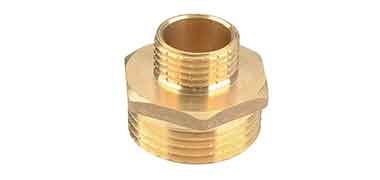
Threaded Pipe Fittings — Hex Nipples, Couplings & Adapters (NPT, BSP, Metric)
C36000 brass hex nipple, coupling, and reducing adapter fittings — and 316L stainless equivalents — in NPT (ASME B1.20.1, 60° flank, 1/16 in/in taper), BSP parallel G-type (ISO 228 Class A, 55° Whitworth), and BSP tapered R-type (ISO 7-1) thread standards from single-point CNC thread turning. 100% NPT L1 taper ring and plug gauge per fitting; 100% BSP pitch diameter ring and plug gauge per fitting; ±0.005mm pitch diameter; port face flatness 0.005mm/25mm for O-ring face seal programs. Thread-standard adapter fittings (BSP × NPT, metric × JIC, DIN × BSP) machined in single MAZAK mill-turn setup: thread axis coaxiality ±0.010mm; both threads from same spindle datum; 100% gauge both ends. Body wall per ASME B16.11 Class 2000/3000/6000 per customer specification. 100% hydrostatic pressure test; ASTM A967 passivation (316L) or bright nickel plate (brass).
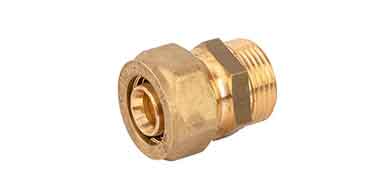
Compression Fittings — DZR Potable Water, 316L Instrumentation, DIN 2353 Hydraulic
Compression fittings — where a nut compresses a ferrule against a cone seat in the fitting body — for instrument, pneumatic, and process control fluid systems. DZR CW602N brass UK potable water compression fitting (Ø15mm × G3/4 BSP): DZR material SII XRF As 0.02–0.06% MANDATORY per lot; 45° cone seat Ra 0.4μm; cone angle ±0.25°; 100% BSP ring gauge per fitting; 100% pressure test at 30 bar; WRAS documentation per lot. Swagelok-compatible 316L stainless instrumentation fitting (Ø6mm, M10×1.0): 45° cone seat Ra 0.4μm ±0.25° from Swiss CNC; bore ±0.050mm; front and back ferrules from 316L bar; 100% pressure test at 345 bar; ASTM A967 passivation; ASME BPE electropolish option. DIN 2353 bite-type (24° half-angle, 48° included) for European hydraulic tube connections to 700 bar: metric thread ±0.005mm 100% gauge; captive ferrule pre-assembled; 100% pressure test.
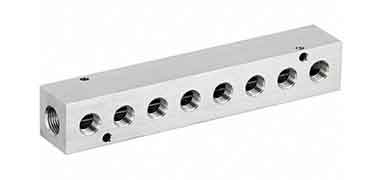
Multi-Port Manifold Fitting Bodies — 3 to 8 Ports, C-Axis Indexed ±0.020°
Multi-port manifold fitting bodies — single precision-machined bodies distributing one inlet to multiple outlets or collecting multiple streams to one outlet — from MAZAK mill-turn C-axis programs. 316L stainless 5-port distribution manifold (G1/4 BSP ports, PN16): central distribution bore Ø12mm ±0.010mm; five G1/4 BSP parallel ports at C-axis indexed angular positions ±0.020° from C-axis absolute datum; port face flatness 0.005mm/25mm for bonded seal programs; 100% plug gauge per port per body; 100% pressure test at 24 bar; ASTM A967 passivation or ASME BPE SF2 EP for pharmaceutical manifold programs. Aluminium 6061-T6 pneumatic distribution block (G1/4 BSP, 6-port, PN10): 6 ports C-axis indexed ±0.020°; Type II anodize with bore and thread masked; post-anodize 100% thread plug gauge; 100% pressure test at 15 bar. Stack manifold programs: end-of-run ports configured for cascade extension; cross-bolt hole C-axis drilled ±0.020mm position.
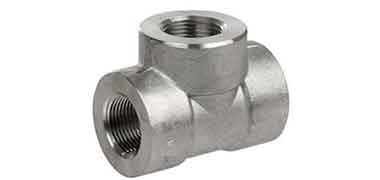
Elbow, T-Fitting & Compound-Geometry Fittings (90°, 45°, Custom Angles)
Custom elbow fitting bodies — where two ports are at non-inline angles — from MAZAK VARIAXIS 5-axis simultaneous programs for compound-angled port faces. 316L stainless 90° elbow (G1/2 BSP female × G1/2 BSP female): body machined from solid billet; Port 1 bored and threaded; Port 2 VARIAXIS 5-axis at 90° inter-port angle accuracy ±0.020° from B-axis; internal elbow bore with radius-transitioned passage for smooth flow (no turbulent sharp corner); port faces perpendicular to port axes 0.010mm; 100% plug gauge both threads; 100% pressure test; ASTM A967 passivation. Custom compound-angle fittings (any angle from ±0.5° VARIAXIS B-axis accuracy): any elbow angle from 15° to 175°; any combination of port thread standards (NPT on one port, BSP on other). T-fittings and cross-fittings: standard 90° tee from MAZAK C-axis; compound-angle tee from VARIAXIS; reducing tee with different thread sizes on each port arm; 100% gauge all threads; 100% pressure test.
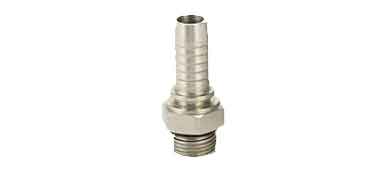
Hydraulic Fittings — SAE JIC 37°, ORFS SAE J1453, DIN 2353 to 700 Bar
Custom high-pressure hydraulic fittings for industrial machinery, mobile equipment, and aviation ground support hydraulic systems. Carbon steel 4140 QT SAE JIC 37° fittings (rated to 700 bar for tube sizes ½–1"): AISI 4140 quench-tempered UTS 1,000 MPa; JIC 37° flare seat ±0.5° Ra 0.4μm CMM first article; UNF thread per SAE J514 ±0.005mm 100% ring gauge; 100% pressure test 1.5× SAE rated pressure; zinc-nickel electroplate ASTM B841 (720h B117 salt spray) for mobile equipment corrosion protection. 316L stainless ORFS fittings per SAE J1453 (rated to 420 bar): O-ring groove depth ±0.008mm; width ±0.010mm from single-setup MAZAK mill-turn boring; face seal surface Ra 0.8μm; flatness 0.005mm/25mm; UNF nut thread ±0.005mm 100% ring gauge; EPDM O-ring pre-assembled food grade option; ASTM A967 passivation; ASME BPE EP option for pharmaceutical and food hydraulic programs. 100% pressure test all hydraulic fitting bodies per serial number standard.
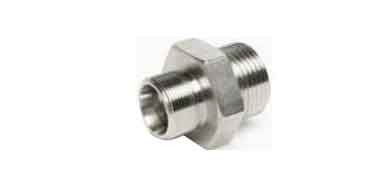
Hygienic, Aerospace & Specialty Custom Fittings
316L stainless ASME BPE Tri-Clamp inline fittings for pharmaceutical programs: ferrule OD ±0.100mm; product-contact bore Ra ≤0.8μm turned, electropolish to Ra ≤0.38μm (SF2) or Ra ≤0.25μm (SF3); 3-A crevice-free geometry from DFM (all bore intersections reviewed for crevice depth ≤0.5mm; radii ≥0.5mm at product-contact corners; drainage slope ≥3°); citric acid passivation; 100% pneumatic bubble-leak test. DIN 11851 and SMS 1145 dairy and food fittings: 316L; bore Ra ≤0.8μm; EHEDG crevice-free. TC4 AMS 4928 titanium aerospace fluid fittings: SII XRF Al 5.50–6.75%; V 3.50–4.50% per lot; AMS 4928 mill certificate per heat; AN/MS standard threads; single-point CNC threading (galling prevention); AMS 2700 passivation; AS9102 FAIR. PEEK and PTFE CNC custom fittings: FTIR identity per lot; ASTM E595 TML ≤0.030% for semiconductor; PCD turning mandatory for PEEK; 45° cone seat ±0.5°; 100% pressure test; chemical resistance matrix analysis per process fluid in 48-hour DFM.
Industries & Applications
CNCPioneer's custom pipe fittings CNC manufacturing programs serve every industry consuming precision custom CNC pipe fittings at IATF 16949 or AS9100D quality and 100% pressure test standard — from industrial plumbing and hydraulic OEMs through pharmaceutical, semiconductor, automotive, food processing, marine, aerospace, and precision instrumentation, at annual volumes from 1,000-piece bespoke programs through 10,000,000+ unit wholesale OEM supply.
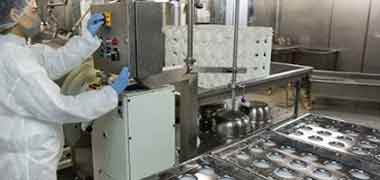
Food Processing
316L stainless and DZR brass custom CNC pipe fittings for food processing, dairy, beverage, brewing, and pharmaceutical bioprocessing equipment. Hygienic surface finish to EHEDG Ra ≤0.8 μm; electropolish Ra ≤0.4 μm; 3-A SSI-compliant Tri-Clamp (ISO 2852 / DIN 32676), DIN 11851 dairy couplings, and sanitary manifold fittings with citric acid passivation per ASTM A967. ASME BPE SF2/SF3 pharmaceutical-grade electropolish for bioprocessing and fermentation circuits; full ASME BPE documentation package supplied. Wholesale annual volumes from 10,000 to 10,000,000+ units; heat-number lot traceability; 100% pressure test per body.

Semiconductor
316L stainless Ni-P-coated (10–12% P, automated bath chemistry control verified per lot) and PEEK custom CNC fittings for semiconductor ultrapure DI/UPW distribution circuits, chemical delivery manifolds (HF, H₂SO₄, H₂O₂), and CMP slurry lines. ASTM E595 TML ≤0.010% outgassing compliance; VSM μ_r ≤1.005 non-magnetic certification; particle count and surface cleanliness to SEMI F57 / SEMI F20 on request. Validated cost saving: 316L Swagelok-compatible Ni-P semiconductor fitting at $7.80 (CNCPioneer) vs $18.50 (US OEM alternative) — $642,000 annual saving at 60,000 fittings/year with superior bath-controlled 10–12% Ni-P quality and AS9100D-equivalent material traceability.

Automotive
IATF 16949-certified custom CNC brass and 316L stainless fittings for automotive coolant manifolds, turbocharger oil feed and return fittings, fuel system adapters (GDI and port injection), brake hydraulic fittings, and EV battery thermal management circuits. PPAP Level 3 submission with dimensional report, material certification, and SPC Cpk ≥1.67 on thread pitch diameter and cone seat angle; PTFE pre-applied thread sealant option; zinc-nickel or nickel plating per OEM specification. Weekly kanban delivery to line-feed specification; 100% pressure test; bar-coded OEM-PN packaging; annual volumes from 50,000 to 5,000,000+.
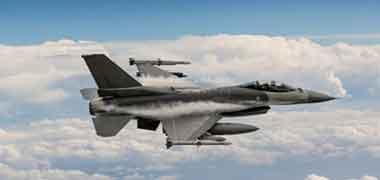
Aerospace
AS9100D Rev D-certified TC4 (AMS 4928) titanium, 17-4PH H900/H1025 stainless, and Inconel 625/718 custom CNC aerospace fluid system fittings for hydraulic, fuel, oil, and bleed-air circuits. Single-point CNC threading with dedicated tooling to prevent titanium galling; AMS 2700 passivation; FPI (fluorescent penetrant inspection) available on request. AS9102 First Article Inspection Report (FAIR) issued for every new part number; lot-level material traceability to AS9100D §8.5.2; 100% pressure test per serial number with co-located test records. Titanium fittings deliver up to 43% weight reduction vs 316L stainless equivalents; lead time from 6 weeks ARO.

Marine
2205 duplex stainless (PREN ≥35) and 316L custom CNC pipe fittings for seawater piping systems, offshore process equipment manifolds, ballast water treatment connections, and marine HVAC. ASTM A967 passivation; 100% hydrostatic pressure test to 1.5× rated working pressure; NACE MR0175 / ISO 15156 compliance documentation available on request for sour service and H₂S environments. Material MTRs to ASTM A276 / EN 10088-3; 2205 tensile and hardness certified per heat; DNV GL documentation support on request; optional Ni-PTFE or electroless nickel seawater-rated surface coating.

Medical Device
Custom miniature CNC fittings in 316L stainless, PEEK, PTFE, and PVDF for analytical instrument fluid circuits, GC and HPLC process connections, laboratory equipment, and precision flow control systems. Swiss CNC guide bushing turning to ±0.003 mm body OD and ±0.005 mm thread form; Swagelok-compatible compression geometry (1/16″ through 1″ tube OD) with verified leak-free sealing at 400 bar N₂; FTIR material verification certificate for all polymer fittings. 100% helium leak test to 1×10⁻⁹ mbar·L/s available on request; custom 2-axis 316L manifold blocks for OEM instrument builders; full RoHS / REACH compliance documentation and wetted material certifications supplied.
Custom Pipe Fittings CNC Manufacturing
Technical Capabilities
CNCPioneer's custom pipe fitting CNC manufacturing technical capability combines the three-platform machining architecture (Swiss CNC guide bushing + MAZAK mill-turn C-axis + VARIAXIS 5-axis), complete thread standard gauging infrastructure (NPT L1 taper through ORFS groove depth), 100% hydrostatic pressure test per serial number, per-lot SII XRF material compliance across all materials, and complete IATF 16949 PPAP Level 3 / AS9100D AS9102 FAIR documentation — delivering custom pipe fitting programs from 3-day prototype through 10,000,000+ annual unit OEM and wholesale production.
Swiss CNC + MAZAK Mill-Turn + VARIAXIS 5-Axis Architecture
78+ Swiss CNC lathes with guide bushing for small precision custom fitting programs Ø3–32mm at body OD ±0.003mm, bore ±0.005mm, thread ±0.005mm, cone seat Ra 0.4μm ±0.25° — all from one bar-feed program without re-chucking deflection. 66+ MAZAK mill-turn centers with full C-axis and live tooling for complex multi-port fitting body programs Ø8–150mm: C-axis inter-port angular position ±0.020°; port face flatness 0.005mm/25mm; 100% gauge all ports; single-setup from one spindle datum. MAZAK VARIAXIS 5-axis simultaneous platforms for compound-geometry elbow and tee fitting programs: elbow port angle ±0.020° from B-axis; any elbow angle from 15° to 175°; non-standard compound angles per customer system layout; 7–10 business day prototype from approved elbow specification.
SII XRF per Lot — All Materials, All Programs
SII XRF composition confirmation on every fitting material lot before machining: C36000 (Cu 60–63%; Pb 2.5–3.7%); DZR CW602N (As 0.02–0.06% MANDATORY — any lot below 0.02% As triggers lot rejection); C26000 lead-free (Pb ≤0.07%); 316L (C ≤0.030%; Mo 2.0–3.0%); 304 (Cr 18–20%); 4140 (Cr 0.80–1.10%; Mo 0.15–0.25%); 6061-T6 (Mg 0.80–1.20%; Si 0.40–0.80%); TC4 AMS 4928 (Al 5.50–6.75%; V 3.50–4.50%) + AMS 4928 mill certificate per heat; 2205 duplex (Cr 22–23%; N 0.14–0.20%) + tensile per heat; PEEK (FTIR identity per lot; moisture-controlled storage). EN 10204 3.1 or AMS mill certificate archived per lot; lot traceability from bar certificate to fitting production lot to delivery documentation and PPAP PSW.
100% Thread Gauge per Fitting — All Thread Standards
100% NPT L1 taper ring gauge (external male thread) and plug gauge (internal female thread) per ASME B1.20.1 per fitting — confirming the L1 hand-tight engagement turn count that determines whether the tapered thread seals at rated pressure without excessive installation torque. 100% BSP parallel G-type pitch diameter ring/plug gauge per ISO 228 Class A per fitting. 100% BSPT R-type L1 taper gauge per ISO 7-1. 100% metric pitch diameter gauge (DIN 2353; JIC UNF thread per SAE J514). ORFS O-ring groove CMM spot check every 10% of production; 100% first piece of each production session. JIC 37° flare seat angle CMM on first article and every 50-piece production batch. Post-plate 100% thread re-gauge after nickel plate on all brass fitting programs confirming plating growth within thread gauge tolerance.
100% Hydrostatic Pressure Decay Test — per Fitting Serial Number
Automated pressure test rigs cycling at 45–90 seconds per fitting for 30-second hold + pressurize + vent cycle. Test pressure: 1.5× rated working pressure per fitting program specification (15 bar for PN10 pneumatic; 24 bar for PN16; 40–60 bar for PN25/PN40 hydraulic; 525 bar for PN350 high-pressure hydraulic; 375 bar for instrumentation rated programs). Zero pressure decay tolerance — any decay over 30 seconds triggers automatic reject and serial number quarantine. Records per fitting serial number archived minimum 10 years in quality system. For Tri-Clamp and sanitary fitting programs: pneumatic bubble-leak test per ASME BPE test protocol at 3 bar. For semiconductor Ni-P fitting programs: dry nitrogen pressure test at rated pressure (no water contamination of DI water-service fittings). 100% test cost: $0.03–0.15/fitting — included as standard on all sealed fitting programs at no additional charge.
Integrated Surface Treatment — Seven Programs, Pearl River Delta 1–2 Day
ASTM A967 passivation (standard all austenitic stainless fittings; no charge); ASME BPE electropolish SF1–SF4 (Ra profilometry certificate per EP lot; citric acid preferred for pharmaceutical); bright nickel ASTM B689 (brass fittings; XRF ±1μm per lot; 100% post-plate thread gauge); zinc-nickel ASTM B841 (4140 hydraulic fittings; 8–15μm; 720h B117 salt spray); hot-dip galvanize ISO 1461 (45–85μm; large carbon steel fittings); Type II anodize MIL-A-8625 (6061-T6 manifold blocks; bore/thread masked; post-anodize 100% gauge); electroless Ni-P MIL-C-26074 (10–12% P; automated bath chemistry control pH ±0.05; Ni concentration ±0.5 g/L; bore and thread DFM compensation mandatory — thread masking or tolerance class adjustment, cone seat OD pre-compensation, bore ID pre-enlargement); AMS 2700 aerospace passivation; PTFE pre-applied thread sealant. All coordinated through IATF/ISO 9001-documented Pearl River Delta partners at 1–2 day transit.
PPAP Level 3 / AS9102 FAIR + ODM Design Service
PPAP Level 3 for IATF 16949 automotive fluid system fitting programs: 30-piece pilot; Cpk ≥1.33 acceptance (≥1.67 target) thread pitch diameter and cone seat angle; MSA Gage R&R ≤10% on production thread gauges; PFMEA (thread non-conformance, pressure test leak path, DZR As non-compliance, Ni-P thread closure, cone seat angle deviation); Control Plan; PSW. AS9102 FAIR for AS9100D aerospace fluid system fitting programs: 100% drawing dimensions on first-article hardware; AMS 4928 mill certificate; SII XRF data; AMS 2700 passivation certificate; 100% pressure test records; archived minimum 10 years. ODM fitting design service: system schematic → pressure-rated wall thickness calculation per ASME B31.3 / PED 2014/68/EU → 3D CAD STEP/IGES within 48–72 hours → 48-hour DFM → prototype 3–10 business days → exclusive manufacturing right per program contract; customer IP ownership; NDA protected. 99%+ first-article qualification rate from validated per-material parameter database.
Materials for Custom
CNC Pipe Fittings
Custom CNC pipe fitting material selection is governed by the service fluid (potable water, process chemical, pharmaceutical, hydraulic oil, fuel, compressed air), operating pressure, temperature, regulatory compliance requirements (WRAS, EC 1935/2004, ASME BPE, AS9100D), and machinability economics. C36000 brass dominates non-regulated programs; DZR CW602N governs potable water and WRAS-regulated programs; 316L stainless governs pharmaceutical, chemical, and marine programs; 4140 alloy steel governs high-pressure hydraulic programs; TC4 titanium governs aerospace minimum-mass fluid system programs; PEEK and PTFE govern aggressive chemical and semiconductor ultra-pure programs.
C36000 Free-Machining Brass (CW614N)
Cu 60–63%; Zn 35–37%; Pb 2.5–3.7% (SII XRF per lot) · 100% machinability reference standard · v_c = 400–600 m/min PCD turning · 5,000–20,000 small fittings/machine/hour Swiss CNC. The universal material for non-regulated industrial plumbing, pneumatic, and hydraulic (low-pressure) custom CNC pipe fittings. Natural corrosion resistance from cuprous oxide passive film for indoor industrial service. PN6–PN40 pressure rating depending on wall thickness and fitting geometry. Applications: industrial plumbing hex nipples, couplings, adapters; hydraulic low-pressure T-bodies; pneumatic manifold fittings; hardware and OEM plumbing fittings. Bright nickel plate or natural brass + PTFE pre-applied thread sealant. 100% pressure test standard; 100% thread gauge standard.
DZR CW602N Dezincification-Resistant Brass
Cu 62–65%; Pb 1.6–2.5%; As 0.02–0.06% dezincification inhibitor (SII XRF MANDATORY per incoming lot — any lot below 0.02% As triggers lot rejection; lot rejection policy enforced) · EN 12164 CW602N · WRAS material compliance for UK and EU potable water plumbing fitting programs. The dezincification inhibitor As prevents the zinc leaching from the alloy matrix that causes standard brass to become porous and structurally weakened in contact with potable water containing chlorine disinfectant — the failure mode that WRAS mandates be prevented by DZR material compliance. EC 1935/2004 food contact material compliance for potable water incidental contact. WRAS fitting approval documentation: As XRF certificate + dimensional data + pressure test records per production lot. Applications: UK/EU potable water compression fittings; WRAS-compliant hot/cold water plumbing manifolds; water treatment equipment fittings; coastal and marine fresh water supply fittings.
316L Stainless Steel (UNS S31603)
C ≤0.030%; Cr 16–18%; Mo 2.0–3.0% (SII XRF per lot) · 485–690 MPa UTS · 35–45% machinability; v_c = 80–130 m/min; chip load ≥0.10 mm/rev enforced; 70 bar through-spindle coolant; work-hardening prevention discipline identical to stainless shaft programs · PN6–PN250 depending on wall thickness. The standard stainless steel grade for pharmaceutical, chemical, marine, semiconductor, and food fluid system custom CNC pipe fittings — Mo content provides superior chloride pitting resistance versus 304 (PREN 24 vs. 19). ASTM A967 passivation standard on all 316L fitting deliveries at no charge. ASME BPE SF2/SF3 electropolish option for pharmaceutical programs. VSM μ_r ≤1.005 per lot for non-magnetic semiconductor and medical programs. Citric acid passivation method for pharmaceutical and food service programs.
4140 Alloy Steel (AISI 4140 QT)
Cr 0.80–1.10%; Mo 0.15–0.25% (SII XRF per lot) · Quench-tempered UTS 1,000 MPa · Machinability 55–65% in QT condition · PN250–PN700 depending on fitting geometry. Provides the wall section strength for high-pressure hydraulic custom fitting at minimum OD versus 316L stainless (which would require thicker walls from lower yield strength). The standard material for industrial machinery hydraulic fittings, mobile equipment hydraulic fittings (tractors, excavators, cranes), and aviation ground support hydraulic system fittings at pressures to 700 bar. QT coordination through qualified heat treatment partner; Rockwell HRC per QT lot; SII XRF Cr/Mo per incoming lot. Zinc-nickel electroplate ASTM B841 standard for mobile equipment outdoor service corrosion protection (720h B117 salt spray). 100% JIC L1 gauge or ORFS groove CMM per fitting; 100% pressure test per serial number.
TC4 Titanium — AMS 4928 Aerospace Fluid Fittings
Al 5.50–6.75%; V 3.50–4.50% (SII XRF per lot); AMS 4928 mill certificate per heat · 896–930 MPa UTS · 4.43 g/cm³ (2.2× lighter than 316L at 7.96 g/cm³ per fitting for equivalent wall thickness and pressure rating). For aerospace aircraft fluid system programs (hydraulic actuation, fuel system, bleed air) where titanium's density advantage justifies higher material and machining cost versus stainless for minimum aircraft operating mass. Single-point CNC threading MANDATORY for all titanium fitting threads (galling prevention — same mechanism as titanium nuts page); no die tapping or thread milling without spring-back compensation. AMS 2700 passivation post-machining. AS9102 FAIR on all new AS9100D aerospace fitting part numbers. 100% pressure test per serial number. Applications: aircraft hydraulic distribution fittings; fuel system manifold fittings; bleed air system fittings; satellite and spacecraft fluid system fittings. TC4 AMS 4928 bar 6-week safety stock from Baoji Titanium / VSMPO with SII XRF pre-verified.
PEEK & PTFE Engineering Polymer Fittings
PEEK (Victrex 450G): FTIR identity per lot; ASTM E595 TML ≤0.030% for enclosed semiconductor equipment; PCD turning MANDATORY (carbide produces built-up edge on PEEK from polymer matrix rheology); 45° cone seat ±0.5°; M10×1.0 thread ±0.010mm pitch diameter (PEEK CTE 47 ppm/°C — slightly relaxed from metal thread tolerance); pressure rating 40 bar at 80°C service temperature. Chemical resistance: HF (dilute), H₂SO₄, H₃PO₄, NaOH, solvents. PTFE (virgin PTFE): broader chemical inertness; −260°C to +260°C service temperature; lower pressure rating (PN6–PN10) and lower structural strength than PEEK. Applications: semiconductor chemical delivery fittings; analytical instrument fluid circuits; medical device fluid systems where metallic fittings corrode. 100% pressure test at rated pressure. Moisture-controlled storage pre-machining; FTIR lot certificate included in delivery documentation. PEEK versus PTFE selection DFM provided: pressure rating and dimensional stability → PEEK; broadest chemical compatibility → PTFE.
6061-T6 Aluminium + 2205 Duplex Stainless
6061-T6 aluminium (AMS 2770 T6 thermal treatment; SII XRF Mg 0.80–1.20%; Si 0.40–0.80% per lot): standard for pneumatic manifold blocks, instrument air distribution blocks, and lightweight fluid distribution fitting bodies where aluminium reduces manifold mass versus brass or stainless at equivalent pressure rating (PN6–PN25). Type II anodize 5–10μm clear or colour (bore and thread masked pre-anodize; post-anodize 100% plug gauge per port). Applications: 6-port pneumatic distribution blocks; automated machine tool air circuit manifolds; lightweight instrument air fittings. 2205 duplex stainless (Cr 22–23%; Mo 3–3.5%; N 0.14–0.20% XRF + tensile per heat; PREN 35): for offshore, seawater, and desalination plant piping programs where 316L's PREN 24 is insufficient for continuous seawater chloride service; yield 450–550 MPa enables reduced wall thickness at equal structural rating versus 316L. ASTM A967 citric passivation; NACE MR0175 documentation on request; tensile certificate per heat included.
ASTM A967 Passivation + ASME BPE Electropolish SF1–SF4
ASTM A967 passivation: standard on all austenitic stainless (303/304/316L) custom CNC fitting deliveries at no additional charge — free-iron removal and passive Cr₂O₃ oxide restoration. Copper sulfate spot test per monthly lot; certificate per lot. Citric acid method preferred for pharmaceutical and food fitting programs (no nitric acid residue in CIP circuit post-passivation). AMS 2700 aerospace passivation for TC4 titanium and stainless aerospace fittings — cleaning and degreasing per aerospace cleanliness specification; water-break-free test; packaging per AS9100D. ASME BPE electropolish SF1–SF4 (Ra ≤0.51/0.38/0.25/0.13μm per SF grade): simultaneous Cr enrichment of passive oxide (superior CIP/SIP compatibility versus mechanical passivation) and Ra reduction 40–60% from machined Ra 0.8μm base; Ra profilometry certificate at 3 positions per fitting per EP lot; EP material removal 10–20μm per side pre-compensated in machined target dimensions.
Zinc-Nickel ASTM B841 + Electroless Ni-P MIL-C-26074
Zinc-nickel electroplate ASTM B841 (8–15μm; 12–15% Ni alloy; 720h ASTM B117 salt spray — 7.5× better than standard zinc): for 4140 alloy steel hydraulic fitting bodies in mobile equipment, outdoor machinery, and marine deck service; trivalent chromate topcoat RoHS-compliant; 100% post-plate thread re-gauge confirming zinc-nickel growth within thread tolerance; XRF thickness ±2μm per plating lot. Electroless Ni-P MIL-C-26074 (10–12% P; non-magnetic μ_r ≤1.002; 5–8μm per side; automated bath chemistry control pH ±0.05; Ni concentration ±0.5 g/L): for 316L stainless fitting bores in DI water semiconductor circuits, EV battery thermal management coolant fittings, and chemical process equipment fittings where Ni-P's chemical resistance complements 316L's passive corrosion resistance. CRITICAL DFM requirement: three mandatory pre-Ni-P compensation calculations (thread pitch diameter closure; cone seat OD growth; bore ID reduction) documented in 48-hour DFM for every Ni-P fitting program — thread masking or class adjustment, cone seat OD pre-compensation, bore ID pre-enlargement — confirmed with post-Ni-P 100% thread gauge, CMM bore ID, and profilometry cone seat Ra before production release.
Surface Treatments for Custom
CNC Pipe Fittings
Custom CNC pipe fitting surface treatment selection addresses passive corrosion protection (ASTM A967 passivation — standard on all stainless deliveries), hygienic surface quality for pharmaceutical and food contact programs (ASME BPE electropolish SF1–SF4), decorative and enhanced corrosion protection for brass fittings (bright nickel ASTM B689), high-pressure hydraulic fitting outdoor corrosion protection (zinc-nickel ASTM B841), and semiconductor / chemical bore compatibility (electroless Ni-P 10–12% P). All treatments coordinated through IATF/ISO 9001-documented Pearl River Delta partners at 1–2 day transit with process certificates per lot.
ASTM A967 Passivation + ASME BPE Electropolish SF1–SF4
ASTM A967 passivation: free-iron removal and passive Cr₂O₃ oxide restoration on all 303, 304, and 316L custom CNC fitting deliveries — standard at no additional charge. Copper sulfate spot test per monthly lot; certificate per lot. Citric acid method preferred for pharmaceutical and food fitting programs (no nitric acid residue concern in CIP circuit post-passivation). AMS 2700 aerospace passivation for TC4 titanium and stainless aerospace custom fittings — cleaning per aerospace cleanliness specification; water-break-free passive oxide test; packaging in sealed poly bags per AS9100D preservation standard.
ASME BPE Electropolish SF1–SF4: electropolish per ASME BPE for 316L pharmaceutical, bioprocessing, and food custom fitting programs requiring Ra ≤0.51μm (SF1), Ra ≤0.38μm (SF2), Ra ≤0.25μm (SF3), or Ra ≤0.13μm (SF4) on product-contact bore and port face surfaces. Simultaneous Cr enrichment of passive oxide (superior passive oxide from EP versus mechanical passivation — Cr-enriched EP surface resists chloride attack better in CIP/SIP cycles) combined with Ra reduction 40–60% from machined Ra 0.8μm base. EP Ra profilometry certificate at 3 positions per fitting per EP lot. Material removal 10–20μm per side pre-compensated in machined target dimensions (thread pitch diameter, cone seat OD, bore ID) for all fitting programs specifying EP.
Bright Nickel ASTM B689 (Brass) + Zinc-Nickel ASTM B841 (Carbon Steel Hydraulic)
Bright Nickel ASTM B689 (brass custom pipe fittings; 5–20μm): for DZR brass potable water fittings and C36000 industrial plumbing fittings requiring decorative finish and enhanced corrosion protection. XRF thickness ±1μm per plating lot; ASTM B571 adhesion per lot; ASTM B117 96h salt spray. 100% post-plate thread gauge re-verification mandatory (confirming plating growth within NPT L1 taper gauge tolerance or BSP pitch diameter gauge) — the quality gate that distinguishes CNCPioneer from facilities that plate without post-plate thread verification. 100% pressure test post-plate (not pre-plate) — detecting any hydrogen embrittlement cracking from nickel plating bath on high-strength brass fitting bodies.
Zinc-Nickel ASTM B841 (4140 carbon steel hydraulic custom fittings; 8–15μm; 12–15% Ni alloy): 720+ hours ASTM B117 salt spray resistance — 7.5× better than standard zinc plate — from zinc-nickel's sacrificial electrochemical protection mechanism. For JIC and ORFS hydraulic fittings in mobile equipment, agricultural machinery, outdoor hydraulic systems, and marine deck hydraulic manifolds where standard zinc plate fails within months in outdoor service. Trivalent chromate topcoat RoHS-compliant standard. XRF zinc-nickel thickness ±2μm per plating lot; 100% post-plate thread gauge; 100% pressure test.
Electroless Ni-P MIL-C-26074 + Type II Anodize + PTFE Pre-Applied Thread Sealant
Electroless Ni-P MIL-C-26074 (10–12% P; non-magnetic μ_r ≤1.002; 5–8μm per side): automated bath chemistry control (pH ±0.05; Ni concentration ±0.5 g/L) for consistent deposit on 316L stainless fitting bores in semiconductor DI water circuits, EV battery thermal management coolant fittings, and chemical process equipment fittings. Mandatory DFM compensation before Ni-P: (1) Thread pitch diameter closure — thread masking with PTFE plug or tolerance class opening (5H instead of 6H); (2) Cone seat OD pre-compensation — machine 0.012–0.016mm undersize pre-Ni-P to arrive at drawing nominal post-coat; (3) Bore ID pre-enlargement — calculate post-Ni-P minimum clearance and enlarge bore if clearance falls below 0.050mm. Post-Ni-P: 100% ring gauge; CMM bore ID; profilometry cone seat Ra. Case study validated: $7.80 (CNCPioneer) versus $18.50 (US OEM) at 60,000/year — $642,000 annual saving.
Type II anodize MIL-A-8625 (6061-T6 aluminium manifold blocks; 5–10μm): bore and thread masked pre-anodize; post-anodize 100% plug gauge per port. PTFE pre-applied thread sealant: NPT/BSPT fittings with PTFE film pre-applied after final gauging — eliminating installer PTFE tape at automated OEM assembly line; standard for automotive coolant fitting IATF 16949 programs.
Surface finish selection by program: all stainless custom fittings → ASTM A967 passivation standard (no charge); pharmaceutical/food hygienic → ASME BPE electropolish SF2/SF3 (+$1.50–6.00/fitting; citric acid method for CIP compatibility); brass fittings decorative/food → bright nickel ASTM B689 (+$0.08–0.25/fitting; 100% post-plate thread gauge included); 4140 hydraulic mobile/outdoor → zinc-nickel ASTM B841 (+$0.15–0.50/fitting; 720h B117); semiconductor DI water 316L bores → electroless Ni-P 10–12% P (+$1.20–4.00/fitting; automated bath control; mandatory DFM compensation); 6061-T6 manifold blocks → Type II anodize (+$0.04–0.15/fitting; bore/thread masked); automated assembly NPT/BSPT → PTFE pre-applied thread sealant (+$0.03–0.08/fitting). All surface treatment programs include 100% pressure test and 100% thread re-gauge post-treatment as standard.
Quality Assurance for Custom
Pipe Fittings CNC Manufacturing
Custom pipe fitting CNC manufacturing quality assurance is built around four non-negotiable controls: SII XRF per incoming lot for all materials (including DZR As 0.02–0.06% MANDATORY per lot — any lot below minimum triggers rejection); 100% thread gauge per fitting for all thread standards; 100% hydrostatic pressure decay test per fitting serial number for all sealed fitting bodies; and post-surface-treatment dimensional re-verification (100% thread gauge post-plate; Ni-P DFM compensation verification; anodize post-plate gauge). All four standard — not sampled — on all CNCPioneer custom CNC pipe fitting programs.
Engineering DFM — 24-Hour Quote, 48-Hour DFM
Material selection from regulatory environment, service fluid, pressure rating, and temperature (C36000 vs DZR vs 316L vs 4140 vs PEEK with per-fitting cost impact) · thread standard identification and gauge specification (NPT L1 taper vs BSP pitch diameter vs DIN vs JIC vs ORFS from system connection standard) · pressure rating calculation from wall thickness and material yield per ASME B31.3 or PED 2014/68/EU · sealing mechanism review (tapered thread metal seal vs O-ring face seal vs compression cone vs ORFS) · Ni-P or anodize DFM compensation calculation for thread pitch diameter closure, bore clearance, and cone seat OD effects · DZR As XRF scope and WRAS documentation support · ASME BPE/3-A/EHEDG hygienic geometry DFM for pharmaceutical and food fitting programs · ODM fitting design from system schematic to production-ready 3D CAD within 48–72 hours.
Material Verification — SII XRF per Lot, All Materials
SII XRF on every fitting material lot before machining: C36000 (Cu 60–63%; Pb 2.5–3.7%); DZR CW602N (As 0.02–0.06% MANDATORY — below 0.02% = lot rejection, no exceptions); C26000 (Pb ≤0.07% confirmed lead-free); 316L (C ≤0.030%; Mo 2.0–3.0%); 304 (Cr 18–20%); 4140 QT (Cr 0.80–1.10%; Mo 0.15–0.25%); 6061-T6 (Mg 0.80–1.20%; Si 0.40–0.80%); TC4 AMS 4928 (Al 5.50–6.75%; V 3.50–4.50%) + AMS 4928 mill certificate per heat; 2205 duplex + tensile per heat; PEEK (FTIR identity per lot). EN 10204 3.1 or AMS mill certificate archived per lot; full lot traceability from bar certificate to fitting production lot to delivery documentation. DZR As XRF certificate included in delivery documentation per lot for potable water programs as standard.
In-Process Thread, Cone Seat & Angular Position Controls
Thread: 100% ring/plug gauge per fitting — all thread standards, all materials; NPT L1 taper gauge 100%; BSP pitch diameter gauge 100%; JIC UNF thread gauge 100%; ORFS groove CMM spot check per 10% and 100% first piece per session. Cone seat angle: CMM on first article and per 50-piece production batch; angle deviation alarm triggers C-axis insert CMM verification before resuming production (validated in semiconductor fitting case study where insert angle verification eliminated Cpk 1.44 → 2.04 improvement on 45° cone seat). C-axis angular position: reference verification before each multi-port body production session; C-axis re-zero against reference target before production release. Post-plate: 100% thread re-gauge after nickel plate or zinc-nickel plate; Ni-P thread ring gauge 100% post-coat per PTFE thread mask removal; anodize post-anodize plug gauge 100% per port.
100% Hydrostatic Pressure Decay Test per Fitting Serial Number
Automated pressure test rigs; 1.5× rated working pressure per program specification; 30-second pressurize/hold/vent; zero pressure decay tolerance; records per fitting serial number in quality system. Applied post-surface-treatment on all treated fitting programs (post-nickel, post-Ni-P, post-anodize) — detecting surface treatment-induced defects (hydrogen embrittlement cracking from nickel plating bath; anodize chemical attack on thin wall sections) that pre-treatment pressure testing cannot catch. For pharmaceutical and sanitary fitting programs: pneumatic bubble-leak test per ASME BPE test protocol (no water contamination of product-contact surfaces). For semiconductor Ni-P fitting programs: dry nitrogen pressure test. Pressure test records per serial number archived minimum 10 years for IATF 16949 and AS9100D programs.
Final Inspection & Surface Treatment Verification
CMM: body OD; bore diameter; port face flatness (O-ring face seal programs); port perpendicularity and angular position (multi-port bodies); body length; cone seat angle (first article + sampling); ORFS groove depth ±0.008mm and width ±0.010mm; elbow port angle (VARIAXIS programs); ferrule OD (Tri-Clamp programs). Surface treatment certificates: ASTM A967 passivation copper sulfate per lot; ASME BPE EP Ra profilometry 3 positions per fitting per EP lot; bright nickel XRF ±1μm + ASTM B571 adhesion per lot; zinc-nickel XRF ±2μm per lot; DZR As XRF certificate per lot included delivery documentation; Ni-P thickness CMM per lot and post-Ni-P thread gauge 100%; anodize XRF or eddy current per lot. 100% pressure test records per serial number. PPAP Level 3 documentation or AS9102 FAIR per program type.
PPAP Level 3 / AS9102 FAIR — 10-Year Archival, SPC Monitoring
PPAP Level 3 for IATF 16949 automotive fluid system fitting programs: 30-piece pilot per fitting type; initial Cpk ≥1.33 thread pitch diameter and cone seat angle (PPAP acceptance; target ≥1.67 in production); MSA Gage R&R ≤10% on production thread gauges; PFMEA (thread non-conformance, pressure test leak path, DZR As non-compliance from mill substitution, Ni-P thread closure, cone seat angle insert wear, C-axis zero drift producing angular position error); Control Plan; PSW. AS9102 FAIR for AS9100D aerospace fitting programs: 100% drawing dimensions on first-article hardware; AMS 4928 mill certificate; SII XRF data; AMS 2700 passivation certificate; 100% pressure test per serial number records; AS9102 bubble sheets per first article — archived minimum 10 years. Cpk ≥1.67 monitoring SPC real-time on all critical fitting dimensions for volume programs. 99%+ first-article qualification rate from validated per-material thread and sealing parameter database.
SII XRF per Lot — DZR As MANDATORY, All Materials
Every fitting material lot verified by SII XRF before machining. DZR CW602N As 0.02–0.06% — any lot below 0.02% As triggers lot rejection before machining begins. 316L C ≤0.030%; Mo 2.0–3.0% confirmed. TC4 AMS 4928 mill certificate + SII XRF per lot. PEEK FTIR identity per lot.
- DZR As 0.02–0.06% XRF MANDATORY — lot rejection policy enforced
- 316L C ≤0.030%; Mo 2.0–3.0% per lot — pharmaceutical compliance
- TC4 AMS 4928 mill cert per heat + SII XRF Al/V per lot
100% Thread Gauge per Fitting — All Thread Standards
100% NPT L1 taper ring/plug gauge per fitting; 100% BSP pitch diameter ring/plug gauge per fitting; 100% JIC UNF ring gauge per fitting; ORFS groove CMM spot check 10% + 100% first piece. Post-plate 100% thread re-gauge after nickel plate, zinc-nickel, or Ni-P treatment.
- 100% gauge per fitting — NPT L1 taper, BSP pitch diameter, JIC, ORFS
- Post-plate 100% thread re-gauge after all plating programs
- Gauge calibration traceable to NIST/NPL standards per ISO 10012
100% Hydrostatic Pressure Decay Test per Serial Number
100% per sealed fitting body per serial number: 1.5× rated pressure / 30-second / zero decay. Applied post-surface-treatment. Records per serial number archived 10 years minimum. Standard on all sealed custom CNC pipe fitting programs — no additional charge. 99%+ first-article pass rate.
- 100% per fitting serial number — not lot sampled
- Applied post-plate/post-Ni-P/post-anodize (not pre-treatment)
- Records archived 10 years IATF 16949 / AS9100D programs
PPAP Level 3 / AS9102 FAIR + ODM Design IP Protection
PPAP Level 3: Cpk ≥1.33 acceptance (≥1.67 target); MSA R&R ≤10%; PFMEA; Control Plan; PSW. AS9102 FAIR: 100% dimensions on first-article hardware; all certificates. 99%+ first-article qualification rate. ODM service: customer IP ownership; NDA-protected design; exclusive manufacturing right per program contract.
- PPAP Level 3: Cpk ≥1.33 acceptance; ≥1.67 production target
- AS9102 FAIR: 100% dimensions on all new AS9100D P/Ns
- ODM: customer IP ownership; NDA; exclusive manufacturing right
Custom Pipe Fittings CNC Manufacturing FAQ
Common questions from industrial plumbing and HVAC system OEMs, hydraulic and pneumatic system component manufacturers, pharmaceutical and bioprocessing equipment fitting OEMs, automotive fluid system Tier 1 suppliers, semiconductor and ultra-pure process fluid equipment builders, food and beverage processing equipment fitting manufacturers, marine and offshore equipment OEMs, and aerospace fluid system component suppliers about CNCPioneer's custom pipe fitting manufacturing capability, thread standards, pressure testing, surface treatment DFM, and OEM program economics.
NPT and BSP threads are the two dominant pipe thread systems globally — NPT (National Pipe Thread per ASME B1.20.1) in North American markets; BSP (British Standard Pipe per ISO 228/ISO 7-1) in European, Asian, and Commonwealth markets — and they are fundamentally incompatible at every nominal size despite appearing superficially similar in thread pitch and diameter. The differences that make NPT and BSP non-interchangeable operate at three simultaneous levels: thread flank angle, taper ratio, and thread pitch. NPT uses a 60° included thread flank angle (30° each side from the thread axis); BSP uses a 55° included Whitworth thread form (27.5° each side). These 5° flank angle differences mean an NPT male thread engaging a BSP female thread (or vice versa) contacts at incorrect flank geometry — the threads can cross-thread to a surprising depth before the angular mismatch produces noticeable resistance, but they seat incorrectly, contact on the crests rather than flanks, and cannot produce a pressure-tight joint regardless of sealant. The taper ratio is identical (1:16 per inch for both tapered variants), but the different thread pitch (NPT at 18 TPI for ½"; BSP at 14 TPI for G½") means the threads have different helix angles that compound the angular incompatibility. The practical consequence: an NPT male thread forced into a BSP female port typically advances 2–4 turns before jamming at the crest-to-root mismatch, appearing "installed" but providing zero sealing capability and potentially damaging both threads. The sealing mechanisms are also different: NPT and BSPT (tapered BSP per ISO 7-1) seal by metal-to-metal tapered thread interlock plus PTFE tape filling the helical interface; BSP parallel G-type (ISO 228) is NOT self-sealing — it requires a bonded Dowty seal or O-ring at the port face. CNCPioneer's DFM for every custom fitting inquiry explicitly identifies the required thread standard from the customer's system (NPT for North American-standard equipment; BSP for European; metric for hydraulic and instrumentation) — specifying the correct gauge and confirming that the fitting's application specifies both the thread form and the sealing mechanism. For systems connecting NPT-standard equipment to BSP-standard equipment, CNCPioneer produces custom adapter fittings with NPT external thread on one end and BSP parallel or tapered thread on the other — the single-body fitting that transitions between the incompatible systems in one precision-machined piece without the risk of cross-threading.
The case for 100% individual hydrostatic pressure testing rests on the statistical reality that the failure modes causing pipe fitting leakage and burst in service are not randomly distributed across the lot but are concentrated in specific fittings that have specific defects: a fitting with a micro-crack from the bar stock's seam inclusion; a fitting whose thread engagement depth fell 0.3mm below minimum at one tool wear-induced deviation; a fitting whose cone seat has a 0.2mm flat from an insert chip-break defect at one point in the seat circumference. These defects are "clustered" — they appear in specific fittings, not uniformly distributed, and the probability of a 10-sample lot test catching any one such defect in a 1,000-piece lot is only 1% (10/1,000). If the defect rate in the production lot is 0.5% (5 defective fittings in 1,000), the probability that the 10-sample test catches at least one defective fitting is only 4.9% — meaning 95.1% of lots with a 0.5% defect rate pass the 10-sample lot test and deliver defective fittings into the customer's system. The consequences depend on the application: a Ø15mm potable water compression fitting failure at 10 bar means a water leak (inconvenient, expensive); a ½" hydraulic fitting failure at 350 bar means a high-pressure oil jet at the machine operator's face (potentially fatal). At CNCPioneer's pressure testing throughput (automated rigs cycling at 45–90 seconds per fitting), the cost of 100% testing adds $0.03–0.15/fitting — negligible versus the $50–5,000+ cost of any downstream failure in plumbing, hydraulic, pharmaceutical, or aerospace applications. CNCPioneer applies 100% individual pressure testing as a production standard — not optional — for all sealed custom CNC pipe fitting programs. Post-surface-treatment pressure testing (not pre-treatment) is critical for nickel-plated and Ni-P-coated fitting programs, as these treatments can introduce hydrogen embrittlement cracking in near-surface porosity or pre-existing defects that would escape detection in a pre-treatment pressure test but fail in service after installation. The 100% pressure test records per fitting serial number additionally provide the complete quality evidence trail required for pharmaceutical, aerospace, and automotive OEM customers' supply chain audit documentation.
The three most common dimensional non-conformances from applying electroless Ni-P or aluminium anodize to precision custom CNC pipe fittings without pre-treatment DFM compensation, listed by frequency and consequence: (1) Thread pitch diameter closed beyond gauge: Ni-P deposits 5–8μm per side on thread flanks, reducing internal thread pitch diameter by 0.010–0.016mm per side (0.020–0.032mm total closure on pitch diameter). For a 6H internal metric thread (pitch diameter tolerance 0.162mm for M10×1.0), this 0.020–0.032mm closure consumes 12–20% of the thread tolerance band — acceptable at median thread production but marginal when the original thread pitch diameter is already near the minimum material condition from insert wear or set-up drift. For tight thread classes (5H for instrument fittings), the Ni-P closure can push threads below the gauge minimum, producing 100% gauge failure at the post-Ni-P gauge check. CNCPioneer's solution: PTFE thread masking for all internal threads where Ni-P closure risk shows <0.050mm margin between machined pitch diameter and minimum gauge limit after Ni-P growth; or machine threads to the next higher tolerance class (5H instead of 6H) pre-Ni-P, providing tolerance band headroom to absorb Ni-P growth while remaining within 6H limits post-coat. (2) Compression cone seat OD enlarged (Ni-P adds 5–8μm per side on cone seat OD, shifting tube engagement depth by 0.016mm / tan(45°) = 0.016mm axially — outside tight tolerance for instrumentation fitting programs): CNCPioneer's solution: pre-Ni-P cone seat OD target machined 0.012–0.016mm undersize, compensating for Ni-P growth and delivering post-Ni-P cone seat OD at drawing nominal. (3) Bore ID reduced below minimum tube clearance (Ni-P adds 5–8μm per side on bore wall, reducing through-bore clearance for mating tube OD): CNCPioneer's DFM for every Ni-P fitting program: calculate post-Ni-P minimum bore clearance = (bore nominal − bore tolerance − 2 × Ni-P maximum thickness) − (tube OD nominal + tube OD tolerance); if post-Ni-P minimum clearance <0.050mm, bore masking or bore ID pre-enlargement is mandatory. For aluminium anodize: Type II anodize grows 3–7μm per side, Type III 12–25μm per side — bore ID decreases and body OD increases simultaneously, requiring separate compensation calculations for each affected feature. These three DFM checks — thread pitch diameter closure, cone seat OD growth, and bore ID reduction — are standard in CNCPioneer's 48-hour DFM for every custom pipe fitting program specifying Ni-P or anodize surface treatment.
Lead times at CNCPioneer for custom CNC pipe fitting prototype programs: DZR CW602N compression fitting (G3/4 BSP; As XRF; 45° cone; 100% pressure test; 25-piece) — 4–6 business days; 316L stainless BSP adapter (G3/4 × G1/2; 100% gauge both threads; passivation; FAIR; 25-piece) — 4–5 days; 316L stainless 5-port manifold (G1/4 BSP C-axis indexed; 100% pressure test; 10-piece) — 5–7 days; 316L Tri-Clamp tee (ASME BPE SF3 EP; 3-A DFM; FAIR; 5-piece) — 6–8 days; 4140 JIC fitting (37° seat; zinc-nickel; 100% pressure test; FAIR; 10-piece) — 5–7 days; TC4 AMS 4928 aerospace fitting (AMS 4928 bar; AMS 2700 passivation; AS9102 FAIR; 5-piece) — 7–10 days; PEEK instrumentation fitting (M10×1.0; 45° cone; 100% pressure test; FAIR; 10-piece) — 5–7 days. Volume economics: C36000 hex nipple ¼ NPT at 25,000–100,000/year $0.55–0.82; at 2M+/year $0.17–0.25. DZR compression fitting at 25,000–100,000/year $1.92–2.85; at 2M+/year $0.59–0.87. 316L stainless 5-port manifold at 5,000–25,000/year $10–15; at 500,000+/year $3.10–4.60. Four-tier market comparison for DZR G3/4 BSP compression fitting body (As XRF; 45° cone; 100% pressure test; nickel plate) at 500,000/year: European WRAS-certified facility: €2.85–4.50/fitting; Taiwanese precision fitting machining: $2.00–3.20/fitting; CNCPioneer China (IATF 16949; DZR SII XRF As per lot mandatory; 100% BSP gauge; 100% pressure test; nickel plate XRF; WRAS documentation): $1.30–1.92/fitting; lowest-cost Chinese general fitting machining (no DZR As XRF; sample pressure test; no WRAS documentation): $0.80–1.20/fitting. The CNCPioneer versus lowest-cost Chinese general fitting premium: $0.50–0.72/fitting (42–60% above lowest-cost) provides: SII XRF As 0.02–0.06% per lot (the dezincification resistance compliance that WRAS mandates and that lowest-cost Chinese suppliers cannot demonstrate — supplying standard brass as DZR without As addition verification); 100% hydrostatic pressure test per fitting (catching the 0.3–0.8% defective fitting rate from tool wear and setup drift — escaped defective fittings appearing in field leak complaints traceable to non-100%-tested supply); 100% post-nickel-plate thread gauge; WRAS documentation support. CNCPioneer versus European at 500,000/year: $1.61 average versus €3.68 ($3.99) = $2.38 per fitting saving × 500,000 = $1,190,000 annual fitting program cost reduction at equivalent DZR compliance, 100% pressure test, and WRAS documentation quality. The semiconductor Ni-P fitting case study provides even more compelling data: $7.80 (CNCPioneer) versus $18.50 (US OEM alternative) = $642,000 annual saving at 60,000 fittings/year while adding superior Ni-P bath chemistry control, 100% pressure test at 250 bar, and AS9100D-equivalent material traceability that the previous US supply program did not include.
Get a Quote for Custom Pipe Fittings CNC Manufacturing
Upload your custom pipe fitting drawings, 3D CAD models (STEP, IGES, DXF), P&ID system schematic, material specification, thread standard references (NPT ASME B1.20.1 / BSP ISO 228/7-1 / DIN 2353 / JIC SAE J514 / ORFS SAE J1453 / metric), pressure rating, surface treatment requirement, or complete fitting BOM and receive a competitive quotation within 24 hours and complete engineering DFM within 48 hours — covering material selection from your regulatory environment, service fluid, pressure rating, and temperature; thread standard identification and gauge specification; pressure rating calculation per ASME B31.3 or PED 2014/68/EU; sealing mechanism review; Ni-P or anodize DFM compensation calculation for thread pitch diameter, bore clearance, and cone seat OD effects; DZR As XRF scope and WRAS documentation support; ASME BPE/3-A/EHEDG hygienic geometry DFM; 100% pressure test scope; port angular position achievability from MAZAK mill-turn C-axis for multi-port manifold programs; 5-axis elbow port angle feasibility for compound-geometry fittings; ODM fitting design service from system schematic to production-ready 3D CAD within 48–72 hours; PPAP Level 3 scope for IATF 16949 programs; AS9102 FAIR scope for AS9100D aerospace programs; and complete per-fitting pricing from prototype custom CNC pipe fitting first articles through IATF 16949 or AS9100D governed production and wholesale supply.