
CNC Milling and Turning for Defense
Understand process selection, material requirements and production planning for CNC milled and turned defense components.
Get defense precision cnc machining services for complex components, with CNC turning, milling, Swiss machining, material traceability, and inspection support. For radar-related hardware, see radar system component machining.
Get Instant QuoteValidate defense brackets, pins, rods, and housings with controlled inspection data.
Support precision production for defense components with traceability and process control.
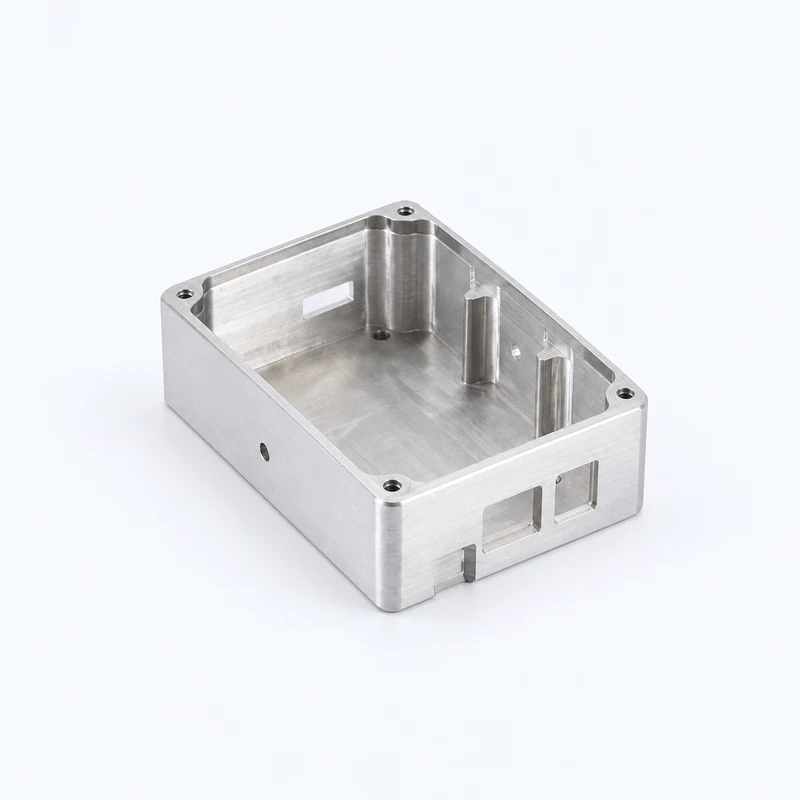
Machine firing pins, guidance hardware, housings, and fittings for demanding environments.

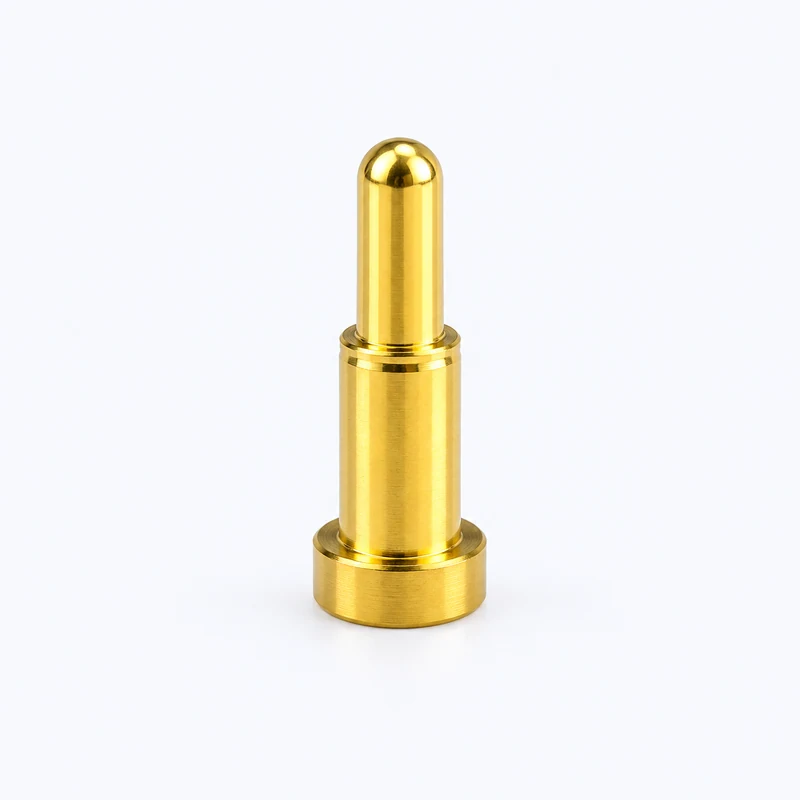
Ultra-precise, small-diameter complex parts machined from bar stock in a single setup with micron-level tolerances.
For connector contacts, sensor bodies and small turned support hardware, explore Defense Swiss Machining.

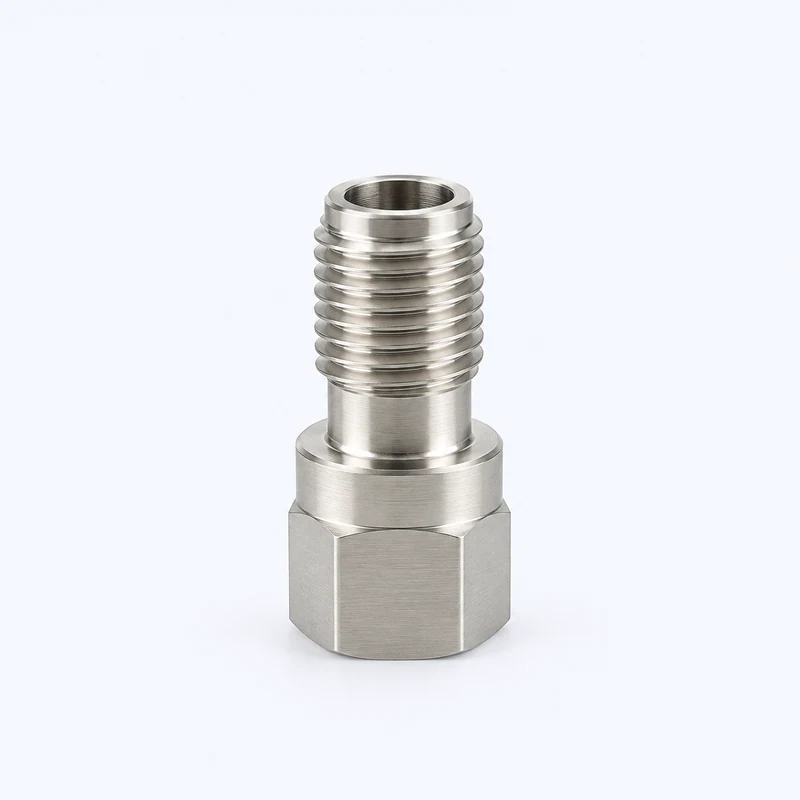
Live tooling combines lathe and mill capabilities for cylindrical features, housings, fixtures, and precision assemblies.
Dimensional Proof
High-precision CMM measurement verifies key Defense Precision CNC Machining Services dimensions and provides detailed inspection records.
Batch Validation
First Article Inspection confirms the first production part before release and reduces repeat-production risk.
Material Traceability
Material certificates, finishing records, and inspection data support traceability from prototype through production.
Surface Control
Surface finish, fit, and functional checks help components meet demanding application and assembly requirements.
Defense-ready materials selected for traceability, durability, and demanding operating environments.
High Strength
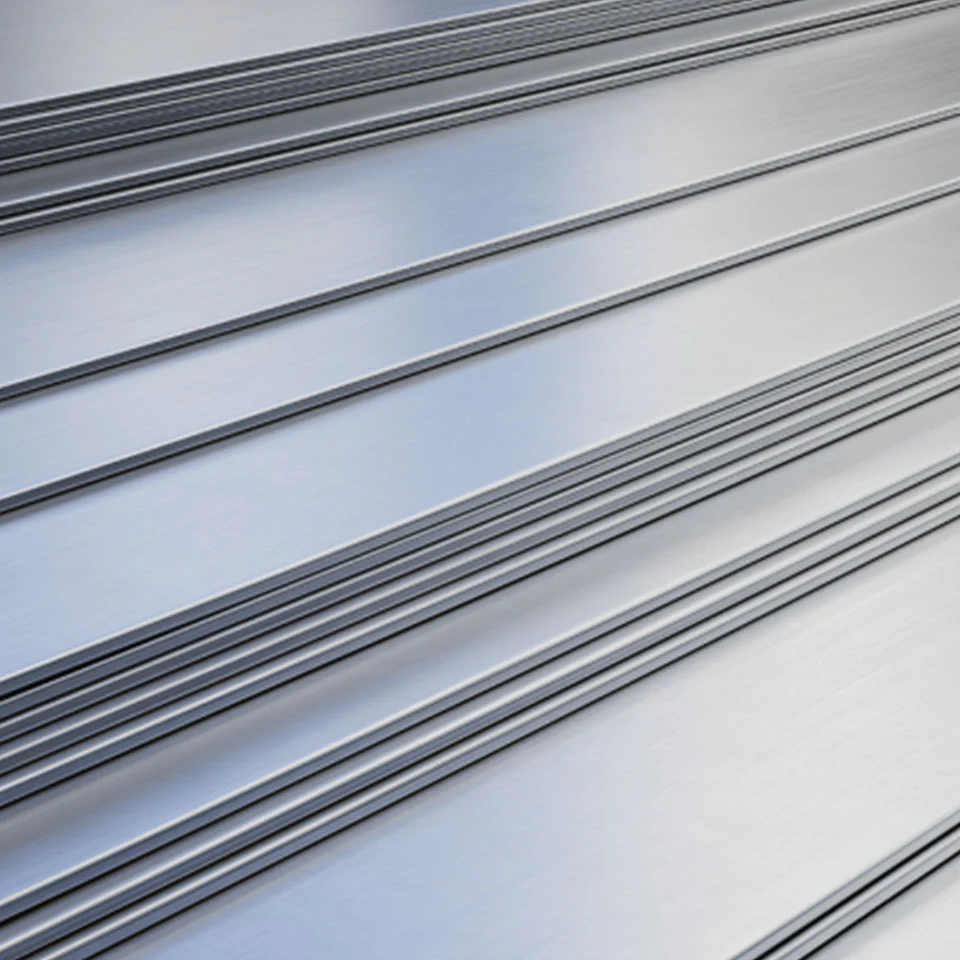
Ti-6Al-4V
Strong lightweight material for mission-critical hardware and precision assemblies.
Extreme Temp
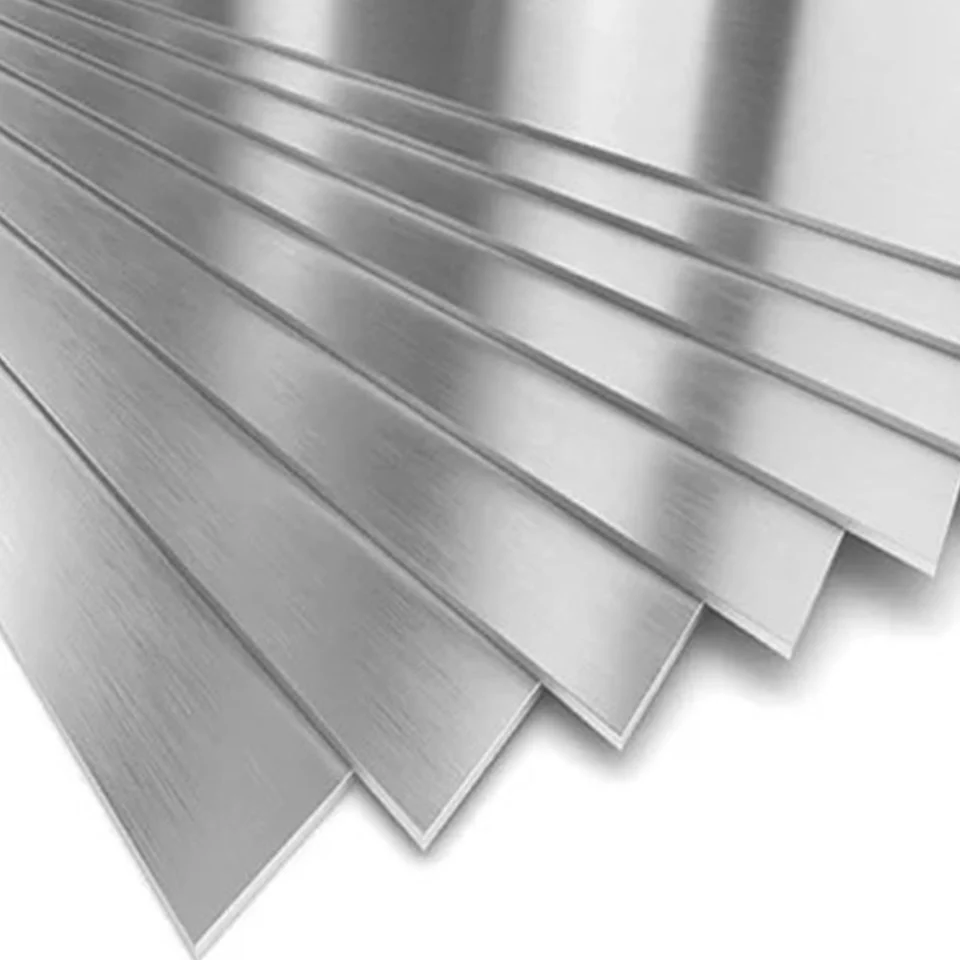
Inconel 718
High-temperature alloys for harsh environments and aerospace-defense systems.
Corrosion Resistant
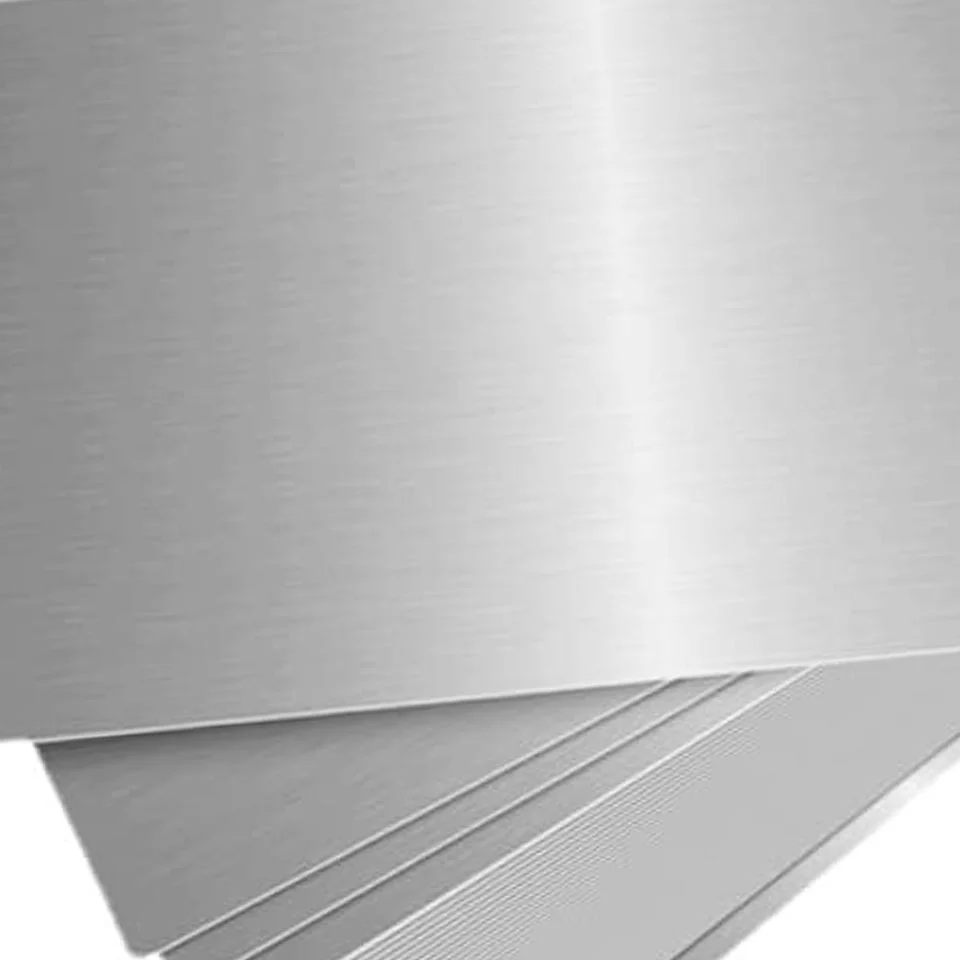
17-4PH / 316L
Corrosion-resistant stainless grades for tactical and structural components.
Lightweight
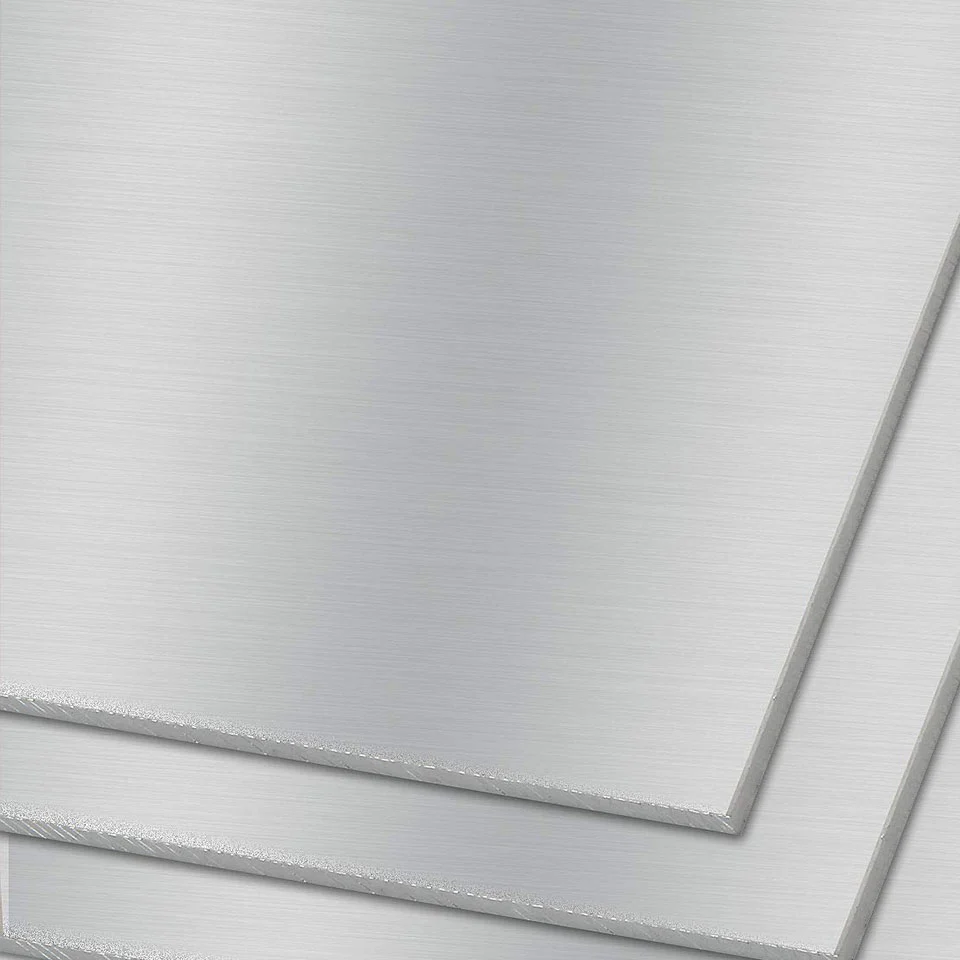
7075 / 6061
High-strength aluminum for housings, covers, fixtures, and lightweight assemblies.
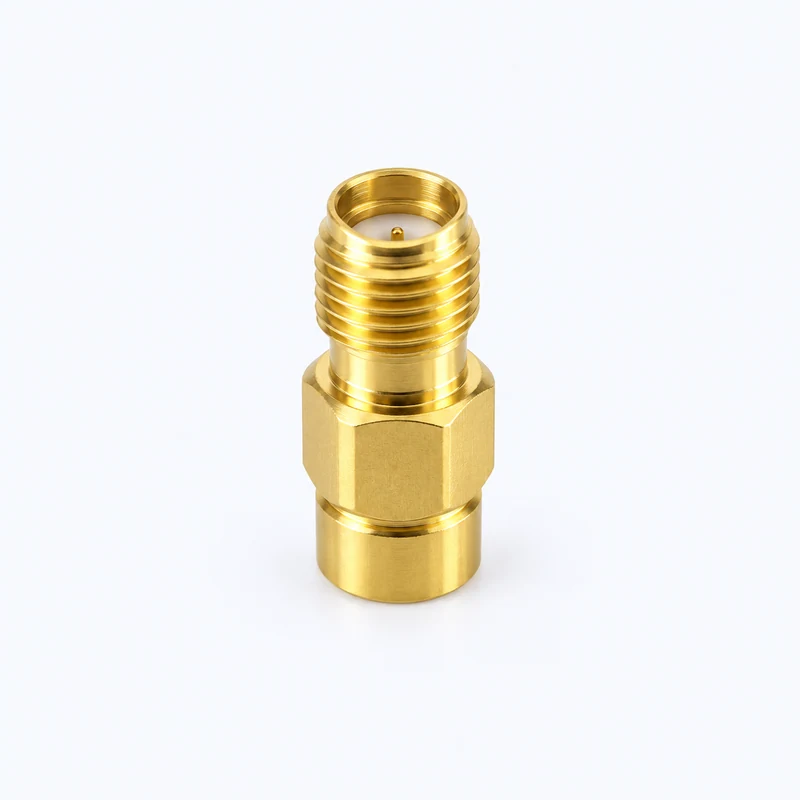
Precision connector contacts, RF hardware, sensor housings and protective enclosures for defense electronics and instrumentation.
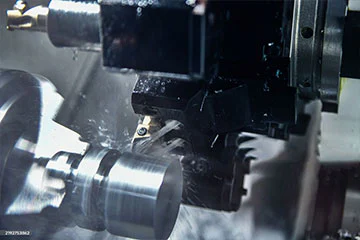
Understand process selection, material requirements and production planning for CNC milled and turned defense components.

Review materials, tolerances, surface quality and DFM considerations for precision aerospace components and demanding assemblies.
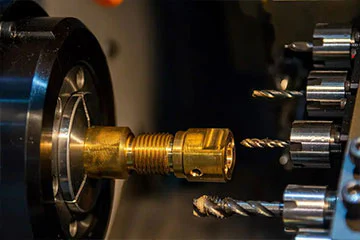
Explore sliding-headstock machining, guide bushings, material options and design considerations for small, complex precision components.
Connector bodies, sensor enclosures, equipment brackets, and electrical interface hardware combine turned features with milled mounting faces. Define mating geometry, coating allowances, and grounding surfaces on the drawing.
Review strength, corrosion resistance, magnetic behavior, and weight for the intended equipment environment. Match the specified alloy and condition to finishing requirements; confirm material identification and process records at quotation.
Keep drawing revisions, approved changes, first-article results, and material and finishing records linked to each part number. Agree the documentation and retention requirements for repeat supply and equipment maintenance.
Swiss machining suits small turned contacts, sleeves, and sensor bodies. CNC turning and milling support larger enclosures, mounting plates, and parts with multiple interfaces. The drawing review determines the manufacturing route.
Provide the required process specification and revision, coating thickness, masking areas, and acceptance criteria. Confirm process availability and supporting records before placing the order.
Send the CAD model, controlled drawing, material and finish requirements, quantities, and requested inspection documents. Identify any procurement or program-specific requirements so they can be reviewed before acceptance.
INDUSTRY COMPONENTS
Share the part drawing, material, quantity and application requirements for a project-specific review.