Stainless Steel CNC Machining Service

Stainless steel machining is the precision fabrication of corrosion-resistant iron-chromium alloys widely used in aerospace, medical devices, marine hardware, and chemical processing equipment due to their exceptional corrosion resistance, high strength across temperatures, and the need for specialized tooling, rigid setups, optimized parameters, and effective coolant use to control work hardening, heat buildup, and achieve superior surface finish and tight tolerances.

Why Choose Stainless Steel for Precision Machining Parts?

Stainless steel is the preferred material for precision CNC machining in demanding industries like aerospace, medical devices, food processing, marine, and chemical equipment, where superior corrosion resistance, high strength, and long-term durability are essential. It offers excellent resistance to oxidation and pitting, outstanding hygienic properties, and reliable performance across wide temperature ranges. Austenitic grades (like 304 and 316) machine effectively with carbide tooling, rigid setups, optimized parameters, high-pressure coolant, and intermittent cuts—delivering tight tolerances down to ±0.0005″ (12 μm), mirror-like finishes, and complex geometries for high-reliability components.

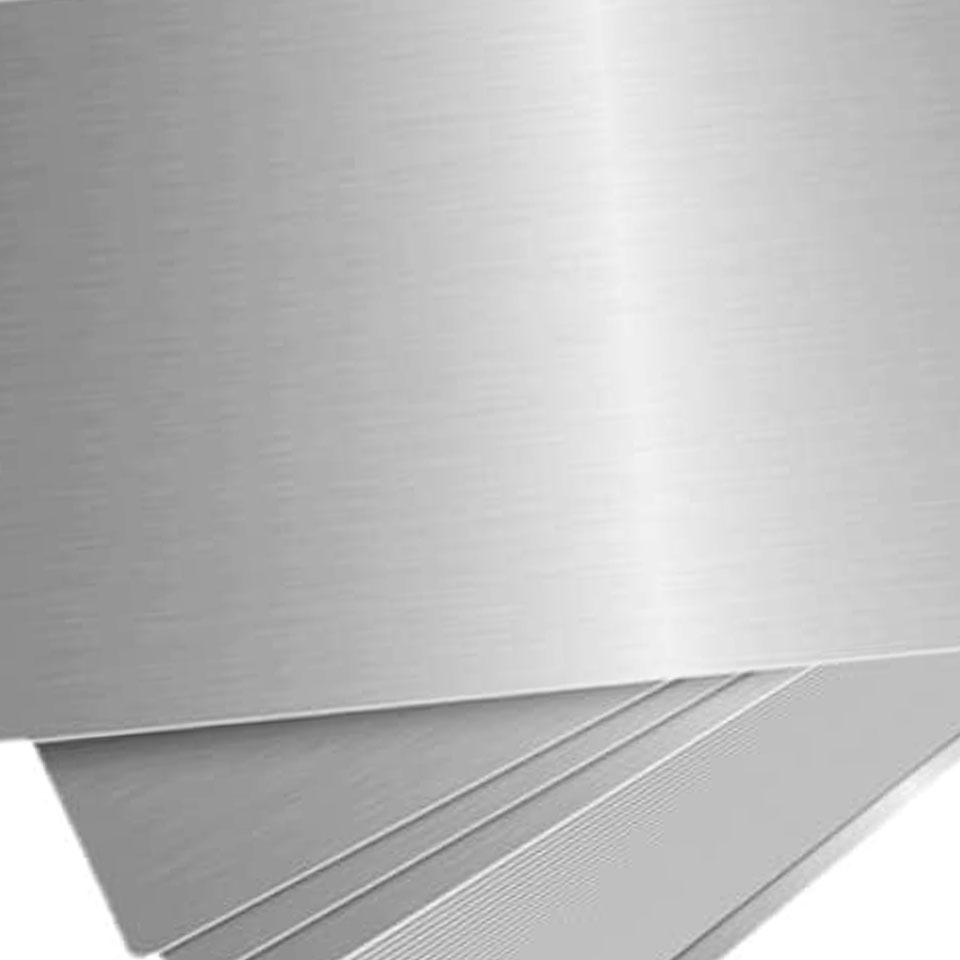
stainless steel CNC machining material

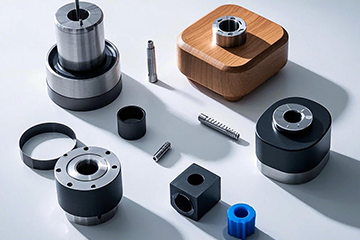
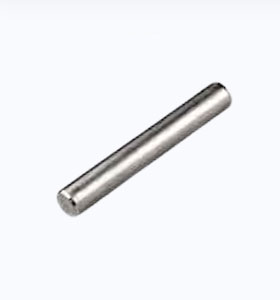
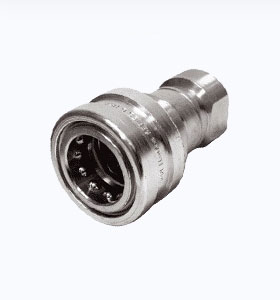
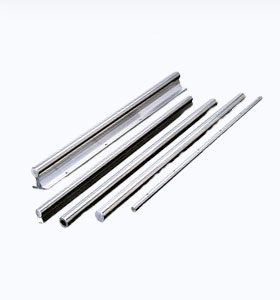
Available Parts for Stainless Steel CNC Machining

Stainless steel CNC machining specializes in precision fabrication of high-performance corrosion-resistant iron-chromium alloys, including industry-standard grades such as 304, 304L, 316, 316L, 17-4PH, 15-5PH, and duplex 2205, supplied in forms including bar stock, round bar, hex bar, plate, sheet, tube, pipe, fittings, forgings, and castings. Here are the precision parts we can provide through expert CNC machining.

Stainless Steel CNC Services and Capabilities

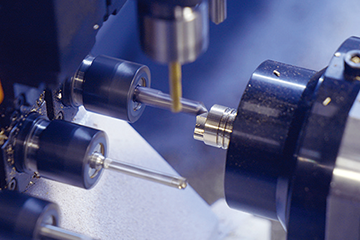
Swiss Machining

Swiss machining: ultra-precise, small-diameter complex parts machined from bar stock in a single setup – with micron-level tolerances and zero secondary operations.

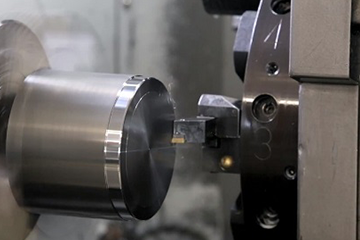
CNC Turning and Milling

CNC turning and milling with live tooling combines both lathe and mill capabilities to machine parts with cylindrical features from metal rod stock.

FAQ's

Yes, stainless steel is generally considered more difficult to machine than carbon steels and many other common metals, but it is still very machinable with the right techniques, tooling, and parameters.

304 stainless steel is generally easier and better for machining than 316, as it has higher machinability, lower work-hardening rate, and produces better surface finishes with less tool wear.


The Process of Stainless Steel Machining

Machining stainless steel (typically via CNC processes like turning, milling, drilling, and grinding) requires careful control to address its tendencies for work hardening, poor thermal conductivity, and stringy chip formation. The goal is to produce precise, high-quality parts with excellent surface finish and tight tolerances while minimizing tool wear and heat-related issues.

Here’s a step-by-step overview of the typical CNC machining process for stainless steel:

1. Design and Programming
  • Engineers start with a CAD model of the part.
  • CAM software generates toolpaths, using conservative parameters: lower cutting speeds (40-60% of carbon steel), moderate feeds, and deeper cuts in roughing to stay below the hardened layer.
  • They simulate the program to avoid collisions and optimize cycle time.
2. Material Selection and Preparation
  • Users choose the grade (e.g., 304 for general use, 316 for corrosion resistance, 17-4PH for high strength).
  • Stock arrives as bar, plate, sheet, or forgings, then operators cut it to rough size and secure it in the machine (vise, chuck, or fixture) with rigid workholding to reduce vibration.
3. Tooling Selection and Machine Setup
  • Shops use sharp carbide inserts (often coated with TiAlN or similar) with positive rake geometry to reduce cutting forces.
  • Tools feature chip breakers for better chip control.
  • Machines (CNC lathes or mills) are rigid, modern setups with high-pressure through-tool coolant (up to 1000+ psi) to cool the cutting zone and evacuate chips.
 
4. Rough Machining
  • Operators remove the bulk of material with aggressive but controlled depths of cut (e.g., 0.100–0.200″ in turning).
  • They use lower spindle speeds and climb milling (where possible) to minimize work hardening.
  • Intermittent techniques like trochoidal milling help dissipate heat.
 
5. Chip Management and Heat Control
  • Stainless produces long, stringy chips that can tangle or build up on the tool.
  • High-volume coolant flushes them away, while proper feeds and chip-breaker geometry help break them into manageable pieces.
 
6. Finish Machining
  • Lighter passes (0.010–0.030″ depth) with higher speeds achieve the final dimensions and surface finish (often Ra 32 µin or better).
  • Operators use sharp tools and sometimes air/mist or minimal coolant for the best finish.
7. Post-Processing and Inspection
  • Parts undergo deburring (manual, tumbling, or vibratory), passivation (for corrosion resistance), polishing, or heat treatment if needed.
  • Precision inspection with CMMs, gauges, or optical tools verifies tolerances (commonly ±0.001″ or tighter).
 

With expertise and modern equipment, stainless steel machining is highly repeatable and widely used for critical parts in aerospace, medical, marine, and food industries—though it typically takes longer and costs more than machining milder materials.

Questions?

Our experts are here for you!.