

Swiss Machining
Swiss machining: ultra-precise, small-diameter complex parts machined from bar stock in a single setup - with micron-level tolerances and zero secondary operations.
Get instant quotes for custom CNC machined PEEK parts. Ultra-precision prototyping and full production with exceptionally fast turnaround times. ISO 9001:2015 certified job shop delivering complex, high-performance components with proven reliability and in-house expertise.
Get Instant QuotePEEK excels in CNC machining for its exceptional combination of high-performance properties, thermal stability, and lightweight strength, delivering superior reliability in demanding environments. It supports tight tolerances down to +/-0.001" (25 um), offers excellent dimensional stability under extreme conditions, and ensures consistent repeatability in prototypes through production-making it the ideal choice for bearings, bushings, seals, medical implants, aerospace fittings, pump components, and high-temperature or chemically aggressive parts.
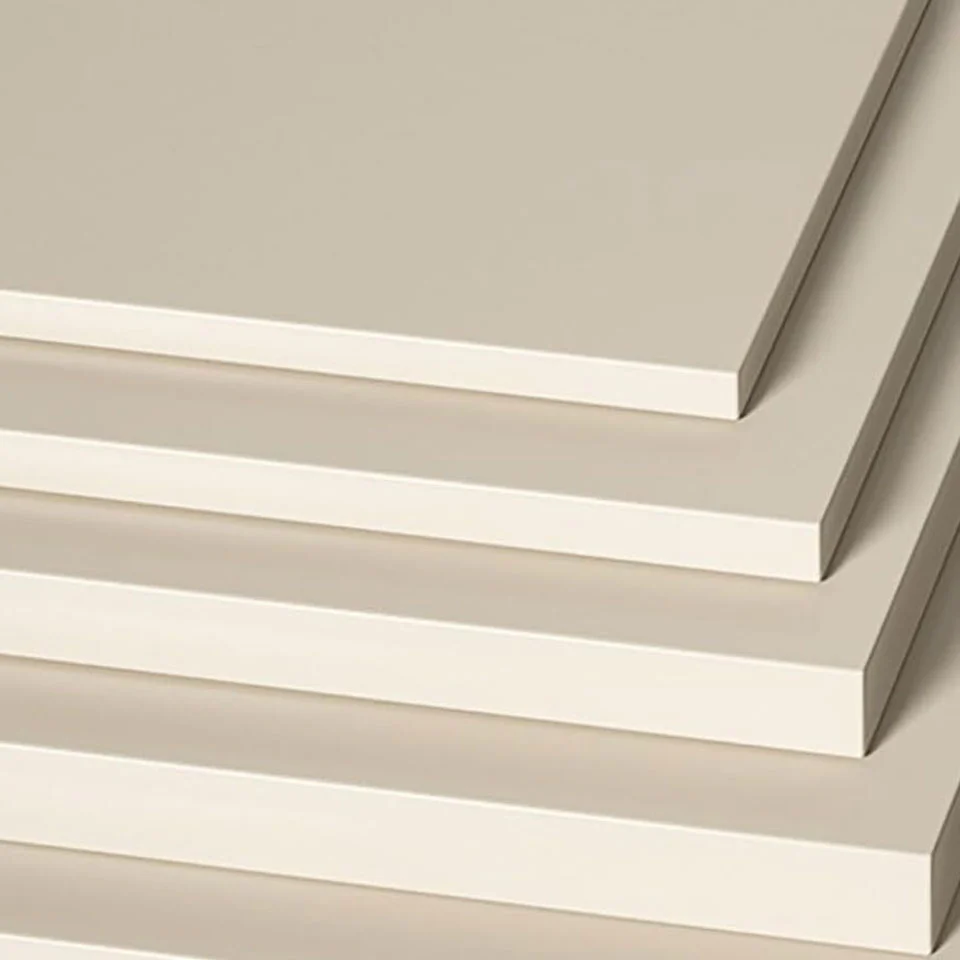
PEEK CNC Machining is suitable for a wide range of PEEK materials including standard unfilled PEEK, glass-filled PEEK, carbon-filled PEEK, bearing-grade PEEK, and specialty high-performance PEEK formulations. The suitability depends on the material's machinability. Here are the parts we can provide for CNC Machining. For cylindrical parts with milled features, review turning and milling PEEK components.
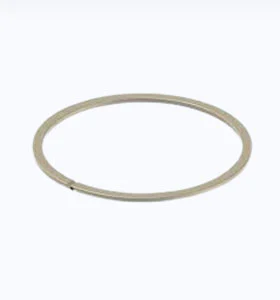
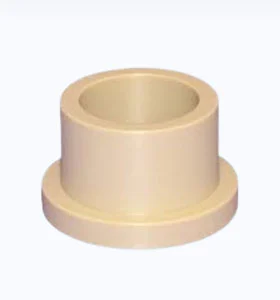
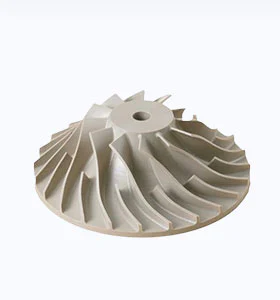
Swiss machining: ultra-precise, small-diameter complex parts machined from bar stock in a single setup - with micron-level tolerances and zero secondary operations.

CNC turning with live tooling combines both lathe and mill capabilities to machine parts with cylindrical features from metal rod stock.
PEEK (Polyetheretherketone) is a high-performance thermoplastic with excellent properties (high heat resistance up to ~260°C continuous use, chemical inertness, low moisture absorption), but these same traits create machining difficulties: Very poor thermal conductivity - Cutting heat builds up quickly at the tool tip instead of dissipating, which can soften/melt the material locally, causing stringy chips, gummy surfaces, burrs, poor finish, or even degradation if temperatures exceed ~343°C melting point. High residual/internal stresses in extruded rod/plate stock - Without proper stress relief, material removal releases these stresses, leading to warping, distortion, cracking, or dimensional instability over time (especially problematic for tight-tolerance parts). Abrasive fillers in reinforced grades (e.g., 30% glass-filled GF30 or carbon-filled CF30) wear tools rapidly, dulling edges and degrading surface quality. Common solutions: Use sharp positive-rake carbide tools (often uncoated or polished for plastics), conservative parameters (high spindle speed, light cuts, high feed to avoid heat buildup), effective cooling (compressed air, mist, or minimum quantity lubrication - avoid flooding in some medical cases), and always anneal stock before (and sometimes during) machining.
Yes - annealing is strongly recommended (and often considered essential) for most PEEK CNC jobs , especially parts > ~10-15 mm thick, complex geometries, tight tolerances (+/-0.02 mm or better), or critical applications (medical implants, aerospace components). Without annealing: Residual stresses from extrusion cause issues like: Warping or bowing after machining (parts may move days/weeks later). Cracking during or after cutting (stress concentrations release suddenly). Dimensional drift or out-of-tolerance results over time/temperature cycling. With annealing: Performed in a controlled oven (typical cycle: slow ramp to 200-300°C, hold 2-10 hours depending on thickness/grade, very slow cool-down), it relieves ~90%+ of internal stress, improves crystallinity, boosts toughness, and dramatically reduces post-machining distortion/cracking risk. Many shops offer "pre-annealed stock" or include annealing in their service. Skipping it saves upfront cost but often leads to scrap, rework, or field failures - the risk usually outweighs the savings.
Tolerances: Standard CNC machining reliably holds +/-0.025 mm to +/-0.05 mm. With careful process control (pre-annealing, temperature-stable shop, 5-axis if needed, light finishing passes), +/-0.01 mm is common, and +/-0.005 mm (or tighter) is achievable for high-precision/medical-grade work. Surface finish: As-machined typically Ra 0.8-1.6 µm; with optimized tools/coolant and light passes, Ra 0.4 µm or better is routine. Post-polishing can reach mirror-like finishes (Ra 0.2 µm or below) for optical/medical use. Why the high cost? Raw material price - Virgin PEEK rod/plate often $100-500+ per kg (reinforced grades even higher), far more than Delrin/POM/nylon. High scrap/waste rate - Conservative parameters (light DOC, slower effective removal) + annealing steps increase time and material use. Specialized requirements - Sharp carbide tools (frequent replacement for filled grades), cooling setups, annealing ovens/time, skilled programming, and tight quality control (especially for biocompatibility or zero-defect parts). Low volume/high precision - Most PEEK jobs are prototypes or small batches for demanding applications, so setup/programming time dominates.
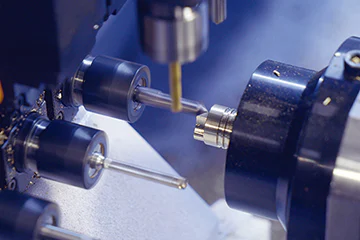
Swiss machining uses a sliding headstock and guide bushing, unlike standard lathes, to support material while the tool remains stationary.
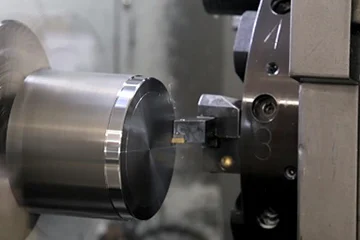
In CNC milling, the tool moves while the material is stationary. In CNC turning, the material spins while the tool moves.
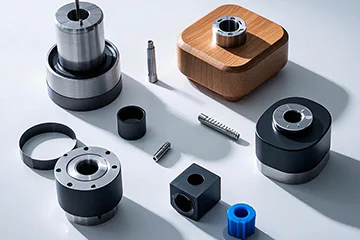
CNC machining can be applied to a wide variety of materials, including but not limited to metals, plastics, and composites.
MATERIAL SELECTION
Tell us the material grade, part geometry, quantity and finish requirements so we can review the machining route.