
Ultem CNC Machining Service
Get instant quotes for custom CNC machined Ultem parts. High-precision prototyping and full production with exceptionally fast lead times. ISO 9001:2015 certified facility providing high-strength, heat-resistant components with superior dielectric properties and dedicated in-house engineering support.
Why Choose Ultem for Precision Machining Parts?
Ultem (PEI) stands out as a leading high-performance thermoplastic for CNC machining, offering exceptional strength, rigidity, and continuous use at elevated temperatures up to 340°F (170°C). It delivers tight tolerances down to ±0.001″ (25 μm), excellent surface finishes, and dependable repeatability from rapid prototypes to full-scale production—making it the material of choice for aerospace fittings, medical device components, electrical connectors, semiconductor handling parts, fuel system elements, and structurally demanding assemblies in harsh environments.
- Outstanding heat resistance and dimensional stability
- High mechanical strength and stiffness
- Superior flame retardancy (UL94 V-0 rating)
- Excellent electrical and dielectric properties
- Ideal for sterilizable medical parts, high-temperature insulators, and load-bearing applications
Available Parts for Ultem CNC Machining
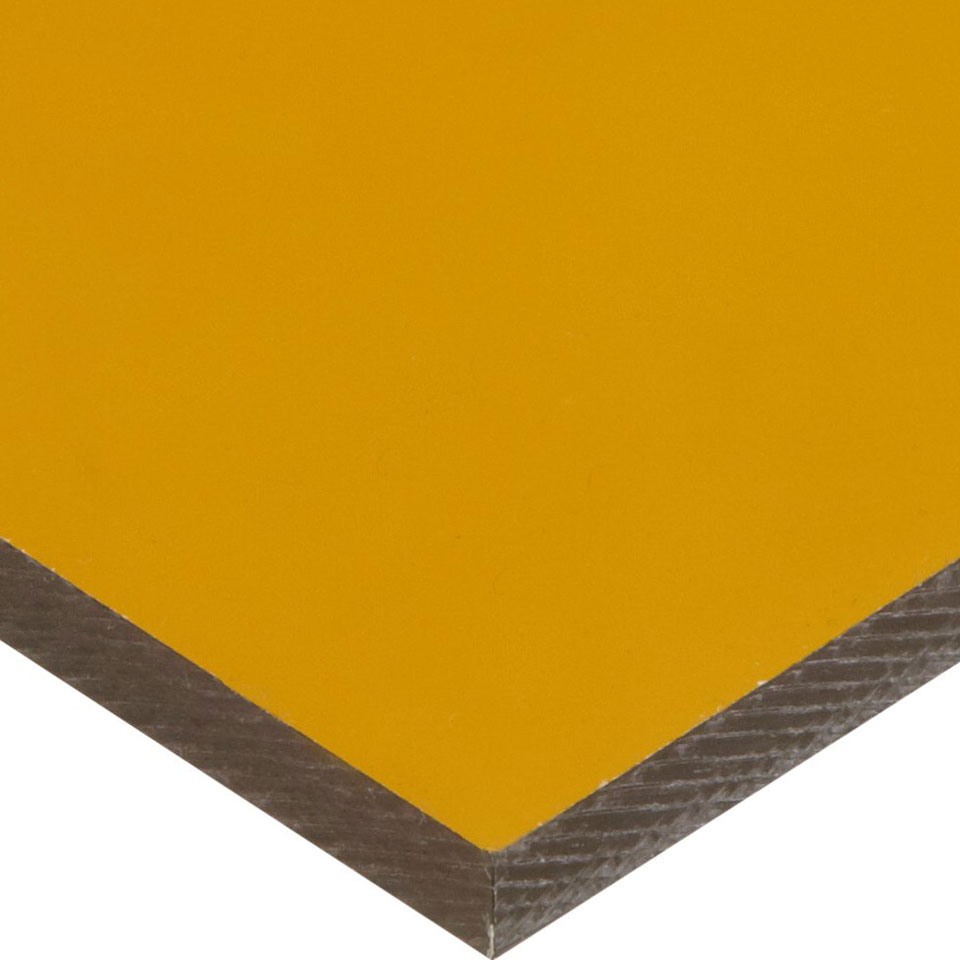
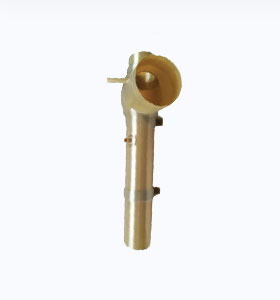
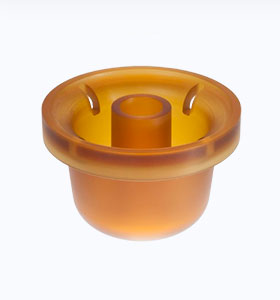
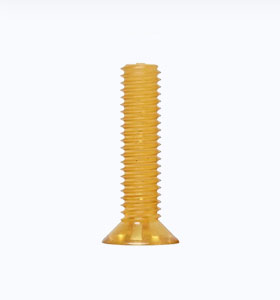
Ultem CNC machining is suitable for a wide range of high-performance polyetherimide materials including virgin Ultem 1000, glass-filled Ultem (10%, 20%, 30% grades), carbon-filled Ultem, bearing-grade Ultem, and specialty flame-retardant or ESD-safe formulations. The suitability depends on the material’s machinability. Here are the parts we can provide for CNC Machining.


Ultem CNC Services and Capabilities
Swiss Machining
Swiss machining: ultra-precise, small-diameter complex parts machined from bar stock in a single setup – with micron-level tolerances and zero secondary operations.
CNC Turning and Milling
CNC turning and milling with live tooling combines both lathe and mill capabilities to machine parts with cylindrical features from metal rod stock.
FAQs
What sets Ultem apart as a material for high-performance CNC machined parts?
Ultem (polyetherimide) combines exceptional heat resistance (continuous use up to 340°F / 170°C), high mechanical strength, and inherent flame retardancy (UL94 V-0) with very low smoke and toxic gas emission. It machines reliably to tight tolerances of ±0.001″ (25 μm), delivers smooth finishes, and maintains dimensional stability under load and thermal cycling—making it the go-to choice for aerospace brackets, medical sterilizable instruments, electrical connectors, semiconductor wafer handling components, fuel system manifolds, and structural parts exposed to elevated temperatures or harsh chemicals.
How does our Ultem CNC machining service deliver reliability for critical applications?
Operating from an ISO 9001:2015 certified facility, we precision-machine virgin Ultem 1000 as well as reinforced grades (glass-filled, carbon-filled, bearing grades) with optimized tooling and fixturing to minimize internal stresses and achieve consistent repeatability from fast-turn prototypes to high-volume runs. The result is robust, lightweight components with superior dielectric strength, excellent chemical resistance, and the ability to withstand repeated autoclave sterilization or exposure to aggressive fluids—trusted in medical, aerospace, electronics, and industrial sectors where failure is not an option.
Why select Ultem over other engineering thermoplastics for precision CNC projects?
Ultem outperforms many alternatives (such as PEEK in cost-sensitive applications or polycarbonate in high-heat scenarios) by offering a unique balance of high stiffness, creep resistance, radiation stability, and compliance with stringent flammability and biocompatibility standards. Our advanced CNC capabilities handle its toughness to produce complex geometries, thin walls, and precise features with outstanding surface quality and no moisture-related dimensional drift—ideal for flight-grade insulators, reusable medical trays, high-temperature sensor housings, burn-in test sockets, and load-bearing components in demanding environments.
CNC Machining Learning Center
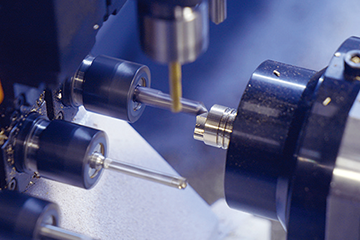
What is Swiss Machining?
Swiss machining uses a sliding headstock and guide bushing, unlike standard lathes, to support material while the tool remains stationary.
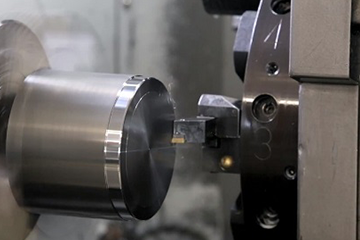
What is CNC Turning and Milling?
In CNC milling, the tool moves while the material is stationary. In CNC turning, the material spins while the tool moves.
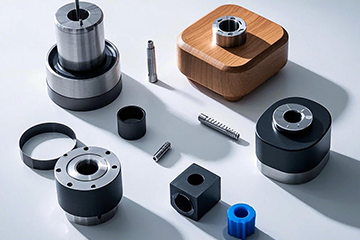
CNC Machining Materials: A Comprehensive Guide
CNC machining can be applied to a wide variety of materials, including but not limited to metals, plastics, and composites.