
PTFE CNC Machining Service
Get instant quotes for custom CNC machined PTFE parts. High-precision prototyping and full production with exceptionally fast lead times. ISO 9001:2015 certified facility providing low-friction, chemically inert components with outstanding thermal stability and dedicated in-house engineering support.
Why Choose PTFE for Precision Machining Parts?
PTFE (Teflon) excels as a top material for CNC machining, delivering unmatched chemical resistance, ultra-low friction, and remarkable performance across extreme temperatures. It machines to produce precise features with tight tolerances down to ±0.001″ (25 μm), smooth surface finishes, and consistent results from prototyping through large-scale production—ideal for seals, bushings, insulators, valve seats, slide plates, chemical processing components, and demanding low-friction assemblies.
- Unparalleled chemical inertness and corrosion resistance
- Extremely low coefficient of friction (self-lubricating)
- Wide operating temperature range (-400°F to +500°F)
- Excellent electrical insulation properties
- Ideal for non-stick surfaces, high-purity applications, and extreme environment parts
Available Parts for PTFE CNC Machining
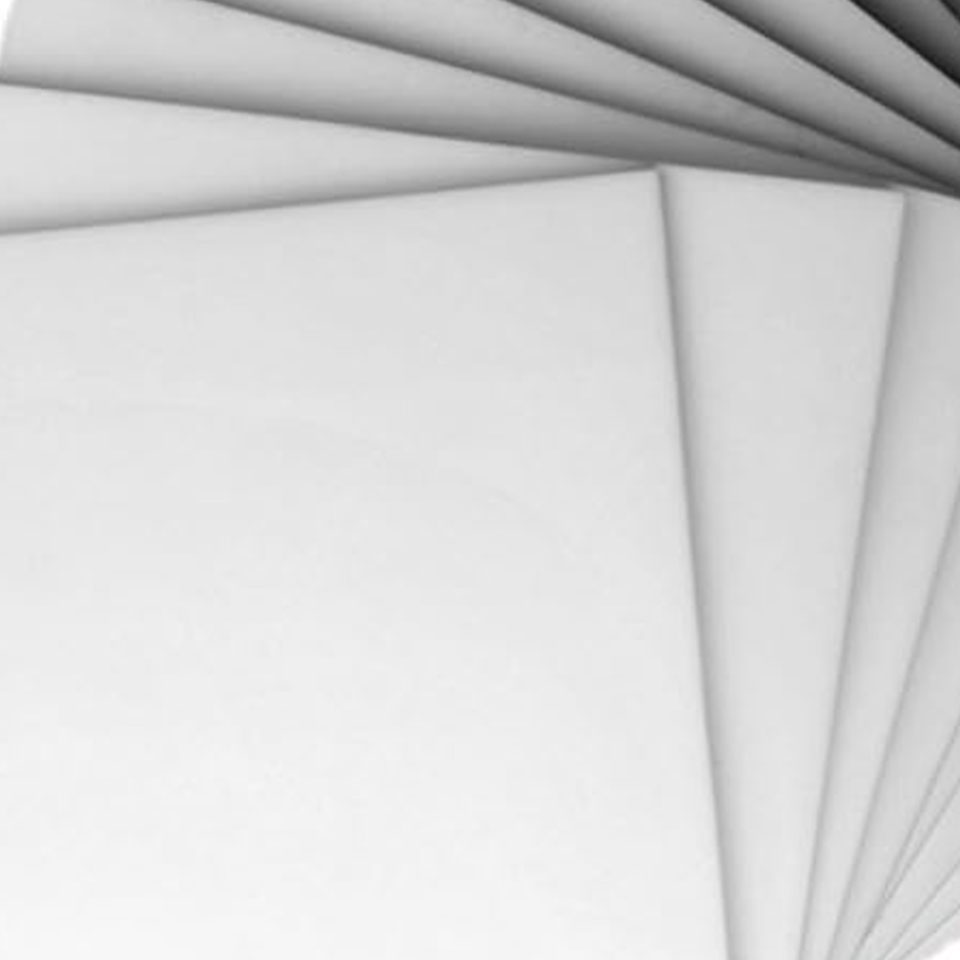
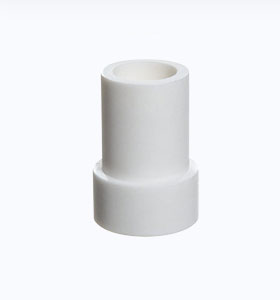
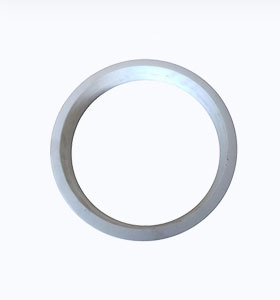
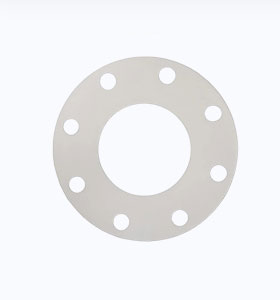
PTFE CNC machining is suitable for a wide range of fluoropolymer materials including virgin PTFE, glass-filled PTFE, carbon-filled PTFE, bronze-filled PTFE, and specialty lubricated or modified grades. The suitability depends on the material’s machinability. Here are the parts we can provide for CNC Machining.


PTFE CNC Services and Capabilities
Swiss Machining
Swiss machining: ultra-precise, small-diameter complex parts machined from bar stock in a single setup – with micron-level tolerances and zero secondary operations.
CNC Turning and Milling
CNC turning and milling with live tooling combines both lathe and mill capabilities to machine parts with cylindrical features from metal rod stock.
FAQs
What makes PTFE the ideal choice for demanding CNC machined components?
PTFE (Teflon) delivers unmatched chemical inertness, an ultra-low friction coefficient, and reliable performance from cryogenic to high-temperature extremes (-400°F to +500°F). It produces precise, burr-minimized parts with tight tolerances down to ±0.001″ (25 μm) and superior surface quality—perfect for chemically aggressive environments, non-stick surfaces, electrical insulators, and self-lubricating mechanisms where other plastics would degrade or seize.
How does our PTFE CNC machining service ensure precision and reliability in extreme conditions?
Leveraging ISO 9001:2015 certified processes, we machine virgin PTFE along with reinforced grades (glass, carbon, bronze-filled) to achieve consistent dimensional accuracy, minimal thermal distortion, and excellent repeatability from rapid prototypes to production runs. This results in durable, low-maintenance components like seals, gaskets, valve seats, slide bearings, and laboratory fittings that resist corrosion, maintain electrical insulation, and perform flawlessly in harsh chemical or thermal settings.
Why opt for PTFE over other engineering plastics in custom CNC projects?
Unlike POM or nylon, PTFE offers unparalleled resistance to virtually all chemicals, solvents, and UV exposure, combined with true non-stick properties and a service temperature range unmatched by most thermoplastics. Our high-precision CNC capabilities handle its unique softness and thermal behavior to deliver complex geometries with outstanding surface finishes, zero moisture absorption, and exceptional dielectric strength—making it the go-to material for aerospace insulators, medical-grade parts, food-processing components, and aggressive fluid-handling applications.
CNC Machining Learning Center
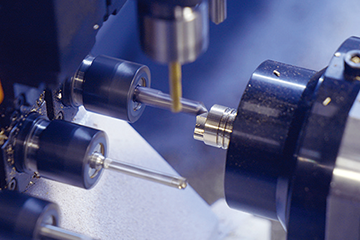
What is Swiss Machining?
Swiss machining uses a sliding headstock and guide bushing, unlike standard lathes, to support material while the tool remains stationary.
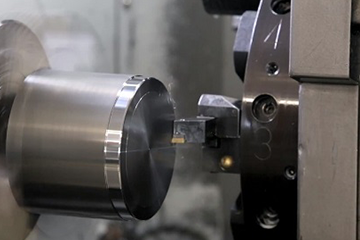
What is CNC Turning and Milling?
In CNC milling, the tool moves while the material is stationary. In CNC turning, the material spins while the tool moves.
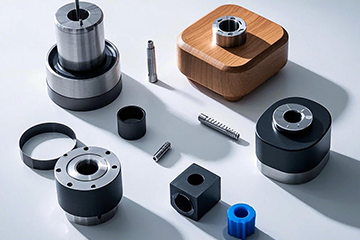
CNC Machining Materials: A Comprehensive Guide
CNC machining can be applied to a wide variety of materials, including but not limited to metals, plastics, and composites.