
Invar CNC Machining Service
Invar is a controlled-expansion nickel-iron alloy widely used in precision instruments, optical systems, and cryogenic components due to its exceptionally low coefficient of thermal expansion, excellent dimensional stability, and the need for specialized machining techniques to manage work hardening and achieve precise tolerances.
Why Choose Invar for Precision Machining Parts?
Invar, the classic low-expansion nickel-iron alloy, is the material of choice when absolute dimensional constancy is non-negotiable—especially in environments with large temperature swings. Its virtually zero thermal expansion coefficient from cryogenic levels to around 200°C ensures parts remain geometrically true over time, making it indispensable for scientific instruments, metrology standards, telescope mounts, laser systems, and satellite structures. While Invar demands careful machining to counter its tendency to work-harden, experienced shops achieve exceptional results using sharp tools, light cuts, rigid fixturing, and ample coolant, routinely holding tolerances of ±0.0002″ (5 μm) or tighter with post-machining stress relief and finishing.
- Extremely low (near-zero) thermal expansion for ultimate size stability
- Outstanding performance from cryogenic to moderate temperatures
- Proven long-term reliability in mission-critical applications
- Capability for ultra-tight tolerances and mirror-like finishes when properly processed
- Minimal thermal distortion in temperature-varying environments
- Preferred for weight-sensitive, high-accuracy assemblies in optics, aerospace, and instrumentation
Available Parts for Invar CNC Machining
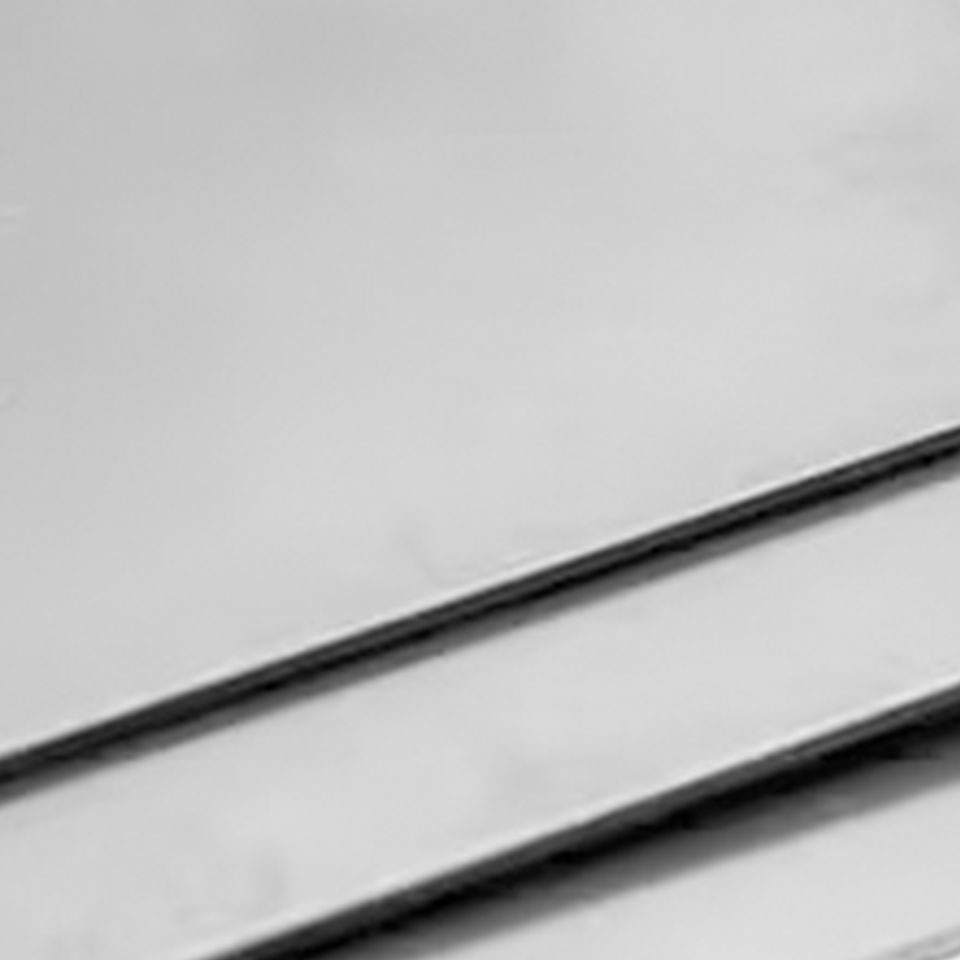
Invar CNC Machining is suitable for Invar 36 alloy (UNS K93600, ASTM F1684), invar 42, super invar available in annealed condition as round bar, plate, sheet, and forgings. Fully annealed material offers the best machinability, enabling complex geometries and tolerances as tight as ±0.0002″ (5 μm) when using sharp tooling, light cuts, and proper stress relief.
Invar CNC Services and Capabilities
Swiss Machining
Swiss machining: ultra-precise, small-diameter complex parts machined from bar stock in a single setup – with micron-level tolerances and zero secondary operations.
CNC Turning and Milling
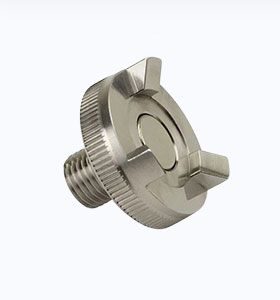
CNC turning with live tooling combines both lathe and mill capabilities to machine parts with cylindrical features from metal rod stock.
FAQ's
Is Invar difficult to machine? Why does it tend to work-harden, and how can this be effectively avoided?
Yes, Invar is considered moderately difficult to machine compared to common steels or aluminum. Its primary challenge is rapid work hardening—nickel-iron alloys like Invar harden quickly under cutting forces due to their austenitic structure. To minimize this: use very sharp carbide or coated tools, take light cuts (0.002–0.005″ depth), maintain rigid setups, apply generous coolant (flood or mist), and include frequent tool changes or stress-relief annealing between roughing and finishing operations.
What tolerances and surface finishes can be achieved with CNC precision machining of Invar?
With proper techniques and experienced machining, Invar can routinely achieve tolerances of ±0.0002″ (≈5 μm) or tighter on critical features. Surface finishes of Ra 8–16 μin (0.2–0.4 μm) are common after finishing passes, and mirror-like finishes below Ra 4 μin are possible with diamond tooling, lapping, or superfinishing. Post-machining stress relief is often essential to maintain these tolerances over time.
What precision applications are best suited for Invar due to its extremely low coefficient of thermal expansion?
Invar is ideal wherever dimensional stability across wide temperature ranges is critical. Typical applications include precision instruments (gauges and metrology standards), optical and laser systems (benches, mounts, interferometers), telescope components, satellite and aerospace structures, cryogenic equipment, and high-precision molds or tooling that must resist thermal distortion.
How should tools, cutting parameters, and cooling be selected when machining Invar to achieve the best results?
- Tools: Sharp positive-rake carbide inserts (preferably coated with TiAlN or similar) or polycrystalline diamond (PCD) for finishing.
- Parameters: Low cutting speeds (60–120 SFM), light feeds (0.001–0.004 IPR), and shallow depths of cut to limit heat and hardening.
- Cooling: High-pressure flood coolant or soluble oil to dissipate heat and reduce built-up edge. Avoid dry machining. Rigid machine setups and vibration damping are also crucial.
What are the main differences between Invar and Kovar in terms of machining characteristics, thermal expansion properties, and typical applications?
- Thermal expansion: Invar has near-zero CTE (≈1.2 × 10⁻⁶/°C from 0–100°C); Kovar has a controlled CTE (≈5 × 10⁻⁶/°C) specifically matched to borosilicate glass and ceramics.
- Machining: Invar work-hardens more aggressively and requires lighter cuts; Kovar is generally more forgiving and machines more predictably like stainless steel.
- Applications: Invar is used for ultimate dimensional stability in precision instruments and temperature-varying environments; Kovar excels in glass-to-metal hermetic seals, electronic packages, and vacuum tubes.