
Nitinol machining demands specialized expertise and precise techniques to master this extraordinary nickel-titanium shape memory alloy. It delivers remarkable superelasticity, reliable shape recovery, performing exceptionally in dynamic biomedical, aerospace, and robotic applications across a wide temperature range.
Nitinol is the innovative nickel-titanium shape memory alloy chosen for precision CNC machining in advanced applications requiring superelasticity, shape memory effects, and superior biocompatibility. This intermetallic alloy provides exceptional recoverable strains up to 8-10%, reliable thermal actuation, outstanding corrosion resistance, high fatigue life, and non-magnetic properties—perfect for medical implants, minimally invasive devices, aerospace actuators, and robotic components. Precision machining demands rigorous techniques: rigid setups, sharp PCD or coated carbide tools with positive rake, low speeds, high feeds, abundant coolant, and precise thermal management to prevent work hardening and preserve phase transformation temperatures, achieving complex micro-features, thin walls, tight tolerances to ±0.0002″ (5 μm), and superior surface finishes for critical functional parts.
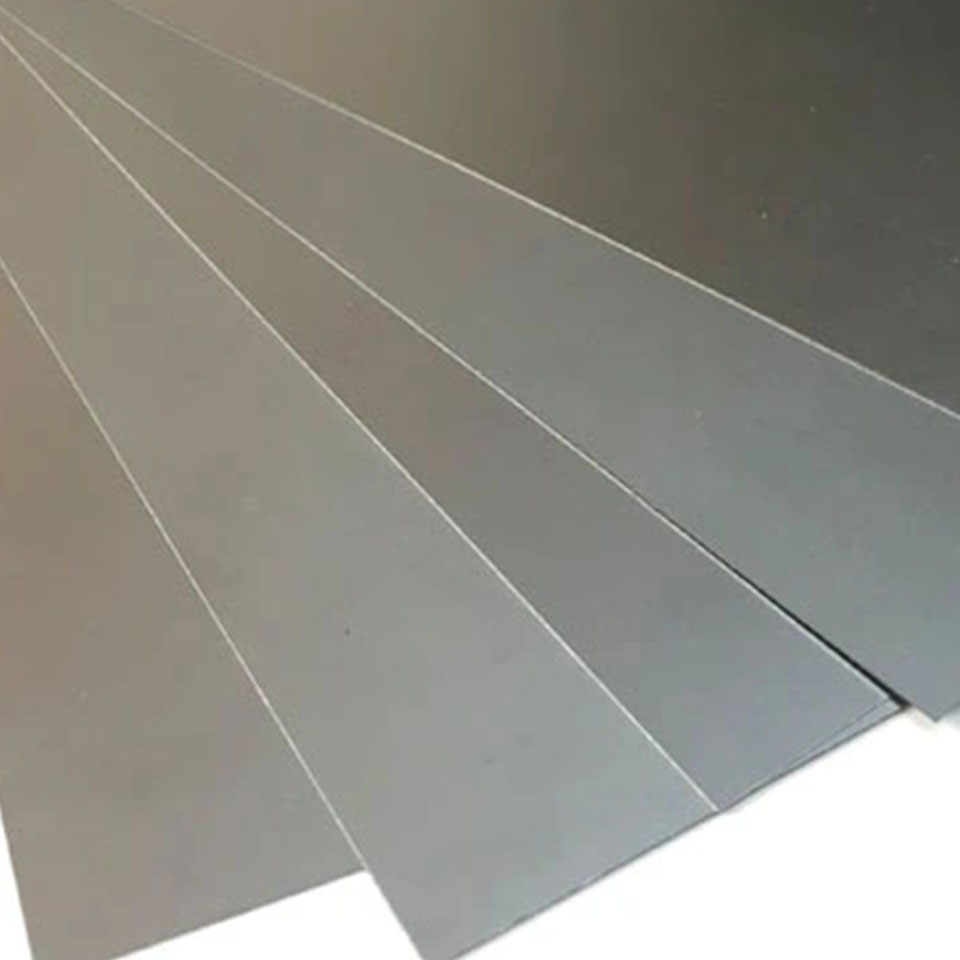
Nitinol CNC Machining is ideal for the advanced nickel-titanium shape memory alloy Nitinol (NiTi), an equiatomic intermetallic renowned for its superelasticity with recoverable strains up to 8-10%, precise thermally activated shape memory effect, exceptional biocompatibility, and superior corrosion resistance in physiological environments. Perfect for medical devices, minimally invasive instruments, aerospace actuators, and robotics. Here are the precision parts we can provide for CNC Machining.

Swiss machining: ultra-precise, small-diameter complex parts machined from bar stock in a single setup – with micron-level tolerances and zero secondary operations.
CNC turning with live tooling combines both lathe and mill capabilities to machine parts with cylindrical features from metal rod stock.
Yes, Nitinol (a nickel-titanium shape memory alloy) can be machined, but it is one of the most challenging materials to work with due to its unique properties.
Nitinol’s superelasticity, high ductility, severe strain (work) hardening, and poor thermal conductivity make conventional machining problematic. It tends to:
In summary, while Nitinol is machinable, it typically requires expertise, advanced equipment, and non-traditional techniques—especially in high-precision applications like aerospace and medical devices—to achieve good results without compromising its functional properties.
Yes, Nitinol can be ground, and grinding—especially centerless grinding—is a widely used technique for shaping and finishing Nitinol components, particularly in medical devices like guidewires, tubes, and hypotubes.
Nitinol’s tough titanium oxide surface makes it highly abrasive, leading to rapid tool/wheel wear. Its superelasticity, work hardening, and sensitivity to heat can cause issues like:
Many specialized manufacturers (e.g., Resonetics, Custom Wire Technologies, Wytech) routinely grind Nitinol with excellent results, but it demands expertise, high-end equipment, and strict process control to preserve the alloy’s shape memory and superelastic properties.
In summary, grinding Nitinol is not only possible but a standard finishing method in precision applications—though it’s more demanding than grinding conventional metals and often paired with post-processes like electropolishing for optimal results.
CNC machining can be used for Nitinol, but it’s generally not considered the best or easiest approach due to the material’s unique and demanding properties.
Nitinol’s superelasticity, rapid work hardening, high ductility, poor thermal conductivity, and abrasive titanium oxide layer make it extremely tough on tools and processes. Common issues include:
Specialized parameters are needed: coated carbide tools, low cutting speeds, aggressive feeds, rigid setups, and heavy coolant flooding. Even then, some experts note conventional machining “is not a viable option” for certain scenarios due to these traits.
For high-precision work (especially medical stents, guidewires, or intricate parts), non-conventional methods are typically superior because they minimize mechanical stress, heat input, and tool wear while preserving Nitinol’s functional properties:
In summary, while CNC machining is feasible and used by specialists, it’s often more costly, time-consuming, and risky compared to alternatives—making it a “good” approach only for specific cases with the right expertise and equipment. For most precision Nitinol applications, non-traditional methods are recommended.