

Swiss Machining
Swiss machining: ultra-precise, small-diameter complex parts machined from bar stock in a single setup - with micron-level tolerances and zero secondary operations.
Nickel is a versatile and highly durable metal widely used in aerospace, chemical processing, and oil & gas applications due to its exceptional corrosion resistance, high-temperature strength, and excellent mechanical properties.
Get Instant QuoteNickel is a top choice for Swiss machining, combining exceptional corrosion resistance, high-temperature strength, and superior mechanical properties with outstanding durability in harsh environments. It machines reliably with controlled chip formation, delivering ultra-smooth surfaces, tight tolerances down to +/-0.0002" (5 um), and consistent results even in demanding high-volume production-making it the preferred material for aerospace components, chemical processing equipment, oil & gas parts, and high-performance valves.
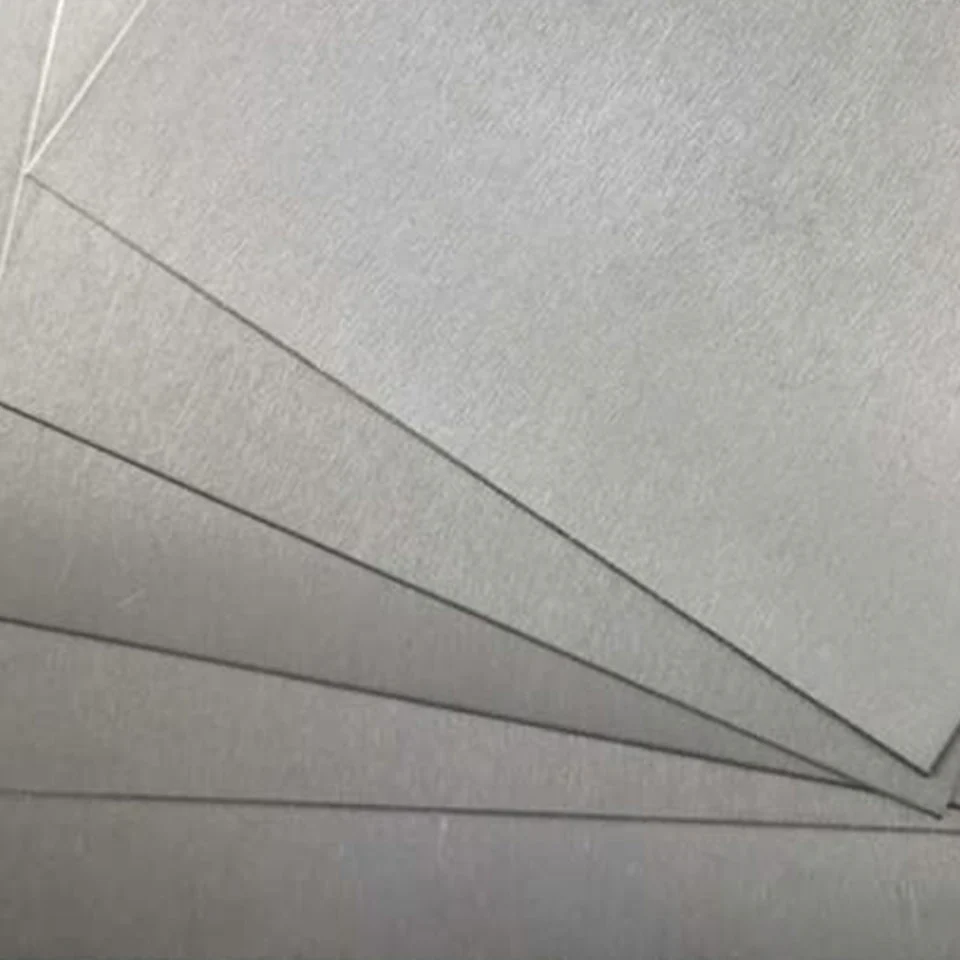
Nickel Swiss Machining is suitable for a wide range of nickel materials including Nickel (200, 201, 205, etc.), Monel (400, K-500, etc.), Inconel (600, 625, 718, etc.), and nickel-copper alloys. The suitability depends on the material's machinability. Here are the parts we can provide for Swiss Machining.
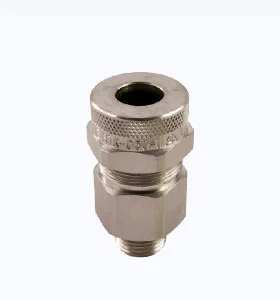
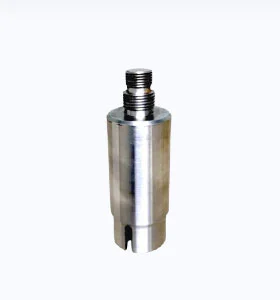
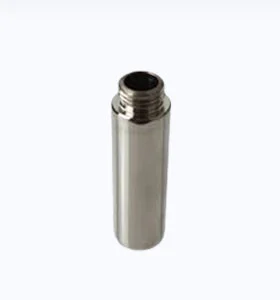
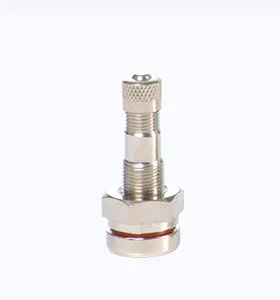
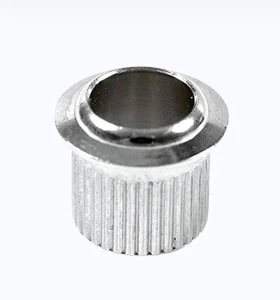
Swiss machining: ultra-precise, small-diameter complex parts machined from bar stock in a single setup - with micron-level tolerances and zero secondary operations.

CNC turning with live tooling combines both lathe and mill capabilities to machine parts with cylindrical features from metal rod stock.
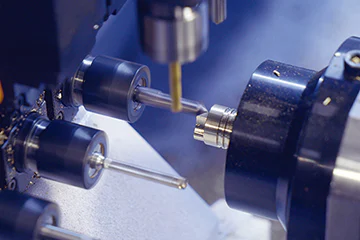
Swiss machining uses a sliding headstock and guide bushing, unlike standard lathes, to support material while the tool remains stationary.
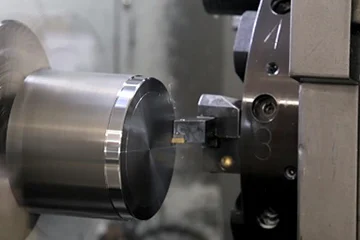
In CNC milling, the tool moves while the material is stationary. In CNC turning, the material spins while the tool moves.
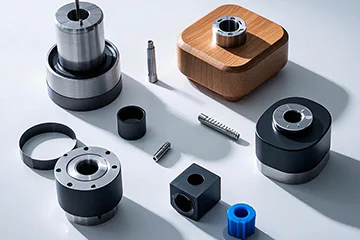
CNC machining can be applied to a wide variety of materials, including but not limited to metals, plastics, and composites.
MATERIAL SELECTION
Tell us the material grade, part geometry, quantity and finish requirements so we can review the machining route.