Nylon CNC Machining Service

Get instant quotes for custom CNC machined Nylon parts. High-precision prototyping and full production with remarkably quick turnaround times. ISO 9001:2015 certified job shop delivering tough, low-friction components with proven durability and in-house expertise.

Why Choose Nylon for Precision Machining Parts?

Nylon is a leading option for CNC machining, delivering exceptional wear resistance, high mechanical strength, and excellent fatigue endurance paired with low friction and good chemical resistance. It machines smoothly with low tool wear, producing precise geometries, tight tolerances down to ±0.001″ (25 μm), and consistent results even in medium-to-high volume runs—making it the go-to material for gears, bushings, bearings, sliding components, wear-resistant parts, and durable functional assemblies.

Types of Nylon

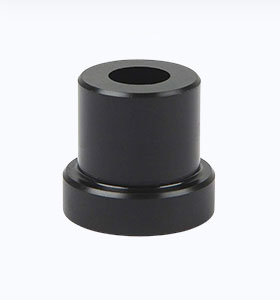
Custom Machined Nylon 6/6 Parts

CNC Pioneer specializes in fully custom parts made from Nylon 6/6. We machine components using common forms like Nylon 6/6 Sheet, Rod, Plate, Bar, and Tube.

Nylon 6/6 (Nylon 66 or PA66) is a strong, popular engineering plastic. It gives good toughness, excellent wear resistance, low friction, and solid strength at low cost. It machines easily for tight tolerances and smooth finishes.

Custom Machined Nylon (30% Glass-Filled) Parts

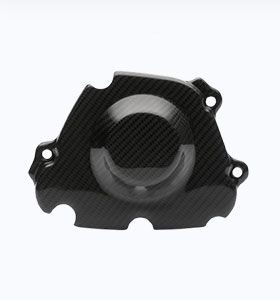
CNC Pioneer specializes in fully custom parts made from Nylon (30% Glass-Filled). We machine components using common forms like Glass-Filled Nylon Sheet, Rod, Plate, Bar, and Tube.

Nylon (30% Glass-Filled), or 30% GF Nylon/PA66, is a reinforced engineering plastic with 30% glass fibers for added strength. It provides much higher stiffness, strength, and stability than regular Nylon 6/6, plus excellent wear resistance and low friction. It machines well for precise parts and smooth finishes.

Available Parts for Nylon CNC Machining

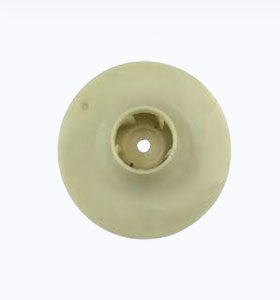
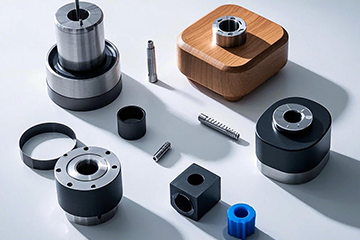
Nylon CNC machining is suitable for a wide range of nylon materials including standard Nylon 6, Nylon 66, glass-filled Nylon, Nylon 12, and specialty lubricated or impact-modified grades. The suitability depends on the material’s machinability. Here are the parts we can provide for CNC Machining.

Nylon CNC Services and Capabilities

Swiss Machining

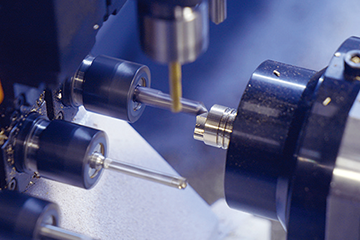
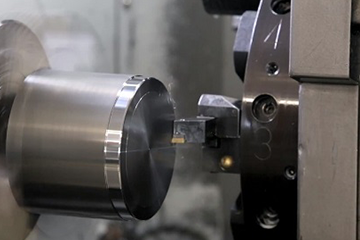
Swiss machining: ultra-precise, small-diameter complex parts machined from bar stock in a single setup – with micron-level tolerances and zero secondary operations.

CNC Turning and Milling

CNC turning and milling with live tooling combines both lathe and mill capabilities to machine parts with cylindrical features from metal rod stock.

FAQs

Yes, nylon (especially unfilled PA6 or PA66) is generally easy and forgiving to CNC machine compared to many metals or brittle plastics. It has low friction, good toughness, and machines to a smooth surface finish (often Ra 0.8–1.6 µm without extra effort). It produces continuous, stringy chips rather than dust, and sharp tools cut it cleanly.

However, it does have well-known challenges that catch people off guard:

  • Heat sensitivity — Low melting point (~220–260°C); excessive heat causes melting, gummy chips, stringy burrs, or tool clogging.
  • High toughness/elasticity — Leads to long stringy chips that wrap around tools, plus raised burrs or “fuzz” on edges.
  • Moisture absorption (hygroscopic) — Nylon absorbs humidity (PA6 up to ~3%, PA66 ~2–2.5%), causing slight swelling or dimensional changes post-machining.
  • Filled grades (e.g., glass-filled) — Much more abrasive → faster tool wear.

Best practices to avoid issues (standard among experienced shops):

  • Use sharp HSS or polished carbide tools with high positive rake angles (10–20°).
  • High spindle speeds + light cuts/feed rates to minimize heat (e.g., 500–1000 SFM / 150–300 m/min).
  • Compressed air or minimum quantity mist coolant (avoid heavy flood coolant unless it’s non-water-based, as water worsens moisture issues).
  • Sharp tools + proper chip evacuation prevent most burrs and melting.
  • For glass-filled nylon, switch to carbide or PCD tools.

With these adjustments, yield and finish are comparable to ABS or POM in professional shops.

Both PA6 and PA66 are widely machined, but PA66 (Nylon 6/6) is usually the go-to choice for most CNC projects.

Quick comparison of the two most common grades:


PropertyPA6 (Nylon 6)PA66 (Nylon 6/6)Best For
PriceLowerSlightly higher
Strength / StiffnessGoodHigherLoad-bearing parts → PA66
Heat resistanceModerate (~180–200°C HDT)Better (~220–250°C HDT)Higher temps → PA66
Moisture absorptionHigher (~2.5–3.0%)Lower (~1.5–2.5%)Tight tolerances → PA66
MachinabilityGood, but more stringy chipsCleaner chips, fewer burrsAppearance / production → PA66
Typical applicationsPrototypes, general partsGears, bearings, bushings, structural

Standard achievable tolerances (most shops’ typical quotes):

  • General parts: ±0.1 mm to ±0.05 mm
  • Tighter: ±0.025 mm to ±0.01 mm
  • Very tight (with extra care): ±0.005–0.01 mm possible, but often at higher cost and with strict conditions.

Dimensional stability is the #1 pain point — nylon is not as rock-stable as metals or low-absorbency plastics like Delrin/POM.

Main reasons parts “move” after machining:

  1. Moisture absorption — Parts can swell 0.5–2% linearly depending on grade, humidity, and time exposed.
  2. Internal stress relief — Especially in extruded or cast stock; roughing removes material → part relaxes and warps slightly.
  3. Thermal expansion during cutting — Thin walls or long features distort from localized heat.

How pros handle it:

  • Prefer PA66 over PA6 for lower absorption.
  • Pre-dry material (80–100°C for 4–12 hours) before machining.
  • Rough machine → stress-relieve/age → finish machine.
  • Control shop humidity; seal/package parts immediately after machining.
  • Advise clients to allow 0.1–0.3% extra stock or design with moisture in mind.
  • For ±0.01 mm or better → communicate early; may need special fixturing, environment control, or post-machining stabilization.

Bottom line: Nylon CNC routinely hits ±0.02–0.05 mm reliably. Sub-0.01 mm is doable but requires planning—don’t assume it behaves like metal or acetal without precautions.

If you have a specific part drawing, application (e.g., gears, bushings, prototypes), or tolerance callout, feel free to share more details for tailored advice on grade, design tweaks, or quoting tips!

CNC Machining Learning Center

What is Swiss Machining?

What is Swiss Machining?

Swiss machining uses a sliding headstock and guide bushing, unlike standard lathes, to support material while the tool remains stationary.

Questions?

Our experts are here for you!.