
Inconel 718 CNC Machining Service
Inconel 718 CNC machining is a specialized precision process for the high-performance nickel-chromium superalloy Inconel 718, widely used in aerospace engines, gas turbines, chemical processing, and nuclear applications due to its exceptional high-temperature strength, outstanding corrosion and oxidation resistance, and superior creep-rupture properties.
Why Choose Inconel 718 for Precision Machining Parts?
Inconel 718 is the premier age-hardenable nickel-chromium superalloy for precision CNC machining in extreme operating environments, delivering exceptional mechanical strength and toughness at temperatures up to 1300°F (704°C), outstanding resistance to oxidation, corrosion, and post-weld cracking, and superior longevity under high stress, cyclic loading, and sustained thermal exposure. Machining success requires specialized techniques to manage rapid work hardening and low thermal conductivity, enabling complex geometries, tight tolerances routinely held to ±0.0005″ (12.7 μm), and superior surface integrity essential for critical component performance.
- Exceptional retention of tensile, yield, and fatigue strength at elevated temperatures
- Outstanding defense against pitting, crevice corrosion, and chloride stress corrosion cracking
- Superior creep-rupture strength and resistance to thermal fatigue
- Excellent weldability and consistent properties after solution and precipitation heat treatment
- Consistent material properties post-machining and heat treatment
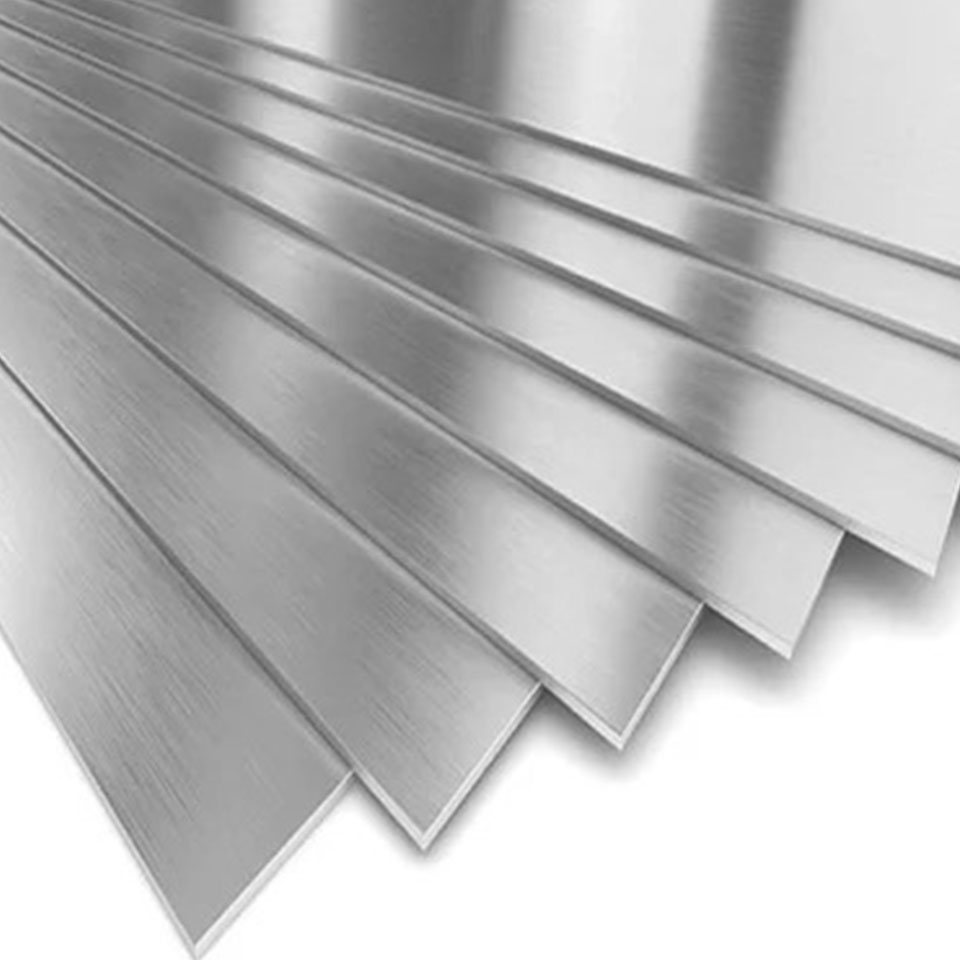
Available Parts for Inconel 718 CNC Machining
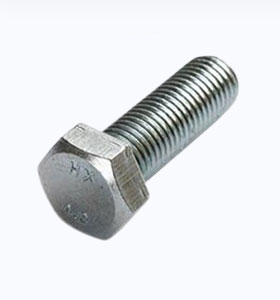
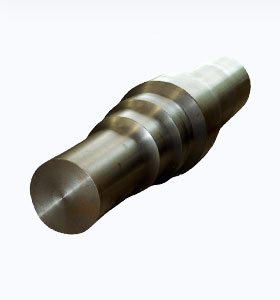
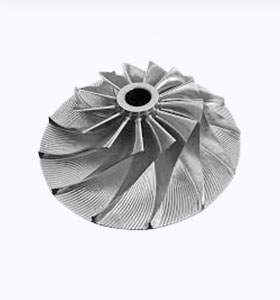
Inconel 718 CNC Machining specializes in the premier age-hardenable nickel-chromium superalloy Inconel 718 (UNS N07718), supplied in forms including bar stock, round bar, rod, plate, sheet, tube, pipe, forgings, and extrusions. Here are the precision parts we can provide through expert CNC machining.
Inconel 718 CNC Services and Capabilities
Swiss Machining
Swiss machining: ultra-precise, small-diameter complex parts machined from bar stock in a single setup – with micron-level tolerances and zero secondary operations.
CNC Turning and Milling
CNC turning with live tooling combines both lathe and mill capabilities to machine parts with cylindrical features from metal rod stock.
FAQ's
What is the machinability of inconel 718?
Inconel 718 has poor machinability, typically rated at around 12-16% on standard machinability indexes (where free-machining steels like AISI 1212 are rated at 100%). This makes it one of the more challenging nickel-based superalloys to machine, often classified as “difficult to moderate” in the heat-resistant superalloy (HRSA) category.
Key Reasons for Poor Machinability
- Rapid work hardening — The material quickly hardens under cutting stress, increasing forces and tool wear.
- Low thermal conductivity — Heat builds up at the tool tip, leading to high cutting temperatures and accelerated tool degradation.
- High strength and abrasive precipitates — Gamma double-prime (γ″) particles act like abrasives, causing rapid tool wear.
- Tendency for built-up edge (BUE) and welding — Material adheres to the tool, worsening surface finish and wear.
Practical Machining Guidelines
To achieve acceptable results, use specialized approaches:
- Tooling → Coated carbide, ceramic, or CBN inserts; positive rake geometries and sharp edges are essential.
- Cutting speeds → Low, typically 20-45 m/min (65-150 SFM) for turning/milling with carbide; higher (up to 250 SFM) possible with optimized grades but rare.
- Feeds and depths → Moderate to heavy feeds with lighter depths of cut; climb milling preferred to reduce work hardening.
- Coolant → High-pressure through-tool coolant or advanced methods (e.g., cryogenic, MQL) to manage heat.
- Material condition → Machine in the solution-annealed state (softer, ~30-35 HRC) before final age hardening for easier cutting.
With proper techniques, high-quality parts with tight tolerances (±0.0005″) and good surface finishes are achievable, but tool life is shorter and cycle times longer compared to easier materials. It’s widely machined in aerospace despite the challenges, thanks to its outstanding performance properties.
Can you grind Inconel 718?
Yes, Inconel 718 can be ground, and it is routinely ground in industry—particularly for finishing aerospace components like turbine blades, disks, and other high-precision parts where tight tolerances and superior surface integrity are required.
However, like its general machinability, Inconel 718 has poor grindability due to its high strength, rapid work hardening, low thermal conductivity, and abrasive precipitates. This leads to challenges such as:
- High grinding forces and temperatures
- Wheel wear
- Risk of surface burns
- Tensile residual stresses
- Subsurface damage
Key Challenges in Grinding Inconel 718
- Heat buildup — Low thermal conductivity causes most grinding heat to stay at the surface, risking burns, cracks, or microstructural changes.
- Wheel loading and wear — Material adhesion and abrasive particles (e.g., gamma double-prime phases) accelerate wheel degradation.
- Surface integrity issues — Conventional grinding can produce poor surface quality, tensile stresses, or microcracks if not optimized.
Practical Grinding Guidelines
Successful grinding is achievable with specialized approaches:
- Grinding wheels — Superabrasives like CBN (cubic boron nitride) are preferred for efficiency and longevity; alumina (WA) wheels often outperform SiC; diamond also works well in some cases.
- Methods — Creep-feed grinding (deep, slow passes) is common for high material removal rates; surface grinding, belt grinding, or robotic systems are used for complex shapes.
- Cooling/lubrication — Aggressive coolant delivery (high-pressure, flood, or MQL/minimum quantity lubrication) is essential; advanced options like internal cooling or eco-friendly fluids improve results.
- Parameters — Lower wheel speeds, moderate depths of cut, and optimized feeds; grinding in the solution-annealed condition (softer) before aging is recommended for easier processing.
- Achievable results — Surface finishes of Ra 0.2–1.6 μm, tight dimensional accuracy, and compressive residual stresses are possible with proper techniques.
Overall, while grinding Inconel 718 is more difficult and costly than easier materials, it is a standard and effective finishing process when done with expertise and the right setup.
Can you laser cut Inconel 718?
Yes, Inconel 718 can be laser cut, and it is a common non-contact process for this superalloy, particularly for sheet metal, thin strips, and complex geometries in aerospace and high-performance applications. Fiber lasers are especially effective due to better absorption by reflective nickel alloys, while CO2 lasers have also been widely studied and used.
Key Challenges in Laser Cutting Inconel 718
- High reflectivity and thermal properties — The alloy’s composition causes initial beam reflection (risking laser damage) and low thermal conductivity, leading to heat buildup.
- Cut quality issues — Potential for kerf taper, recast layers, dross adhesion, surface roughness, and heat-affected zones (HAZ) that may cause microstructural changes or cracking in age-hardened material.
- Oxidation and edge quality — Oxygen assist gas can cause oxidation; thicker materials are harder to cut cleanly.
Practical Laser Cutting Guidelines
Successful results are achieved with optimized setups:
- Laser types → Fiber or disk lasers preferred for efficiency and handling reflectivity; CO2 works but may require higher power.
- Assist gas → High-pressure nitrogen (or argon) for clean, oxide-free edges and minimal dross; avoids reactions and post-processing.
- Parameters → Adjusted laser power (e.g., 2.4–4.5 kW), cutting speed, focus position, and gas pressure to minimize taper, roughness, and recast; higher speeds reduce kerf width.
- Material condition → Often cut in solution-annealed state for better results; post-cut heat treatment may be needed.
- Achievable outcomes → Precise cuts with good surface finish (e.g., low roughness), narrow kerfs, and burr-free edges on sheets up to several mm thick, ideal for slots, contours, and profiles.
Overall, while more challenging than milder steels, laser cutting Inconel 718 is a proven, efficient method when parameters are properly tuned, offering advantages over traditional machining like reduced tool wear and ability to handle complex shapes.
Why is Inconel 718 difficult to machine?
Inconel 718 is notoriously difficult to machine, classified as a “difficult-to-cut” nickel-based superalloy with poor machinability—typically rated at 10-20% relative to free-machining steels. This results in high tool wear, elevated cutting forces, long cycle times, and risks to surface integrity.
Main Reasons for Its Machining Challenges
- Rapid work hardening (strain hardening): During cutting, the material quickly hardens at the shear zone due to plastic deformation, increasing cutting forces and accelerating tool wear. This requires aggressive, consistent cuts to avoid “riding” on hardened layers.
- Low thermal conductivity: Heat generated during machining dissipates poorly, concentrating at the tool tip and causing extremely high cutting temperatures (often >1000°C). This softens tools rapidly and promotes diffusion/crater wear.
- High strength and toughness at elevated temperatures: The alloy retains exceptional mechanical strength even when hot, leading to high cutting forces and resistance to deformation. Its age-hardenable nature (from γ′ and γ″ precipitates) further contributes to this.
- Abrasive precipitates and microstructure: Hard intermetallic phases (e.g., gamma double-prime Ni₃Nb and gamma prime Ni₃(Al,Ti)) act like embedded abrasives, rapidly wearing tool edges through abrasion.
- Tendency for adhesion and built-up edge (BUE): The material’s reactivity causes it to weld or adhere to the cutting tool, degrading surface finish and promoting notch wear or chipping.
These factors combine to make conventional machining slow and costly, but optimized techniques (e.g., coated carbide/ceramic tools, rigid setups, high-pressure coolant, and machining in the solution-annealed state) can mitigate issues and achieve high-quality results in aerospace and turbine applications.