Whether you’re an engineer specifying parts for military systems, a procurement professional sourcing suppliers, or a manufacturer handling defense contracts, CNC milling and turning for defense delivers the precision and durability required for components that operate in extreme conditions—high stress, corrosion, vibration, and temperature swings.
This guide provides clear, actionable information to help you understand these processes, evaluate options, and make better decisions for your projects. We’ll focus on real-world applications, materials, benefits, and steps to avoid common pitfalls.

How CNC Milling and Turning Work in Defense Manufacturing
CNC milling and turning for defense use computer-controlled machines to remove material precisely from a workpiece.
- Milling: A rotating tool cuts into a stationary block, excelling at flat surfaces, slots, pockets, and complex contours. Multi-axis (3- to 5-axis) versions handle angled features in one setup.
- Turning: The workpiece rotates while tools shape it, ideal for cylindrical parts like shafts, bolts, and barrels. Variants like bar turning support high-volume precision.
These processes produce parts with tolerances down to ±0.0001 inches, ensuring perfect fits in assemblies where reliability is critical.
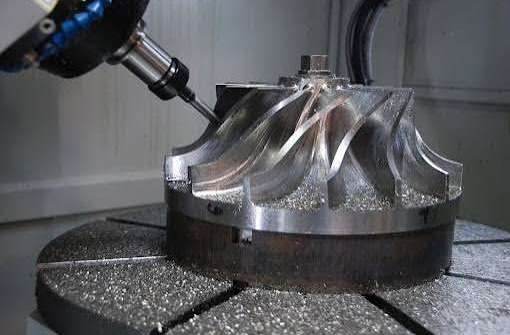
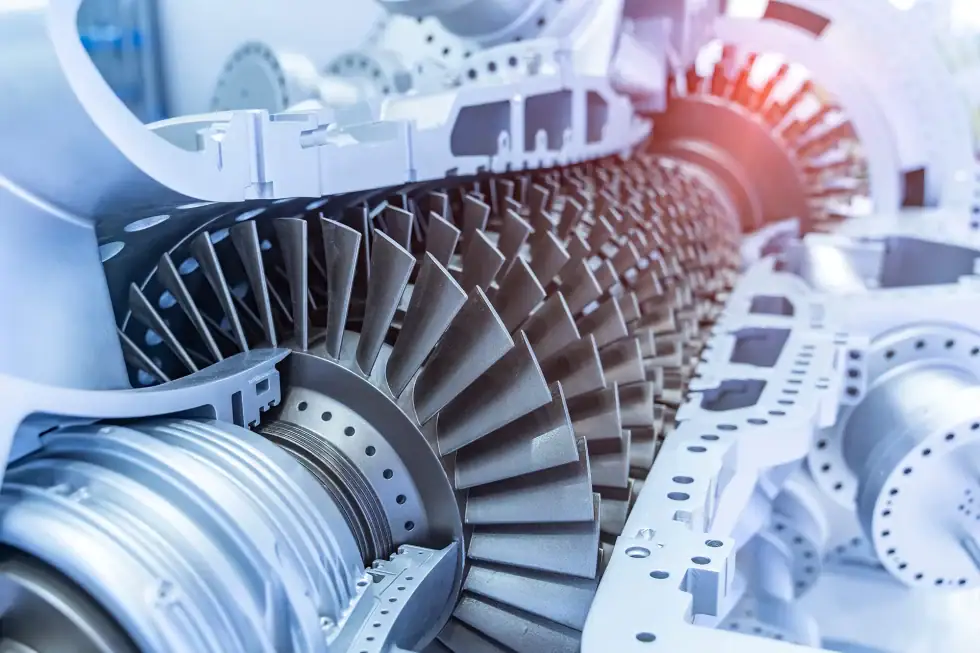
Practical example: 5-axis milling creates aerodynamic missile casings or turbine blades with internal cooling channels—impossible with manual methods.
Real-World Applications
CNC milling and turning for defense support key military systems:
- Firearms and Weapons — Milling for receivers and suppressors; turning for barrels and bolts.
- Aircraft and Drones — Milling for structural brackets and turbine components; turning for engine shafts.
- Ground Vehicles — Milling for turret rings; turning for suspension pins.
- Naval Systems — Turning for propeller shafts; milling for sonar housings.
- Missiles and Guidance — Milling for fins and casings; turning for precision connectors.
Insight from practice: In UAV production, turning creates lightweight shafts while milling adds complex mounting features—reducing weight and assembly time.
Materials That Perform Best
Choose materials based on your part’s environment and requirements:
| Material | Strengths | Application | Machining Considerations |
|---|---|---|---|
| Aluminum (6061/7075) | Lightweight, corrosion-resistant | Prototypes, drone frames | Fast and cost-effective |
| Stainless Steel (303/316) | Durable, non-corrosive | Firearms, marine fittings | 303 for easier turning |
| Titanium (Grade 5) | High strength-to-weight | Missile guidance, engine parts | Use coolant to reduce tool wear |
| Nickel Alloys (Inconel) | Heat-resistant | Turbines, exhaust components | Slower speeds for longevity |
Tip: For U.S. contracts, verify DFARS-compliant sourcing to avoid delays.
Key Advantages for Defense Projects
From hands-on experience in the industry:
- Reliability → Consistent tolerances prevent field failures.
- Efficiency → Fewer setups with multi-axis machines cut lead times by 30-50%.
- Cost Savings → Reduced material waste and rework on expensive alloys.
- Flexibility → Quick changes for prototypes or evolving threats.
- Compliance → Automated records support ITAR and AS9100 audits.
Common Challenges and Fixes
- Regulatory Compliance → ITAR/DFARS requirements. Fix: Partner with certified shops early.
- Tool Wear on Hard Materials → Titanium/Inconel. Fix: High-pressure coolant and carbide tools.
- Urgent Deadlines → DPAS-rated orders. Fix: Choose shops with flexible capacity.
- Design Issues → Sharp corners cause stress. Fix: Request free DFM review.
Step-by-Step: Starting Your Project
- Define Specs → Tolerances, material, volume, certifications.
- Select Supplier → Look for defense experience and AS9100/ITAR.
- Submit Designs → Get DFM feedback to optimize.
- Prototype → Test under simulated conditions.
- Produce → Require inspections and traceability.
- Deliver Securely → Use NDAs and controlled shipping.
This process typically reduces revisions and ensures on-time delivery.
Final Thoughts
CNC milling and turning for defense enables the creation of precise, durable components that support mission success—from firearm internals to advanced missile systems.
By prioritizing compliant partners, suitable materials, and early collaboration, you’ll achieve higher quality, faster timelines, and better value.
Working on a defense part? Share your challenges or specs below—happy to provide specific recommendations based on common projects.