
Swiss Machining Service
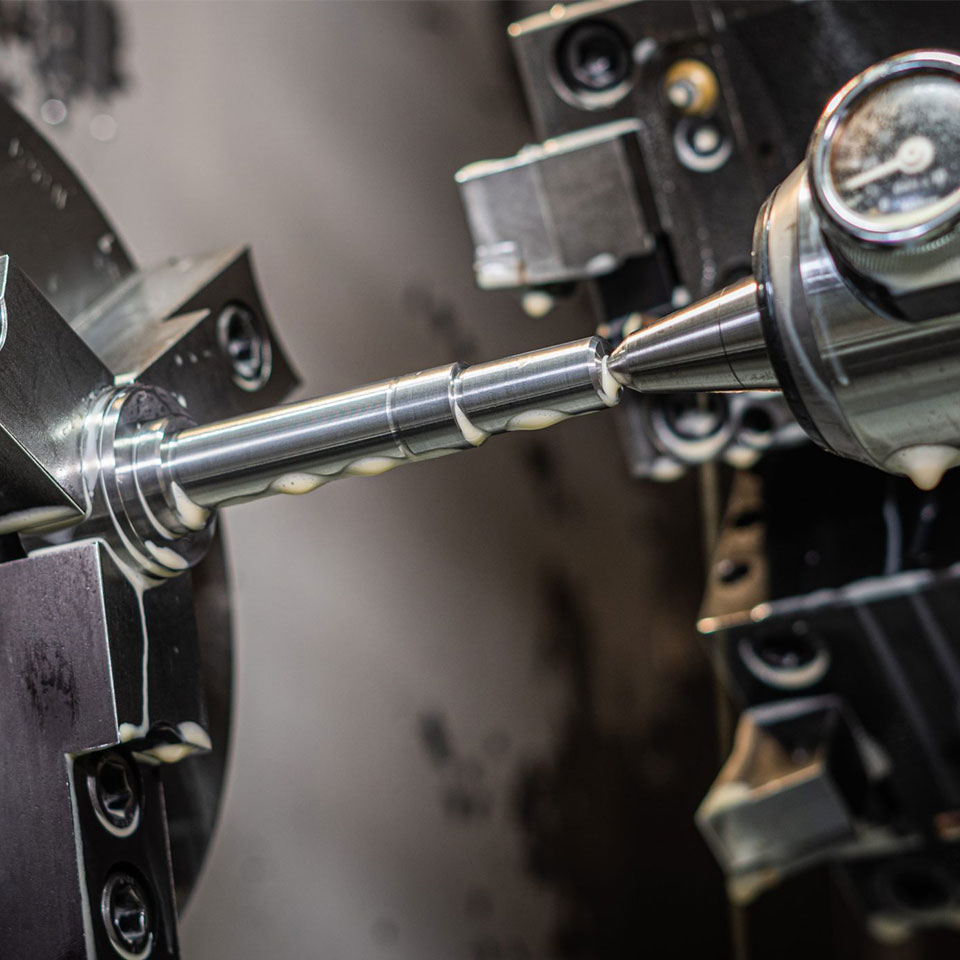
Our precision swiss machining services surpass standard CNC turning. The Swiss screw machine design enables ultra-tight tolerances by feeding bar stock through a guide bushing while stationary tools cut very close to the support point, delivering exceptional accuracy and finish for small, complex parts like surgical instruments, connectors, and aerospace components.
High-Precision Swiss Machining On-Demand
Swiss Screw Machining
Ultra-precise, small-diameter intricate components crafted from bar stock in one seamless operation – delivering micron-range accuracy and eliminating all follow-up processes
Swiss Micro Machining
Ultra-precise, micro-diameter complex parts machined from bar stock in a single setup – with sub-micron tolerances and zero secondary operations.
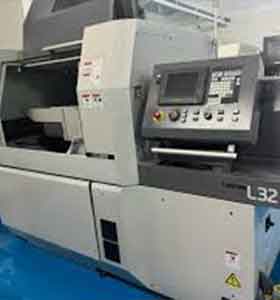
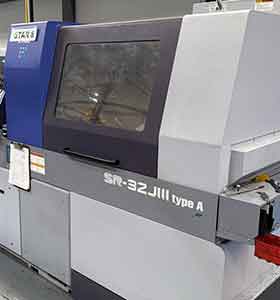
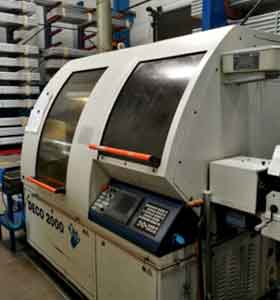
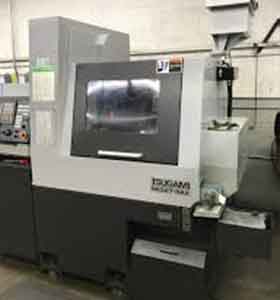
Our Swiss Machining Equipment
These machines ensure that we can efficiently handle high-precision production from small batches to large batches.
Advantages of Swiss Machining
Elevate your product precision and accelerate time-to-market with our Swiss machining service. Benefit from the expertise of Swiss-type specialists and manufacture ultra-accurate, complex micro-parts using our state-of-the-art sliding-headstock CNC technology.
- Ultra-High Precision
- Exceptional Accuracy & Repeatability
- Extremely Tight Tolerances (±0.0001″ / ±2.5μm routine)
- High Production Speed & Efficiency
- Superior Versatility for Complex Geometries
- Extended Tool Life & Machine Durability
- One-Setup Production of Intricate Components
High-Precision Swiss Machining Capabilities
| Tolerance Grade | Achievable Precision | Application Examples |
|---|---|---|
| General | ±0.1mm | Ordinary Parts |
| Precision | ±0.005mm | Connectors |
| Ultra-precision | ±0.002mm | Medical Implants |
We adjust the precision according to project requirements to optimize cost and performance.
Available Materials for Swiss Machining
Swiss machining is suitable for various materials such as metals (Brass, Stainless Steel, Aluminum, Titanium, Copper alloys, and exotic alloys, plastics, and special materials. The suitability depends on the material’s machinability, which considers properties like hardness, thermal stability, and chip formation behavior. Here are the materials we can provide for Swiss machining.
Available Parts for Swiss Machining
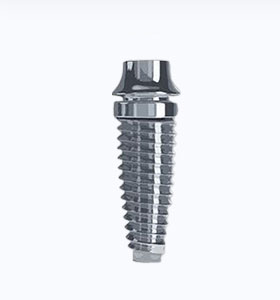
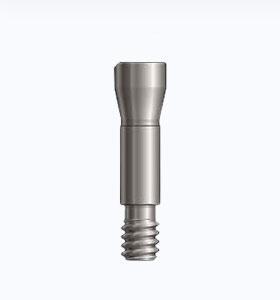
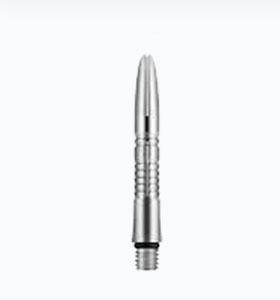
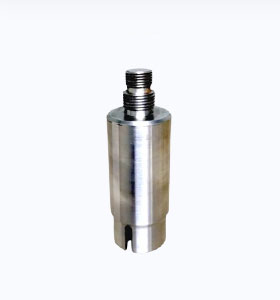
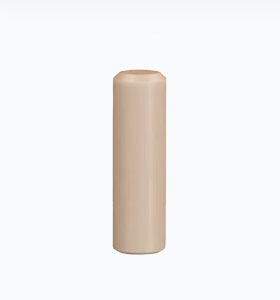
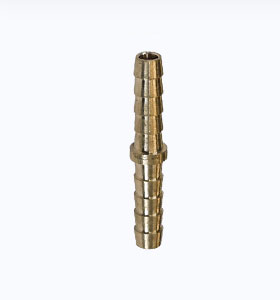
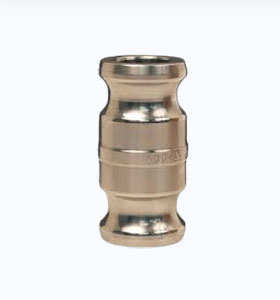
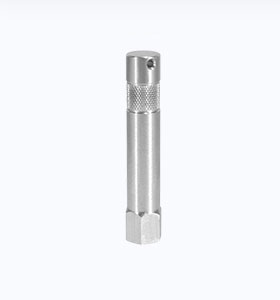
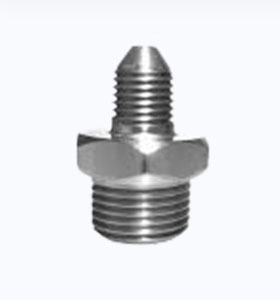
Swiss Machining is ideal for small, precise, complex components such as surgical instruments, bone screws, orthopedic implants, connectors, pins, shafts, fasteners, sensor housings, and micro motor parts. Key industries include medical,dental, aerospace, automotive, electronics, robotics,automation, defense, and watchmaking.

Industries We Serve with Swiss Machining
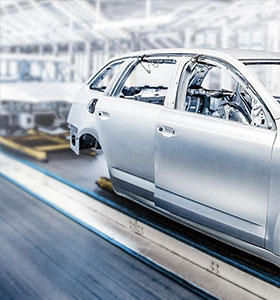
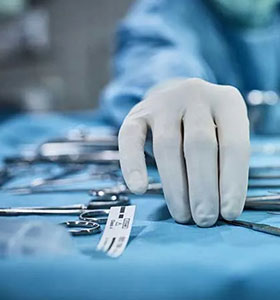
Swiss machining is trusted across the most demanding industries for producing ultra-precise, small-diameter, and complex components: medical & dental devices, aerospace & defense, automotive and electronics.





Why Choose CNCPioneer?
Specialized Swiss Team
Choose from decades of Swiss-only expertise, proprietary tooling strategies, and proven micro-machining techniques for your order.
State-of-the-Art Swiss Technology
Choose from the latest Star, Citizen, Tornos, and Tsugami Swiss-type lathes with live tooling, high-pressure coolant, and full automation for your order.
Tailored Swiss Solutions
Choose from fully customized processes, dedicated fixtures, optimized cycle times, and flexible production volumes for your order.
Certified Quality Assurance
Choose from ISO 9001:2015, ISO 13485, full traceability, CMM validation, material certifications, and first-article inspection for your order.
FAQs
What is Swiss machining, and how does it differ from standard CNC turning?
Swiss machining (also called Swiss-type or Swiss screw machining) uses a specialized CNC lathe with a guide bushing that supports the bar stock close to the cutting tools, minimizing deflection and vibration. This allows for ultra-high precision on small, slender, or complex parts in a single setup, unlike conventional CNC turning where longer stock exposure causes more deflection and often requires secondary operations.
What tolerances and part sizes are achievable with Swiss machining?
Tolerances routinely reach ±0.0001″ to ±0.001″ (or even tighter in controlled conditions), far superior for slender or small-diameter parts compared to standard methods. Typical part sizes focus on diameters from about 1mm to 32–38mm (up to ~1.25–1.5″), with lengths often up to several inches (or more with high L/D ratios), making it perfect for miniature to small precision components.
What are the typical part size ranges for Swiss machining?
Focused on small to medium parts: diameters from ~1mm to 32mm (up to 1–1.25″ max on many machines), lengths up to 8–12″ or more per chucking (e.g., long slender shafts up to φ32×950mm in some cases). Excels at high length-to-diameter ratios.
Is Swiss machining suitable for prototypes, small batches, or high-volume production?
Toggle Conten
Yes—all quantities work. It often excels with smaller runs, prototypes, or short lead times due to efficiency and automation, but also supports high-volume via bar feeders and lights-out operation for consistent, cost-effective medium-to-large batches.
t
What operations or capabilities are included in Swiss machining services?
Multi-axis (up to 7–8+ axes) turning, milling, drilling, boring, threading, slotting, knurling, grooving, tapping, C-axis indexing, live tooling, sub-spindles for simultaneous front/back operations, and more—all in one setup to minimize handling.
What factors affect lead times, costs, or quoting for Swiss machining?
Lead times vary (e.g., 1–10 days for small batches, faster for prototypes); costs benefit from small/medium runs and reduced secondary ops. Quotes typically require CAD drawings (2D/3D), material specs, surface treatments, quantity, and delivery needs. Certifications (ISO 9001, AS9100, etc.) and automated quoting are common.