Swiss Screw Machining Services

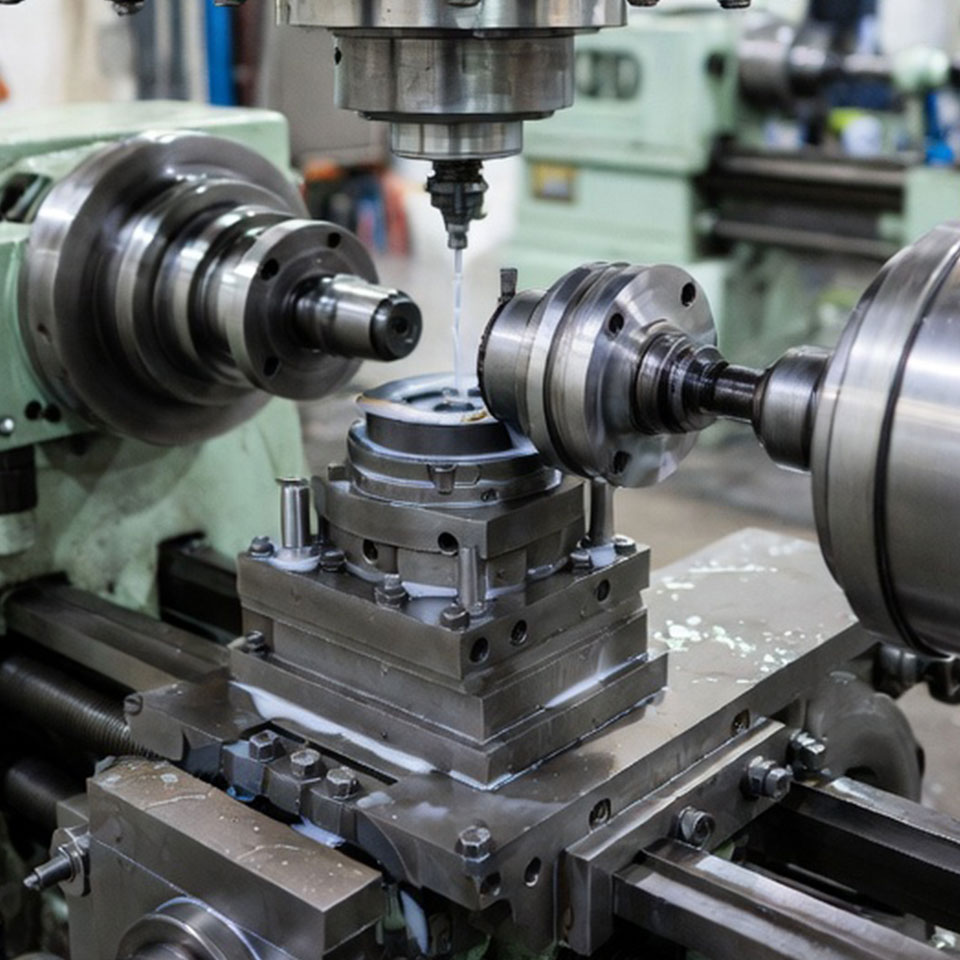
Swiss screw machining is a high-precision manufacturing process that removes small amounts of material using cutting or milling tools. Unlike conventional machining equipment, Swiss screw machines use a special guide bushing that supports the workpiece very close to the cutting tool. This short distance greatly reduces deflection and vibration, allowing the tool to cut with much higher accuracy and produce finer surface finishes.

Common Materials for Swiss Screw Machining

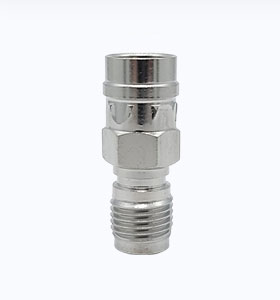
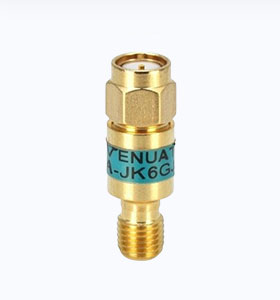
Swiss screw machining handle a wide range of materials, including metals like brass, stainless steel, aluminum, titanium, copper alloys, and various exotic alloys, as well as plastics and other special materials. We offer Swiss machining capabilities across all these materials to deliver high-precision, small-diameter parts with tight tolerances and excellent surface finishes, no matter your industry or application needs.

stainless steel
stainless steel
Aluminum
Brass
Brass
Bronze
Bronze
Copper
Titanium
Titanium

Available Parts for Swiss Screw Machining

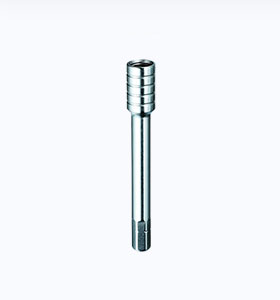
Swiss screw machining deliver unmatched precision for small, complex components such as surgical instruments, bone screws, orthopedic implants, connectors, pins, shafts, fasteners, sensor housings, and micro motor parts with 5 axis. 11 axis machining, Ideal for demanding applications in medical, dental, aerospace, automotive, electronics, robotics, automation, defense, and watchmaking industries.

Why choose swiss screw machining?

Achieve superior component accuracy and streamline your production timeline with our Swiss Screw Machining services. Harness the mastery of Swiss-type turning experts and fabricate intricately detailed, micro-scale parts using our cutting-edge sliding-headstock CNC lathes.

benefits of swiss screw machining

Industries We Serve with Swiss Screw Machining

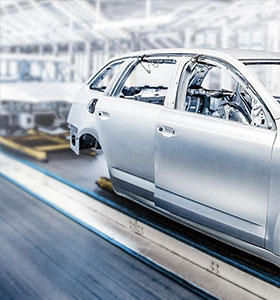
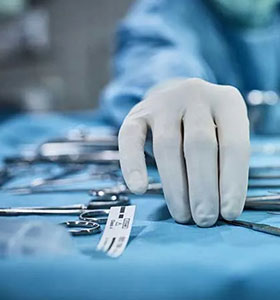
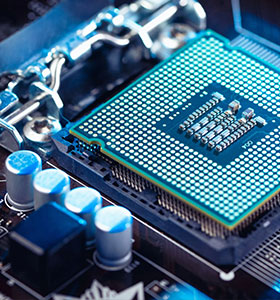
Swiss screw machining is trusted across the most demanding industries for producing ultra-precise, small-diameter, and complex components: medical & dental devices, aerospace & defense, automotive, electronics, robotics, and watchmaking.

Why Choose CNCPioneer?

Unmatched Precision & Advanced Capabilities

Specializing in high-precision Swiss screw machining and CNC turning/milling, we deliver ultra-tight tolerances (micron-level accuracy) for complex, small-diameter parts

State-of-the-Art Swiss Technology

Enjoy rapid 3-day delivery for prototypes and seamless scaling from 1 to 100,000+ parts. Our large-scale facility with 600+ CNC machines ensures efficient, high-volume production without compromising quality or lead times.

Extensive Material Expertise & Certifications

Work with over 60 materials—including titanium, PEEK, stainless steel, aluminum, brass, and plastics—backed by ISO 9001 and AS9100D certifications for mission-critical industries like healthcare, aviation, and defense.

Cost-Effective, Reliable Global Partner

As an experienced on-demand manufacturer with 15+ years in the industry and a massive 15,000+ ㎡ facility, worldwide shipping, and consistent quality to minimize your supply chain risks and accelerate time-to-market.

FAQs

This is one of the top challenges in Swiss screw machining, especially with ductile materials (e.g., stainless steel, titanium, aluminum alloys). Long “bird’s nest” chips tangle around tools, workpieces, or spindles, leading to poor surface finish, dimensional variation, tool jams, or frequent machine stops for clearing. Swiss setups use high speeds, oil coolant, and an enclosed environment, which worsens chip evacuation compared to conventional turning.

Inconsistent part sizes (especially on long, thin, or small-diameter features) are very common. Key causes include: worn or improperly adjusted guide bushing, inconsistent or crooked bar stock diameter/straightness, thermal expansion from heat buildup, insufficient material support, or loose collet. Even s

Rough or inconsistent finishes often result from vibration/chatter, dull or improperly selected tools, incorrect speeds/feeds, chip entanglement scratching the part, or guide bushing issues (e.g., too tight/loose clearance causing bar drag or marks). Heat and poor chip control in Swiss operations amplify these problems.

Questions?

Our experts are here for you!.