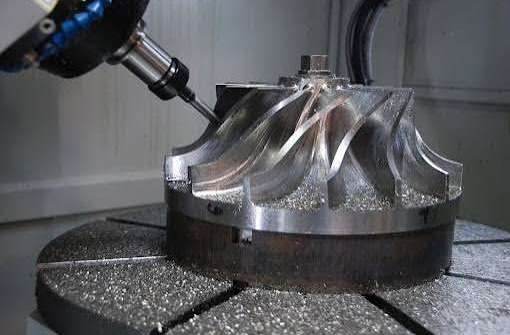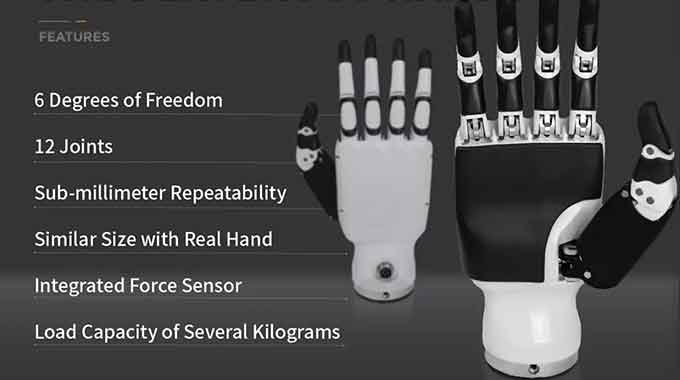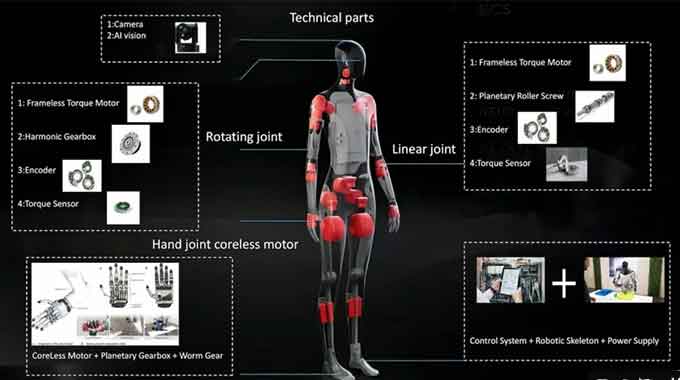
Precision CNC milling parts are among the most reliable ways to turn your complex designs into real, functional components — fast, accurate, and repeatable. Whether you’re a product designer iterating a prototype, an engineer developing a medical device, or a procurement manager sourcing aerospace brackets, this guide will help you understand exactly how precision CNC milling works, when to choose it, and how to get the best results.
In this article you’ll find clear explanations, practical comparisons, material tables, design tips that save time and money, real-world applications, and the answers to the most common questions designers ask.
What Are Precision CNC Milling Parts?
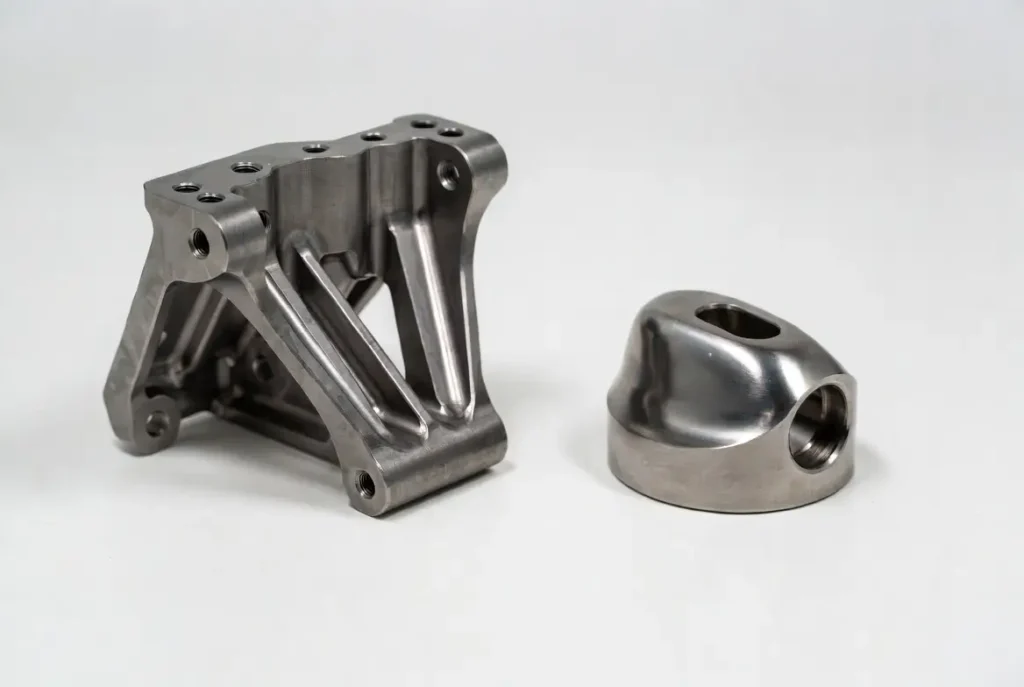
Precision CNC milling parts are components machined from solid blocks of material using computer-controlled multi-axis mills. The process removes material layer by layer with rotating cutters, delivering tolerances as tight as ±0.001 mm and surface finishes down to Ra 0.8 μm or better.
Unlike 3D printing, which builds up material, CNC milling starts with a solid block and carves away what you don’t need. This gives you stronger mechanical properties, better surface quality, and the ability to hold extremely tight tolerances across production runs.
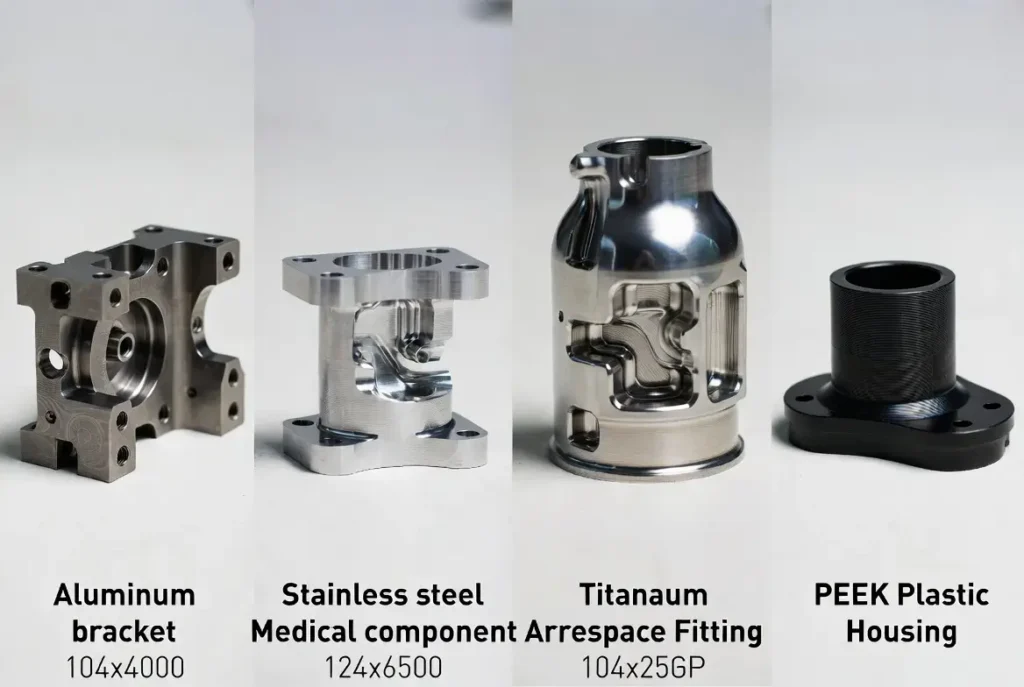
You’ll see these parts everywhere: lightweight aluminum brackets in drones, titanium implants in surgery, stainless-steel housings in automotive sensors, and high-performance heat sinks in electronics.
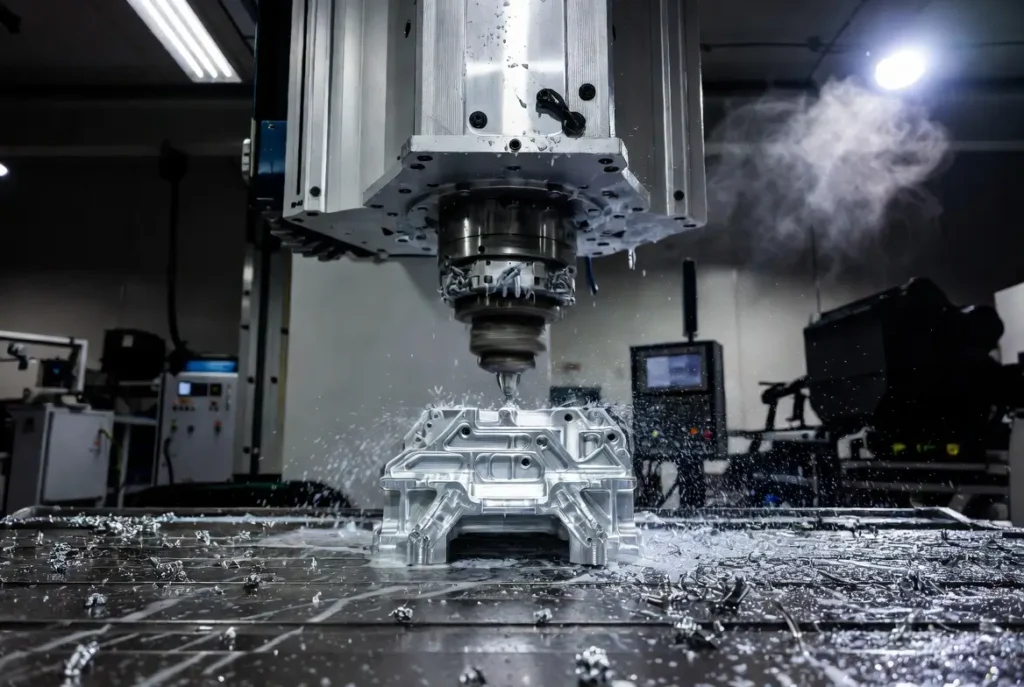
Advantages of Precision CNC Milling Parts
When speed, strength, and accuracy matter, precision CNC milling offers clear benefits you can count on:
- Unmatched repeatability — every part in a batch matches the first one
- Complex geometries in a single setup (especially with 5-axis machines)
- Excellent material versatility — metals, plastics, and composites
- Superior mechanical properties compared to most additive processes
- Fast turnaround from prototype to production quantities
- Minimal waste and clean, professional surface finishes
Many designers tell us that switching to precision CNC milling cut their prototype-to-production time in half while improving part performance.
How Precision CNC Milling Works
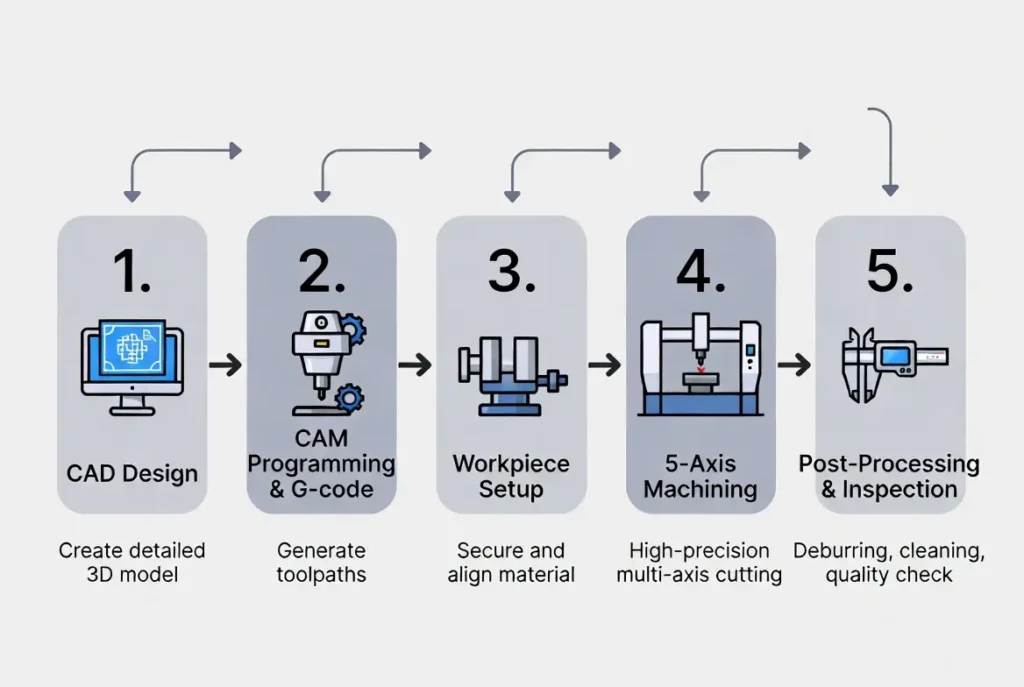
The process is straightforward and highly repeatable. Here’s exactly what happens:
- You send a 3D CAD model (SolidWorks, Fusion 360, etc.).
- CAM software converts it into toolpaths and G-code.
- The raw material block is fixtured on the machine bed.
- High-speed spindles and precision cutters remove material according to the program.
- Coolant keeps everything stable and chips are cleared.
- Parts are deburred, inspected, and finished (anodizing, plating, heat treatment, etc.).
stable,tire workflow is digital, so revisions are fast and human error is minimized.
Comparing 3-Axis, 4-Axis, and 5-Axis Milling
Choosing the right machine axis configuration makes a big difference in cost and capability. Here’s a quick comparison:
| Axis Configuration | Best For | Setup Efficiency | Typical Tolerances | Cost Level | Common Applications |
|---|---|---|---|---|---|
| 3-Axis | Flat or prismatic parts | Multiple setups | ±0.025 mm | Lowest | Brackets, plates, simple housings |
| 4-Axis | Parts with cylindrical features | Fewer setups | ±0.01 mm | Medium | Turbine blades, valve bodies |
| 5-Axis (simultaneous) | Complex contours & undercuts | Single setup | ±0.001 mm | Higher | Aerospace impellers, medical implants |
Materials Commonly Used in Precision CNC Milling
Material choice directly affects strength, weight, cost, and lead time. Here’s a practical overview:
| Material | Key Benefits | Typical Surface Finish | Common Industries | Relative Cost |
|---|---|---|---|---|
| Aluminum (6061, 7075) | Lightweight, easy to machine, corrosion-resistant | Ra 0.8 μm | Aerospace, electronics, drones | Low |
| Stainless Steel (17-4PH) | High strength, corrosion resistance, heat-treatable | Ra 0.8–1.6 μm | Medical, automotive | Medium |
| Titanium (Ti-6Al-4V) | Excellent strength-to-weight, biocompatible | Ra 0.8 μm | Aerospace, medical implants | High |
| PEEK & Engineering Plastics | Chemical resistance, electrical insulation | Ra 0.4–1.6 μm | Electronics, medical | Medium |
| Brass & Copper | High thermal & electrical conductivity | Ra 0.8 μm | Heat sinks, connectors | Low-Medium |
High Precision: Tolerances and Surface Finish
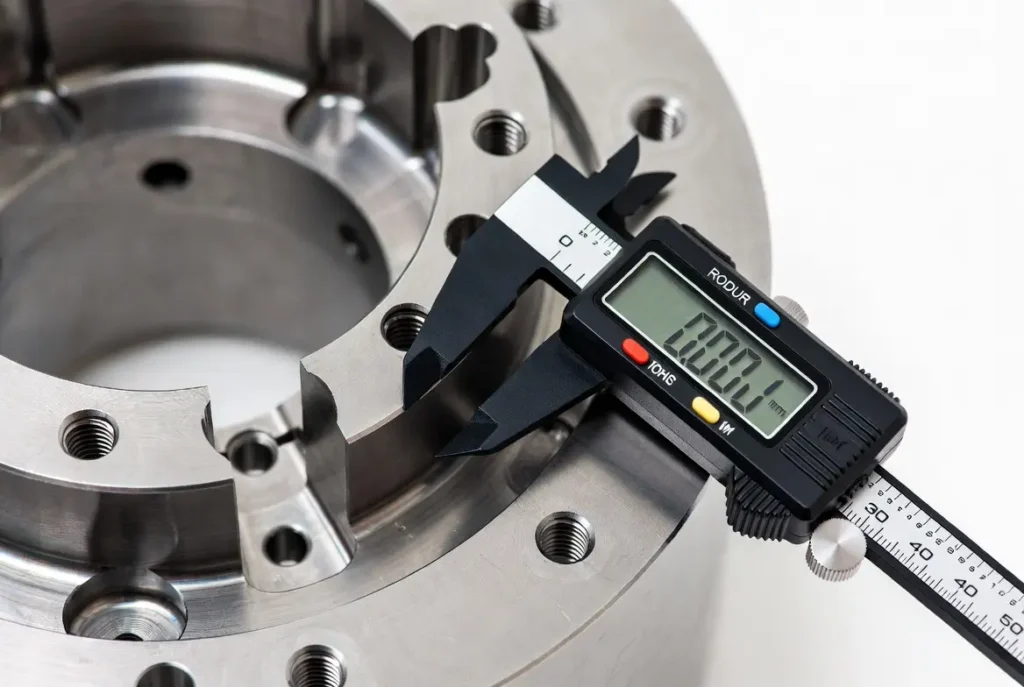
Precision CNC milling routinely delivers:
- Linear tolerances: ±0.001 mm on critical features
- Hole diameters: ±0.008 mm
- Flatness / perpendicularity: <0.01 mm
- Surface roughness: down to Ra 0.4 μm with finishing
These results follow international standards such as ISO 2768 (medium class) for linear and angular dimensions and ASME Y14.5 for geometric dimensioning and tolerancing [1][2]. Research from the National Institute of Standards and Technology (NIST) confirms that modern machines with thermal compensation and in-process probing maintain these tolerances even during long production runs [3].
Design for Manufacturability (DFM) Tips That Save You Money
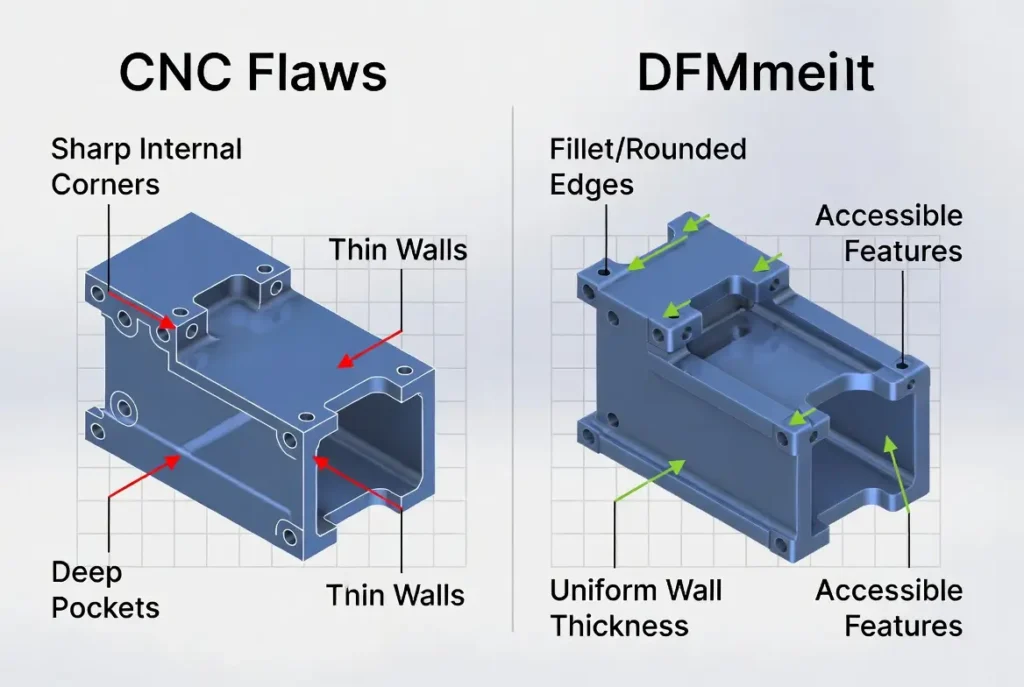
Good design can cut machining time by 25–40%. Follow these practical guidelines, which are supported by academic DFM research [4]:
- Keep wall thickness uniform (minimum 1 mm for aluminum, 1.5 mm for steel)
- Add fillets (minimum radius = tool diameter) to all internal corners
- Avoid deep, narrow pockets (depth-to-width ratio < 4:1)
- Use standard tool sizes for holes and features whenever possible
- Specify tight tolerances only where functionally required
- Design parts to fit standard raw material stock sizes
- Add self-locating features and snap-fits to simplify assembly
Apply these tips early and you’ll receive fewer DFM feedback comments — and lower prices.
Wide-Ranging Applications Across Industries
Precision CNC milling parts are trusted in the most demanding fields:
- Aerospace: lightweight structural brackets and engine components
- Medical: surgical instruments, implants, and distraction pins
- Automotive & EV: sensor housings, heat sinks, and custom prototypes
- Electronics & Drones: enclosures, connectors, and thermal management parts
- Industrial equipment: micro-components and high-wear fixtures
Cost Considerations and Ways to Reduce Expenses
The final price depends on material, complexity, tolerances, and quantity. Here are proven ways to keep costs down:
- Relax non-critical tolerances to the default ±0.05–0.13 mm
- Use 5-axis milling to eliminate multiple setups
- Choose aluminum whenever strength and weight allow
- Nest multiple parts on one stock block
- Order in small-to-medium batches instead of one-offs
Many customers report 30–50% savings simply by applying DFM feedback before finalizing the design.
Choosing the Right Process and Supplier
When deciding if precision CNC milling is right for your project, ask yourself:
- Do I need tight tolerances and strong mechanical properties?
- Is the geometry too complex for 3D printing?
- Will I need 10–10,000 parts with perfect repeatability?
If the answer is yes, CNC milling is usually the smartest choice. Look for suppliers with 5-axis capability, quick-turn quoting, and strong DFM support.
Future Trends in Precision CNC Milling
The technology continues to evolve with AI-optimized toolpaths, hybrid additive-CNC systems, and advanced micro-milling for electronics. Sustainability is also growing — recyclable coolants and energy-efficient machines are becoming standard, as highlighted in recent industry reviews from the Society of Manufacturing Engineers (SME) and the National Tooling and Machining Association (NTMA) [5][7].
Frequently Asked Questions
What tolerances can precision CNC milling parts achieve?
Precision CNC milling can hold linear tolerances as tight as ±0.001 mm, hole diameters to ±0.008 mm, and surface finishes down to Ra 0.4 μm with finishing. These capabilities are guided by international standards like ISO 2768 and ASME Y14.5 [1][2].
Which materials are best?
Aluminum is ideal for speed and low cost, titanium for outstanding strength-to-weight ratio, and stainless steel (such as 17-4PH) for medical durability and corrosion resistance.
How does 5-axis milling differ?
5-axis milling eliminates multiple setups by allowing the tool and workpiece to move simultaneously in five directions. It’s perfect for complex contours and undercuts that would otherwise require multiple re-fixturing steps.
What is the typical cost?
Cost varies by volume, complexity, and tolerance requirements. Applying good DFM principles early can reduce your total machining cost by 20–40%.
How to design for manufacturability?
Focus on uniform wall thickness, generous internal fillets, standard tool sizes, and relaxed tolerances on non-critical features. Keep depth-to-width ratios under 4:1 and design parts to fit standard stock sizes (see the full DFM section above for the complete checklist).
Summary
Precision CNC milling parts give you the perfect combination of speed, accuracy, and material performance that modern product development demands. By understanding the process, choosing the right materials, and applying simple DFM principles, you can bring high-quality components from concept to production faster and more cost-effectively than ever before.
Ready to get started? Upload your design today and see how precision CNC milling can accelerate your next project.
References
[1] International Organization for Standardization. ISO 2768-1:1989 — General tolerances for linear and angular dimensions. https://www.iso.org/standard/7748.html
[2] American Society of Mechanical Engineers. ASME Y14.5-2018 — Dimensioning and Tolerancing. https://www.asme.org/codes-standards/find-codes-standards/y14-5-dimensioning-tolerancing
[3] Soons, H.A. (1995). Precision in machining: research challenges. NISTIR 5628, National Institute of Standards and Technology. https://nvlpubs.nist.gov/nistpubs/Legacy/IR/nistir5628.pdf
[4]Lynn, R. et al. (2016). Toward Rapid Manufacturability Analysis Tools for Engineering Design Education. Procedia Manufacturing. https://doi.org/10.1016/j.promfg.2016.08.093
[5] National Tooling and Machining Association (NTMA). The Record Magazine (2025 issues on AI & CNC trends). https://ntma.org/resources/the_record/ (see also February 2025 issue: https://ntma.org/wp-content/uploads/2025/02/The-Record-Feburary-2025-compressed-compressed-compressed.pdf)
[6] Society of Manufacturing Engineers (SME). Industry reports and manufacturing trend analyses. https://www.sme.org/smemedia/white-papers-and-reports/