
CNC Machined
Pins
CNCPioneer manufactures precision dowel, shoulder, clevis, pivot, grooved, threaded, and custom pins for OEM assemblies. Swiss turning, mill-turn machining, grinding, heat treatment, and finishing support stainless steel, alloy steel, brass, aluminium, titanium, and more. Qualified features reach ±0.005mm; quotes arrive in 24 hours and DFM in 48.

What Are CNC
Machined Pins?
CNC machined pins are precision cylindrical parts for alignment, locating, pivoting, retention, fastening, spacing, and load transfer. They include dowel, shoulder, clevis, threaded, grooved, hinge, ejector, and multi-feature pins made to the assembly drawing.
Reliable pin performance depends on fit, geometry, material, hardness, finish, load, wear, and mating-hole condition. We review the complete pin-and-hole interface before choosing the process, treatment, inspection, and packaging plan.
-
Pin-and-hole DFM for fit, load, retention, and assembly We review diameter, hole tolerance, press or slip fit, retention, load, insertion, mating material, and service conditions before setting the process.
-
Swiss CNC, turning, mill-turn, and grinding for precision fits Swiss CNC supports small pins; lathes and mill-turn centres produce larger or complex features. Centreless or cylindrical grinding is used where the fit requires it.
-
Material, hardness, and finish matched to pin duty Stainless, alloy and tool steels, brass, bronze, aluminium, and titanium are matched to load, wear, corrosion, impact, temperature, and lubrication.
-
24-hour quotes from a China precision factory Send a drawing or STEP file with fit, load, material, treatment, and quantity. Pricing returns in 24 hours, with DFM feedback in 48.

Why CNCPioneer for
CNC Machined Pins?
Swiss CNC, mill-turn, grinding, fit and hardness DFM, treatment support, and critical-feature inspection give OEMs a dependable source for precision pins across automotive, aerospace, robotics, medical, tooling, and industrial programmes.
Diameter, Roundness, and Straightness Control
Fit depends on diameter, roundness, straightness, finish, burr control, and hole alignment. Turning, sizing, grinding, deburring, and measurement are selected for the required fit; qualified production can reach ±0.005mm diameter capability.
Swiss CNC and Turning for Small, Long, and Complex Pins
Guide-bushing Swiss CNC limits deflection in miniature and slender parts. CNC turning handles standard diameters, while mill-turn machining adds shoulders, grooves, cross-holes, flats, threads, and custom ends.
DFM for Dowel, Shoulder, Clevis, Pivot, and Retaining Pins
Each pin has distinct assembly and load needs. We verify the mating hole, load path, retention, access, and service condition, then control the dimensions that matter: chamfers, steps, cross-holes, finish, or groove geometry.
Material and Heat Treatment Matched to Duty
303/304 and 316L provide corrosion resistance; 4140/4340 and tool steels support load and wear; brass and bronze suit conductive or low-friction interfaces. We define treatment from the required hardness, core strength, case depth, corrosion, wear, and machining allowance.
Grinding, Plating, and Surface Protection
Grinding, polishing, passivation, black oxide, plating, nitriding, and dry-film coatings are planned around fit, hardness, thickness, corrosion exposure, finish, and masking. Critical diameters and retaining grooves are re-inspected after treatment when required.
China Supply with OEM Documentation
Available records include material, hardness, dimensional, finish, coating, compliance, and traceability documents, plus PPAP Level 3 or AS9102 FAIR where required. Choose tubes, trays, VCI bags, oil protection, and bar-coded labels to suit your assembly flow.
CNC Machined Pins
Product Portfolio
Dowel, shoulder, clevis, pivot, hinge, grooved, threaded, stepped, ejector, alignment, and fully custom pins for OEM production.
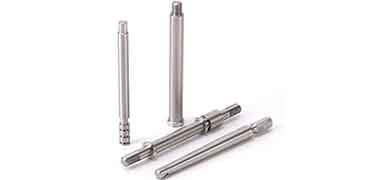
Precision Dowel and Alignment Pins
Precision locating pins for moulds, dies, fixtures, tooling, frames, and repeatable assembly. Diameter, roundness, straightness, chamfer, finish, and fit are controlled to suit the mating hole and service load.
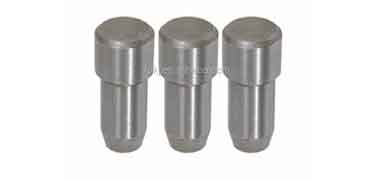
Shoulder, Step, and Spacer Pins
Controlled spacing, bearing support, stop surfaces, and multi-diameter interfaces. We machine shoulders, reliefs, chamfers, grooves, and threaded ends, then inspect concentricity, face perpendicularity, and bearing finish.
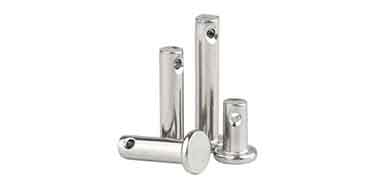
Clevis, Pivot, and Hinge Pins
For linkages, actuators, brackets, robotics, equipment, and mechanical joints. Cross-holes, heads, retaining grooves, cotter holes, flats, threads, and custom ends are engineered around load, wear, retention, lubrication, and corrosion.
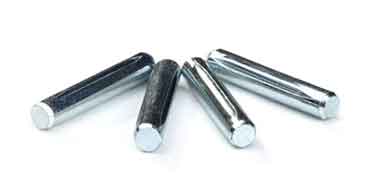
Grooved, Retaining, and Circlip Pins
Retaining-ring grooves, E-clip grooves, snap-ring seats, knurls, serrations, and undercuts for axial retention. Groove width, depth, radius, position, burr control, and pin diameter are matched to the selected clip, host hole, and load.
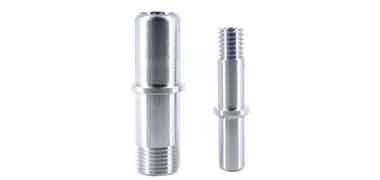
Threaded, Stud, and Ejector Pins
Threaded pins, studs, ejector pins, mould pins, and dowels for tooling and serviceable assemblies. Metric, UNC, UNF, BSP, NPT, and custom threads are reviewed for class, runout, hardness, coating, and mating fit.
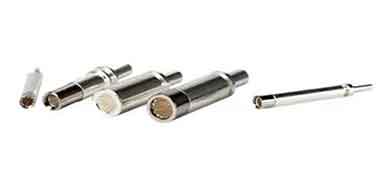
EV Charging Pins
Precision contact pins for EV charging connectors, engineered for reliable power delivery and communication between station and vehicle.
Industries & Applications
Precision pin programmes for OEMs that need repeatable fits, controlled movement, load capacity, wear resistance, corrosion protection, and traceability.

Automotive
IATF 16949 pins for linkages, hinges, actuators, sensors, battery modules, closures, and electronics. Programmes can include PPAP Level 3, Cpk studies, controlled fits, treatment records, bar-coded packaging, and scheduled delivery.
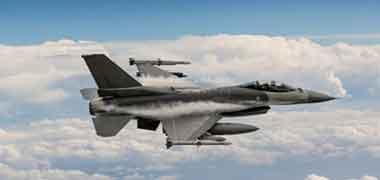
Aerospace
Precision pins for brackets, flight controls, instruments, actuators, fixtures, landing systems, UAVs, and defence equipment. 17-4 PH, 15-5 PH, 15-7 PH, alloy steel, tool steel, titanium, and approved grades are available with FAIR, material, hardness, dimensional, and traceability records.

Oil & Gas
Custom pins for demanding oil and gas service. Fit, hardness, straightness, wear, finish, head or shoulder geometry, and replacement needs guide the process, with grinding, nitriding, hardening, polishing, and protective packaging available.

Robotics
Pivot, hinge, shoulder, spacer, and alignment pins for robot joints, servo systems, grippers, conveyors, and fixtures. One route can combine precision diameters, grooves, cross-holes, and low-friction finishes around load, movement, bearing fit, and cycle life.
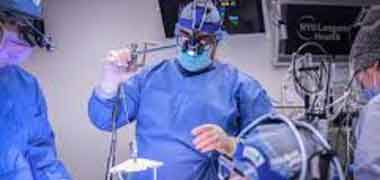
Medical
Miniature pins for diagnostic equipment, instruments, laboratory automation, optics, compact mechanisms, and medical housings. Clean surfaces, passivation, burr-free edges, fit control, laser marking, cleaning, packaging, and documentation are available.

Semiconductor
Custom pins for semiconductor equipment, with large diameters, retention grooves, cross-holes, hardened surfaces, corrosion-resistant coatings, maintenance kits, and traceable spare-parts packaging.
Materials
Materials for CNC
Machined Pins
Stainless, alloy and tool steel, aluminium, brass, bronze, titanium, and approved customer materials selected for load, wear, hardness, corrosion, weight, temperature, fit, and volume.
303 / 304 / 316L Stainless Steel
303 machines efficiently, 304 offers broad corrosion resistance, and 316L suits marine, chemical, medical, food, and cleanable applications. Turned or ground diameters, passivation, polishing, marking, and material records are available.
17-4 PH / 15-5 PH Stainless Steel
For higher strength, hardness, wear resistance, and stability than austenitic stainless. Treatment condition, machining sequence, allowance, distortion, grinding, and final fit are planned for aerospace, actuators, industrial, and high-load uses.
4140 / 4340 Alloy Steel
For heavy-duty pins, shafts, hydraulic, and construction components. Specify hardness or treatment with black oxide, zinc, phosphate, nitriding, plating, or other protection; core strength, surface hardness, grinding, and corrosion needs are reviewed.
Tool Steel and Hardened Steel
For mould, ejector, and guide pins, dies, wear surfaces, and high-cycle mechanisms. Hardness, grind allowance, straightness, finish, treatment, coating, and replacement needs are defined for demanding fits and wear.
Aluminium and Titanium
Aluminium suits lightweight pins, spacers, optics, robotics, electronics, and aerospace; titanium adds high strength-to-weight ratio and corrosion resistance. Fit, galling, hardness, treatment, features, and material records are reviewed before production.
Brass, Bronze, and Copper Alloys
For conductive pins, contacts, low-friction pivots, valve components, and mating interfaces where galling or corrosion differs from steel. Conductivity, wear, hardness, finish, plating, lubrication, and mating material are reviewed before quote.
Surface Treatments for
CNC Machined Pins
Treatments are selected for wear, corrosion, friction, fit, lubrication, appearance, and assembly. We define allowance, masking, edge condition, and post-treatment inspection before production.
Passivation for Stainless Steel Pins
Nitric or citric passivation improves corrosion resistance for 303, 304, 316L, and precipitation-hardening stainless. Masking, thread or hole fit, cleaning, drying, and certificates are reviewed, with post-treatment inspection where required.
Black Oxide for Alloy and Tool Steel Pins
Black oxide gives ferrous pins a consistent appearance, mild corrosion protection, and oil retention. Dimensional change, oil treatment, masking, hardness, finish, and packaging are reviewed for tooling, pivots, shafts, fixtures, and retaining parts.
Zinc, Electroless Nickel, and Plated Protection
Zinc, electroless nickel, and other plated finishes improve corrosion resistance, hardness, appearance, or chemical resistance. We review thickness, fit allowance, masking, hydrogen risk, feature dimensions, and post-treatment inspection.
Centreless Grinding and Polishing for Precision Fits
Centreless or cylindrical grinding tightens diameter, roundness, straightness, and finish beyond turning. Grinding allowance, treatment, chamfer protection, groove position, hardness, and final fit are controlled; polishing can reduce friction in bearing and pivot applications.
Nitriding, Hardening, and Wear Surface Control
Nitriding, carburising, hardening, and tempering improve wear and load capacity in alloy and tool steel. Core strength, case depth, hardness, distortion, sequence, grinding allowance, and final diameter are defined for high-cycle and heavy-duty parts.
Laser Marking, Cleaning, Oil, and Protective Packaging
Part numbers, lot codes, orientation marks, clean surfaces, rust-preventive oil, VCI bags, tubes, and compartment packaging are available. Marking, protection, corrosion risk, contact surfaces, and labels are reviewed for assembly-ready delivery.
DFM covers passivation, black oxide, zinc, electroless nickel, grinding, polishing, nitriding, hardening, deburring, marking, protection, inspection, cleaning, and packaging.
IATF 16949 & AS9100D Quality System for
CNC Machined Pins
Our quality system controls four production risks: material and hardness identity, diameter and fit stability, treatment change, and documentation traceability for prototypes through repeat production.
Material, Hardness, and Fit DFM Before Machining
Incoming materials are checked against certificates and can receive grade verification. DFM confirms pin type, diameter, fit, hole tolerance, load, retention, hardness, treatment, geometry, material, and inspection plan before machining.
- Material and certificate review for every pin grade
- Fit, load, retention, hardness, and assembly method confirmed in DFM
- Treatment, allowance, finish, geometry, and gauge plan documented
Swiss CNC, CNC Turning, Mill-Turn, and Grinding Control
Swiss CNC, lathes, mill-turn centres, and grinding are selected for diameter, length, material, features, quantity, and fit. Small pins receive close support to limit deflection; complex features use controlled datums. Targets can include ±0.005mm diameter, straightness, roundness, and concentricity.
- Guide-bushing support for miniature, long, and slender pins
- Turning and mill-turn for shoulders, grooves, holes, threads, and custom ends
- Grinding for tighter diameter, roundness, straightness, and finish
100% Critical Pin Feature and Post-Treatment Inspection
Pins are inspected to the drawing for diameter, length, form, shoulders, grooves, holes, threads, finish, and hardness. Treated pins receive post-treatment checks when fit or performance can change; burrs, edges, coating condition, and retaining features are checked before shipment.
- 100% inspection of specified critical features
- Post-treatment diameter and surface checks where specified
- Form, hardness, groove, hole, thread, chamfer, and burr checks
Documentation — Dimensional Report, Hardness Cert, PPAP, FAIR, and Traceability
Available records include dimensional, material, hardness, treatment, finish, coating, thread-gauge, compliance, and conformance documents, plus PPAP Level 3 and AS9102 FAIR where required. Lot traceability links material, machining, treatment, inspection, and packaging.
- Dimensional, form, hardness, treatment, and conformance records
- PPAP Level 3 for automotive, EV, tooling, and volume programmes
- AS9102 FAIR for aerospace and precision-equipment programmes
CNC Machined Pins FAQ
Key answers on drawings, pin-and-hole fit, material and treatment choices, lead times, and production quotes.
Send a 2D drawing or STEP file with material, treatment, diameter, length, fit, mating-hole tolerance, key features, finish, quantity, and packaging notes. Without a drawing, we can review the hole, load, retention, movement, environment, and annual usage.
Fit depends on whether the pin locates, presses in, slides, pivots, rotates, or must be removed for service. Press fits need interference and chamfers; running fits need clearance for load, speed, lubrication, temperature, and finish. DFM reviews diameter, form, hole tolerance, material, hardness, and assembly force.
Grinding is used when turning cannot achieve the required diameter, roundness, straightness, or finish. Heat treatment adds resistance to shear, bending, impact, indentation, or wear. We set the sequence around material, hardness, core strength, case depth, distortion, allowance, coating, and final fit.
Simple turned pins typically take 3–6 business days after drawing confirmation and material availability. Ground, treated, plated, cross-drilled, threaded, or documentation-heavy parts commonly take 6–12 days. Volume timing depends on material, cycle time, treatment, grinding, inspection, packaging, and quantity. Quotes return in 24 hours; DFM in 48.
Request a CNC Machined Pins Quote
Upload a drawing or CAD model with the mating-hole specification, fit, material, treatment, finish, quantity, or annual usage. Receive a quote within 24 hours and CNC pin DFM feedback within 48.