
Kovar CNC Machining Services
Kovar is a controlled-expansion alloy widely used in electronics packaging, hermetic seals, and aerospace applications due to its excellent machinability, low coefficient of thermal expansion matching glass and ceramics, and superior dimensional stability.
Why Choose Kovar for Precision Machining Parts?
Kovar is a premier choice for precision CNC Machining in applications requiring glass-to-metal seals and thermal stability, combining a controlled low coefficient of thermal expansion that closely matches borosilicate glass and ceramics, reliable machinability, and exceptional long-term dimensional stability with outstanding hermetic sealing performance and high reliability. It machines predictably with carbide tooling, proper speeds, feeds, and coolant, delivering precise geometries, tight tolerances down to ±0.0005″ (12.7 μm) or better with finishing operations, and smooth surfaces—making it the preferred material.
- Precisely controlled thermal expansion matching glass and ceramics
- Reliable machinability for complex and intricate features
- Minimal distortion across wide temperature ranges
- Excellent surface finish and high-precision tolerance capability
- Superior hermetic sealing and vacuum integrity
- Ideal for lightweight, high-performance applications
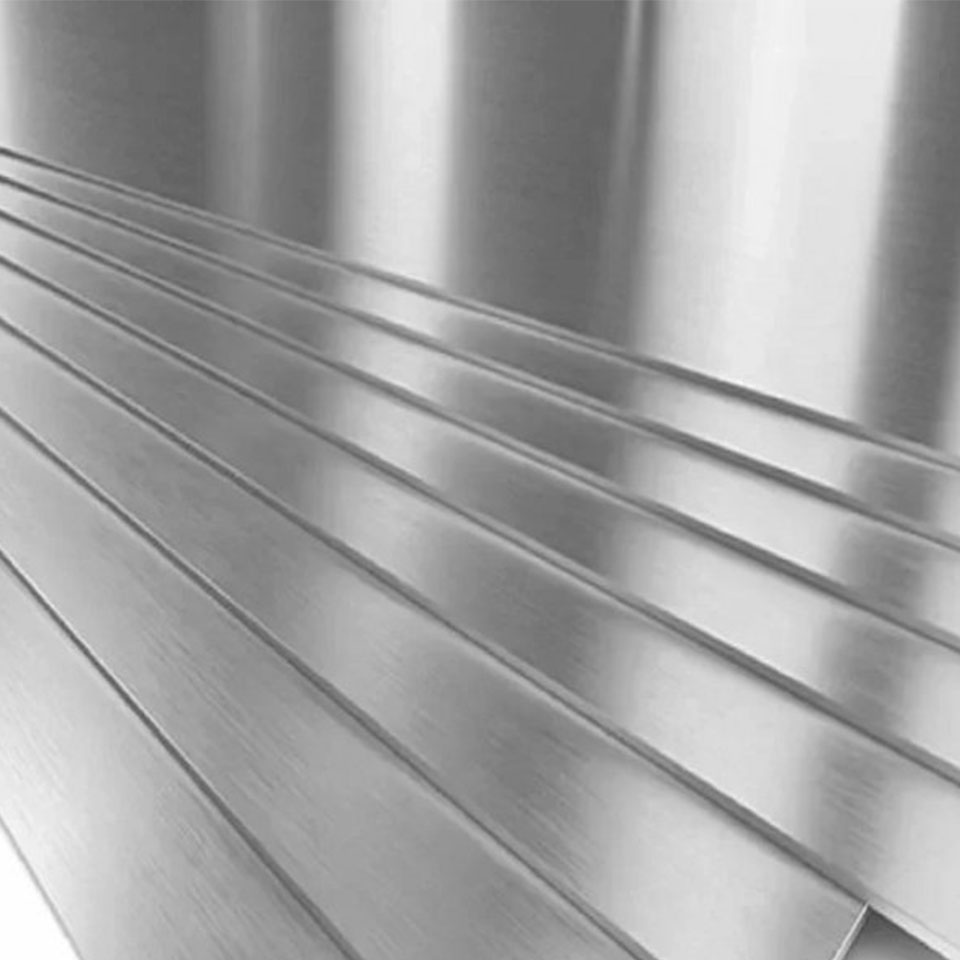
Available Parts for Kovar CNC Machining
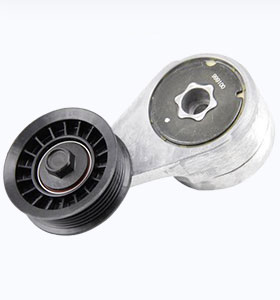
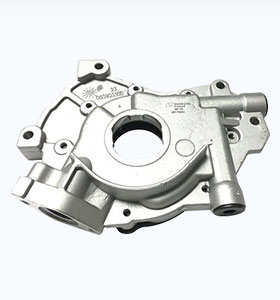
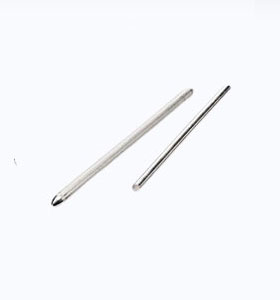
Kovar CNC Maching is suitable for Kovar alloy (ASTM F15, UNS K94610), including annealed Kovar in forms such as bar stock, rod, sheet, plate, tube, and forgings. The suitability depends on the material’s condition and form, with annealed material providing the best machinability for achieving precise geometries and tight tolerances. Here are the parts we can provide for CNC Machining.
Kovar CNC Services and Capabilities
Swiss Machining
Swiss machining: ultra-precise, small-diameter complex parts machined from bar stock in a single setup – with micron-level tolerances and zero secondary operations.
CNC Turning and Milling
CNC turning with live tooling combines both lathe and mill capabilities to machine parts with cylindrical features from metal rod stock.
FAQ's
What is Kovar alloy?
Kovar primarily includes the standard Kovar alloy (ASTM F15, UNS K94610), a specialized controlled-expansion material composed of approximately 29% nickel, 17% cobalt, and the balance iron with trace elements.
With a density of 8.36 g/cm³ and a melting point of 1455°C, it offers a precisely controlled low coefficient of thermal expansion (4.5–5.5 × 10⁻⁶/°C) that closely matches borosilicate glass and ceramics, excellent machinability in the annealed condition, superior dimensional stability, weldability, and the ability to be plated (typically with nickel or gold) for enhanced corrosion resistance and hermetic performance.
Unlike aluminum, which has multiple series and grades, Kovar is a single-purpose alloy optimized for thermal matching, making it the material of choice for high-reliability applications such as hermetic glass-to-metal seals, electronic packaging, microwave and vacuum tubes, semiconductor housings, optoelectronic devices, and aerospace components.
What is Koval Precision Machining Technology
Kovar Precision Machining Technology refers to the specialized application of advanced CNC (Computer Numerical Control) processes—such as turning, milling, drilling, grinding, and EDM—to fabricate high-precision components from Kovar alloy (ASTM F15, UNS K94610).
This iron-nickel-cobalt alloy is engineered for its low coefficient of thermal expansion (approximately 4.5–5.5 × 10⁻⁶/°C), which closely matches borosilicate glass and ceramics, making it ideal for creating reliable hermetic glass-to-metal or ceramic-to-metal seals.
kovar machining properties
Key Mechanical Properties Relevant to Machining
- Hardness: Typically 150–200 HB in annealed state (softer for better machinability); can increase significantly due to work hardening.
- Tensile Strength: ~500–600 MPa (annealed).
- Ductility: High elongation (30–40%), contributing to gummy behavior and stringy chip formation.
- Thermal Conductivity: Low (~17 W/m·K), causing heat to concentrate at the cutting edge.
- Work Hardening: Rapid surface hardening under cutting stresses, increasing tool wear and forces.