
Nylon 66 CNC Machining Service
Nylon 66 is a semi-crystalline polyamide thermoplastic widely used in automotive components, industrial machinery, textiles, electrical connectors, and consumer goods due to its high tensile strength, excellent abrasion and wear resistance, superior toughness and impact resistance, good chemical resistance, and elevated heat deflection temperature.
Why Choose Nylon 66 for Precision Machining Parts?
Nylon 66 is a premier choice for precision CNC machining in applications requiring high strength, wear resistance, and impact toughness combined with lightweight performance, offering an outstanding balance of mechanical properties, excellent abrasion and friction characteristics, good chemical resistance, reliable machinability, and cost-effective production. It machines predictably with high-speed steel or carbide tooling using appropriate speeds, feeds, and coolant (often dry or with air/mist for best results), delivering precise geometries, tight tolerances down to ±0.001″ (25 μm) or better with secondary operations, and smooth surface finishes—making it a preferred engineering thermoplastic for functional parts.
- High tensile strength and excellent impact resistance
- Superior abrasion and wear resistance for long service life
- Low coefficient of friction and self-lubricating properties
- Good chemical resistance to oils, greases, and many solvents
- Outstanding toughness and fatigue resistance under repeated loading
- Lightweight with favorable strength-to-weight ratio
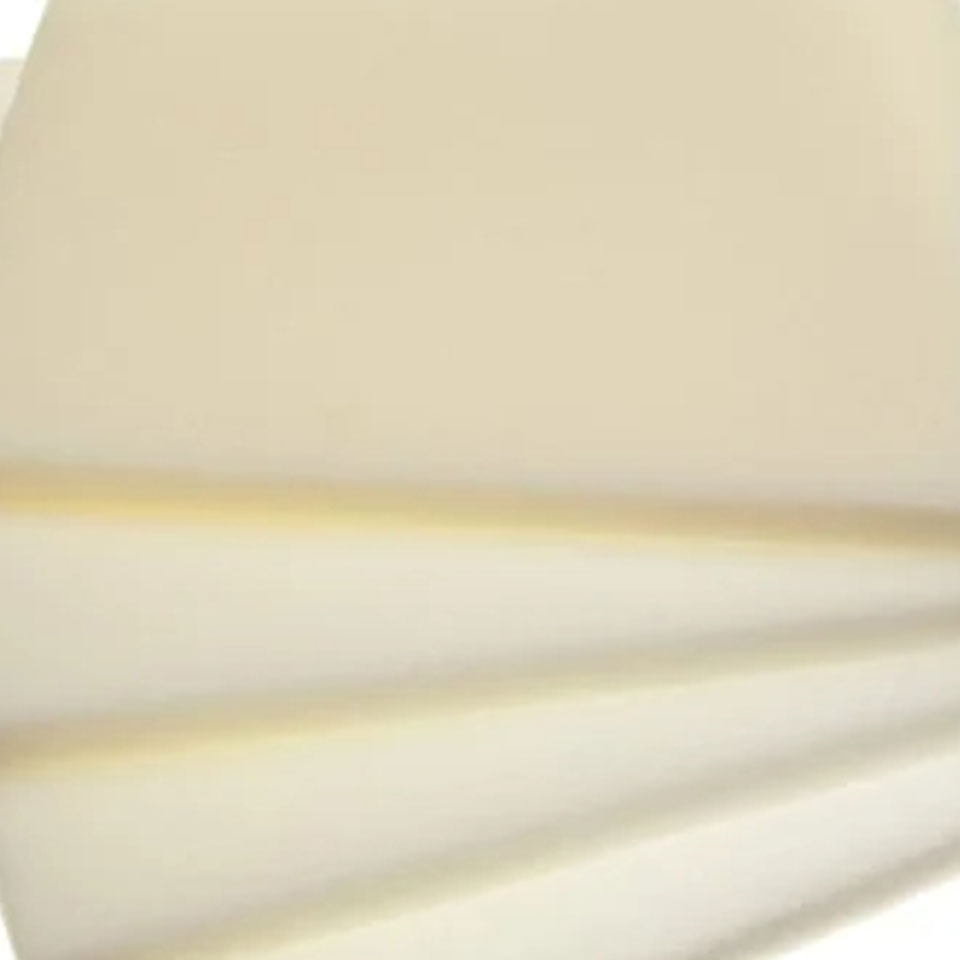
Available Parts for Nylon 66 CNC Machining
Nylon 66 CNC Machining is suitable for Nylon 66 (PA66, ASTM D4066), including unfilled, glass-filled, and heat-stabilized grades, available in rod, plate, sheet, tube, and near-net shapes.
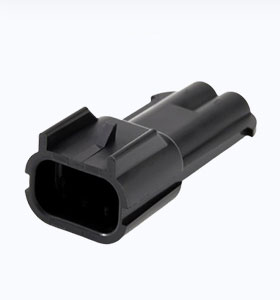
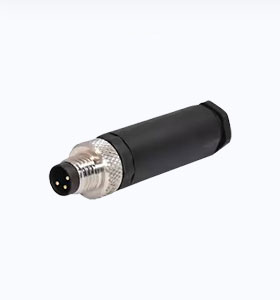
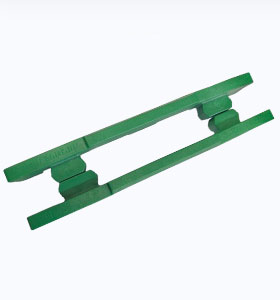
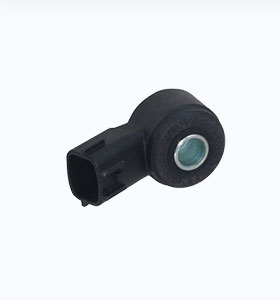
Nylon 66 CNC Services and Capabilities
Swiss Machining
Swiss machining: ultra-precise, small-diameter complex parts machined from bar stock in a single setup – with micron-level tolerances and zero secondary operations.
CNC Turning and Milling
CNC turning with live tooling combines both lathe and mill capabilities to machine parts with cylindrical features from metal rod stock.
FAQ's
How does Nylon 66 compare to Nylon 6 for CNC machining applications?
Nylon 66 generally offers superior mechanical performance over Nylon 6, with higher tensile strength (up to 12,000 psi vs. 10,000 psi dry), better heat resistance (melting point ~265°C vs. ~220°C), and greater stiffness, making it preferred for load-bearing or higher-temperature parts. Nylon 6 machines slightly easier due to lower hardness and absorbs moisture faster, which can aid chip breaking but risks more dimensional variation. Choose Nylon 66 for demanding engineering applications; opt for Nylon 6 when cost or easier machining is prioritized.
What are recommended cutting speeds, feeds, and tool geometries for machining Nylon 66?
For optimal results, use spindle speeds of 3,000–8,000 RPM (higher for smaller diameters), feeds of 0.002–0.010 inches per revolution, and light depths of cut (0.005–0.020 inches). Sharp polished carbide or PCD tools with positive rake angles (10–20°) and high helix flutes minimize heat and gummy buildup. Compressed air or mist cooling is ideal—avoid heavy flood coolant to prevent excessive moisture absorption during machining.
Is post-machining annealing or treatment recommended for Nylon 66 parts?
Yes, annealing is highly beneficial for critical precision parts. Heat parts to 80–120°C for 1–4 hours (depending on thickness) followed by slow cooling to relieve internal stresses and improve dimensional stability. Moisture conditioning (exposing finished parts to 50% RH environment) is also essential to reach equilibrium moisture content (typically 2.5–3%), preventing post-machining swelling or shrinkage in service.