
Inconel 600 CNC Machining Service
Inconel 600 CNC machining requires advanced precision expertise for this high-performance nickel-chromium-iron superalloy. Extensively utilized in furnace muffles and retorts, chemical processing vessels, nuclear reactor components, and heat treatment fixtures.
Why Choose Inconel 600 for Precision Machining Parts?
Inconel 600 is the proven nickel-chromium-iron superalloy trusted for precision CNC machining in severe high-temperature oxidizing environments, providing exceptional resistance to dry chlorine, hydrogen chloride, carburization, and nitridation up to 2150°F (1177°C) intermittent service, with reliable mechanical properties and freedom from chloride stress-corrosion cracking in aqueous media. Precision machining requires disciplined approaches—secure rigid setups, sharp positive-rake coated carbide tools, controlled climb milling, moderate speeds and feeds, and flood coolant application—to counter work hardening and heat retention, producing sophisticated geometries, tolerances as tight as ±0.0005″ (12.7 μm), and smooth surface finishes demanded by high-reliability components.
- Outstanding strength and ductility across cryogenic to 2000°F+ operating ranges
- Superior resistance to oxidation, scaling, carburization, and nitridation in furnace atmospheres
- Excellent protection against chloride-ion stress-corrosion cracking and many corrosive chemicals
- Proven machinability for thin-walled sections, deep bores, complex profiles, and fine threads
- Stable performance retained after machining, forming, and welding processes
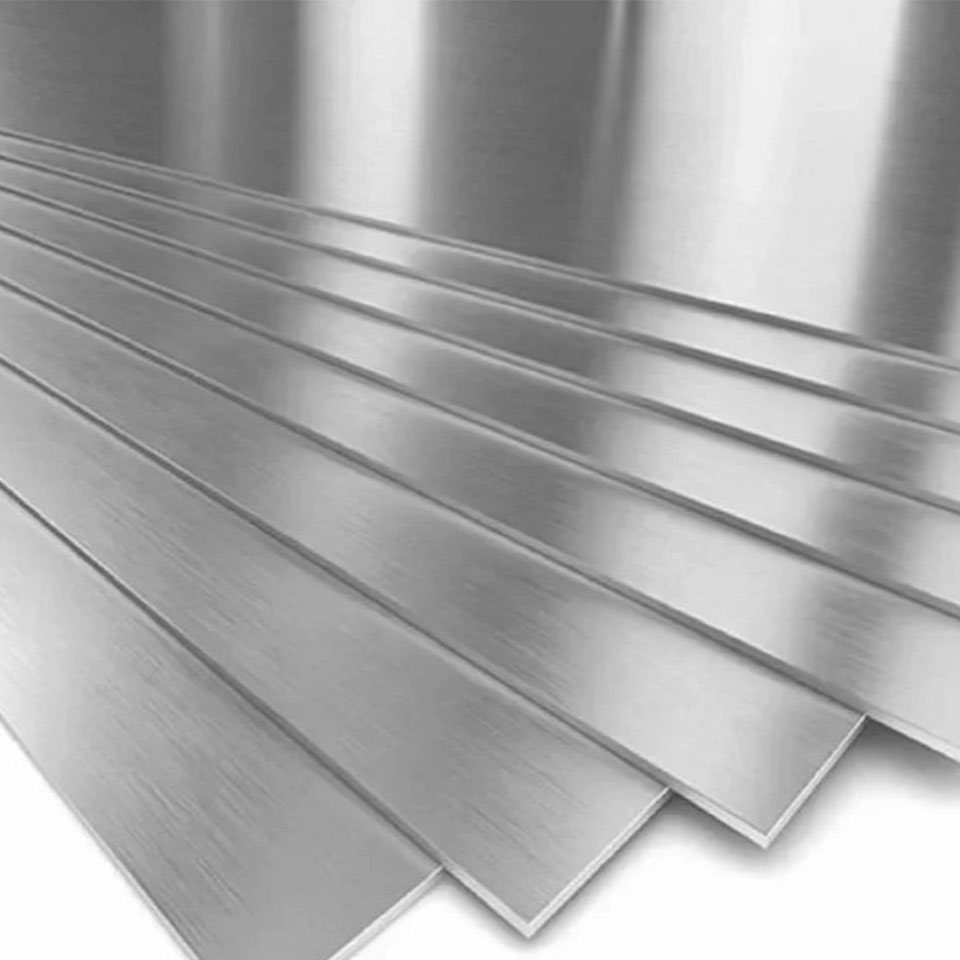
Available Parts for Inconel 600 CNC Machining
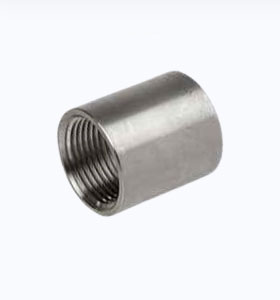
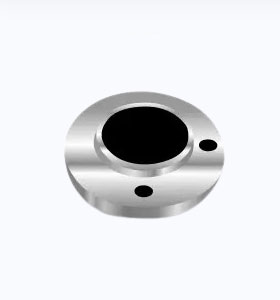
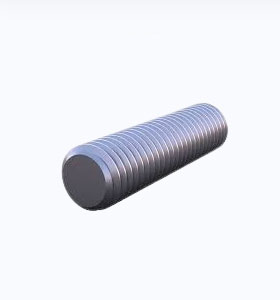
Inconel 600 CNC Machining is ideal for the high-performance nickel-chromium-iron superalloy Inconel 600 (UNS N06600), a solid-solution strengthened material renowned for its outstanding resistance to oxidation, scaling, carburization, and nitridation at temperatures up to 2150°F (1177°C), with excellent mechanical properties and freedom from chloride stress-corrosion cracking across diverse corrosive environments. Here are the precision parts we can provide for CNC Machining.
Inconel 600 CNC Services and Capabilities
Swiss Machining
Swiss machining: ultra-precise, small-diameter complex parts machined from bar stock in a single setup – with micron-level tolerances and zero secondary operations.
CNC Turning and Milling
CNC turning with live tooling combines both lathe and mill capabilities to machine parts with cylindrical features from metal rod stock.
FAQ's
Is Inconel 600 Hard to Machine?
Yes, Inconel 600 is moderately difficult to machine, but it is generally easier than other nickel-based superalloys like Inconel 625 or 718.
Why It’s Challenging
- Work hardening: The material rapidly hardens under the tool, increasing cutting forces.
- Gummy and tough behavior: It tends to produce stringy chips and can tear rather than cut cleanly, especially during finishing or reaming.
- High cutting temperatures and tool wear: Heat buildup and abrasive elements accelerate tool degradation.
However, Inconel 600 lacks molybdenum and niobium (found in 625), so it exhibits less severe work hardening and better overall machinability than those grades. Many machinists describe it as similar to or slightly tougher than 304 stainless steel, but with more tendency to gum up or tear.
With proper techniques—rigid setups, sharp coated carbide tools, climb milling, moderate speeds (60–180 SFM / 18–55 m/min for turning), and aggressive coolant—excellent results, tight tolerances, and good surface finishes are achievable.
What Is the Machinability Rating of Inconel 600?
Inconel 600 has a machinability rating of approximately 15–25% relative to AISI B1112 free-machining steel (rated at 100%).
Sources vary slightly:
- Some guidelines place it around 15–20%.
- Manufacturer data (Special Metals) indicates it is slightly more machinable than Type 304 stainless steel (~45% rating) but less than free-machining Type 303.
- Practical experience often ranks it higher than Inconel 625 (~17%) or 718 (~10–15%) due to its solid-solution structure and absence of hardening precipitates.
This rating reflects the need for reduced cutting speeds (typically 20–80 m/min) and robust tooling to maintain reasonable tool life.
What Are Recommended Machining Parameters and Tips for Inconel 600?
Successful machining of Inconel 600 requires conservative parameters and best practices to manage heat, work hardening, and chip control.
Key Recommendations
- Tools — Use sharp, positive-rake coated carbide inserts (or ceramics for higher speeds). Avoid HSS tools.
- Cutting Speeds —
- Turning: 60–180 SFM (18–55 m/min)
- Milling: 45–135 SFM (14–41 m/min)
- Drilling: Lower speeds with spot drilling and dwell to prevent pushing material.
- Feeds — Moderate: 0.1–0.3 mm/rev for turning; heavier feeds in roughing to cut below the hardened layer.
- Depth of Cut — 0.3–5 mm, preferring deeper cuts in roughing.
- Coolant — High-pressure flood or through-tool coolant essential for chip breaking and cooling.
- Strategies — Rigid machine and fixturing; climb milling preferred; avoid dwell or rubbing to prevent hardening.
Inconel 600 responds well to these controls, often allowing faster speeds than 625 while delivering precision parts for furnace components, heat shields, and chemical processing equipment.