Micro Swiss Machining Services

Micro swiss machining is a high-precision process that removes small amounts of material using cutting tools. Unlike conventional machining, it uses a guide bushing that supports the workpiece very close to the tool. This short distance reduces deflection and vibration, enabling higher accuracy and finer surface finishes.

Available Materials for Micro Swiss Machining

Micro Swiss Machining handles a wide range of materials, including metals like brass, stainless steel, aluminum, titanium, copper alloys, and various exotic alloys, as well as plastics and other special materials.

stainless steel
stainless steel
Aluminum
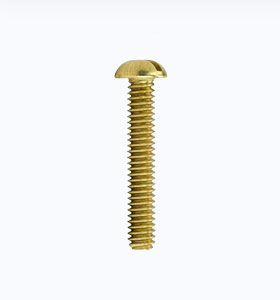
Brass
Brass
Bronze
Bronze
Copper
Titanium
Titanium

Available Parts for Micro Swiss Machining

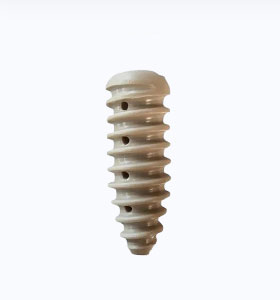
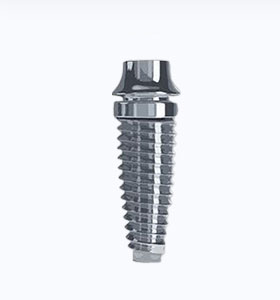
Micro swiss machining delivers unmatched precision for small, complex components such as surgical instruments, bone screws, orthopedic implants, connectors, pins, shafts, fasteners, sensor housings, and micro motor parts. Ideal for demanding applications in medical, dental, aerospace, automotive, electronics, robotics, automation, defense, and watchmaking industries.

Benefits of Micro Swiss Machining

Elevate your smallest, most intricate designs with our Micro Swiss Machining services — where sub-micron mastery meets fearless complexity.

Harness elite multi axis micro-turning specialists and state-of-the-art sliding-headstock CNC lathes to craft exquisitely detailed micro-components that conventional machining simply cannot touch.

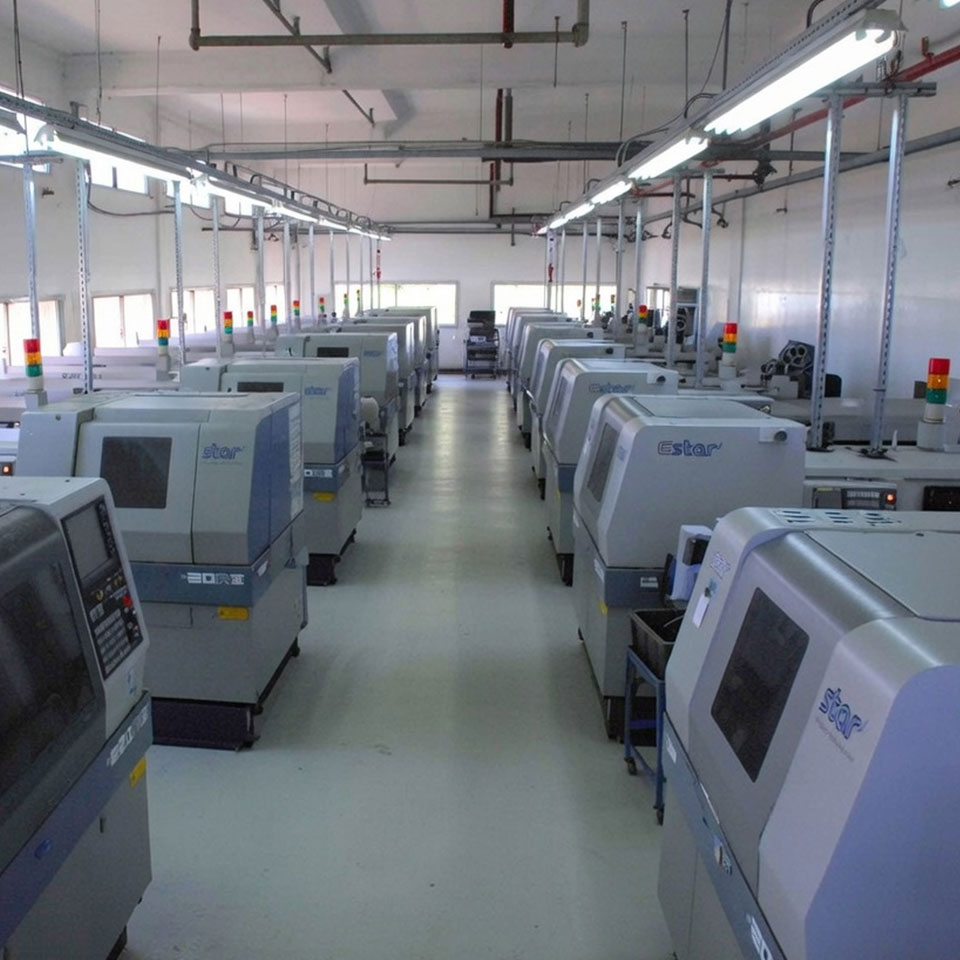
micro swiss machining factory

Industries We Serve with Micro Swiss Machining

Micro Swiss Machining is the go-to choice for the world’s toughest industries when only ultra-precise, tiny, and seriously complex parts will do — trusted by top players in medical & dental devices, aerospace & defense, automotive, electronics, robotics, and watchmaking.

Why Choose CNCPioneer?

Sub-Micron Mastery for the Tiniest, Toughest Parts

We push Swiss technology to its extreme — specializing in true micro Swiss machining that delivers sub-micron precision and ultra-tight tolerances (down to ±0.0001″ / ±2–3μm) on intricate, small-diameter components where standard Swiss simply falls short.

Lightning-Fast Prototyping + Seamless High-Volume Scale

Get prototypes in as little as 3 days and ramp effortlessly to 100,000+ parts with zero quality drop-off. Our expansive facility — powered by 600+ advanced CNC machines — guarantees rapid throughput, consistent repeatability, and rock-solid lead times even for the most demanding runs.

Fearless Material Versatility & Mission-Critical Certifications

Machine over 60 exotic and everyday materials with confidence — from titanium, PEEK, and medical-grade stainless to aluminum, brass, and high-performance plastics. Backed by ISO 9001 and AS9100D certifications, we’re trusted for life-or-death applications in healthcare, aviation, defense, and beyond.

Your Cost-Smart, Risk-Free Global Manufacturing Supplier

With 15+ years of deep expertise, a massive 15,000+ ㎡ production powerhouse, worldwide shipping, and obsessive quality control, we slash supply chain headaches, cut hidden costs, and speed your products to market — turning “impossible” micro designs into reliable, high-margin reality.

FAQs

Micro Swiss Machining is an ultra-specialized version of Swiss machining that focuses on even smaller diameters (often below Ø1–3 mm), tighter tolerances (down to ±0.0001″ / ±2–3 μm), and more intricate micro-features that push beyond what conventional Swiss machines can reliably achieve.

It excels at producing tiny, high-precision components such as micro bone screws, surgical needles, dental implants, catheter components, micro connectors, sensor housings, watch jewels, micro shafts/pins, and miniature robotics parts — primarily serving medical, dental, aerospace, defense, electronics, and high-end watchmaking industries.

Standard capability is ±0.0002″ (±5 μm), with many shops routinely hitting ±0.0001″ (±2–3 μm) or better on critical dimensions. Minimum turned diameters often go down to 0.1–0.3 mm, and micro-features (slots, grooves, cross-holes) can be as small as 0.05–0.1 mm depending on material and geometry.

Questions?

Our experts are here for you!.