
Satellite Structures
Aluminum Frame Manufacturing
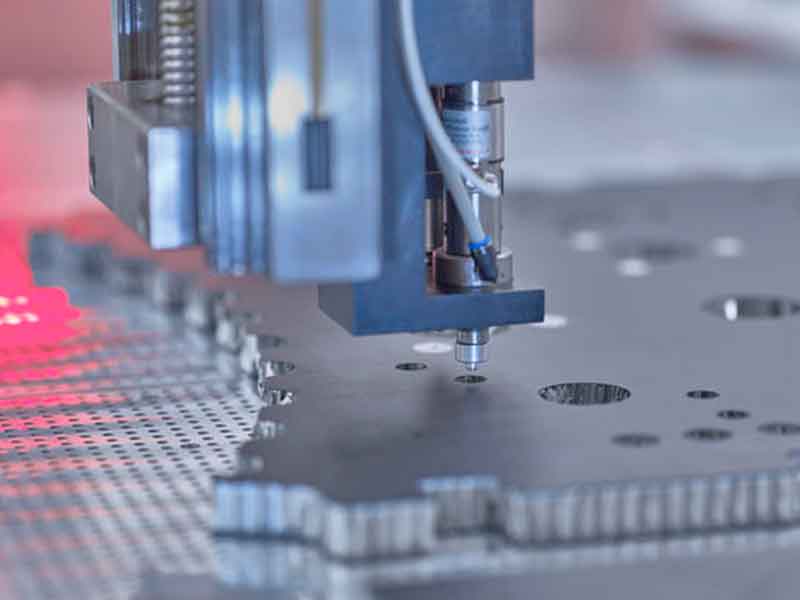
CNCPioneer machines satellite bus frames, structural fittings, CubeSat rails and LEO constellation hardware with AS9100D controls, 24-hour DFM review, CMM inspection and FAIR documentation per AS9102.
What Are
Satellite Structures?
Satellite structures are the mechanical framework that holds the spacecraft bus, payload, electronics, power system, sensors and propulsion hardware in alignment through launch and orbital operation.
For most programs, the core requirement is simple to state but hard to execute: reduce mass while preserving stiffness, interface accuracy, thermal stability, clean material evidence and repeatable documentation.
-
Aluminum bus frames and structural fittings 6061-T6 and 7075-T6 structures with pocketed geometry, rib stiffening and controlled interface features for mass-efficient spacecraft assemblies.
-
Constellation production support Capacity from 78+ Swiss CNC lathes and 66+ MAZAK mill-turn centers supports prototypes, first articles and repeat LEO satellite hardware.
-
Complete structural component coverage Primary frames, secondary brackets, deployable interfaces, payload supports, CubeSat rails and ground support structural hardware from one machining source.
-
China cost with aerospace documentation Competitive machining economics with AS9100D process control, material traceability, inspection reports and FAIR documentation when required.

Why CNCPioneer as Your
Satellite Structure Manufacturer?
A satellite structure supplier must connect machining accuracy with material evidence, mass control, surface treatment impact and release documentation. CNCPioneer keeps those requirements visible from quotation through production.
Mass-Efficient Aluminum Frames
Machining strategies for pocketed panels, ribbed frames and lightweight fittings help reduce mass while preserving stiffness and assembly datum control.
AS9100D and FAIR Support
First article packages can include ballooned drawings, CMM reports, material certificates, surface treatment records and Certificate of Conformance.
LEO Constellation Capacity
Repeatable CNC capacity supports low-volume engineering builds as well as recurring satellite batches with stable inspection plans.
MAZAK and Swiss CNC Platforms
MAZAK mill-turn centers handle complex frame bodies and fittings, while Swiss CNC machines inserts, standoffs, pins and small precision interfaces.
24-Hour DFM Review
Engineering review can flag tolerance risk, thin-wall distortion, tool access, coating impact, material suitability and documentation needs before machining.
Cost-Effective Production
China-based machining economics help reduce prototype and production cost while keeping inspection, traceability and quality records in scope.
Satellite Structural Components We Manufacture
CNCPioneer produces machined spacecraft structure hardware for satellite buses, payloads, deployable mechanisms, CubeSats and constellation platforms.

Primary Aluminum Structure Frames
Bus frames, panel fittings, interface rings, load-path junctions and pocketed structures in 6061-T6, 7075-T6 and program-specified aluminum alloys.

Secondary Structural Components
Equipment brackets, battery mounts, reaction wheel supports, sensor plates, avionics standoffs and local reinforcement parts.

LEO Constellation Hardware
Flat-panel satellite frames, repeatable mounting features, launch-stack interfaces and production parts for Starlink-class constellation architectures.

Deployable Appendage Interfaces
Solar array hinge fittings, antenna deployment mounts, actuator supports, hold-down interfaces and bearing-adjacent structural elements.

Payload and Thermal Structures
Optical bench fittings, instrument mounts, radiator hardware, heat-pipe supports and thermal strap interfaces with controlled flatness and material choice.

CubeSat and SmallSat Components
Rails, end plates, payload adapters, board supports, propulsion module mounts and rideshare interface fittings for small satellite programs.
Satellite Programs and Applications
We support OEMs, integrators, research teams and commercial space programs that need precise structural hardware without a slow or copy-heavy sourcing process.
Commercial Earth Observation
Camera mounts, sensor supports, payload frames, reaction wheel structures and lightweight bus hardware for imaging platforms.

LEO and GEO Communications
Antenna structures, RF equipment brackets, phased-array support hardware and high-repeatability constellation production components.
Scientific Research Satellites
Instrument frames, optical interfaces, detector supports and thermally stable hardware for university, agency and science missions.

Defense and Intelligence Space
High-reliability structural components with controlled records, traceability, inspection evidence and configuration discipline.
SmallSat and CubeSat Platforms
Rails, frames, adapter plates, reaction wheel mounts, payload brackets and propulsion module structures for compact spacecraft.
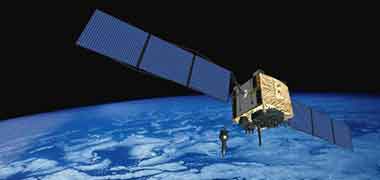
Navigation and Exploration
Pointing-sensitive supports, mechanism mounts, interface rings and structural fittings for GNSS, on-orbit servicing and exploration hardware.
Satellite Structure Machining Capabilities
The process moves from drawing review to prototype, FAIR and production release with explicit controls for mass, material, interface geometry, finish and documentation.
24-Hour DFM Review
Review of wall thickness, rib layout, pocket access, datum strategy, tolerance feasibility, coating impact and material suitability before quotation.
Prototype Machining
Fast aluminum, titanium, stainless and Invar prototypes with in-process checks for flatness, hole position, wall thickness and critical interfaces.
First Article Inspection
Ballooned inspection records, CMM measurement, surface roughness checks, thread verification, mass measurement and release package preparation.
Production Control
Control plans, inspection frequency, Cpk reporting where required, revision management and repeatable fixture strategy for recurring flight hardware.
Space-Compatible Materials
Aluminum, titanium, stainless, Invar, Inconel, beryllium copper and engineering polymers sourced with mill certs or grade evidence as required.
AS9100D Documentation
Material traceability, XRF alloy checks, CMM reports, FAIR, surface treatment certificates, mass records and Certificate of Conformance.
Materials for Satellite Structures
Material choice depends on mass, stiffness, thermal expansion, galvanic compatibility, surface treatment, outgassing evidence and machining stability.
Ti-6Al-4V Grade 5
High specific strength and useful CTE match for CFRP-adjacent fittings, launch interfaces and compact high-load structural parts.
Ti-6Al-4V Grade 23 ELI
Higher fracture toughness for separation hardware, mechanism interfaces and structural elements with demanding reliability requirements.
7075-T6 / 6061-T6
Primary choices for lightweight bus frames, panel fittings, CubeSat rails and pocketed structural components.
17-4PH H900
High-strength stainless for compact fittings, actuator mounts, reaction wheel supports and loaded interface hardware.
316L
Corrosion-resistant and low-magnetic option for science instruments, sensor supports and clean hardware near payload surfaces.
440C
High-hardness stainless for wear surfaces, bearing-adjacent features and precision mechanical interface parts.
Invar 36
Ultra-low CTE material for optical benches, telescope supports, detector mounts and thermally sensitive payload interfaces.
Inconel 718
High-strength nickel alloy for propulsion-adjacent hardware, hot structures and demanding deployment mechanism mounts.
C17200 AT
Spring and conductivity material for grounding contacts, bonding elements, compliant features and selected electrical interfaces.
PTFE Space Grade
Low-friction material for bushings and pivot features when the specified grade has acceptable outgassing evidence.
Vespel SP-3
MoS2-filled polyimide for dry-bearing, sliding and bushing features in vacuum-compatible mechanisms.
PEEK Space Grade
Electrical isolation material for inserts, standoffs, guides and non-metallic details when flight-grade data is available.
Surface Treatments for Satellite Structures
Surface treatment affects corrosion protection, electrical bonding, thermal behavior, coating thickness and contamination risk. CNCPioneer reviews the finish during DFM so the dimensional impact is planned before machining.
Hard Anodizing
Type II or Type III anodize for aluminum frames and fittings where corrosion protection, wear resistance or thermal behavior is required.
Chemical Film
Alodine or equivalent conversion coating for aluminum hardware requiring electrical bonding, grounding continuity or ESD control.
Passivation
Passivation for stainless steel and titanium parts to remove machining contamination and support clean corrosion resistance.
Gold Plating
Gold plating for selected bonding, RF grounding, electrical contact or connector-adjacent structural features.
Vacuum Bake-Out
Optional bake-out for structural hardware near optical, detector or contamination-sensitive payload surfaces.
Black Anodize for Thermal Control
Black anodize for aluminum surfaces that need defined absorptivity or thermal behavior in spacecraft thermal design.
Surface treatment records can include process certificates, coating notes, thickness records where applicable, ASTM E595 references and dimensional impact review.
Satellite Structure Quality Process
The release path is designed to keep drawing requirements, material evidence, machining control and inspection records connected from order entry to shipment.
Contract and Drawing Review
Review of drawing revision, critical dimensions, material specification, surface treatment, documentation scope and inspection requirements.
Material Incoming Inspection
Mill certificates, heat numbers, approved sources and XRF alloy verification support material traceability before machining begins.
First Article Inspection
FAIR per AS9102 can document dimensions, material, finish, mass and acceptance evidence before production release.
In-Process Statistical Control
Defined inspection points verify flatness, hole position, wall thickness, datums, threads and interface bores during machining.
Final Inspection & Cleanliness Verification
CMM, height gauge, thread gauge, surface roughness and visual checks confirm the finished hardware against drawing and order requirements.
Shipment Documentation
Release packages can include CMM reports, FAIR, material certs, finish certs, mass records and Certificate of Conformance.
AS9100D Quality System Support
Satellite structural hardware needs evidence that the part matches the drawing, the material is authentic and the release record is usable for configuration control.
FAIR Documentation per AS9102
First article packages can include ballooned drawings, CMM results, material certificates, surface treatment records and mass measurements.
- AS9102 FAIR support
- Balloon drawing
- Customer approval path
Material Traceability
Heat numbers, mill certificates, XRF alloy verification and approved material sources support traceability and counterfeit-material prevention.
- XRF alloy verification
- Mill cert linkage
- Heat number tracking
Outgassing Compliance Review
ASTM E595 references can be documented for specified materials, coatings and non-metallic grades, with bake-out records added when required.
- TML / CVCM references
- Non-metallic grade review
- Vacuum bake-out option
Key Characteristic Control
Cpk reporting, 100% checks or dedicated gauging can be applied to flatness, hole position, dowel bores and other critical interface features.
- Cpk reporting where required
- Critical feature checks
- Certificate of Conformance
Satellite Structures FAQ
Short answers to the questions teams usually ask before sending satellite structure drawings.
6061-T6 is common for bus frames, panels and secondary fittings where machinability and cost matter. 7075-T6 is selected when higher strength can reduce section size and mass. The final choice depends on loads, stiffness, finish and program material rules.
Satellite structures must combine low mass, high stiffness, vacuum-compatible materials, thermal cycling stability, launch vibration survival and long-term configuration records. They often need more documentation than ordinary machined aerospace hardware.
Yes. CNCPioneer can support flat-panel satellite structures, repeated mounting hardware, production fixtures and batch inspection plans for constellation-style programs after DFM and first article approval.
Reaction wheel mounts, star tracker brackets, gyro supports and payload instrument interfaces are especially sensitive because small alignment errors can become pointing or imaging errors at system level.
Programs commonly reference ASTM E595 limits for TML and CVCM. Metals are usually straightforward after proper cleaning, while polymers, coatings, adhesives and lubricants need grade-specific evidence.
Simple aluminum structure parts can often be prototyped in 5-10 business days depending on finish and documentation. Titanium, Invar, deep pockets, complex frames or full FAIR packages add time.
The meaningful comparison is capability and evidence: AS9100D scope, machining accuracy, CMM reports, material traceability, surface treatment control and FAIR documentation. CNCPioneer combines those controls with China-based machining economics.
Get a Quote for Satellite Structure Machining
Upload your satellite structure drawing or CAD file. CNCPioneer will review manufacturability, material, finish, inspection and documentation needs, then return DFM feedback and a custom quote within 24 hours.