
Aluminum Alloy
5-Axis CNC Machining
CNCPioneer provides aluminum alloy 5-axis CNC machining for lightweight brackets, battery trays, battery housings, cooling plates, motor covers, EV structures, UAV frames, electronics enclosures, medical housings, instrument components, and complex multi-sided precision parts. We machine 6061-T6, 6063, 6082, 7075, 2024, cast aluminium, and customer-specified alloys with 5-axis machining, mill-turn machining, CNC turning, drilling, tapping, anodising, hard anodising, chemical film, bead blasting, brushing, laser marking, and dimensional inspection. Qualified features can reach ±0.005mm, with 24-hour quotes and 48-hour DFM feedback for drawings and STEP files.
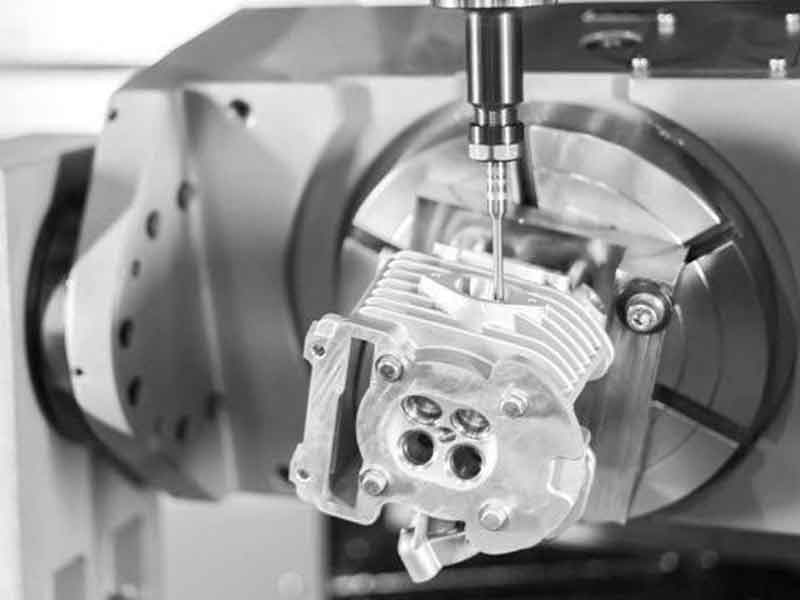
What Is Aluminum Alloy
5-Axis CNC Machining?
Aluminum alloy 5-axis CNC machining is used for lightweight parts that require multi-sided access, angled holes, curved surfaces, deep pockets, thin walls, ribs, bosses, cooling channels, precision datums, and tight positional accuracy. Typical components include battery trays, cooling plates, motor housings, EV brackets, UAV frames, electronics enclosures, medical housings, instrument components, and custom multi-face aluminium parts.
Compared with standard 3-axis milling, 5-axis machining reduces setups and helps maintain accuracy between related features. For aluminium alloy parts, process planning must also manage thin-wall distortion, residual stress, clamping marks, burr control, chip evacuation, surface finish, anodising allowance, flatness, and dimensional stability.
-
DFM for thin walls, pockets, datums, and tool access We review wall thickness, pocket depth, rib design, angled faces, hole positions, sealing surfaces, threaded features, burr risk, clamping points, and fixture strategy before machining.
-
5-axis machining for lightweight aluminium components Five-axis tool access supports curved surfaces, multi-sided features, angled holes, ribs, bosses, deep pockets, cooling channels, undercuts, and precision datum relationships in fewer setups.
-
Aluminium alloy selection for strength, weight, and finish 6061, 6063, 6082, 7075, 2024, cast aluminium, and customer-specified alloys are selected according to strength-to-weight ratio, machinability, thermal performance, anodising response, corrosion exposure, and assembly requirements.
-
24-hour aluminum alloy 5-axis CNC machining quotes Upload a drawing or STEP file with alloy grade, tolerance, finish, anodising notes, quantity, and application requirements. CNCPioneer returns pricing within 24 hours and DFM feedback within 48.
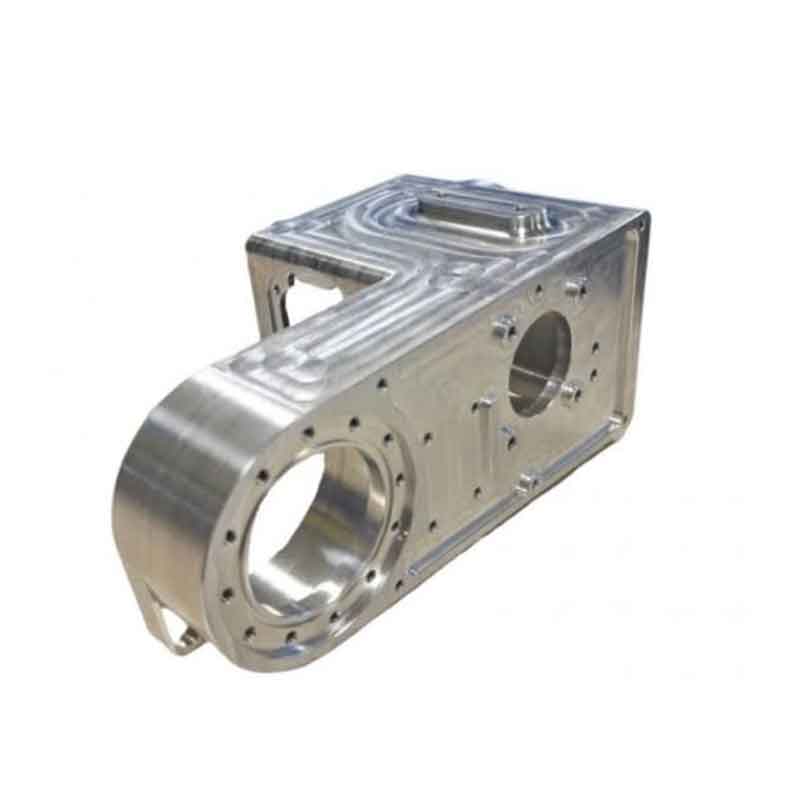
Why CNCPioneer for
Aluminum Alloy 5-Axis CNC Machining?
CNCPioneer combines 5-axis machining, high-speed aluminium cutting, mill-turn machining, drilling, tapping, thin-wall DFM, distortion control, anodising support, critical-dimension inspection, and traceable documentation for complex aluminium alloy components.
Thin-Wall and Distortion Control
Aluminium parts can distort from residual stress, aggressive material removal, thin walls, clamping pressure, or heat. CNCPioneer reviews machining sequence, fixture support, roughing and finishing allowance, datum stability, stress relief needs, and inspection timing before production.
5-Axis Accuracy for Deep Pockets and Complex Geometry
Battery housings, UAV structures, cooling plates, and electronics enclosures often require deep pockets, ribs, bosses, angled holes, sealing faces, and features on several sides. Five-axis machining reduces repeated setups and helps maintain positional accuracy across related features.
6061, 6063, 6082, 7075, and 2024 Support
6061-T6 supports general structural machining, 6063 supports appearance-focused parts, 6082 supports higher structural loads, 7075 supports high strength-to-weight requirements, and 2024 supports aerospace and fatigue-sensitive applications when specified. We review temper, finish, corrosion, and documentation requirements before production.
Anodising, Hard Anodising, and Chemical Film
Aluminium components may require anodising for corrosion resistance and appearance, hard anodising for wear resistance, or chemical film for conductivity and corrosion protection. CNCPioneer reviews coating thickness, masking, threaded areas, sealing faces, colour requirements, and post-finish inspection.
Thermal, Flatness, and Surface-Finish Control
Cooling plates, heat sinks, motor covers, and electronics housings need stable thermal interfaces, clean channels, flat sealing faces, and controlled surface finish. We review burr removal, leak-sensitive features, flatness, internal cleanliness, and post-machining inspection.
OEM Documentation and Traceability
Available documentation includes material certificates, dimensional reports, surface-finish records, anodising or coating certificates, heat-treatment records when applicable, COC, RoHS/REACH documentation, PPAP Level 3, AS9102 FAIR when required, and lot traceability.
Aluminum Alloy 5-Axis CNC Machining
Product Portfolio
We machine aluminium alloy components that require lightweight design, complex geometry, deep pockets, thin walls, controlled datums, thermal performance, and reliable production repeatability.
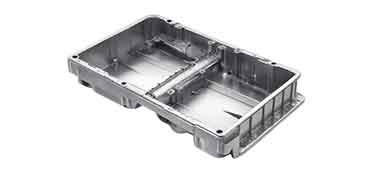
Aluminum Battery Trays and Housings
5-axis machined aluminium battery trays, battery housings, module supports, mounting frames, and protective covers for EV and energy-storage systems. CNCPioneer controls pocket depth, wall thickness, flatness, hole position, sealing faces, threaded features, anodising allowance, and assembly datums.
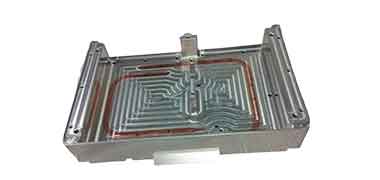
Cooling Plates and Thermal Management Components
Aluminium cooling plates, liquid-cooling blocks, heat sinks, motor cooling parts, and thermal interface components with channels, pockets, sealing surfaces, ports, and mounting features. We review leak-sensitive geometry, burr removal, flatness, surface finish, internal cleanliness, and post-machining inspection.
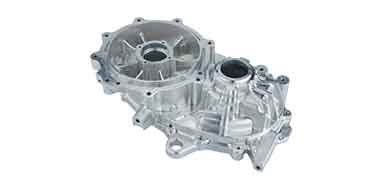
Motor Housings, Covers, and Structural Enclosures
5-axis machined aluminium motor covers, end plates, electronic housings, structural enclosures, connector bodies, and protective covers. Requirements can include thin walls, deep cavities, bearing seats, connector cut-outs, threaded holes, sealing faces, flatness control, cosmetic surfaces, and anodised finishing.
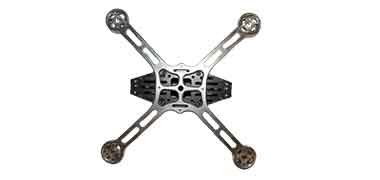
UAV and Lightweight Structural Components
Lightweight aluminium UAV frames, arms, payload mounts, camera brackets, motor mounts, stabilisation components, antenna mounts, and structural supports. 5-axis machining supports pocketing, ribs, angled interfaces, weight reduction, tight mounting datums, thin-wall control, and consistent assembly across prototype and production batches.
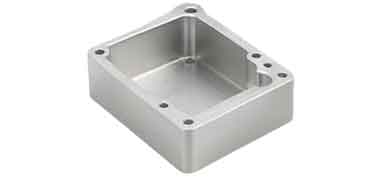
Automation Fixtures and Precision Equipment Parts
Aluminium fixture bases, alignment blocks, actuator plates, sensor mounts, gripper components, machine interfaces, and lightweight structural parts for automation and precision equipment. CNCPioneer reviews load, flatness, datum strategy, threaded inserts, wear surfaces, finish, and assembly repeatability.
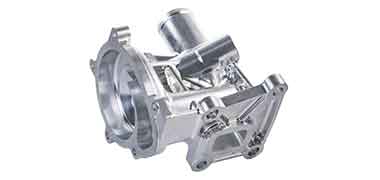
Complex Multi-Sided Aluminum Components
Complex aluminium alloy components with angled holes, deep pockets, ribs, bosses, curved surfaces, sealing faces, threaded inserts, undercuts, and multiple datum interfaces. CNCPioneer manufactures these parts from drawings, STEP files, tolerance notes, finish requirements, and assembly needs.
Aluminum Alloy Machining Applications
Our aluminum alloy 5-axis CNC machining supports industries that need lightweight structures, thermal performance, complex geometry, stable dimensions, and repeatable precision.

Energy
Aluminium battery trays, module supports, cooling plates, housings, covers, mounting frames, and sealing components for EV and energy-storage systems. Requirements can include flatness, leak-sensitive surfaces, anodising, clean edges, thread quality, and traceable inspection.

Automotive
Aluminium brackets, motor covers, inverter housings, fixture parts, structural supports, sensor mounts, and lightweight mechanical components for automotive and EV programmes. IATF 16949 support can include PPAP Level 3, Cpk studies, dimensional records, coating certificates, and traceable packaging.
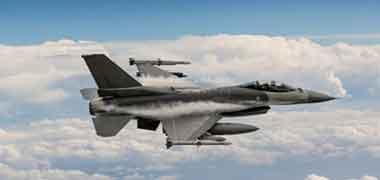
Aerospace
Aluminium UAV frames, arms, payload mounts, avionics housings, camera brackets, antenna mounts, and lightweight aerospace components. 7075, 2024, 6061, and customer-specified alloys can be selected according to strength-to-weight, corrosion, finish, and documentation requirements.
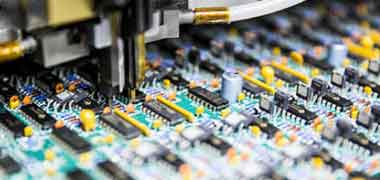
Electronics
Aluminium heat sinks, cooling plates, electronic enclosures, connector housings, thermal interface parts, and shielded components. CNCPioneer reviews thermal paths, surface area, flatness, burr removal, sealing faces, anodising, and cosmetic requirements.

Medical
Lightweight aluminium housings, frames, brackets, optical components, laboratory automation parts, and instrument panels. Requirements may include clean surfaces, anodised finishes, burr-free edges, controlled fit, laser marking, and compartment packaging.

Semiconductor
Aluminium fixture plates, alignment bases, actuator components, gripper parts, sensor brackets, machine interfaces, and compact mechanism components for automation and precision machinery. We review datum strategy, wear surfaces, inserts, threaded holes, surface finish, and assembly repeatability.
Aluminium Alloy Grades
Materials for Aluminum Alloy
5-Axis CNC Machining
Aluminium alloy selection affects strength, weight, machinability, corrosion resistance, anodising response, thermal performance, dimensional stability, and cost.
6061-T6 Aluminum Alloy
6061-T6 is widely used for brackets, housings, frames, fixture parts, electronic enclosures, and general lightweight components. It offers a practical balance of machinability, strength, corrosion resistance, anodising response, and cost.
6063 Aluminum Alloy
6063 is often selected for appearance-focused parts, covers, housings, frames, profiles, and components that require clean surfaces or decorative anodising. CNCPioneer reviews cosmetic areas, surface finish, and handling protection before production.
6082 Aluminum Alloy
6082 supports structural brackets, frames, supports, machine parts, and load-bearing aluminium components. It is selected when higher strength is needed while keeping the benefits of aluminium weight reduction and machinability.
7075 Aluminum Alloy
7075 is used for UAV, aerospace, motorsport, and high-performance components that require high strength-to-weight ratio. We review temper, stress relief, distortion risk, corrosion protection, anodising requirements, and documentation needs.
2024 Aluminum Alloy
2024 is selected for aerospace and fatigue-sensitive applications when specified by the drawing or customer standard. CNCPioneer reviews machining sequence, corrosion protection, surface treatment, material certification, and final inspection requirements.
Cast Aluminium and Custom Alloys
Cast aluminium and customer-specified alloys can be machined for housings, covers, pump parts, motor components, and production equipment. We review porosity risk, datum selection, machining allowance, surface finish, coating needs, and inspection plan.
Aluminum Alloy Finishing Options
Finishing is selected according to corrosion resistance, wear resistance, conductivity, appearance, thermal performance, sealing behaviour, and inspection requirements.
Anodising
Anodising improves corrosion resistance, surface durability, and appearance for aluminium housings, covers, brackets, frames, and electronics components. CNCPioneer reviews coating thickness, masking, threaded areas, colour requirements, cosmetic surfaces, and post-finish inspection.
Hard Anodising
Hard anodising is used when aluminium components need improved wear resistance, surface hardness, or stronger protection in demanding environments. We review coating buildup, fit allowance, sealing faces, bores, threads, masking, and dimensional impact.
Chemical Film
Chemical film supports corrosion resistance while maintaining electrical conductivity where required. It is often used for electronics housings, grounding interfaces, aerospace components, and parts with coating-sensitive fit areas.
Bead Blasting and Brushing
Bead blasting and brushing provide matte, directional, or cosmetic finishes for aluminium housings, covers, panels, trims, and visible components. CNCPioneer reviews media, roughness, masking, cosmetic zones, edge condition, cleaning, and packaging.
Polishing and Precision Surface Control
Polishing and controlled finishing are used when aluminium components require smooth appearance, cleanable surfaces, low friction, or defined roughness. We review allowance, edge protection, flatness, pocket access, cleaning, and final surface inspection.
Laser Marking and Protective Packaging
Laser marking supports part numbers, lot codes, orientation marks, and traceability. Finished aluminium components can be packed in trays, bags, compartment boxes, or custom receiving packs to protect anodised surfaces, cosmetic areas, and precision datums.
Quality Control for
Aluminum Alloy 5-Axis CNC Machining
Our inspection process focuses on aluminium alloy identity, multi-axis feature accuracy, thin-wall stability, surface condition, finishing results, and documentation traceability.
Material and Temper Review
Incoming aluminium materials are checked against certificates and drawing requirements. Alloy grade, temper, heat number, stress-relief needs, anodising requirements, and finish expectations can be reviewed before machining.
- 6061, 6063, 6082, 7075, 2024, cast aluminium, and customer-specified alloys
- Material certificate review and lot traceability
- Anodising, hard anodising, chemical film, brushing, and polishing needs checked before release
5-Axis Machining and Datum Control
5-axis machining, mill-turn, CNC turning, drilling, tapping, and finishing routes are selected according to feature orientation, wall thickness, tolerance, finish, and production volume. Critical datums, holes, profiles, pockets, sealing faces, and threaded features are controlled according to the drawing.
- Multi-sided machining for angled holes, pockets, ribs, bosses, cooling channels, and curved surfaces
- Datum strategy and clamping method reviewed before machining
- Critical features can reach ±0.005mm on qualified programmes
Thin-Wall, Flatness, and Post-Finish Inspection
Machined, anodised, brushed, blasted, polished, chemically filmed, or marked aluminium components are inspected for functional and cosmetic requirements. Burrs, edge condition, sealing faces, threaded areas, flatness, wall thickness, and critical interfaces are checked before shipment.
- Flatness, hole position, profile, thread, pocket depth, wall thickness, and edge inspection
- Post-anodising, post-coating, post-polishing, and post-brushing review when specified
- Cleaning and packaging checked against receiving requirements
Documentation and Traceability
Available documentation includes dimensional reports, material certificates, surface-finish records, anodising or coating certificates, heat-treatment records when applicable, RoHS/REACH documentation, COC, PPAP Level 3, and AS9102 FAIR when required.
- Dimensional reports and critical-feature records available
- Material certificate and finish certificate support
- Lot traceability from material to machining, finishing, inspection, and packaging
Aluminum Alloy 5-Axis CNC Machining FAQ
Common questions from OEM buyers and engineers about aluminium alloy grades, 5-axis geometry, thin-wall machining, anodising, tolerances, lead times, and quotes.
Send a 2D drawing or STEP file with aluminium alloy grade, temper, tolerance, critical dimensions, datum requirements, surface finish, anodising or coating notes, quantity, inspection requirements, and packaging needs. If the part is still under development, CNCPioneer can review the application, mating interfaces, load, thermal requirements, and annual usage for DFM feedback.
Common options include 6061-T6 for general structural parts, 6063 for appearance-focused components, 6082 for stronger structural applications, 7075 for high strength-to-weight components, and 2024 for aerospace or fatigue-sensitive applications when specified. The best alloy depends on strength, weight, corrosion exposure, anodising response, finish, and documentation requirements.
5-axis machining is useful when aluminium parts have angled holes, multiple datum faces, deep pockets, thin walls, cooling channels, sealing surfaces, undercuts, ribs, bosses, or curved geometry. It can reduce setups, improve positional accuracy, and improve tool access on complex lightweight aluminium components.
Yes. Aluminium parts can be anodised for corrosion resistance and appearance, hard anodised for wear resistance, or chemically filmed for conductivity and corrosion protection. CNCPioneer reviews coating thickness, masking, threads, sealing faces, edge condition, colour requirements, and post-finish inspection before production.
Simple aluminium machined components typically take 3–6 business days after drawing confirmation and material availability. Complex 5-axis, thin-wall, deep-pocket, anodised, hard-anodised, chemically filmed, polished, or documentation-heavy parts commonly take 6–12 business days. Volume lead time depends on material, cycle time, finishing, inspection, packaging, and quantity.
Get a Quote for Aluminum Alloy 5-Axis CNC Machining
Upload your aluminium machining drawing, STEP file, alloy grade, temper, tolerance notes, finish requirements, anodising or coating notes, quantity, or annual usage. Receive a quote within 24 hours and DFM feedback within 48 hours.