Home / Motor Housing Machining
China Motor Housing Manufacturer · EV, Servo & Industrial Motors · IATF 16949 · AS9100D · Shenzhen · Est. 2011

Motor Housing
Precision Machining Specialist

CNCPioneer is an IATF 16949 certified motor housing manufacturer and China motor housing factory delivering precision electric motor enclosures with stator bore roundness to ±0.002mm — 78+ Swiss CNC lathes and 66+ MAZAK mill-turn centers for EV traction motor housings, servo motor housings, BLDC drone motor housings, industrial AC motor housings, and miniature fractional horsepower motor housings worldwide since 2011. 24-hour China motor housing quotes turnaround.

IATF 16949:2016 Automotive Certified
AS9100D Aerospace & Defense Certified
24-Hour China Motor Housing Quotes
Stator Bore Roundness ±0.002mm
100% Leak Test on EV Motor Housings
motor housing machining EV traction motor CNC
±0.002mm Stator Bore Roundness
±0.003mm Bearing Concentricity

What Is
Motor Housing Machining?

Motor housing machining is the precision CNC manufacturing process that produces the structural enclosure of an electric motor — the housing body that contains, positions, and supports the stator core, rotor assembly, bearing system, shaft seal, end shields, and cooling system elements that collectively convert electrical energy to mechanical rotary power. Motor housing machining transforms cast aluminum alloy, cast iron, forged steel, or wrought aluminum billets into dimensionally accurate, functionally complete motor enclosure components through face milling, bore milling, pocket milling, drilling, boring, reaming, and precision thread cutting operations.

The motor housing is the most dimensionally complex and functionally critical single component in any electric motor assembly. A typical motor housing incorporates the stator bore — whose diameter tolerance (±0.005mm), roundness (±0.002mm), and cylindricity (±0.005mm per 100mm) directly govern air gap uniformity and motor torque ripple; bearing housing bores whose concentricity relative to the stator bore determines shaft-to-stator concentricity; cooling fin geometry or liquid-cooled water jacket channels that govern motor thermal management and continuous power rating; mounting flange geometry per IEC 60072-1 or NEMA MG1 standards; and terminal box mounting geometry. All these features must be produced simultaneously in controlled setup relationships that preserve their geometric interdependencies.

  • Complete electric motor housing manufacturing process in single-source supply CNCPioneer's electric motor housing manufacturing process covers the complete production sequence from blank receipt through final inspection — incoming material PMI verification, rough machining, semi-finish machining, finish boring, cooling system machining, surface treatment, and CMM dimensional inspection — eliminating multi-supplier coordination that conventional motor housing manufacturing process workflows require.
  • MAZAK mill-turn eliminates stator bore–bearing concentricity errors Industrial and automotive motor housings require simultaneous turning and multi-axis milling to produce stator bore, bearing housings, cooling system geometry, mounting flanges, and terminal box features in single-setup operations. CNCPioneer's MAZAK mill-turn motor housing machining eliminates re-fixturing errors that compromise stator bore-to-bearing housing concentricity in multi-setup conventional workflows — the critical geometric relationship governing shaft-to-stator air gap uniformity.
  • EV traction motor housing specialist — liquid cooling, NVH, and PPAP EV traction motor housing machining requires tighter stator bore roundness (±0.002mm) for NVH compliance, integrated water jacket channel machining in relationship with the stator bore datum, O-ring groove geometry for coolant sealing, and 100% pressure decay leak testing — requirements that distinguish EV motor housing from conventional industrial motor housing machining.
  • 40–60% China motor housing manufacturer cost advantage CNCPioneer's China motor housing manufacturer cost structure delivers 40–60% cost reduction compared to equivalent motor housing machining from European and North American motor housing factories — enabling electric motor OEMs to achieve competitive motor bill-of-materials cost without compromising stator bore roundness, bearing housing concentricity, or IATF 16949 PPAP documentation quality.
motor housing stator bore machining MAZAK
IEC / NEMA
All Frame Standards
H7 / H6
Stator & Bearing Bore

Why CNCPioneer for
Motor Housing Machining?

CNCPioneer's motor housing manufacturing combines advanced multi-axis CNC machining capability, multi-material motor housing expertise, comprehensive engineering design support, and China manufacturing cost efficiency — serving electric motor OEMs, automotive EV traction motor suppliers, industrial automation motor producers, drone motor developers, and household appliance manufacturers globally.

01

IATF 16949 Certified Motor Housing Machining Quality

IATF 16949 certification provides the APQP, FMEA, PPAP, SPC, and MSA framework that automotive EV traction motor housing and industrial servo motor housing supply chain qualification requires. 100% CCD automatic sorting on critical stator bore and bearing housing dimensions, Cpk ≥ 1.67 on special characteristics, and Level 3 PPAP documentation capability for automotive EV motor housing OEM supply chains.

02

MAZAK Mill-Turn — Single-Setup Stator Bore & Bearing Concentricity

CNCPioneer's MAZAK mill-turn motor housing machining eliminates re-fixturing errors that compromise stator bore-to-bearing housing concentricity — the critical geometric relationship governing shaft-to-stator air gap uniformity. Stator bore, bearing housings, cooling system geometry, mounting flanges, and terminal box features produced in single-setup operations preserving all geometric interdependencies.

03

EV Traction Motor Housing Specialist

EV motor housing machining requires integrated water jacket channel machining, O-ring groove sealing geometry, coolant port threading, and 100% pressure decay leak testing — combined with stator bore roundness ±0.002mm for NVH compliance and bearing housing concentricity ±0.003mm for high-speed EV motor bearing preload accuracy at 10,000–20,000 RPM operating speeds.

04

PCD Boring for ±0.002mm Stator Bore Roundness

Aluminum stator bore finish machining uses PCD (polycrystalline diamond) boring bar tooling — PCD's extreme hardness (HV 7,000+) eliminates built-up edge formation on aluminum stator bore surfaces that degrades roundness and surface finish. Dedicated PCD boring delivers Ra 0.8μm bore finish and ±0.002mm roundness consistently across production quantities, verified by Mitutoyo roundness tester with 0.0001mm resolution.

05

IEC 63–450 & NEMA 42–449 Frame Coverage

CNCPioneer's motor housing machining covers IEC 60072-1 standard motor frame sizes IEC 63 through IEC 450 for B3/B5/B14 motor mounting configurations and NEMA MG1 frame sizes NEMA 42 through NEMA 449 for standard foot and flange motor mounting — flange register diameter h6 tolerance (±0.008mm) and bolt circle accuracy ±0.02mm for all standard frame sizes.

06

40–60% China Motor Housing Manufacturer Cost

CNCPioneer's China motor housing manufacturer cost structure delivers 40–60% cost reduction compared to European motor housing factories — material 20–35% lower, labor 60–75% lower — with equivalent MAZAK mill-turn stator bore accuracy, PCD boring roundness performance, Mitutoyo CMM + roundness tester verification, and IATF 16949 PPAP Level 3 documentation quality. 24-hour China motor housing quotes turnaround.

Types of Motor Housings
We Machine

CNCPioneer's motor housing machining covers the complete range of electric motor enclosure types across all motor technology categories — from IEC 63 through IEC 450 industrial TEFC motor housings to EV traction motor housings with integrated liquid cooling, precision servo and spindle motor housings, BLDC drone motor housings, and miniature fractional horsepower motor housings — with CMM and roundness measurement for every program.

Industrial AC Motor Housing Machining

Industrial AC Motor Housing Machining

TEFC motor housing machining for IEC 63–450 frame AC induction motors (stator bore H7 ±0.010mm; B3/B5/B14 bolt circle ±0.02mm per IEC 60072-1; external cooling fin height ±0.3mm), open drip-proof (ODP) motor housing machining, explosion-proof Ex d motor housing machining (flame path clearance 0.1–0.4mm; flame path length 12.5–25mm per IEC 60079-1), and IE3/IE4 premium efficiency motor housing machining requiring tighter stator bore roundness ±0.002mm for superior air gap uniformity. Cast aluminum ADC12/AlSi9Cu3 for IEC 63–132 frames; cast iron GG-25 for IEC 160–450 frames.

EV Traction Motor Housing Machining

EV Traction Motor Housing Machining

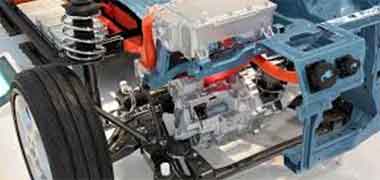
EV traction motor housing machining with integrated liquid cooling water jacket channels (channel position ±0.1mm relative to stator bore centerline), O-ring groove sealing geometry (groove width ±0.05mm; depth ±0.02mm), coolant port threading, and 100% pressure decay leak testing. Stator bore H7 ±0.008mm with 100% CCD sorting; stator bore roundness ±0.002mm for NVH compliance; bearing housing concentricity to stator bore ±0.003mm for high-speed operation at 10,000–20,000 RPM. Integrated e-axle housing machining, hybrid motor-generator housing, and EV hub motor housing machining. IATF 16949 PPAP Level 3.

Servo and Spindle Motor Housing Machining

Servo & Spindle Motor Housing Machining

Servo motor housing machining requiring the tightest motor housing specifications — stator bore roundness ±0.002mm, bearing housing concentricity ±0.002mm, flange register diameter h6 tolerance (±0.008mm) for CNC machine tool axes, robot joints, and precision positioning systems. High-speed spindle motor housing machining for 10,000–80,000 RPM CNC machining center spindles (bearing housing H5 ±0.006mm; bore roundness ±0.001mm). Torque motor housing machining for large-diameter direct drive applications (stator bore Ø200mm–Ø1,500mm ±0.010mm). Stepper motor housing machining for 3D printers and laboratory instruments (stator bore ±0.005mm; mounting flange hole pattern ±0.02mm).

Drone BLDC Motor Housing Machining

BLDC & Drone Motor Housing Machining

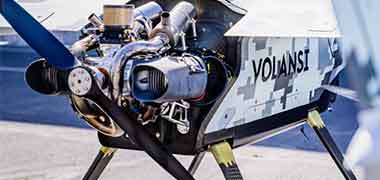
Miniature BLDC drone motor housing machining in ultra-lightweight aluminum 7075-T6 or 6061-T6 — 1.5mm minimum wall thickness for drone mass optimization; stator bore ±0.005mm for correct stator press-fit; mounting flange hole pattern ±0.02mm for drone frame arm mounting compliance; external cooling fin geometry for passive cooling without forced ventilation fans. Gimbal and camera stabilizer motor housing machining on Swiss CNC lathes at Ø20mm–Ø60mm motor housing diameters (stator bore ±0.003mm; gimbal mounting flange ±0.01mm for correct stabilization axis alignment). Industrial BLDC servo drive and robotic joint actuator motor housing machining.

Miniature and Appliance Motor Housing Machining

Miniature, Appliance & Medical Motor Housing Machining

Household appliance motor housing machining for washing machine drum drives, vacuum cleaner motors, power tool enclosures, and kitchen appliance motor bodies — high-volume aluminum die cast with IATF 16949 documentation for major appliance OEM supply chains. Medical device motor housing machining in 316L stainless steel or anodized aluminum for surgical tools, infusion pumps, ventilators, and medical imaging equipment — ISO 13485 quality documentation, cleanroom packaging, biocompatible materials. Instrumentation motor housing on Swiss CNC lathes: stator bore ±0.003mm, housing roundness ±0.001mm for highest-precision laboratory and scientific instrument motor performance.

Wind Energy Marine Aerospace Motor Housing

Wind Energy, Marine & Aerospace Motor Housing

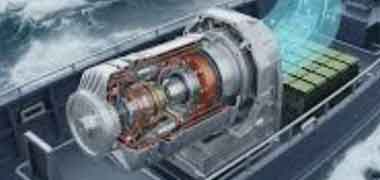
Wind turbine pitch drive and yaw drive motor housing machining in robust cast iron or ductile iron for outdoor nacelle installation environments. Marine propulsion motor housing, anchor windlass motor housing, and offshore platform equipment motor housing machining in marine-grade aluminum and 316L stainless steel with corrosion-resistant surface treatments for permanent seawater service. Aerospace actuator motor housing, aircraft fuel pump motor enclosures, and defense electromechanical actuator motor housing machining in aluminum 7075-T6 with AS9100D certification and FAIR per AS9102 for flight-critical motor programs.

Every motor housing machining program ships with full material traceability from casting heat and lot through finished motor housing, Mitutoyo CMM full dimensional report (stator bore diameter, roundness, cylindricity, bearing housing concentricity, flange bolt circle, flange face flatness, water jacket geometry, wall thickness), Mitutoyo roundness tester measurement records, surface treatment certifications, and 100% leak test records for liquid-cooled EV motor housing programs — with PPAP Level 3 for automotive EV programs and FAIR per AS9102 for aerospace programs. Records retained minimum 15 years.

Industries & Applications

CNCPioneer's motor housing machining serves electric motor manufacturers, automotive EV OEM suppliers, industrial automation producers, drone motor developers, household appliance manufacturers, medical device OEMs, wind energy equipment producers, and marine and aerospace motor system integrators worldwide through China motor housing factories providing competitive pricing with IATF 16949 quality documentation.

EV and Automotive Motor

Electric Vehicle & Automotive

Motor housing machining for EV traction motor housings, hybrid vehicle motor-generator housings, e-axle integrated drive housings, EV HVAC motor housings, and automotive cooling fan motor housings with IATF 16949 certification and PPAP Level 3 documentation for automotive OEM supply chains serving BMW, Volkswagen, Tesla, BYD, and Tier 1 EV drivetrain suppliers. 100% leak testing on all liquid-cooled EV motor housing programs.

Industrial Automation Motor

Industrial Automation & Robotics

Motor housing machining for industrial servo motor housings, CNC machine tool spindle motor housings (H5 bearing bore ±0.006mm; 10,000–80,000 RPM), robot joint actuator motor housings, and linear motor primary housings for factory automation equipment manufacturers requiring precision stator bore roundness ±0.002mm and bearing housing concentricity ±0.003mm for servo motor positioning accuracy.

Drone UAV Motor

Drone & UAV Systems

Aluminum motor housing machining for multirotor UAV BLDC motor housings, fixed-wing UAV propulsion motor housings, and drone gimbal brushless motor housings requiring ultra-lightweight aluminum 7075-T6 material, 1.5mm minimum wall thickness, and ±0.005mm stator bore tolerance. China motor housing quotes pricing competitive with drone market economics while maintaining stator bore roundness for drone motor performance compliance.

Consumer Appliance Motor

Consumer Electronics & Appliances

High-volume motor housing machining for washing machine motor housings, vacuum cleaner motor enclosures, power tool motor bodies, and kitchen appliance motor housings with aluminum die cast material and competitive China motor housing quotes pricing for high-volume consumer product programs. IATF 16949 documentation and 100% CCD dimensional sorting for consumer appliance motor housing OEM supply chains.

Medical Device Motor

Medical Devices & Pharmaceutical

Precision motor housing machining for surgical tool drive motor housings, infusion pump motor enclosures, and diagnostic imaging equipment motor housings in 316L stainless steel with ISO 13485 quality documentation and electropolished Ra ≤ 0.4μm surfaces for medical equipment compliance. Biocompatible materials, cleanroom-compatible packaging, and FDA cGMP compliant documentation for pharmaceutical process equipment motor housing applications.

Wind Energy Marine Motor

Wind Energy, Marine & Aerospace

Wind turbine pitch and yaw drive motor housing machining in robust cast iron/ductile iron for outdoor nacelle environments. Marine propulsion and offshore platform motor housing machining in marine-grade aluminum and stainless steel for permanent seawater service. Aerospace actuator and fuel pump motor housing machining in aluminum 7075-T6 and titanium with AS9100D certification and FAIR documentation per AS9102 for flight-critical motor programs.

Electric Motor Housing Manufacturing
Process & Capabilities

CNCPioneer's electric motor housing manufacturing process takes cast or forged motor housing blanks through a six-phase controlled production sequence — incoming PMI inspection, rough machining, semi-finish machining, finish boring, surface treatment, and final inspection — delivering dimensionally compliant motor housing components with complete PPAP Level 3 or FAIR quality records and 24-hour China motor housing quotes turnaround.

01 · PHASE 1

Incoming Material Inspection

XRF composition verification confirming aluminum alloy or iron grade compliance for every motor housing blank lot · Hardness testing: AlSi9Cu3 die cast 85–95 HBW; GGG-40 ductile iron 140–200 HBW; 316L stainless ≤200 HBW · Visual inspection of all casting surfaces for porosity, cold shut, and misrun defects on stator bore boss and bearing boss areas · Dimensional verification of blank machining allowances — minimum 2.5mm stock on stator bore, bearing housing bores, and mounting faces · PMI documentation for stainless steel motor housing blanks.

02 · PHASE 2

Rough & Semi-Finish Machining

Rough machining establishes primary motor housing datum reference surface (motor housing OD or bore), rough faces both end faces leaving 0.5mm stock, rough bores stator bore and bearing housing positions to within 1.0mm of finish diameter, rough machines cooling fin OD profile and water jacket pocket geometry · Semi-finish machining reduces remaining stock to 0.1–0.2mm on all critical surfaces for stress relief verification before committing to finish cuts in the electric motor housing manufacturing process.

03 · PHASE 3

Stator Bore & Bearing Housing Finish Boring

PCD boring bar stator bore finish: H7 ±0.010mm standard / ±0.005mm high-precision; roundness ±0.003mm standard / ±0.002mm precision servo and EV; cylindricity ±0.005mm/100mm; Ra 1.6μm / Ra 0.8μm high-precision · Bearing housing finish boring: drive end H6 ±0.008mm; non-drive end J7/K7 floating position; roundness ±0.002mm; Ra 0.8μm; drive-to-non-drive concentricity ±0.003mm standard / ±0.002mm precision · Mounting flange finish: IEC register diameter h6 ±0.008mm; bolt circle ±0.02mm per IEC 60072-1; flange face flatness 0.005mm.

04 · PHASE 4

Cooling System & Surface Treatment

TEFC external cooling fin machining: fin height consistency ±0.3mm · EV liquid-cooled water jacket channel machining: channel width ±0.1mm; channel depth ±0.1mm; O-ring groove width ±0.05mm / depth ±0.02mm; coolant port thread NPT/BSP/metric ±0.005mm pitch diameter · Surface treatment: hard anodize MIL-A-8625 Type III for aluminum motor housing; two-component epoxy + polyurethane for cast iron motor housing; ASTM A967 passivation for stainless steel motor housing; electropolishing Ra ≤ 0.4μm for medical and food-grade motor housing.

05 · MATERIALS

Motor Housing Materials

AlSi9Cu3 / ASTM A380 die cast (dominant EV and industrial aluminum motor housing; thermal conductivity 96 W/m·K; tensile 320 MPa) · AlSi10Mg / ASTM A360 die cast (premium thermal conductivity 130 W/m·K for high-power-density EV motors) · AlSi7Mg / ASTM A356-T6 (aerospace and precision servo motor housing; minimum porosity) · 6061-T6 and 7075-T6 wrought billet (prototype and drone motor housing) · GG-25 gray iron (IEC 160–450 industrial motors) · GGG-40 ductile iron (heavy-duty and wind turbine motor housings) · 316L / 304 stainless steel (food, pharmaceutical, marine).

06 · DOCUMENTATION

IATF 16949 / AS9100D Documentation

PPAP Level 3 for automotive EV motor housing OEM programs: APQP, FMEA, MSA Gage R&R for stator bore air gauge and roundness tester, process capability Cpk ≥ 1.67 on stator bore diameter and roundness, bearing housing diameter and concentricity, flange register diameter · FAIR per AS9102 for aerospace and drone motor housing programs · 100% CMM + roundness tester for all motor housing critical bore dimensions · 100% pressure decay leak test records for liquid-cooled EV motor housings · Certificate of Conformance · Records retained minimum 15 years.

Materials for Motor Housing
Machining

Motor housing material selection is governed by thermal conductivity for motor heat rejection, mechanical strength for stator bore and bearing boss structural loads, castability for complex cooling geometry, mass requirements (critical for EV and drone motors), corrosion resistance for service environment, and machinability for stator bore roundness and surface finish. Aluminum die cast alloys dominate modern EV and industrial servo motor housing design; cast iron serves heavy-duty industrial motors and wind turbine drives where mass is not a constraint.

Cast Aluminum

AlSi9Cu3 / ASTM A380

Most widely used aluminum motor housing material for high-volume die casting — excellent die casting characteristics for complex water jacket geometry, thermal conductivity 96 W/m·K for motor heat rejection through aluminum motor housing body, tensile strength 320 MPa, hardness 85–95 HBW. Standard aluminum motor housing alloy for automotive EV traction motor housings, industrial servo motor housings, and high-volume appliance motor housing die casting production.

Cast Aluminum

AlSi10Mg / ASTM A360

Thermal conductivity 130 W/m·K (35% higher than AlSi9Cu3) — preferred for high-power-density EV motor housing applications where maximum stator heat rejection is the primary thermal design objective. Preferred alloy for sand cast and permanent mold aluminum motor housing programs where die casting tooling investment is not justified. Good weldability for cast aluminum motor housing repair. T6 condition: tensile strength 310 MPa.

Cast Aluminum

AlSi7Mg / ASTM A356-T6

Premium cast aluminum motor housing alloy for aerospace motor housing, high-performance servo motor housing, and precision instrument motor housing applications requiring maximum structural integrity with minimum casting porosity. T6 condition: tensile strength 280 MPa with excellent elongation (8%) for motor housing applications subject to thermal cycling and mechanical vibration loading. Used in aerospace actuator motor housing and racing performance motor housing.

Wrought Aluminum

6061-T6

Thermal conductivity 167 W/m·K — highest thermal conductivity of any common aluminum motor housing alloy. Wrought aluminum 6061-T6 for billet-machined aluminum motor housing programs where casting porosity is unacceptable — precision spindle motor housing, aerospace actuator motor housing, and prototype aluminum motor housing development. Zero-porosity stator bore surfaces for maximum press-fit reliability. Fastest prototype delivery: 5–7 business days.

Wrought Aluminum

7075-T6

Tensile strength 503 MPa · Highest-strength aluminum motor housing material for weight-critical aerospace and drone motor applications where 6061-T6's lower yield strength would require thicker motor housing walls exceeding drone motor mass budget allocations. 7075-T6 enables minimum-wall-section aluminum motor housing at required structural load rating, offsetting its higher material cost in mass-critical drone and aerospace motor housing applications.

Wrought Aluminum

2024-T351

Excellent fatigue strength · High-cycle motor housing applications subject to vibration and thermal fatigue loading — precision spindle motor housing exposed to high-cycle mechanical vibration at machining center spindle RPM, and dynamic motor housing applications where fatigue crack initiation resistance is a primary material selection criterion alongside the thermal conductivity that all aluminum motor housing applications require.

Gray Iron

GG-25 / ASTM A48 Class 30

Brinell hardness 180–230 HBW · Dominant motor housing material for large IEC 160–450 frame industrial AC induction motors — excellent vibration damping (4–6× higher damping capacity than aluminum) reducing motor NVH at equivalent structural cross-section, good machinability, cost efficiency for heavy motor housing production. Standard motor housing material for pumps, fans, compressors, and conveyor drives where motor mass is not a primary design constraint.

Ductile Iron

GGG-40 / ASTM A536

Charpy impact energy minimum 12 J at room temperature · High-impact motor housing for wind turbine pitch and yaw drive motors subject to shock loading from turbine blade aerodynamic loads, and heavy-duty industrial motor housing in crusher drives, mining equipment, and agricultural machinery where cast iron's impact resistance and vibration damping justify its density disadvantage over aluminum motor housing alternatives.

Steel

4140 / 4340 Alloy Steel

Tensile strength 900–1,200 MPa (heat treated) · High-load motor housing applications exceeding ductile iron capability — heavy construction equipment motor housing, specialty high-torque actuator motor housing, and military motor housing where structural load calculations require steel's strength at required motor housing wall dimensions. Machined from forging or round bar stock for maximum material integrity.

Stainless Steel

316L Stainless

Non-magnetic · Excellent corrosion resistance · Food processing motor housing in wash-down environments, pharmaceutical process motor housing requiring FDA cGMP material compliance, and marine propulsion motor housing in permanent seawater service where conventional aluminum and cast iron motor housing corrosion resistance is inadequate. Electropolished Ra ≤ 0.4μm for CIP/SIP cleaning compliance in food and pharmaceutical motor applications.

Stainless Steel

304 / 304L Stainless

Lower cost than 316L (15–25% material cost reduction) · Motor housing for general corrosion-resistant indoor applications — instrument motor housing, laboratory equipment motor housing, and light industrial motor housing in moderate chemical environments where 316L's molybdenum content is not required. 304L low-carbon grade for welded stainless motor housing assembly configurations.

Lightweight

Magnesium AZ91D

Ultra-low density 1.81 g/cm³ (35% lighter than aluminum) · For aerospace and ultra-premium drone motor housing where absolute minimum motor housing mass is the primary design constraint — gimbal stabilization motor housing applications where every gram of motor mass reduces gimbal actuator torque requirements, and aerospace motor housing where payload mass reduction is the dominant program objective.

AlSi9Cu3 (ASTM A380) is the dominant aluminum motor housing material for high-volume EV traction motor and industrial servo motor die casting — providing the optimal balance of die castability, mechanical properties, and thermal conductivity for standard motor housing programs. AlSi10Mg (ASTM A360) provides 35% higher thermal conductivity for maximum heat rejection in high-power-density EV motor housing. GG-25 gray iron dominates large IEC 160–450 frame industrial motor housing where mass is not a constraint and vibration damping is valued. 316L stainless steel is standard for food, pharmaceutical, and marine motor housing applications. 7075-T6 wrought billet is specified for drone motor housing and aerospace motor housing where minimum mass at required structural strength is the primary design criterion. CNCPioneer's 24-hour China motor housing quotes include material selection guidance.

Surface Treatments for
Motor Housing Components

Motor housing surface treatment selection is governed by corrosion resistance for the motor installation environment (indoor industrial, outdoor weather exposure, marine, food processing), thermal emissivity for TEFC and liquid-cooled motor housing heat dissipation, electrical conductivity for motor frame grounding and EMC shielding, wear resistance at stator bore and bearing boss surfaces, and dimensional impact on precision machined bore and sealing dimensions.

Au · MIL-G-45204

Hard Anodize — MIL-A-8625 Type III (Aluminum)

Standard surface treatment for aluminum motor housing exterior surfaces — HV 400+ surface hardness for corrosion resistance and wear protection in industrial motor operating environments. Black hard anodize on aluminum motor housing exterior surfaces increases thermal emissivity from 0.05 (bare aluminum) to 0.8–0.9, significantly improving TEFC motor housing heat dissipation from the fin surface to ambient air. Dimensional allowance (25–50μm coating thickness) incorporated in aluminum motor housing machining drawings. Standard treatment for EV traction motor housing exterior surfaces.

Ag · ASTM B700

Chemical Film — MIL-DTL-5541 (Aluminum)

Alodine chromate conversion coating for aluminum motor housing applications requiring electrical conductivity for motor frame grounding and EMC shielding continuity in EV traction motor housing and industrial servo motor housing. Class 3 for minimum-resistance electrical bonding at motor housing mating interfaces and thermal interface contact surfaces where electrical continuity to EV motor controller grounding circuit is required. Zero dimensional impact on precision stator bore and bearing housing dimensions — critical advantage for EV motor housing mounting flange mating surfaces.

Sn · MIL-T-10727

Epoxy Primer + Polyurethane Topcoat (Cast Iron)

Two-component epoxy primer plus polyurethane topcoat for cast iron motor housing exterior surfaces in outdoor industrial motor installation environments — pump station motor housings, outdoor conveyor drive motor housings, and wind turbine nacelle equipment motor housings. Stator bore and bearing housing surfaces masked during painting to maintain Ra 1.6μm stator bore finish and H7 bore diameter tolerance after surface treatment application. Standard RAL 7031 industrial grey or RAL 5015 sky blue for IEC standard motor housing color identification.

Pd-Ni · HV 400–600

Passivation — ASTM A967 (Stainless Steel)

Standard surface treatment for all stainless steel motor housing components in food processing, pharmaceutical, and marine motor applications — removes free iron and machining surface contamination, enhances chromium oxide passive layer for maximum corrosion resistance in wash-down, chemical, and seawater motor service environments. Stator bore and bearing housing surfaces passivated with identical treatment as exterior surfaces — zero dimensional impact ensuring H7 bore diameter compliance after passivation treatment. Standard documentation for FDA cGMP regulated pharmaceutical motor housing programs.

Ni · AMS 2403

Electropolishing (Stainless Steel Motor Housing)

Electrochemical surface smoothing to Ra ≤ 0.4μm for food-grade and pharmaceutical stainless steel motor housing applications requiring minimum surface roughness for CIP/SIP (clean-in-place/sterilize-in-place) cleaning compliance. Electropolished stainless steel motor housing interior surfaces reduce biofilm adhesion and bacterial colonization in food processing and pharmaceutical motor housing wash-down environments. Standard surface treatment for FDA 21 CFR Part 117 food safety compliant motor housing applications in food and beverage production equipment.

Rh · HV 800–1000

Nickel Plating & Zinc Coating (Specialty)

Electroless nickel plating for stainless steel motor housing components requiring enhanced wear resistance at bearing boss exterior surfaces and shaft seal housing bore interfaces in marine and chemical motor applications. Hot-dip zinc galvanizing or zinc-rich primer for cast iron and carbon steel motor housing components in permanently outdoor-installed industrial motor programs where long-term corrosion protection is required without the cost of stainless steel motor housing material. Both treatments applied with stator bore and bearing housing surfaces masked to maintain dimensional compliance.

All motor housing surface treatments — hard anodize MIL-A-8625 Type III, chemical film MIL-DTL-5541, epoxy-polyurethane paint, ASTM A967 passivation, electropolishing, and electroless nickel/zinc coating — are applied with stator bore and bearing housing surfaces masked where required to maintain stator bore diameter H7 tolerance and Ra surface finish compliance after treatment. Surface treatment certifications are included in every motor housing shipment documentation package. Surface treatment selection is included in CNCPioneer's 24-hour China motor housing quotes DFM review service.

IATF 16949 Quality Assurance for
Motor Housing Manufacturing

CNCPioneer's motor housing manufacturing quality system applies IATF 16949 statistical process control protocols to every automotive EV motor housing program and AS9100D aerospace quality framework to every aerospace and drone motor housing program — ensuring stator bore roundness, bearing housing concentricity, flange register diameter accuracy, and coolant sealing integrity across all motor housing production.

01

Contract & Drawing Review

Engineering review of motor housing machining drawing requirements, applicable IEC 60072-1, NEMA MG1, or customer motor OEM specifications, stator bore tolerance and roundness specification confirmation, cooling system geometry assessment, surface treatment callouts, and PPAP or FAIR requirements before motor housing manufacturing process order acceptance. All stator bore, bearing housing concentricity, and flange register diameter specification questions resolved before production release.

02

Material Incoming Inspection

XRF PMI composition verification confirms aluminum alloy and cast iron grade compliance for every motor housing blank lot. Hardness testing verifies heat treatment condition — AlSi9Cu3 die cast 85–95 HBW; GGG-40 ductile iron 140–200 HBW; 316L stainless ≤200 HBW. Dimensional verification of casting blank machining allowances on stator bore boss, bearing housing boss, and mounting face areas. Visual inspection of casting quality for porosity and cold shut defects before motor housing manufacturing process release. Full lot traceability from casting heat and lot through finished motor housing shipment.

03

PPAP Level 3 & FAIR per AS9102

IATF 16949 PPAP Level 3 for automotive EV motor housing programs: complete CMM + roundness tester dimensional verification with balloon drawing, MSA Gage R&R studies for stator bore air gauge and roundness tester measurement systems, process capability study confirming Cpk ≥ 1.67 on stator bore diameter and roundness, bearing housing diameter and concentricity, flange register diameter special characteristics. FAIR per AS9102 for aerospace and drone motor housing programs. Both require customer approval before production quantity release.

04

In-Process Statistical Control

Real-time stator bore diameter monitoring by air gauge at defined production intervals. 100% CCD automatic sorting for critical motor housing stator bore and bearing housing dimensions. SPC control charts with Cpk ≥ 1.67 on IATF special characteristics. Mandatory inspection sign-off at stator bore finish boring and bearing housing finish machining operations. 100% pressure decay leak testing on all liquid-cooled EV motor housing programs — every unit tested before shipment, leak test records included in motor housing documentation package.

05

Final Inspection

Mitutoyo CMM (±0.001mm) full dimensional report covering stator bore diameter, bearing housing diameter and concentricity to stator bore, flange bolt circle and register diameter, flange face flatness, water jacket geometry, O-ring groove dimensions, and wall thickness. Mitutoyo roundness tester (0.0001mm resolution) stator bore and bearing housing roundness and cylindricity measurement. Surface roughness profilometry on stator bore and bearing housing. Thread gauge verification for all coolant port and mounting thread features. Visual inspection for burrs on stator bore seating surfaces.

06

Shipment Documentation Package

Certificate of Conformance, CMM dimensional report, roundness tester measurement records, material certifications with full lot traceability from casting heat through finished motor housing, PPAP Level 3 package for automotive EV motor programs, FAIR per AS9102 for aerospace programs, surface treatment certifications, 100% leak test records for liquid-cooled EV motor housings, and program-specific documentation. All motor housing quality records retained minimum 15 years for automotive EV motor housing programs.

IATF 16949 & AS9100D Quality System for
Motor Housing Machining

CNCPioneer holds IATF 16949:2016 certification for automotive EV traction motor housing and industrial motor housing OEM supply programs and AS9100D certification for aerospace and drone motor housing programs — providing the independently audited quality framework that automotive EV motor OEM procurement and aerospace motor housing qualification require across all motor technology categories.

01

PPAP Level 3 (Automotive EV Motor Housing)

Complete IATF 16949 PPAP Level 3 documentation for every new automotive EV motor housing part number — APQP, FMEA with critical manufacturing process risks identified, MSA Gage R&R studies for stator bore air gauge and Mitutoyo roundness tester measurement systems, process capability study confirming Cpk ≥ 1.67 on stator bore diameter, roundness, bearing housing concentricity, and flange register diameter special characteristics. Customer approval required before automotive EV motor housing production quantity release.

  • PPAP Level 3 for every new EV motor P/N
  • MSA for stator bore air gauge + roundness tester
  • Records retained minimum 15 years
02

Stator Bore Roundness — 0.0001mm Resolution Measurement

Mitutoyo roundness tester with 0.0001mm resolution measures every production motor housing stator bore and bearing housing roundness — the most critical motor housing dimensional parameter governing air gap uniformity, torque ripple, and NVH. Results documented in roundness measurement report included in PPAP and FAIR documentation packages. 100% CCD automatic sorting on stator bore diameter; roundness tester verification on defined statistical samples per SPC control plan.

  • Roundness tester: 0.0001mm resolution
  • Stator bore roundness: ±0.002mm EV/servo
  • Bearing-to-stator concentricity: ±0.003mm
03

100% Leak Testing — EV Liquid-Cooled Motor Housing

100% pressure decay leak testing on every liquid-cooled EV traction motor housing before shipment — the most distinctive quality control step in EV motor housing manufacturing versus conventional TEFC industrial motor housing. Pressure decay testing confirms complete sealing of water jacket channels, O-ring groove seating surfaces, and coolant port thread engagement against coolant leakage at EV motor operating pressure and thermal cycling. Leak test pass/fail records included in every EV motor housing shipment documentation package.

  • 100% pressure decay leak test
  • O-ring groove: width ±0.05mm / depth ±0.02mm
  • Coolant port thread: ±0.005mm pitch diameter
04

Cpk ≥ 1.67 / Air Gauge 100% Stator Bore Sorting

Statistical process control with Cpk ≥ 1.67 minimum on all IATF 16949 motor housing special characteristics — stator bore diameter, bearing housing diameter, flange register diameter, and bearing-to-stator concentricity. 100% CCD automatic sorting for critical motor housing stator bore and bearing housing dimensions on high-volume EV traction motor housing and appliance motor housing production programs. Air gauge stator bore diameter monitoring at defined production intervals for real-time process drift detection.

  • Cpk ≥ 1.67 on all special characteristics
  • 100% CCD sorting on critical bore dims
  • Air gauge in-process monitoring
IATF 16949:2016 Automotive Certified · AS9100D Aerospace & Defense Certified · ISO 10012:2003 Measurement Certified · PPAP Level 3 for automotive EV motor housing OEM programs · FAIR per AS9102 for aerospace and drone motor housing programs · 100% leak testing on all liquid-cooled EV motor housing · Cpk ≥ 1.67 on stator bore and bearing housing special characteristics · Mitutoyo roundness tester 0.0001mm resolution · Records retained minimum 15 years · Product qualification rate: 99% · On-time delivery: 100%.
78+
Swiss CNC Lathes
66+
MAZAK Mill-Turn Centers
±0.002mm
Stator Bore Roundness
40–60%
Cost vs. Western Suppliers

Motor Housing Machining FAQ

Common questions from electric motor OEMs, automotive EV traction motor suppliers, industrial automation motor producers, drone motor developers, and appliance manufacturers about CNCPioneer's motor housing machining capabilities, stator bore roundness, EV liquid cooling requirements, IEC/NEMA frame coverage, and China motor housing quotes.

The stator bore roundness is the single most critical dimension in electric motor housing machining because it governs air gap uniformity — the radial clearance between stator bore surface and rotor OD — around the complete circumference of the motor. A stator bore roundness error of 0.01mm in a motor with a 0.3mm designed air gap produces ±3.3% air gap variation around the circumference, generating space harmonic flux components that produce electromagnetic torque ripple, bearing radial force variation at twice the electrical fundamental frequency, and increased motor vibration and noise. For standard industrial motors, CNCPioneer achieves stator bore roundness of ±0.003mm — producing air gap variation of less than ±1% in typical motor designs. For precision servo motors and EV traction motors with NVH requirements, we achieve ±0.002mm stator bore roundness using PCD boring bars with roundness measurement verification on every production part, measured using a Mitutoyo roundness tester with 0.0001mm resolution providing traceable dimensional records in the motor housing PPAP documentation.

For high-volume EV traction motor housing die casting production, we recommend AlSi9Cu3 (ASTM A380, EN AC-46000) as the primary material — providing excellent die casting characteristics for complex EV motor housing geometry including integrated water jacket channels, the mechanical properties (tensile strength 320 MPa) adequate for EV motor housing structural loads, and thermal conductivity (96 W/m·K) supporting EV motor heat rejection requirements. For EV motor housing programs prioritizing maximum thermal conductivity for high-power-density EV motors where stator heat flux is the primary thermal design constraint, AlSi10Mg (ASTM A360) in T6 condition provides thermal conductivity of 130 W/m·K — 35% higher than AlSi9Cu3 — at comparable mechanical properties. For low-volume EV motor housing prototype and engineering model programs where die casting tooling investment is not justified, wrought aluminum 6061-T6 billet machining eliminates casting tooling lead time (typically 6–10 weeks), delivering first article prototype EV motor housings in 5–7 business days from drawing receipt.

Liquid-cooled EV motor housing machining differs from standard TEFC motor housing machining in four key areas. First, integrated cooling channel machining — EV motor housing water jacket channels must be machined in relationship with the stator bore datum to ensure correct coolant channel proximity to stator heat generation zones; TEFC motor housing requires only external fin geometry with no critical dimensional relationship to the stator bore. Second, sealing geometry precision — EV motor housing requires O-ring groove width (±0.05mm) and depth (±0.02mm) accuracy for reliable coolant sealing under EV motor operating pressure and thermal cycling; TEFC motor housing requires no coolant sealing. Third, leak testing — 100% pressure decay leak testing of all liquid-cooled EV motor housing is mandatory before shipment; TEFC motor housing requires no leak testing. Fourth, thermal interface surface finish — EV motor housing stator bore Ra 0.8μm is required for reliable thermal compound bonding at the stator-to-housing thermal interface; TEFC motor housing typically uses stator press-fit without thermal compound requiring Ra 1.6μm standard.

CNCPioneer's motor housing machining covers IEC 60072-1 standard motor frame sizes from IEC 63 through IEC 450 for B3 foot-mount, B5 flange-mount, and B14 face-mount motor configurations, and NEMA MG1 frame sizes from NEMA 42 through NEMA 449 for standard foot and flange motor mounting. For IEC motor housing machining, flange register diameter and bolt circle are machined to IEC 60072-1 Table 1 dimensional standards with register diameter tolerance h6 (±0.008mm) and bolt circle accuracy ±0.02mm for all IEC standard frame sizes. For non-standard motor frame sizes or custom motor mounting configurations, CNCPioneer's motor housing machining produces customer-specified mounting geometry with equivalent dimensional accuracy — the same MAZAK mill-turn machining capability and CMM verification protocol applies equally to custom mounting geometry as to standard IEC or NEMA frame configurations.

China motor housing quotes are provided within 24 hours of drawing and quantity submission. Prototype motor housing lead times from China motor housing factories: aluminum billet 6061-T6 motor housing without surface treatment — 5–7 business days; aluminum motor housing with hard anodize — 8–12 business days; cast iron motor housing with supplied casting blank — 7–10 business days machining; stainless steel motor housing — 7–10 business days. Die cast aluminum motor housing prototypes requiring new casting tooling: 4–6 weeks casting tooling production plus 5–7 business days first article machining. EV motor housing programs requiring integrated water jacket machining and leak testing: add 3–5 business days for leak test and documentation. Production quantity lead times: standard aluminum or cast iron motor housing — 3–5 weeks; EV traction motor housing with PPAP documentation — 5–7 weeks first article PPAP program; 4–5 weeks reorder production quantities under established blanket order programs.

CNCPioneer's China motor housing manufacturer quality produces stator bore roundness, bearing housing concentricity, flange register diameter accuracy, cooling system geometry, and IATF 16949 documentation quality equivalent to established European motor housing factories. The quality enablers — MAZAK mill-turn motor housing machining at ±0.005mm standard accuracy, dedicated PCD boring tooling for aluminum stator bore finish at ±0.002mm roundness, Mitutoyo CMM at ±0.001mm, Mitutoyo roundness tester at 0.0001mm resolution, SII XRF material composition verification, 100% air gauge stator bore sorting, 100% pressure decay leak testing for EV motor housings, and IATF 16949 certified quality system with Level 3 PPAP documentation — are equivalent to those at European motor housing factories. China motor housing manufacturer customers evaluating CNCPioneer quality can verify through IATF 16949 certification scope documentation, PPAP sample packages from previous motor housing programs, roundness measurement records showing ±0.002mm stator bore roundness compliance, and on-site China motor housing factory qualification audits. The 40–60% China motor housing quotes price advantage reflects China manufacturing economics — not reduced quality capability.

Get China Motor Housing Quotes

Upload your motor housing drawing or CAD file and receive free DFM review and competitive China motor housing quotes within 24 hours. CNCPioneer's engineering team will review your motor housing design for machining feasibility, confirm stator bore tolerance and roundness specifications for motor performance compliance, assess cooling system geometry for EV liquid-cooled motor housing programs, verify bearing housing concentricity specifications, recommend aluminum alloy material for your motor application, identify critical motor housing manufacturing process dimensions requiring special inspection controls, and provide complete motor housing machining quotes including PPAP documentation for automotive EV motor programs or FAIR documentation for aerospace motor housing programs.

Upload Drawing or CAD (STEP, IGES, SolidWorks) → 24-Hour China Motor Housing Quotes → IATF 16949 Certified Motor Housing Machining