
Stainless Steel
Fittings
CNCPioneer is an AS9100D and IATF 16949 certified China stainless steel fittings manufacturer delivering ASME B16.11 socket weld and threaded fittings, ASME BPE Tri-Clamp hygienic fittings, compression tube fittings, ORFS SAE J1453, and multi-port manifold fitting bodies in 303, 304, 316L, 316Ti, 17-4PH H900, and 2205 duplex — 100% pressure test per sealed fitting serial number, ASME BPE SF3 EP Ra ≤0.25μm, multi-port C-axis ±0.020° on 78+ Swiss CNC lathes and 66+ MAZAK mill-turn centers since 2011.

What Are Stainless Steel
Fittings?
Stainless steel fittings are precision CNC turned, milled, and surface-treated metallic connection components — manufactured from 303, 304, 316L, 316Ti, 17-4PH H900, and 2205 duplex stainless steel alloys on 78+ Swiss CNC lathes with guide bushing, 66+ MAZAK mill-turn centers with full C-axis live tooling, and MAZAK VARIAXIS 5-axis platforms — that connect, route, seal, distribute, adapt, and control fluid flow within piping, tubing, and hose systems across every industrial, pharmaceutical, food, marine, semiconductor, automotive, and aerospace application where corrosion resistance, hygienic surface quality, elevated temperature performance, or material biocompatibility governs the selection of stainless steel over alternative fitting materials.
The stainless steel fitting manufacturing challenge that separates quality precision-turned stainless fittings from commodity-grade supply lies in work-hardening sensitivity: 316L stainless work-hardens from HRB 80 bulk to HRC 35–42 surface when chip load drops below 0.10 mm/rev at any point in the turning, boring, or threading cycle — producing fitting bores, thread forms, and sealing surface finishes that appear dimensionally conforming on the CMM but carry residual tensile stress and hardened surface layers that cause premature fatigue failure, seal leakage, and thread galling in service. CNCPioneer's stainless fittings programs enforce grade-specific chip load minimums, 70 bar through-spindle coolant, positive-rake PVD TiAlN tooling, and insert change discipline across every 316L, 304, and 2205 duplex program.
-
Work-hardening prevention as the process foundation Feed rate ≥0.10 mm/rev (316L/304) or ≥0.12 mm/rev (2205 duplex) enforced on all turning, boring, and facing passes; no programmed dwell at any diameter transition; PVD TiAlN positive-rake (+5°) carbide inserts; 70 bar through-spindle coolant; insert change at VB ≤0.12mm — the protocol that prevents thread galling, O-ring groove corner cracking, and cone seat hardening in stainless fittings.
-
MAZAK mill-turn single-setup for multi-port accuracy C-axis indexed multi-port angular positions at ±0.020° from single MAZAK mill-turn setup — versus ±0.050–0.200° from multi-machine sequential operations. Governing pharmaceutical reactor distribution manifolds, offshore process manifolds, and any fitting body where port angular accuracy determines correct piping installation.
-
ASME BPE hygienic DFM — crevice-free geometry guaranteed CNCPioneer's 48-hour DFM reviews all bore intersections from customer 3D CAD for 3-A SSI crevice ≤0.5mm compliance and EHEDG drainage ≥3° before machining commitment. VARIAXIS 5-axis blending pass at bore junctions eliminates the 0.8–2.0mm crevice depths that standard drilling produces at pharmaceutical fitting bore intersections.
-
40–60% China stainless fittings cost advantage Case study: 316L ASME BPE SF3 Tri-Clamp manifold at CHF 148/body (CNCPioneer, 35,000/year) versus CHF 285/body (Swiss/German supplier) — CHF 4,795,000 annual saving while delivering compliant SF3 Ra ≤0.25μm documentation, 3-A crevice-free geometry, and full ASME BPE documentation package.

Why CNCPioneer for
Stainless Steel Fittings?
Among stainless steel fittings manufacturers globally, CNCPioneer's work-hardening prevention protocol, single-setup multi-port accuracy, complete grade expertise from 303 to 2205 duplex, 100% pressure test standard, ASME BPE hygienic DFM, and China cost advantage establish our factory as the preferred custom stainless steel fitting partner across pharmaceutical, chemical, marine, food, semiconductor, automotive, and aerospace supply chains.
Stainless Work-Hardening Prevention — The Process Foundation
The most consequential quality failure in stainless steel fitting manufacturing is not dimensional non-conformance but surface integrity violation from work-hardening — producing threads that gall, O-ring groove corners that cut the O-ring, and cone seats that prevent proper ferrule deformation. CNCPioneer's mandatory protocol: feed ≥0.10 mm/rev (316L/304), ≥0.12 mm/rev (2205 duplex) all turning, boring, and facing passes; no programmed dwell at any bore or shoulder transition; PVD TiAlN positive-rake (+5°) inserts; 70 bar through-spindle coolant; VB ≤0.12mm insert change — consistently producing Ra 0.4–0.8μm sealing surfaces free of work-hardening artifacts at Cpk ≥1.67.
Single-Setup MAZAK Mill-Turn for Multi-Port Fitting Accuracy
Stainless steel multi-port fitting bodies require all ports at precisely specified angular positions relative to the fitting body axis. MAZAK mill-turn single-setup C-axis produces inter-port angular positions at ±0.020° from C-axis absolute datum — versus ±0.050–0.200° from multi-machine sequential turning-then-milling. For pharmaceutical reactor distribution bodies where port angular position governs ASME BPE hygienic geometry, and for offshore manifolds where port accuracy governs pipeline flange alignment, the ±0.020° C-axis accuracy is the manufacturing specification that determines correct installation.
Complete Stainless Grade Expertise — 303 to 2205 Duplex
303 free-machining (70–80% machinability; v_c = 150–220 m/min; minimal work-hardening risk); 304 (chip load ≥0.10 mm/rev enforced); 316L (C ≤0.030% SII XRF mandatory; chip load ≥0.10 mm/rev; 70 bar coolant; VSM μ_r ≤1.005 per lot); 316Ti (Ti 0.10–0.60% SII XRF mandatory — sensitisation prevention); 17-4PH H900 (two-stage: rough annealed → H900 age → CBN finish at HRC 44–47); 2205 duplex (chip load ≥0.12 mm/rev; positive rake mandatory; VB ≤0.10mm). Each grade's protocol derives from 500+ stainless fitting programs — 98%+ first-article qualification rate on new programs.
100% Pressure Test — Non-Negotiable on Every Sealed Fitting
100% individual hydrostatic pressure test at 1.5× rated working pressure per fitting serial number is CNCPioneer's production standard on all sealed stainless steel fitting bodies — not a sample-basis audit. For pharmaceutical fittings where one escaped micro-cracked fitting produces a product contamination event; for marine offshore fittings where one failed fitting causes hydrocarbon release; for aerospace hydraulic fittings where one failed fitting causes flight control system failure: 100% individual pressure testing is the minimum acceptable quality gate, applied consistently regardless of volume.
ASME BPE Hygienic Geometry DFM — Crevice-Free Before Machining
CNCPioneer's 48-hour DFM for every pharmaceutical and food stainless fitting program reviews all bore intersections from the 3D CAD model for 3-A SSI crevice ≤0.5mm and EHEDG drainage ≥3° before machining commitment. The drill exit geometry at bore junctions routinely produces 0.8–2.0mm crevice depths in standard machining. CNCPioneer's VARIAXIS 5-axis ball-nose blending pass at all bore junctions brings every junction to ≤0.25mm crevice depth — well within 3-A specification and verified by CMM before electropolish.
40–60% China Stainless Fittings Cost Advantage
CNCPioneer delivers stainless steel fittings at 40–60% below European and North American precision stainless fitting machining at equivalent AS9100D/IATF 16949 quality and 100% pressure test compliance. Case study: 316L ASME BPE SF3 Tri-Clamp manifold body at CHF 148 (CNCPioneer, 35,000/year) versus CHF 285 (Swiss/German supplier) — CHF 4,795,000 annual saving while achieving compliant SF3 documentation and 3-A crevice-free geometry. Domestic Chinese 316L bar supply at 15–25% below Outokumpu/Sandvik pricing is the raw material foundation for this advantage.
Stainless Steel Fittings
Product Portfolio
CNCPioneer's stainless steel fitting programs cover the complete portfolio — from Ø3mm Swiss CNC instrumentation fittings through Ø150mm MAZAK mill-turn manifold bodies — spanning ASME B16.11 socket weld and threaded fittings, ASME BPE hygienic Tri-Clamp fittings, Swagelok-compatible and DIN 2353 compression tube fittings, ORFS SAE J1453, multi-port manifold bodies, elbow and tee fittings, and 17-4PH H900 high-pressure aerospace fittings to 700 bar.

ASME B16.11 Socket Weld & Threaded Fittings — 316L, 304
ASME B16.11 forged socket weld and threaded fittings in Class 2000, 3000, and 6000 for chemical process, pharmaceutical, and industrial piping — elbows, tees, couplings, unions, half-couplings, and cross bodies from ASTM A182 F316L or F304 forged blanks with CNC finish-machined precision features. Socket weld bore ±0.050mm; socket depth per B16.11 table; internal BSP or NPT thread single-point CNC ±0.005mm pitch diameter; 100% ring/plug gauge per fitting; body hex C-axis milled; 100% hydrostatic pressure test at Class 3000 (207 bar) or Class 6000 test pressure per fitting serial number; ASTM A967 passivation standard.

ASME BPE Hygienic Fittings — Tri-Clamp, DIN 11851, SMS 1145
The most demanding stainless fitting category — 316L ASME BPE Tri-Clamp inline tees, elbows, reducers, and manifold bodies for pharmaceutical bioreactor, cell culture, and downstream processing equipment. Bore Ra ≤0.8μm machined base; ASME BPE SF2 (Ra ≤0.38μm) or SF3 (Ra ≤0.25μm) electropolish with Ra certificate per EP lot at 3 positions per fitting; 3-A SSI crevice ≤0.5mm verified by VARIAXIS 5-axis blending pass at all bore junctions; EHEDG drainage ≥3° from installation-orientation DFM; citric acid ASTM A967 passivation; C ≤0.030% SII XRF per 316L lot; 100% pneumatic leak test at 3 bar. DIN 11851 dairy and SMS 1145 food-grade connections also available.

Compression Tube Fittings — Swagelok-Compatible, DIN 2353
Instrumentation-grade 316L stainless tube compression fittings for semiconductor, analytical instrument, and precision process control fluid circuits. Swagelok-compatible 45° half-angle cone seat: ±0.25° from PCD Swiss CNC; Ra 0.4μm; CMM first article per program. DIN 2353/ISO 8434 24° half-angle bite-type fittings for European hydraulic and process tube circuits. Swiss CNC body OD ±0.003mm; bore ±0.005mm coaxial to body axis ±0.010mm; metric thread ±0.005mm pitch diameter; 100% ring gauge per fitting; 100% pressure test at rated working pressure; VSM μ_r ≤1.005 per 316L lot for semiconductor magnetic-sensitive programs; ASTM A967 passivation; electroless Ni-P 10–12% P for DI water and aggressive chemical service.

Multi-Port Manifold Fitting Bodies — 2–8 Ports at ±0.020°
316L stainless multi-port distribution manifold fitting bodies for pharmaceutical clean steam distribution, chemical process fluid distribution, and semiconductor DI water distribution — single supply port to 2–8 outlet ports from C-axis indexed MAZAK mill-turn. Inter-port angular accuracy ±0.020° from C-axis absolute datum; port face flatness 0.005mm/25mm per port for bonded seal programs; 100% BSP/NPT plug/ring gauge per port; central distribution bore Ra 0.8μm machined (ASME BPE SF2 EP Ra ≤0.38μm for pharmaceutical programs); 100% hydrostatic pressure test with all ports simultaneously pressurized at rated pressure; records per body serial number. 2205 duplex offshore process manifolds also available.

ORFS SAE J1453 Stainless Hydraulic Fittings — 316L, 17-4PH
316L stainless O-ring face seal fittings per SAE J1453 for food processing hydraulic presses and pharmaceutical tablet compression equipment where carbon steel fittings corrode in CIP cleaning cycles. O-ring groove depth ±0.008mm; width ±0.010mm; face seal surface Ra 0.8μm; face flatness 0.005mm/25mm — all from single-setup MAZAK mill-turn boring; UNF thread per J1453 size table; 100% ring gauge; 100% pressure test; ASTM A967 passivation; ASME BPE EP option for pharmaceutical hydraulic fittings. 17-4PH H900 stainless fittings to 700 bar for aerospace hydraulic and high-pressure instrument programs: two-stage machining (rough annealed → H900 age 480°C × 1h → CBN finish at HRC 44–47); AS9102 FAIR; AMS 2700 passivation.

Stainless-steel Push-in Pneumatic Fittings
316L and 2205 duplex stainless steel push in fittings (90°, 45°, custom compound angle) machined from solid bar for precision bore and thread accuracy superior to cast stainless push in. Primary port from MAZAK mill-turn spindle axis; secondary port from VARIAXIS 5-axis B-axis at ±0.020°; internal bore smooth-radius transition from 5-axis ball-nose program — eliminating the sharp corner dead-leg that creates contamination zones in pharmaceutical and food fittings. Tee and cross fitting bodies: C-axis 90° branch port perpendicularity ±0.020°. Custom compound-angle fittings for space-constrained pharmaceutical equipment, compact hydraulic systems, and semiconductor installation programs — any combination of port thread standards (BSP one end, NPT other, metric bore on third) from one VARIAXIS 5-axis setup; 100% pressure test; passivation.
Industries & Applications
CNCPioneer's stainless steel fitting programs serve every industry where precision stainless connections govern system integrity — from pharmaceutical OEMs requiring ASME BPE SF3 Tri-Clamp manifolds, through marine and offshore OEMs requiring 2205 duplex fittings at PREN 35, to aerospace Tier 1 suppliers requiring AS9100D-certified 17-4PH H900 hydraulic fittings at HRC 44–47.

Medical
316L ASME BPE Tri-Clamp, DIN 11851, and process manifold fittings — SF2/SF3 electropolish Ra ≤0.38/0.25μm with Ra certificate per EP lot; 3-A SSI crevice-free geometry DFM; citric acid ASTM A967 passivation; ASME BPE documentation package (Ra cert + passivation cert + material cert + dimensional data) per lot; 100% pneumatic leak test per fitting; from 5-piece prototype to 35,000+/year production kanban programs.
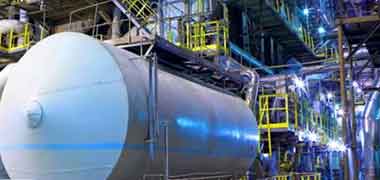
Chemical petrochemical
316L and 2205 duplex ASME B16.11 threaded and socket weld fittings, BSP/NPT adapter fittings, and multi-port distribution manifolds for reactor, column, heat exchanger, and pump piping — ASTM A182 material certification; 100% pressure test per fitting serial number; ASTM A967 passivation; NACE MR0175 documentation for 2205 duplex sour service programs. Wholesale from 500 to 500,000+ fittings per year.

Marine
2205 duplex (PREN 35) and 316L stainless fittings for offshore platform process piping, marine pump discharge fittings, and desalination plant brine circuit fittings — Cr 22–23% + Mo 3–3.5% + N 0.14–0.20% SII XRF + tensile per heat ASTM A370; chip load ≥0.12 mm/rev; ASTM A967 citric acid passivation; NACE MR0175 documentation on request; 100% pressure test; 6-week safety stock dedicated cell allocation.
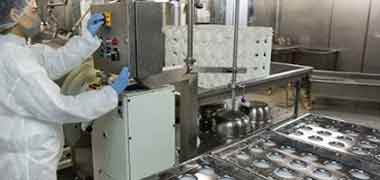
Food Pocessing
316L hygienic Tri-Clamp, DIN 11851, and SMS 1145 sanitary fittings for dairy, beverage, brewing, and food processing equipment — 3-A SSI Ra ≤0.8μm; EHEDG drainage-compliant geometry from DFM; electropolish Ra ≤0.38μm for hygienic critical zones; citric acid passivation; all crevice transitions ≥0.5mm radius DFM-verified. ISO 4144 and EN 10241 stainless fitting standards for European food equipment supply chains.

Semiconductor
316L Ni-P-coated and bare stainless compression tube fittings, DI water circuit fittings, and chemical delivery manifold bodies for semiconductor process tools — Ni-P 10–12% P automated bath chemistry control; 100% pressure test; ASTM E595 TML ≤0.010%; VSM μ_r ≤1.005 per lot for magnetic-sensitive equipment; 100% post-Ni-P thread gauge re-verification; Swiss CNC body OD ±0.003mm; Swagelok-compatible 45° cone seat ±0.25°.
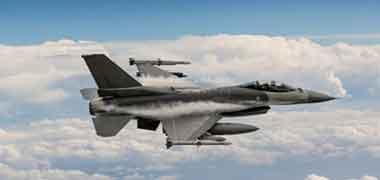
Aerospace
AS9100D-certified 17-4PH H900 and 316L stainless fittings for aircraft hydraulic manifolds, fuel system fittings, and pneumatic distribution — AMS 5643 certificate; CBN bore at HRC 44–47; AMS 2700 passivation; AS9102 FAIR; lot traceability per AS9100D. IATF 16949-certified 304, 316L, and 316Ti stainless fittings for automotive coolant, turbocharger oil feed, EV battery thermal management, and fuel system programs — PPAP Level 3; SPC Cpk ≥1.67; weekly kanban.
Materials
Stainless Steel Grades for
Precision Fittings
CNCPioneer's stainless steel fitting programs cover all commercially significant stainless grades with SII XRF composition verification on every incoming lot — 303, 304, 316L, 316Ti, 17-4PH H900, 2205 duplex, 2507 super duplex — with grade-specific chip load enforcement, work-hardening prevention disciplines, and surface treatment programs matched to each grade's corrosion, temperature, and pressure requirements.
316L Stainless (UNS S31603)
C ≤0.030% MANDATORY SII XRF per lot; Mo 2.0–3.0% · PREN 25 · The default stainless steel fitting material for chemical, pharmaceutical, food, marine, and semiconductor applications. Mo addition governs chloride pitting resistance versus 304. v_c = 80–130 m/min; chip load ≥0.10 mm/rev enforced; 70 bar coolant; VB ≤0.12mm insert change; ASTM A967 passivation standard every lot; VSM μ_r ≤1.005 per lot non-magnetic programs; ASME BPE EP SF1–SF4 achievable; ASTM A182 F316L for ASME B16.11 programs. C ≤0.030% L-grade verified mandatory per lot — the pharmaceutical FDA cGMP material compliance gate.
304 Stainless (UNS S30400)
Cr 18–20%; Ni 8–10.5%; C ≤0.080% SII XRF · PREN 18 · 10–15% lower material cost versus 316L from the absence of Mo addition. For general industrial, food equipment, and non-chloride-exposure fittings where 316L's PREN advantage is not required. v_c 110–170 m/min; chip load ≥0.10 mm/rev — same work-hardening discipline as 316L. Applications: automotive coolant fittings; food equipment fittings in non-chlorinated environments; general industrial threaded fittings; EV battery thermal management fluid fittings. ASTM A182 F304 for ASME B16.11; ASTM A967 passivation standard; −10–15% vs 316L baseline.
303 Free-Machining Stainless (UNS S30300)
S 0.15–0.35% verified SII XRF per lot · 70–80% machinability versus 316L · Best machinability of all standard stainless grades — chip-breaking short chips; v_c = 150–220 m/min; reduced cycle time and tool cost; 5,000–15,000 small fitting bodies per Swiss CNC machine-hour from bar-feed automation. For high-volume indoor precision instrument fittings, analytical equipment fluid circuit bodies, and precision mechanism fittings where maximum corrosion resistance is not required. Not suitable for ASME BPE hygienic programs (sulfur incompatible with pharmaceutical surface finish). ASTM A967 passivation standard; −18–22% versus 316L baseline.
316Ti Stainless (UNS S31635)
Ti 0.10–0.60% SII XRF MANDATORY per lot · Mo 2.0–2.5%; Cr 16–18% · Ti addition prevents sensitisation (chromium carbide precipitation at 400–900°C) — mandatory for automotive exhaust fittings at sustained 700–950°C service, turbocharger oil feed fittings, and EGR system fittings. XRF distinguishes 316Ti (Ti 0.10–0.60%) from standard 316 (Ti ≤0.010% residual) at ±0.005% measurement uncertainty — any lot with Ti <0.10% quarantined regardless of mill certificate. IATF 16949 PPAP Level 3 for automotive supply; 6-week safety stock; +12–18% versus 316L.
2205 Duplex Stainless (UNS S32205)
Cr 22–23%; Ni 4.5–6.5%; Mo 3–3.5%; N 0.14–0.20% SII XRF + tensile per heat ASTM A370 · PREN 35 (vs 316L's 25) · Yield 450–550 MPa; UTS 620–860 MPa · PREN 35 makes 2205 mandatory for sustained seawater immersion, desalination plant brine, and offshore chemical service where 316L develops chloride pitting within 6–24 months. Most challenging standard stainless for CNC fitting turning: chip load ≥0.12 mm/rev mandatory; positive rake required; VB ≤0.10mm. EN 10204 3.1 with tensile per heat; NACE MR0175 on request; +55–70% versus 316L.
2507 Super Duplex (UNS S32750)
Cr 24.0–26.0%; Mo 3.5–4.5%; N 0.24–0.32% SII XRF per lot · PREN 43 — maximum for standard stainless grades · For subsea flowline fittings, offshore chemical injection manifolds, and extreme chloride service where 2205 duplex (PREN 35) is insufficient. ASTM A182 F53 forged material; EN 10088 full composition per lot; Charpy impact per heat. Chip load ≥0.14 mm/rev; reduced v_c 60–90 m/min; sharp positive-rake PCD preferred; 6-week safety stock; NACE MR0175/ISO 15156 documentation. +80–100% versus 316L from specialty mill supply and elevated machining cost.
17-4PH H900 Stainless (AMS 5643)
Cr 15–17.5%; Ni 3–5%; Cu 3–5% SII XRF per lot · H900 aged HRC 44–47 Rockwell per aging lot · UTS 1,170–1,310 MPa · For aerospace hydraulic manifold fittings, high-pressure instrument fitting bodies (to 700 bar), and precision mechanism fittings where 316L's 485 MPa UTS is insufficient for rated pressure at minimum fitting wall section. Two-stage machining: CNC rough in annealed condition (HRC 30–32) → H900 age 480°C × 1h → CBN precision bore and thread at HRC 44–47. AS9102 FAIR; AMS 2700 passivation; AS9100D lot traceability; +90–120% vs 316L.
316L + Electroless Ni-P 10–12% P
316L base (C ≤0.030% SII XRF per lot) + MIL-C-26074 electroless Ni-P 10–12% P · Automated bath chemistry control pH ±0.05; Ni concentration ±0.5 g/L · For semiconductor DI water circuits, chemical delivery fittings, and EV battery thermal management fittings where Ni-P's additional chemical resistance complements 316L's passive corrosion resistance. Non-magnetic μ_r ≤1.002 from high-P Ni-P. ASTM E595 TML ≤0.010% from cured Ni-P for enclosed semiconductor programs. Pre-Ni-P thread masking and bore OD compensation DFM per dimension; 100% post-Ni-P thread gauge re-verification; XRF thickness per lot.
Surface Treatments for
Stainless Steel Fittings
Surface treatment selection for stainless steel fittings addresses corrosion protection (ASTM A967 passivation), hygienic surface quality (ASME BPE SF-grade electropolish), ultra-pure chemical service (electroless Ni-P), thread anti-galling (PVD TiAlN / DLC), fatigue life enhancement (shot peen AMS 2430), and aerospace cleanliness requirements (AMS 2700) — all coordinated through CNCPioneer's integrated Pearl River Delta supply chain at 1–3 day transit.
Passivation — ASTM A967 (Standard, Included on All Stainless)
ASTM A967 passivation — nitric or citric acid — is included at no additional charge on every 303, 304, 316L, 316Ti, and 2205 duplex stainless steel fitting delivery from CNCPioneer. Removes free iron from turning, boring, and threading operations; restores passive Cr₂O₃ oxide at all machined fitting surfaces; prevents the free-iron surface rust that develops within 24–48 hours on unpassivated machined stainless in humid storage environments. Copper sulfate spot test per monthly lot; certificate per lot in standard shipment documentation. Citric acid method for pharmaceutical and food programs — no nitric acid residue in product-contact bore surfaces. Zero dimensional impact from passivation treatment.
ASME BPE Electropolish SF1–SF4 — Pharmaceutical & Food Fittings
The definitive stainless fitting surface treatment for pharmaceutical and food programs — simultaneously reducing Ra by 40–60% from machined base and creating a chromium-enriched passive oxide superior to mechanical passivation for CIP/SIP compatibility. SF1 Ra ≤0.51μm; SF2 Ra ≤0.38μm; SF3 Ra ≤0.25μm; SF4 Ra ≤0.13μm. EP on all product-contact bore and face surfaces; precision bore masking for non-contact precision features before EP bath; Ra profilometry at 3 positions per fitting per EP lot; ASME BPE Ra certificate per lot. Pre-EP machined Ra target calculated for SF grade target after 10–20μm removal per side; DFM confirms EP feasibility on bore intersection geometry before program commitment.
Electroless Ni-P 10–12% P — Semiconductor & Chemical Fittings
High-phosphorus Ni-P for 316L stainless fitting bodies in semiconductor DI water circuits, chemical delivery systems, and EV battery thermal management fluid fittings where Ni-P's additional chemical resistance complements 316L's passive corrosion resistance. Automated bath chemistry control pH ±0.05; Ni ±0.5 g/L concentration — the process control discipline that maintains 10–12% P composition throughout the production lot. Non-magnetic μ_r ≤1.002 from high-P Ni-P. Pre-Ni-P thread and bore masking; post-Ni-P bore and thread dimensional compensation DFM per feature; 100% post-Ni-P thread gauge re-verification; XRF thickness ±1μm per lot; ASTM E595 TML ≤0.010% from cured Ni-P for enclosed semiconductor equipment programs.
PVD TiAlN & DLC — Anti-Galling Thread Coating
PVD TiAlN (1–3μm; HV 3,000+) or ta-C DLC (1–3μm; HV 3,000+; friction μ = 0.05–0.10) applied to thread flanks of stainless fittings that connect to titanium or stainless components in high-cycle assembly programs — the hard separation layer that prevents the cold-welding mechanism at stainless-to-stainless or stainless-to-titanium thread contact. CNCPioneer's stainless fitting thread galling rate below 0.05% in stainless-on-stainless programs from the combination of: single-point CNC threading Ra ≤0.8μm; PTFE or MoS₂ pre-applied dry-film lubricant on male threads; thread class at commercial tolerance end reducing contact stress; PVD TiAlN on high-cycle critical programs. XRF thickness per lot; adhesion per ASTM C1624.
Shot Peen AMS 2430 — Fatigue-Critical Aerospace Fittings
For AS9100D aerospace stainless steel fitting programs requiring maximum fatigue life at thread root and shoulder fillet stress concentration zones: Almen intensity 0.006–0.010A; compressive residual stress −200 to −400 MPa at thread root; 20–40% fatigue life improvement at fitting thread roots and shoulder fillets. Applied to 316L, 17-4PH H900, and 316Ti stainless fitting bodies after machining and before surface finish operations. Almen strip intensity certificate per shot peen lot; CMM dimensional verification confirming fitting envelope within drawing tolerance after shot peen; AS9100D lot traceability with shot peen lot certificate in delivery documentation package.
AMS 2700 Aerospace Passivation — AS9100D Programs
Per AMS 2700 Method 1 or Method 2 for AS9100D aerospace stainless steel fitting programs — aerospace-grade passivation cleaning per aerospace cleanliness specification; water-break-free test per AMS 2700; packaging in sealed polyethylene bags per AS9100D aerospace component preservation standard; documentation per AS9100D with passivation lot certificate in delivery documentation package. Available on 303, 304, 316L, 316Ti, and 17-4PH H900 stainless steel aerospace fittings. Complements AS9102 First Article Inspection Report and shot peen AMS 2430 to complete the aerospace stainless fitting quality documentation package for aircraft hydraulic, fuel system, and pneumatic distribution fitting programs.
Surface treatment selection, dimensional compensation planning, and Ra specification from service requirement are included in CNCPioneer's 48-hour DFM review at no additional charge — covering passivation method, EP SF grade feasibility from machined Ra base, Ni-P bore and thread dimensional compensation, and PVD / shot peen scope for every stainless steel fitting program.
AS9100D & IATF 16949 Quality System for
Stainless Steel Fittings
CNCPioneer's AS9100D and IATF 16949 certified stainless steel fitting quality system addresses the four quality dimensions specific to precision stainless fittings: SII XRF grade-specific material compliance, work-hardening prevention protocol verification, 100% pressure test per sealed fitting serial number, and PPAP Level 3 / AS9102 FAIR / ASME BPE documentation for pharmaceutical program qualification.
SII XRF Material Compliance Per Incoming Lot — All Grades
SII XRF on every incoming stainless fitting material lot before machining: 316L (C ≤0.030% MANDATORY L-grade; Cr 16–18%; Mo 2.0–3.0% — the pharmaceutical FDA cGMP material compliance gate); 304 (Cr 18–20%; Ni 8–10.5%); 303 (S 0.15–0.35%); 316Ti (Ti 0.10–0.60% MANDATORY per lot — sensitisation prevention; any lot with Ti <0.10% quarantined regardless of mill certificate); 17-4PH H900 (Cr 15–17.5%; Ni 3–5%; Cu 3–5%; Rockwell HRC per aging lot); 2205 duplex (Cr 22–23%; Mo 3–3.5%; N 0.14–0.20% + ASTM A370 tensile per heat mandatory); 2507 super duplex (Cr 24–26%; Mo 3.5–4.5%; N 0.24–0.32%). EN 10204 3.1 or AMS mill certificate archived per lot; traceability from XRF lot certificate through fitting production lot to serial-number delivery documentation — minimum 10-year archival for AS9100D programs.
- SII XRF per incoming lot all grades before machining
- 316L C ≤0.030%; 316Ti Ti 0.10–0.60% — mandatory, quarantine outside range
- 2205 tensile per heat; 17-4PH Rockwell per aging lot
Work-Hardening Prevention Protocol — In-Process Verification
Work-hardening prevention protocol verified per production session before release: feed rate floor confirmed from NC program (≥0.10 mm/rev for 316L/304; ≥0.12 mm/rev for 2205 duplex) on all turning, boring, and facing passes; operator instruction confirming no programmed dwell at any fitting bore transition or shoulder zone; insert VB check per 50-fitting batch on 316L (per 30-fitting batch on 2205 duplex) confirming VB ≤0.12mm before continued production. Cone seat angle: CMM first article per program; spot check per 50-piece production batch; optical comparator on any insert change within a cone seat program. O-ring groove: CMM depth ±0.008mm and width ±0.010mm per 100-piece production batch; groove floor Ra ≤0.8μm from profilometry per lot. Thread: 100% ring/plug gauge per fitting before surface treatment dispatch — gauging sequence that catches thread non-conformances before passivation and EP investment.
- Feed rate floor verified from NC program per session release
- Insert VB check per 50-fitting batch 316L; per 30-fitting 2205 duplex
- 100% thread gauge per fitting before surface treatment
100% Pressure Test Per Sealed Fitting Body — Serial Number Records
100% individual hydrostatic pressure test at 1.5× rated working pressure per fitting serial number — the non-negotiable quality standard on all sealed stainless steel fitting bodies, applied consistently regardless of volume or program. 30-second hold; zero pressure decay confirmed by calibrated gauge; record per serial number archived in quality system with delivery documentation. For pharmaceutical programs: 100% pneumatic leak test at 3 bar per ASME BPE test protocol; zero bubble in 30-second soap test. Pressure test completed before surface treatment dispatch — confirming structural integrity before passivation and EP investment. ASME BPE Ra profilometry certificate per EP lot at 3 positions per fitting. VSM μ_r per 316L lot for non-magnetic semiconductor and MRI-adjacent fitting programs.
- 100% hydrostatic pressure test 1.5× rated / 30s / zero decay per serial number
- ASME BPE: 100% pneumatic 3 bar soap test per fitting
- Ra profilometry per EP lot; VSM μ_r per 316L non-magnetic lot
PPAP Level 3 · AS9102 FAIR · ASME BPE Documentation
PPAP Level 3 for IATF 16949 automotive OEM stainless fitting programs: 30-piece dimensional data; Cpk ≥1.33 minimum (1.67 target) on bore diameter, thread pitch diameter, O-ring groove depth/width, and cone seat angle; MSA Gage R&R ≤10% on production gauges and CMM; PFMEA covering work-hardening failure mode, 316Ti Ti-content substitution risk, and sealing surface integrity; Control Plan; PSW. AS9102 First Article Inspection Report for AS9100D aerospace stainless fitting programs — all drawing requirements verified with CMM measurement uncertainty documentation; AS9100D lot traceability; AMS 2700 passivation certificate. ASME BPE documentation package for pharmaceutical OEM programs: Ra certificate (3 positions per fitting per EP lot) + passivation certificate + 316L L-grade material certificate + dimensional data report — the complete package for IQ/OQ/PQ equipment qualification submission.
- PPAP Level 3 for IATF 16949 automotive OEM programs
- AS9102 FAIR + AS9100D lot traceability aerospace programs
- ASME BPE documentation package pharmaceutical OEM programs
Stainless Steel Fittings FAQ
Common questions from pharmaceutical OEMs, chemical process equipment manufacturers, marine and offshore OEMs, semiconductor equipment builders, automotive Tier 1 suppliers, and aerospace fluid system component suppliers about CNCPioneer's stainless steel fitting capability, grade selection, ASME BPE compliance, thread galling prevention, and volume program economics.
The stainless steel fitting grade selection follows a three-level corrosion resistance cascade governed by the service fluid's chloride concentration and temperature — the two variables that together determine whether austenitic stainless develops chloride pitting. Level 1 — 304 (PREN 18): adequate for indoor industrial service with clean water, steam, mild acids, and non-chlorinated cleaning agents at ambient temperature; general food equipment in non-chlorinated environments; automotive coolant fittings. Not adequate for seawater, chlorinated water above 100 ppm, or marine atmospheric exposure. Level 2 — 316L (PREN 25): mandatory for any chloride-containing service fluid — chlorinated potable water above 100 ppm Cl⁻; sodium hypochlorite CIP cleaning above 50 ppm; most industrial chemical process fluids containing chloride; pharmaceutical process fittings (FDA cGMP mandates 316L for product-contact stainless); food equipment in CIP circuits using chlorinated cleaning solutions. The molybdenum addition (2.0–3.0% Mo) in 316L raises PREN to 25 — above the critical pitting potential in seawater splash and chlorinated water service where 304 (PREN 18) develops pitting within 6–18 months. Level 3 — 2205 duplex (PREN 35): mandatory for sustained seawater immersion (offshore pipelines, marine pump fittings, subsea equipment); desalination plant brine circuits (chloride concentrations 2–10× seawater); industrial chemical service with concentrated chlorides above 1,000 ppm at elevated temperature. Field studies consistently show 316L developing chloride pitting within 6–24 months at seawater-immersed fittings while 2205 duplex remains pit-free for 10+ years at the same conditions. CNCPioneer's 48-hour DFM: from the customer's service fluid chloride concentration and temperature, CNCPioneer confirms the minimum adequate grade using critical pitting temperature (CPT) and critical crevice temperature (CCT) data — providing a quantitative, documented grade selection recommendation with per-fitting cost impact rather than generic "use 316L for everything corrosive" advice.
ASME BPE stainless steel fittings differ from standard industrial fittings in five simultaneous requirements that collectively govern whether the fitting contributes to product bioburden control and cleaning validation in pharmaceutical manufacturing: (1) Product-contact surface finish (SF grade): ASME BPE specifies Ra values verified by contact profilometry at three positions per fitting per EP lot — SF1 Ra ≤0.51μm; SF2 Ra ≤0.38μm; SF3 Ra ≤0.25μm; SF4 Ra ≤0.13μm. Standard industrial stainless fittings typically achieve Ra 0.8–1.6μm — 3–6× rougher than SF3 and not adequate for pharmaceutical product-contact use. (2) Crevice-free geometry (3-A SSI): all bore intersections must produce crevice depth ≤0.5mm. Standard drilling without specific crevice control produces 0.8–2.0mm crevice depths at bore intersections — CNCPioneer's VARIAXIS 5-axis blending pass at all bore junctions brings all junctions to ≤0.25mm. (3) Drainage: all fitting surfaces must drain completely under gravity — ASME BPE requires ≥3° slope from horizontal on all flat surfaces and pocket floors. CNCPioneer's DFM reviews all fitting pocket floor angles from installation-orientation 3D model before machining. (4) Material specification: ASME BPE requires 316L (C ≤0.030% L-grade mandatory) for all product-contact fittings — CNCPioneer verifies C ≤0.030% by SII XRF per incoming 316L bar lot as the material compliance gate. (5) Documentation: ASME BPE fittings require the lot documentation package that pharmaceutical quality systems use for IQ/OQ/PQ equipment qualification: material certificate (EN 10204 3.1); Ra profilometry certificate (3 positions per fitting per EP lot); passivation certificate (citric acid; no nitric acid in pharma programs); dimensional data record. CNCPioneer's ASME BPE fitting programs include the complete documentation package as standard — verified in the case study where ASME BPE documentation was accepted by the pharmaceutical OEM's QA on first submission.
Stainless steel thread galling — the catastrophic cold-welding and thread tearing that seizes a stainless fitting in its mating port before full installation torque is reached — is the most common and most expensive field failure of stainless fittings in BSP-to-stainless and NPT-to-stainless installation programs. The cold-welding mechanism proceeds in three stages: the Cr₂O₃ passive film on stainless thread flanks disrupts at contact asperities under combined normal and tangential installation stress, exposing bare metallic stainless; bare stainless contacts bare stainless at the disrupted oxide zones, initiating metallic adhesion from inter-atomic attractive forces; as the fitting continues rotating, adhesive forces at metallic contact zones exceed the shear strength of the stainless thread flanks, tearing material simultaneously from both threads — producing the smeared, galled thread surface that is unrecoverable and makes both the fitting and mating component scrap. CNCPioneer's four manufacturing practices that prevent thread galling: (1) Single-point CNC thread turning controls heat input per pass versus die tapping's simultaneous multi-point contact that generates sufficient heat to trigger stainless oxide disruption in seconds — a practice applied to all 316L, 304, 2205, and 17-4PH H900 stainless fitting threads; (2) Thread form Ra ≤0.8μm from threading passes — smooth flanks produce fewer asperity contact points per unit thread engagement area, reducing the local contact stress that disrupts the Cr₂O₃ film below the galling threshold; (3) PTFE or MoS₂ pre-applied dry-film lubricant on male BSP and NPT thread flanks before delivery — reduces coefficient of friction at thread flank contact from μ = 0.35–0.55 (bare stainless) to μ = 0.05–0.12 (PTFE-lubricated), below the Cr₂O₃ disruption threshold throughout full installation torque sequence; (4) Thread class selection at the loose (commercial) tolerance end of the gauge range — providing more running clearance between mating thread flanks during installation, reducing initial contact area and contact stress. These four practices produce CNCPioneer's stainless fittings with field galling rates below 0.05% in stainless-on-stainless programs — versus the 2–8% galling rates reported for standard industrial stainless fittings installed without anti-galling discipline.
Prototype lead times: 316L hex nipple BSP G3/4 (100% gauge; passivation; 25-piece) — 3–5 days; 316L BSP-to-NPT adapter G1/2 (100% both gauges; passivation; FAIR; 25-piece) — 4–5 days; 316L Tri-Clamp tee ASME BPE SF3 EP Ra ≤0.25μm (3-A DFM; citric passivation; FAIR; 5-piece) — 7–10 days; 316L 6-port manifold (C-axis ±0.020°; 100% pressure test; passivation; FAIR; 5-piece) — 6–8 days; 2205 duplex fitting G1" (100% gauge; tensile cert per heat; passivation; FAIR; 10-piece) — 6–8 days; 17-4PH H900 aerospace fitting (H900 aged HRC 44–47; CBN bore; AMS 2700 passivation; AS9102 FAIR; 5-piece) — 8–12 days. Volume economics: 316L BSP hex nipple at 10,000–50,000/year $2.50–3.70; at 500,000+/year $0.76–1.13. 316L Tri-Clamp tee SF3 at 10,000–50,000/year $20–30; at 200,000+/year $9.00–13. Four-tier market comparison for 316L ASME BPE SF3 Tri-Clamp manifold (Ra ≤0.25μm EP; 3-A crevice DFM; citric passivation; Ra certificate per lot; 100% pressure test; ASME BPE documentation package) at 35,000/year: Swiss/German pharmaceutical stainless precision machining: CHF 280–380/body ($310–420); Taiwanese stainless precision machining: $155–220/body; CNCPioneer China (AS9100D; 316L SII XRF C ≤0.030% per lot; MAZAK mill-turn + VARIAXIS 5-axis junction blending; Ra profilometry per EP lot; citric passivation; 100% pneumatic leak test; ASME BPE documentation package): CHF 148/body ≈ $165/body. Cost ratio China/Swiss-German: 0.40–0.53× (47–60% reduction). At 35,000 manifold bodies/year: CHF 148 CNCPioneer versus CHF 285 Swiss/German = CHF 137/body saving × 35,000 = CHF 4,795,000 annual saving — case study validated. Lowest-cost Asian alternatives without ASME BPE documentation, Ra profilometry, or 100% pressure test: $75–110/body — 33–50% below CNCPioneer. The CNCPioneer premium over lowest-cost supply provides: 316L L-grade carbon verification per lot (pharmaceutical FDA cGMP requirement); SF3 Ra profilometry certificate per EP lot (IQ/OQ/PQ documentation); 3-A crevice DFM and inspection (bioburden retention prevention); 100% pneumatic pressure test per manifold (sterility breach prevention in vaccine filling) — quality elements that are non-optional for pharmaceutical facility fitting supply.
Get a Quote for Stainless Steel Fittings
Upload your stainless steel fitting drawings, 3D CAD models (STEP, IGES), material grade specification, thread standard references (BSP ISO 228/7-1 / NPT ASME B1.20.1 / DIN 2353 / ORFS SAE J1453 / ASME B16.11), surface finish requirement, application description, pressure rating, or complete stainless fitting BOM and receive a competitive quotation within 24 hours and complete engineering DFM within 48 hours — covering stainless grade selection from your service fluid chloride concentration, temperature, pressure, and regulatory environment with CPT/CCT corrosion analysis; work-hardening risk zone identification and feed rate floor confirmation; thread standard gauge specification; sealing mechanism review (tapered thread / O-ring / bonded seal / compression cone / ORFS); ASME BPE/3-A/EHEDG hygienic geometry DFM for all bore intersections; EP SF grade achievability from machined Ra base; Ni-P dimensional compensation DFM; 100% pressure test scope; multi-port C-axis angular position achievability; 5-axis elbow port angle feasibility; PPAP Level 3 for IATF 16949 automotive OEM programs; AS9102 FAIR for AS9100D aerospace programs; and ASME BPE documentation package for pharmaceutical OEM programs.