
Stainless Steel
Precision Turning Shafts
CNCPioneer is an AS9100D and IATF 16949 certified China stainless steel precision turning shaft factory delivering complete OEM and wholesale programs across the full grade, geometry, tolerance, and application spectrum — 303, 304, 316L, 316Ti, 17-4PH H900, 440C, 420, and 2205 duplex stainless precision shafts from Swiss CNC guide bushing, MAZAK mill-turn, and CBN precision cylindrical grinding at bearing journal OD ±0.002mm, Ra 0.1μm, roundness ±0.001mm, and PPAP Level 3 / AS9102 FAIR since 2011.

What Is Stainless Steel Precision
Turning Shaft Manufacturing?
Stainless steel precision turning shaft manufacturing is the precision computer-controlled turning, grinding, integrated C-axis milling, and surface treatment coordination process — executed on 78+ Swiss CNC lathes with guide bushing for small-diameter programs from Ø2mm through Ø32mm, 66+ MAZAK mill-turn centers with C-axis live tooling for combined turning-milling programs from Ø6mm through Ø300mm, and precision CBN cylindrical grinding systems for ultra-precision bearing journal OD at ±0.002mm and Ra 0.1μm — that produces the complete family of rotating, oscillating, and stationary cylindrical precision metallic members from stainless steel alloys for power transmission, fluid control, precision actuation, and precision positioning across every industry where corrosion resistance, hygienic surface quality, elevated temperature performance, or non-magnetic properties govern shaft material selection.
The stainless steel precision shaft is simultaneously the most geometrically fundamental and the most dimensionally demanding standard precision CNC component in industrial manufacturing. Its bearing journal OD tolerance of ±0.002mm for k5 interference fit with angular contact bearings, shaft OD Ra 0.1μm for dynamic lip seal contact, shaft straightness ±0.010mm/100mm for resonance-free high-speed rotation, and bearing journal roundness ±0.001mm for minimum bearing noise — all while managing stainless steel's challenging machining physics: work-hardening, heat concentration, chip control, and elastic spring-back — place stainless precision shafts among the most technically demanding standard components in precision manufacturing.
-
Work-hardening prevention — ≥0.10 mm/rev minimum feed enforced on all 316L programs Austenitic stainless work-hardens from HRB 80 bulk to HRC 35–42 when chip load drops below minimum. CNCPioneer enforces ≥0.10 mm/rev on all 316L/304 OD turning passes, ≥0.12 mm/rev on 2205 duplex, with 70 bar through-spindle coolant and PVD TiAlN positive-rake inserts throughout all stainless shaft programs.
-
CBN precision cylindrical grinding — ±0.002mm bearing journal, Ra 0.1μm, roundness ±0.001mm CBN between-centers grinding is the only process achieving all three bearing journal specifications simultaneously with Cpk ≥1.67. Between-centers datum preserves the shaft axis through turning, milling, and grinding; journal-to-journal concentricity ±0.001mm; spark-out passes remove grinding force deflection to roundness ±0.001mm.
-
MAZAK mill-turn single-setup — keyway ±0.010°, cross-hole ±0.010mm, all features one datum Stainless shafts with keyways, cross-drilled holes, and threaded ends require single-setup MAZAK mill-turn C-axis programs producing all features from one spindle datum — the only approach eliminating re-fixturing angular and positional scatter at stainless steel's 2–4× higher cutting forces versus aluminium.
-
40–60% China stainless precision shaft cost advantage at equivalent AS9100D/IATF 16949 quality Equivalent stainless precision turning shafts from European or North American facilities cost 40–60% more than CNCPioneer's programs at identical grade compliance, CBN grinding precision, and surface treatment quality. At 85,000 shafts/year: CNCPioneer €21.50 vs. Italian supplier €48.00 — €2,252,500 annual saving per the validated case study.

Why CNCPioneer for Stainless Steel
Precision Turning Shafts?
Among China stainless steel precision turning shaft factories globally, CNCPioneer's work-hardening prevention discipline, Swiss CNC guide bushing precision for small-diameter shafts, CBN precision cylindrical grinding, MAZAK mill-turn C-axis integration, complete stainless grade portfolio with grade-specific protocols, and China cost advantage establish our factory as the preferred OEM and wholesale stainless precision shaft supplier across the full industrial, aerospace, pharmaceutical, and marine supply chain.
Work-Hardening Prevention — Foundational Process Discipline
The most consequential failure mode in stainless steel precision shaft turning is surface integrity violation from work-hardening: the HRC 35–42 hardened surface layer that austenitic stainless develops when turning feed drops below the minimum chip load threshold. A shaft bearing journal that has been work-hardened appears dimensionally conforming on the CMM but carries +200 to +400 MPa residual tensile stress that accelerates fatigue crack initiation under rotating bending load. CNCPioneer's protocol: minimum feed rate ≥0.10 mm/rev on all 316L/304 OD turning; ≥0.12 mm/rev on 2205 duplex; no programmed dwell at diameter shoulder transitions; PVD TiAlN positive rake (+5°); 70 bar through-spindle coolant.
Swiss CNC Guide Bushing — Deflection Elimination for Ø2–32mm Shafts
Stainless steel precision shafts from Ø2mm through Ø32mm with L/D > 3:1 require Swiss CNC guide bushing support: the turning tool's radial cutting force deflects an unsupported slender stainless shaft away from the tool, producing OD that tapers from chuck toward the free end and cannot be corrected without work-hardening risk at compensation passes. CNCPioneer's 78+ Swiss CNC lathes with guide bushing support the shaft immediately adjacent to the cutting point throughout the turning pass — eliminating deflection at L/D up to 20:1, producing OD ±0.003mm and straightness ±0.010mm/100mm in 316L and 303 stainless precision shafts from Ø2mm through Ø32mm.
CBN Precision Cylindrical Grinding — ±0.002mm Bearing Journal
Single-point CNC turning of stainless produces bearing journal OD accuracy of ±0.003–0.005mm and Ra 0.4μm — inadequate for angular contact bearing k5 interference fits (total tolerance range 0.009mm requiring ±0.002mm for Cpk 1.67) and dynamic PTFE lip seal contact surfaces (Ra ≤0.2μm required for >10,000 hours seal life). CBN cylindrical grinding achieves all three — ±0.002mm OD, Ra 0.1μm, roundness ±0.001mm — because: CBN spark-out passes converge journal OD as elastic deflection decays to zero; between-centers datum preserves all journal-to-journal concentricity ±0.001mm; CBN wheel wear is 20–50× lower than conventional abrasive.
MAZAK Mill-Turn C-Axis for Keyway, Cross-Hole & Threaded Feature Shafts
Stainless steel precision shafts with keyways, milled flats, cross-drilled holes, and threaded ends require single-setup MAZAK mill-turn C-axis programs. For stainless precision shafts, the single-setup advantage is magnified because stainless's cutting forces (2–4× aluminium) produce fixture compliance errors larger than aluminium when re-fixturing for multi-machine sequential programs. CNCPioneer's 66+ MAZAK mill-turn centers deliver: keyway angular position ±0.010° from OD datum; cross-hole true position ±0.010mm; thread pitch diameter ±0.005mm with 100% GO/NO-GO — all from one spindle datum, eliminating re-fixturing positional scatter entirely.
Complete Stainless Grade Portfolio with Grade-Specific Protocols
CNCPioneer's validated stainless shaft turning database covers eight stainless grades each with grade-specific protocols: 303 (v_c = 150–220 m/min; best stainless machinability; minimal work-hardening risk); 316L (chip load ≥0.10 mm/rev enforced; v_c = 80–130 m/min; tightest work-hardening sensitivity); 17-4PH H900 (two-stage: rough annealed → H900 age 480°C/1h → CBN finish at HRC 44–47); 2205 duplex (chip load ≥0.12 mm/rev; VB ≤0.10mm; most demanding standard stainless to turn). This per-grade protocol database — not a generic "stainless steel turning" approach — produces CNCPioneer's 98%+ first-article qualification rate on stainless precision shaft programs.
40–60% China Cost Advantage at Equivalent CBN Grinding Precision
Equivalent stainless steel precision turning shafts from German, Italian, or US precision turning and grinding facilities cost 40–60% more per unit than CNCPioneer's IATF 16949 or AS9100D-equivalent programs at identical grade compliance, CBN grinding precision, and passivation surface treatment quality. At 85,000 shafts/year: CNCPioneer achieved €21.50 per shaft (all-in: 316L bar, MAZAK mill-turn, CBN grinding, ASME BPE SF2 selective EP, IATF 16949 PPAP Level 3) versus previous Italian supplier at €48.00 — €2,252,500 annual saving per the validated case study.
Stainless Steel Precision Turning Shaft
Portfolio
CNCPioneer's stainless steel precision turning shaft programs span the complete size, geometry, alloy, complexity, and application spectrum — from Ø2mm Swiss CNC micro-precision shafts through Ø300mm large-diameter industrial pump shafts, hollow coaxial bore shafts, keyway and milled feature shafts, splined shafts, and hardened precision spindle shafts — for every market from pharmaceutical and food processing through aerospace, marine, semiconductor, and precision instrumentation.

Solid Stepped Precision Stainless Shafts
The most common industrial stainless shaft geometry — a stepped cylinder with multiple OD zones serving bearing journals, seal contact zones, coupling tapers, and threaded ends. MAZAK mill-turn turning sequence: rough all OD zones → semi-finish to +0.050mm stock on bearing journals and seal contact zones → keyway C-axis ±0.010° → threaded end single-point ±0.005mm pitch diameter 100% GO/NO-GO → center bores ±0.001mm concentricity for CBN datum. CBN cylindrical grinding: bearing journal OD ±0.002mm (k5 interference fit); seal contact zone Ra 0.1μm ±0.002mm (PTFE lip seal life ≥15,000 hours); journal-to-journal concentricity ±0.001mm from between-centers datum. Grades: 316L standard; 303 for high-volume instrument programs; 2205 duplex for marine and offshore programs.

Hollow Shafts with Coaxial Through-Bore
316L stainless hollow shafts — with a precision through-bore coaxial to the OD — for rotary union and rotating joint programs where process fluid passes through the rotating shaft, wire-pass and fiber-optic-pass programs, and weight-reduction programs for precision instrument shafts. MAZAK mill-turn single-setup boring: bore ±0.010mm standard; ±0.005mm precision; Ra 0.8μm; bore-to-OD concentricity ±0.005mm from single setup (governing wall thickness uniformity and rotational balance). Bearing journals CBN between-centers ground after boring; journal-to-bore concentricity ±0.003mm maintaining rotational balance. Internal bore passivation coordinated to reach all bore wall surfaces for potable water and ultrapure process fluid programs. Swiss CNC small hollow shafts Ø6–20mm: bore drilled and bored in same bar-feed program as OD; OD-bore concentricity ±0.003mm; Ra 0.4μm from PCD Swiss CNC turning.

Valve Stems Shafts
316L stainless valve stems and actuator shafts with keyway for actuator drive coupling, wrench flat for manual override torque application, and cross-drilled holes for retaining pin programs — all from single MAZAK mill-turn C-axis setup. Keyway: C-axis live end mill; width ±0.020mm; depth ±0.010mm; angular position from OD reference ±0.010°. Wrench flat pair: C-axis milled flat-to-flat ±0.020mm; parallel to shaft axis ±0.010mm/50mm. Cross-hole: C-axis live drill; true position ±0.010mm from shaft centreline; perpendicularity 0.010mm. Thread: single-point; ±0.005mm pitch diameter; 100% GO/NO-GO. 17-4PH H900 actuator shafts with cam profiles and pilot bores for aerospace programs: rough annealed → H900 aging 480°C/1h → CBN finish at HRC 44–47; AS9102 FAIR per new part number.

Splined & Hardened Precision Spindle Shafts
316L stainless splined shafts with involute spline profile per ANSI B92.1 Class 5 / ISO 4156 for marine propulsion auxiliary equipment, food processing rotary conveyor drives, and pharmaceutical mixer drive shafts — ASTM A967 passivation or ASME BPE electropolish for food/pharma programs; EHEDG-compliant Ra ≤0.8μm on all non-spline zones. 440C hardened precision spindle shafts for precision machine tool spindle programs and measuring instrument precision shaft programs: machine in annealed condition (440C annealed HRB 95–100) → quench-temper to HRC 58–62 → CBN precision OD grinding to ±0.002mm, Ra 0.05μm, roundness ±0.001mm in hardened condition. Ra 0.05μm from optimised 440C CBN grinding with fine-grit wheel and multiple spark-out passes — the bearing spindle shaft quality standard for rolling contact fatigue programs.

Small-Diameter Industrial Shafts (Ø10–30mm)
316L and 2205 duplex stainless precision shafts from Ø20mm through Ø300mm for industrial centrifugal pump main shafts, agitator shafts, and heavy process machinery drive shafts. Large-diameter work-hardening prevention: same ≥0.10 mm/rev chip load minimum and 70 bar coolant at large diameters with proportionally reduced v_c — v_c = 80 m/min at Ø50mm; v_c = 45 m/min at Ø300mm — maintaining constant chip temperature regardless of OD. CBN large-diameter grinding: between-centers for shaft lengths ≤1,000mm; OD ±0.003mm (standard); ±0.002mm (precision); Ra 0.2μm standard; Ra 0.1μm precision seal contact. 2205 duplex marine pump shafts: ASTM A967 citric passivation; NACE MR0175 documentation; tensile test per heat confirming UTS ≥620 MPa yield ≥450 MPa; shaft straightness ±0.020mm/500mm.

Swiss CNC Small Precision Shafts (Ø2–32mm)
The highest-volume category for Swiss CNC stainless precision shaft production — small shafts for instruments, medical devices, automation actuators, and electronic equipment. 303 stainless instrument shafts (Ø4mm × 80mm, L/D=20:1): OD ±0.003mm throughout 80mm length; straightness ±0.008mm/80mm from guide bushing; 3 diameter zones each ±0.003mm; Ra 0.4μm from PCD Swiss CNC turning; Ra 0.1μm from CBN external cylindrical grinding on bearing zone; high-volume 2,000–5,000 shafts/hour from bar-feed automated Swiss CNC. 316L stainless medical device structural shafts (Ø6mm × 120mm): guide bushing OD ±0.003mm; VSM μ_r ≤1.005 per lot for MRI-compatible programs; electropolish Ra ≤0.4μm for sterilization-compatible surface; 100% OD laser micrometer per shaft; passivation copper sulfate per lot.
Industries & Applications
CNCPioneer's stainless steel precision turning shaft programs serve every industry consuming precision stainless shafts at IATF 16949 or AS9100D quality — from industrial pump and valve OEMs requiring CBN-ground bearing journals, PTFE seal contact zones, and PPAP Level 3, through pharmaceutical and food processing equipment manufacturers requiring ASME BPE electropolish, to aerospace actuator, automotive EV, marine desalination, semiconductor wafer-handling, and medical device programs.
Food Processing
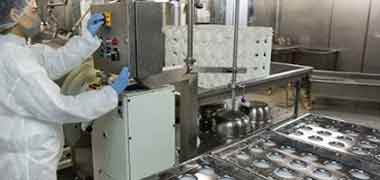
316L stainless precision shafts for pharmaceutical agitator shafts, valve stems, food mixing equipment shafts, and bioprocessing equipment drive shafts — ASME BPE SF2/SF3 electropolish Ra ≤0.38μm or ≤0.25μm; 3-A SSI crevice-free shoulder geometry; ASTM A967 citric acid passivation; VSM μ_r ≤1.005 for MRI-adjacent pharmaceutical equipment. EP Ra profilometry certificate per EP lot; EP selective masking of precision bearing journal and seal zones (EP removes 10–20μm per side — masked to protect k5 interference fit dimensions). ISO 13485-compatible quality records.
Aerospace
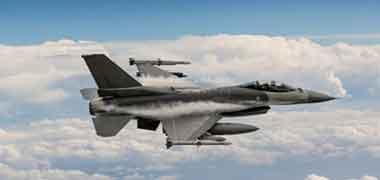
AS9100D 17-4PH H900 and 316L stainless precision shafts for aerospace actuator valve stems, hydraulic actuator rods, and flight control mechanism shafts — H900 precipitation aging at 480°C/1h with hardness verification per ASTM E18; CBN finish post-aging to ±0.002mm bearing journal; shot peen AMS 2430 for fatigue-critical joint zones; ASTM A967 citric passivation; AS9102 FAIR on all new part numbers; AMS material certificate per lot; full lot traceability per AS9100D Clause 8.5.2. Prototype to serial production delivery programs for Tier 1 aerospace actuator OEMs.

Automotive
IATF 16949 303, 304, and 316Ti stainless precision turning shafts for automotive transmission auxiliary shafts, EV battery cooling pump shafts, and thermal management system valve stems — PPAP Level 3 with full APQP documentation; SPC Cpk ≥1.67 on all critical dimensions; CBN-ground bearing journals ±0.002mm; Ra 0.1μm seal contact zones; 100% roundness tester per journal; weekly kanban delivery for high-volume OEM programs. 316Ti selected for superior sensitisation resistance in welded assemblies; VSM μ_r ≤1.005 available for EV motor-adjacent sensor-critical programs.

Marine
2205 duplex stainless precision turning shafts for marine centrifugal pump drive shafts, seawater lift pump shafts, and desalination plant high-pressure pump shafts — PREN ≥35 for superior chloride stress corrosion cracking resistance over 316L in seawater service; NACE MR0175 / ISO 15156 compliance; tensile and hardness test per heat; ASTM A967 citric acid passivation; CBN-ground bearing journals ±0.002mm; Ra 0.1μm mechanical seal contact zone. Material dual certification (ASTM A276 + EN 10088-3) available for international marine classification society programs.

Semiconductor
316L stainless wafer-handling robot shafts, end-effector drive shafts, and etch tool valve stems for semiconductor process equipment — VSM μ_r ≤1.005 non-magnetic certification per shaft; electroless Ni-P 10–12% P plating for DI water and HF-compatible corrosion resistance in wet clean process environments; chemically inert with no zinc, cadmium, or copper contamination risk; cleanroom-packaged per semiconductor OEM protocol; 100% dimensional inspection report per shaft; lot traceability for qualified vendor programs at Tier 1 OEM supply chains.

Medical Device
316L and 303 stainless precision shafts for surgical robot drive shafts, laparoscopic instrument shafts, endoscope drive shafts, and powered surgical tool drive trains — VSM μ_r ≤1.005 non-magnetic certification for MRI-compatible and imaging-adjacent surgical systems; ASME BPE electropolish Ra ≤0.25μm for cleanability and biofilm resistance; dynamic mass balance ±0.1g for high-speed surgical tool programs; ASTM A967 citric acid passivation; ISO 13485-compatible quality records with full lot traceability per part number; cleaned and packaged per medical device cleanroom protocol.
Stainless Steel Precision Turning Shaft
Technical Capabilities
CNCPioneer's stainless steel precision turning shaft technical capability combines the three-platform manufacturing architecture (Swiss CNC guide bushing + MAZAK mill-turn C-axis + CBN cylindrical grinding), grade-specific work-hardening prevention protocols, 100% OD laser micrometer and roundness tester inspection, and complete IATF 16949 / AS9100D documentation infrastructure — delivering stainless precision shaft programs from 4-day prototype through 500,000+ annual unit OEM production.
Swiss CNC + MAZAK Mill-Turn Three-Platform Architecture
78+ Swiss CNC lathes with guide bushing for Ø2–32mm precision stainless shaft programs at OD ±0.003mm, straightness ±0.010mm/100mm, L/D ≤20:1 — bar-feed automated 2,000–5,000 shafts/hour for high-volume instrument and automation programs. 66+ MAZAK mill-turn centers for Ø6–300mm combined turning-milling programs: single-setup keyway C-axis ±0.010°, cross-hole ±0.010mm, thread 100% GO/NO-GO, bore coaxiality ±0.005mm. CBN precision cylindrical grinding for bearing journal ±0.002mm, Ra 0.1μm, roundness ±0.001mm. 17-4PH H900 programs: MAZAK mill-turn rough → H900 aging coordination (Pearl River Delta heat treatment 1–2 day transit) → CBN finish at HRC 44–47.
SII XRF per Stainless Grade Lot — Grade-Specific Protocols
SII XRF composition confirmation on every stainless bar lot before machining: 316L (C ≤0.030%; Cr 16–18%; Mo 2–3%); 303 (S 0.15–0.35%); 17-4PH H900 (Cr 15–17.5%; Cu 3–5%); 440C (C 0.95–1.20%; Cr 16–18%); 2205 duplex (Cr 22–23%; N 0.14–0.20% — confirmed per lot). Hardness verification: 17-4PH H900 HRC 44–47 per aging lot; 440C HRC 58–62 per QT lot. VSM magnetic permeability μ_r ≤1.005 per 316L and 303 lot for non-magnetic programs. 2205 duplex: tensile test per heat per ASTM A370 confirming UTS ≥620 MPa and yield ≥450 MPa. 3-month 303/304/316L safety stock SII XRF pre-verified; 17-4PH H900 6-week safety stock AMS 5643 certified.
Precision Cylindrical Grinding — Grade-Specific CBN Protocols
316L CBN protocol: 20°C ±0.2°C synthetic grinding fluid; v_s = 45–60 m/s CBN vitrified wheel; v_w = 25–40 m/min between centers; infeed 0.005/0.002/0.001mm per pass roughing/semi-finish/finish; 3–5 spark-out passes; result Ra 0.1μm, OD ±0.002mm, roundness ±0.001mm, compressive residual stress −100 to −200 MPa (beneficial for fatigue). 17-4PH H900 CBN protocol: H-grade bond wheel (harder); reduced infeed 0.003mm roughing / 0.001mm finish; 5–8 spark-out passes (higher springback). 440C CBN (HRC 58–62): 0.002mm roughing; 0.001mm finish; 8–10 spark-out passes; Ra 0.05μm achievable for precision spindle shaft programs. CBN wheel dressing record per shaft lot.
Work-Hardening Prevention — ≥0.10 mm/rev Floor Enforced
Stainless shaft work-hardening risk zones identified from NC program review before production session release: shaft shoulder transitions (feed drops at radius traverse); thread run-out zones (chip load → zero at thread root clearance groove); face center (feed → zero at shaft centre). Mandatory pre-machining feed rate floor verification — every stainless shaft turning program reviewed at all risk zones. Reprogrammed with entry arc, exit lift, or local feed compensation where feed drops below grade-specific minimum. Minimum feed floors: 316L/304 ≥0.10 mm/rev; 2205 duplex ≥0.12 mm/rev; 303 ≥0.08 mm/rev. Spring-back compensation NC offset +0.003–0.005mm on 316L/304 finish passes; +0.010mm semi-finish pass before final finish on 17-4PH H900 (higher spring-back from precipitation-hardened matrix).
Integrated Surface Treatment Coordination — Six Treatment Programs
ASTM A967 passivation: standard on all austenitic deliveries at no additional charge; copper sulfate spot test per monthly lot; citric acid method for pharma/food programs. ASME BPE electropolish SF1–SF4 (Ra ≤0.51/0.38/0.25/0.13μm): EP certificate with Ra verification at 3 positions per shaft; selective masking of precision bearing journal and seal zones (EP removes 10–20μm per side, requires masking of k5-fit journals). Hard chrome AMS 2460 (0.020–0.100mm; HV 850–1,100; CBN grind post-chrome ±0.002mm Ra 0.1μm). PVD ta-C DLC (1–3μm; HV 3,000+; μ = 0.05–0.10; applied post-CBN; XRF thickness per lot). Electroless Ni-P MIL-C-26074 10–12% P for DI water/chemical service; μ_r ≤1.002. Shot peen AMS 2430: Almen 0.006–0.010A; shoulder fillets and thread roots; 20–40% fatigue life improvement.
PPAP Level 3 / AS9102 FAIR — 10-Year Archival
PPAP Level 3 for IATF 16949 automotive OEM stainless precision shaft programs: design records, process flow, PFMEA (work-hardening risk zones, CBN wheel dressing interval, EP masking), control plan, MSA Gage R&R on laser micrometer and roundness tester, initial capability studies (Cpk ≥1.67 on bearing journal OD, roundness, keyway angular position), part submission warrant. AS9102 FAIR for AS9100D aerospace programs: 100% drawing dimensions on first-article hardware; AMS 5643 mill certificate; SII XRF data; CBN wheel dressing records; surface treatment certificates — archived minimum 10 years for aerospace life-limited programs. 98%+ first-article qualification rate from grade-specific parameter database.
Stainless Steel Grades for
Precision Turning Shafts
Stainless steel precision shaft grade selection follows a five-criterion cascade: corrosion environment severity, yield strength at minimum shaft section, surface hardness for rolling or sliding contact, service temperature, and machinability economics. 316L dominates corrosion-critical programs; 303 governs high-volume instrument programs; 17-4PH H900 and 440C serve hardness-critical aerospace and spindle applications; 2205 duplex governs sustained seawater service.
303 Free-Machining Stainless Steel
S 0.15–0.35% (SII XRF per lot); 500–700 MPa UTS; 205–415 MPa yield; HRB 80–95; 70–80% machinability · The highest-machinability standard stainless grade — sulfur inclusion assists chip-breaking preventing the long stringy chips that austenitic stainless typically generates. v_c = 150–220 m/min; chip load ≥0.08 mm/rev minimum. 50% faster Swiss CNC production than 316L at equivalent tolerance. Adequate corrosion resistance for indoor instrument, automation, and precision mechanism programs not involving moisture, acids, or marine environments. Non-magnetic μ_r ≤1.005 per lot for sensor-adjacent programs. ASTM A967 passivation standard. Best grade for: high-volume precision instrument shafts, automation actuator shafts, precision gear shafts in controlled environments.
304 / 304L Stainless Steel
Cr 18–20%; Ni 8–10.5% (SII XRF per lot) · 515–690 MPa UTS · HRB 80–90 · 40–50% machinability; v_c = 110–170 m/min; chip load ≥0.10 mm/rev enforced. Good corrosion resistance in atmospheric, food service, and mild chemical environments without sustained chloride exposure (304 develops chloride pitting in sustained seawater or chloride-containing process fluids — specify 316L for those environments). Non-magnetic; excellent formability and weldability. ASTM A967 passivation or ASME BPE SF2 EP for food service programs. Applications: architectural precision shafts, food equipment drive shafts not in contact with chloride-containing process fluids, precision instrument structural shafts for indoor service. 8–12% lower cost than 316L.
316L Stainless Steel
C ≤0.030%; Cr 16–18%; Mo 2–3% (SII XRF per lot) · 485–690 MPa UTS · HRB 79–90 · 35–45% machinability; v_c = 80–130 m/min; chip load ≥0.10 mm/rev enforced; VB ≤0.12mm; 70 bar through-spindle coolant mandatory throughout all programs. The standard stainless shaft grade for pharmaceutical, food processing, chemical, marine, and semiconductor programs — Mo content provides superior chloride pitting resistance versus 304. PREN 24 (versus 304's 19). VSM μ_r ≤1.005 per lot for non-magnetic programs. ASTM A967 citric passivation standard; ASME BPE SF1–SF4 electropolish for hygienic programs. The governing grade for the case study pump shaft achieving €21.50 versus €48.00 European supplier.
316Ti Stainless Steel
Ti 0.10–0.60% (SII XRF mandatory per lot — Ti content governs sensitization prevention) · 515–690 MPa UTS · Similar machinability to 316L; same v_c = 80–130 m/min and chip load floor. Ti stabilization prevents intergranular sensitization at 400–900°C sustained service (carbide precipitation at grain boundaries — the sensitization failure mode of standard 316L in high-temperature exhaust and process equipment programs). Applications: automotive exhaust valve and actuator shafts in sustained high-temperature service; industrial heat exchanger drive shafts; chemical reactor agitator shafts in elevated temperature corrosive service. ASTM A967 passivation standard; same surface treatment options as 316L. Ti content verified per lot — not batch verified; non-conforming Ti content produces sensitization in service regardless of other compliance.
17-4PH H900 — AMS 5643
Cr 15–17.5%; Ni 3–5%; Cu 3–5%; Nb 0.15–0.45% (SII XRF per lot) · H900 condition: 1,170–1,310 MPa UTS; HRC 44–47 · 50–60% machinability in H900 (better than austenitic in H900 hardened condition from precipitation-hardened microstructure's chip-breaking behavior). Two-stage machining sequence: rough turning in annealed condition (HRC 30–32 — better machinability than H900) → H900 aging 480°C × 1 hour at qualified heat treatment → dimensional check (distortion +0.010–0.030mm allowance on pre-aging OD targets) → CBN precision finish at HRC 44–47. Hardness certificate per aging lot; AMS 5643 mill certificate; AS9102 FAIR for aerospace programs. Corrosion resistance equivalent to 304 stainless in standard aerospace environments. Best grade for: aerospace actuator shafts, precision instrument spindle shafts, high-load coupling shafts where both hardness and corrosion resistance are required.
440C Stainless Steel — HRC 58–62
C 0.95–1.20%; Cr 16–18% (SII XRF per lot) · Hardened: 1,900 MPa UTS; HRC 58–62 · Machine in annealed condition (HRB 95–100; 35–45% machinability; v_c = 60–80 m/min with TiAlN carbide) → quench-temper to HRC 58–62 → CBN precision OD grinding to ±0.002mm, Ra 0.05μm, roundness ±0.001mm in hardened condition. CBN mandatory (conventional aluminium oxide wheels cannot grind HRC 60 efficiently). Ra 0.05μm achievable from optimised 440C CBN grinding — the Ra 0.05μm standard surface finish for precision spindle shaft rolling contact fatigue programs. Moderate corrosion resistance (superior to bearing steel 52100 in low-humidity environments; not suitable for sustained water or chloride exposure). Applications: precision machine tool spindle shafts, CNC measuring instrument reference spindles, dental handpiece precision spindles, high-hardness bearing race journal programs.
2205 Duplex Stainless Steel
Cr 22–23%; Ni 4.5–6.5%; Mo 3–3.5%; N 0.14–0.20% (SII XRF per lot + tensile per heat per ASTM A370) · 620–860 MPa UTS; 450–550 MPa yield; PREN 35 (versus 316L's 24) · 20–30% machinability (most demanding standard stainless shaft machining). Two-phase austenitic-ferritic microstructure requires highest chip load minimum (≥0.12 mm/rev) and sharpest positive-rake inserts to prevent smearing at phase boundaries; VB ≤0.10mm mandatory. CBN grinding: additional wheel dressing frequency from 2205's higher abrasiveness. ASTM A967 citric acid passivation preferred for marine service. Tensile certificate per heat confirming UTS ≥620 MPa and yield ≥450 MPa included with all deliveries. Yield strength 450–550 MPa (versus 316L's 170–310 MPa) enables reduced wall thickness at equal structural rating. Applications: marine centrifugal pump main shafts, offshore platform process pump shafts, desalination plant drive shafts, seawater cooling system shafts.
Electropolish — ASME BPE SF1–SF4
Electropolish per ASME BPE for 316L pharmaceutical valve stems, agitator shafts, and process equipment shafts requiring Ra ≤0.38μm (SF2) or Ra ≤0.25μm (SF3) on all product-contact shaft surfaces — the hygienic surface quality for CIP/SIP sterilization cycle compatibility. Simultaneous Cr enrichment of passive oxide (superior passive oxide from EP versus mechanical passivation) combined with Ra reduction 40–60% from machined Ra 0.4μm base. CRITICAL: EP removes 10–20μm of material per side — bearing journal and seal contact zones must be masked before EP (EP on non-functional shaft surfaces only) or shaft bearing dimensions are compromised below k5 interference fit minimum. EP Ra verification at 3 positions per shaft per EP lot; ASME BPE certificate per lot; Cr enrichment qualitative verification. Citric acid passivation used instead of nitric for programs where post-treatment nitric acid residue in product-contact environment is a concern.
PVD DLC · Hard Chrome · Ni-P · Shot Peen
PVD ta-C DLC (1–3μm; HV 3,000+; μ = 0.05–0.10): applied post-CBN precision grinding to final dimension — does not alter ground dimension meaningfully; for surgical robot arm link shafts, precision valve stems in corrosive service, and aerospace actuation shafts requiring maximum wear resistance without hard chrome weight. Hard chrome AMS 2460 (0.020–0.100mm; HV 850–1,100): applied after rough turning; CBN precision cylindrical grinding to final ±0.002mm OD and Ra 0.1μm after chrome deposition — two-step approach ensuring chrome-ground surface quality at seal contact zone. Electroless Ni-P MIL-C-26074 (10–12% P; 5–8μm per side; non-magnetic μ_r ≤1.002): DI water and chemical service shaft programs; semiconductor and EV battery thermal management coolant shafts. Shot peen AMS 2430 (Almen 0.006–0.010A; shoulder fillets and thread roots; Almen strip record per lot): 20–40% fatigue life improvement at shaft shoulder fillets from −200 to −500 MPa compressive residual stress for fatigue-critical AS9100D aerospace 17-4PH H900 and 316L stainless shaft programs.
Surface Treatments for Stainless Steel
Precision Turning Shafts
Stainless steel precision turning shaft surface treatment selection addresses free-iron removal and passive oxide restoration (ASTM A967 passivation — standard on all austenitic deliveries), hygienic surface quality for pharmaceutical and food contact programs (ASME BPE electropolish SF1–SF4), and wear resistance, fatigue life, and chemical compatibility enhancement for specialty programs (PVD DLC, hard chrome, Ni-P, and shot peen). All coordinated through Pearl River Delta surface treatment partners at 1–3 day transit.
ASTM A967 Passivation — Standard on All Austenitic Stainless Shaft Deliveries
Free-iron removal and passive Cr₂O₃ oxide restoration on all machined surfaces after Swiss CNC, MAZAK mill-turn, and CBN grinding operations — the standard post-machining treatment for 303, 304, 316L, and 316Ti precision stainless shafts at no additional charge. Free-iron contamination from machining (from tool wear, fixturing contact, or coolant carry-over) on stainless surfaces causes galvanic corrosion and stress corrosion cracking at shaft surfaces — the failure mode that ASTM A967 passivation prevents. Copper sulfate spot test per monthly lot confirming passive oxide integrity; certificate per lot. Citric acid method available for pharmaceutical and food shaft programs (no nitric acid residue concern in product-contact environments). AMS 2700 method available for AS9100D aerospace programs. Included as standard at no additional charge on all austenitic stainless steel precision shaft deliveries.
Electropolish — ASME BPE SF1–SF4 (Pharmaceutical & Food Programs)
Electropolish per ASME BPE for 316L pharmaceutical valve stems, agitator shafts, and process equipment shafts requiring Ra ≤0.51μm (SF1), Ra ≤0.38μm (SF2), Ra ≤0.25μm (SF3), or Ra ≤0.13μm (SF4) on all product-contact surfaces — the hygienic surface quality for CIP/SIP sterilization cycle compatibility. Simultaneous Cr enrichment of passive oxide (superior passive oxide from EP versus mechanical passivation — Cr-enriched EP surface resists chloride attack significantly better than mechanically-passivated 316L) combined with Ra reduction 40–60% from machined Ra 0.4μm base to SF2 Ra ≤0.38μm. EP certificate with Ra verification at 3 positions per shaft per EP lot. CRITICAL: EP removes 10–20μm per side from all stainless surfaces — bearing journal and seal contact zones must be masked before EP to protect k5 interference fit dimensions (EP on non-functional shaft zones only; precision zones receive ASTM A967 passivation). 3-A SSI crevice-free shoulder geometry on food contact shafts — no crevice geometry at shaft shoulder transitions per 3-A standards.
PVD DLC · Hard Chrome AMS 2460 · Ni-P MIL-C-26074 · Shot Peen AMS 2430
PVD ta-C DLC (1–3μm; HV 3,000+; μ = 0.05–0.10; black): applied post-CBN precision grinding — does not alter ground dimension meaningfully at 1–3μm; reduces stainless-on-stainless friction from μ = 0.4–0.7 to μ = 0.05–0.10; for surgical robot arm link shafts, precision valve stems in corrosive service, aerospace actuation shafts. XRF thickness ±0.3μm per lot. Hard chrome AMS 2460 (0.020–0.100mm; HV 850–1,100+; two-step — applied rough then CBN ground to ±0.002mm Ra 0.1μm): maximum sliding seal wear resistance; reduces PTFE and rubber seal abrasion 8–12× versus uncoated stainless at equivalent contact pressure. XRF thickness ±2μm per coating lot. Electroless Ni-P MIL-C-26074 (10–12% P; 5–8μm/side; μ_r ≤1.002): DI water semiconductor circuits, EV battery thermal management, chemical process shafts. Post-Ni-P OD laser micrometer verification. Shot peen AMS 2430 (Almen 0.006–0.010A; compressive −200 to −500 MPa; 20–40% fatigue life improvement): shaft shoulder fillets, thread roots, keyway corners for AS9100D 17-4PH H900 and 316L aerospace programs. Almen strip intensity certificate per shot peen lot; 100% coverage verified.
Surface treatment selection by program type: all austenitic stainless shaft deliveries → ASTM A967 passivation included standard (no charge); pharmaceutical/food product-contact zones → ASME BPE EP SF2/SF3 (+$3.00–12.00/shaft, masked precision zones); high-cycle mechanism wear resistance → PVD DLC (+$4.00–15.00/shaft, applied post-CBN); seal contact zone maximum hardness → hard chrome + CBN grind (+$5.00–20.00/shaft); DI water / semiconductor shaft → electroless Ni-P (+$3.00–10.00/shaft); fatigue-critical aerospace → shot peen AMS 2430 (+$2.50–8.00/shaft). All coordinated through AS9100D-documented Pearl River Delta surface treatment partners at 1–3 day transit with process certificates per lot before shipment release.
Quality Assurance for Stainless Steel
Precision Turning Shafts
Stainless steel precision shaft quality assurance is built around four non-negotiable controls: work-hardening prevention (minimum feed rate floor verified from NC program before every stainless shaft production session); SII XRF per incoming stainless bar lot for material composition confirmation; 100% OD laser micrometer on precision shaft programs; and 100% roundness tester on all CBN-ground bearing journals for IATF 16949 and AS9100D programs.
Engineering DFM Review — 24-Hour Quote, 48-Hour DFM
Stainless grade selection from service fluid, temperature, strength, hardness, and regulatory requirements · work-hardening risk zone identification from shaft geometry · CBN grinding necessity determination (±0.002mm/Ra 0.1μm → CBN mandatory; ±0.005mm/Ra 0.4μm → turning adequate) · keyway angular position achievability from MAZAK mill-turn C-axis · hollow bore concentricity from single-setup Swiss CNC or MAZAK mill-turn · surface treatment specification — EP masking logic for precision zones; Ni-P compatibility with grade; DLC application feasibility · VSM non-magnetic compliance scope · PPAP Level 3 or AS9102 FAIR scope determination.
Material Verification — SII XRF per Stainless Lot
SII XRF on every stainless bar lot before machining: 316L (C ≤0.030%; Cr 16–18%; Mo 2–3%); 303 (S 0.15–0.35%); 17-4PH H900 (Cr 15–17.5%; Cu 3–5% confirmed); 440C (C 0.95–1.20%; Cr 16–18%); 2205 duplex (Cr 22–23%; Mo 3–3.5%; N 0.14–0.20% — all confirmed per lot); 316Ti (Ti 0.10–0.60% — mandatory per lot from Ti content governing sensitization prevention). Hardness: 17-4PH H900 HRC 44–47 per aging lot; 440C HRC 58–62 per QT lot. VSM μ_r ≤1.005 per 316L/303 lot for non-magnetic programs. Tensile per heat for 2205 duplex. 3-month 303/304/316L safety stock SII XRF pre-verified; 17-4PH H900 6-week safety stock AMS 5643 certified. EN 10204 3.1 or AMS mill certificate per heat archived in quality system.
In-Process Work-Hardening Prevention & Tooling Control
Mandatory pre-machining NC program review at all shoulder transitions, threading run-out zones, and face centers for feed rates below grade-specific minimums (316L: 0.10 mm/rev; 2205: 0.12 mm/rev) — reprogrammed with entry arc, exit lift, or local feed compensation. No programmed dwell at any diameter shoulder transition. Insert VB check by optical comparator per 50-shaft batch on 316L and per 30-shaft batch on 2205 duplex; VB ≤0.12mm threshold enforced. 70 bar through-spindle coolant pressure verified by inline pressure gauge before each stainless shaft session. CBN wheel dressing record per shaft lot; dressing interval adjusted from PPAP roundness data (corrective action: dressing from 120 to 60 shafts per PPAP case study).
100% OD Laser Micrometer & 100% Roundness Tester
100% OD laser micrometer at MAZAK mill-turn and Swiss CNC output on all precision stainless shaft programs (±0.010mm and tighter); automated NC offset correction on thermal drift (mandatory 20-minute MAZAK mill-turn warm-up before production; first-piece OD verification before batch release). 100% roundness tester measurement on CBN-ground bearing journals per shaft for IATF 16949 and AS9100D programs — not sampled, every shaft every journal. Thread: 100% GO/NO-GO gauge on every threaded stainless shaft per production lot. Body OD laser micrometer records per shaft archived in IATF 16949/AS9100D quality system; roundness records per journal per shaft; gauge calibration certificates traceable to NIST/NPL standards.
Surface Treatment Verification
ASTM A967 passivation: copper sulfate spot test per monthly lot; certificate per lot. EP Ra verification: profilometry at 3 positions per shaft per EP lot; ASME BPE Ra certificate per lot; EP masking verification per lot (masked bearing journal and seal contact zones confirmed in-dimension post-EP). Hard chrome XRF thickness ±2μm per coating lot. DLC XRF thickness ±0.3μm per lot. Ni-P XRF thickness ±1μm; post-Ni-P OD laser micrometer per shaft for precision programs. Shot peen Almen strip intensity certificate per lot; 100% surface coverage per specification; coverage verified by fluorescent tracer per AMS 2430. AMS 2700 passivation certificate per lot for AS9100D aerospace programs.
PPAP Level 3 / AS9102 FAIR — Archival & SPC
PPAP Level 3 for IATF 16949 automotive OEM programs: design records, process flow, PFMEA (work-hardening risk zones, CBN wheel dressing intervals, EP masking, 17-4PH H900 aging distortion allowance), control plan, MSA Gage R&R ≤10% on laser micrometer and roundness tester, initial Cpk ≥1.67 on IATF special characteristics (bearing journal OD, roundness, keyway angular position). AS9102 FAIR for AS9100D aerospace programs: 100% drawing dimensions on first-article hardware; AMS 5643 mill certificate; SII XRF data; CBN wheel dressing records; surface treatment certificates — archived minimum 10 years for AS9100D life-limited aerospace programs. Cpk ≥1.67 monitoring SPC real-time on all critical shaft dimensions for volume programs.
SII XRF Material Verification — per Stainless Grade Lot
Every stainless bar lot verified by SII XRF before machining — confirming grade-specific composition limits (316L Mo, 303 S, 17-4PH Cu, 440C C, 2205 N, 316Ti Ti). Hardness verification per 17-4PH H900 aging lot and 440C QT lot. VSM per 316L/303 non-magnetic lots.
- SII XRF: all key alloying elements per grade per lot
- 316Ti: Ti content mandatory per lot (sensitization prevention)
- 2205: tensile per heat UTS ≥620 MPa / yield ≥450 MPa
100% OD Laser Micrometer & 100% Roundness Tester
Every shaft OD measured by laser micrometer on all precision programs (±0.010mm and tighter); automated NC offset correction on thermal drift. 100% roundness tester per CBN-ground bearing journal per shaft for IATF 16949 and AS9100D programs — not sampled, every journal, every shaft.
- 100% OD laser micrometer — not sampled — on precision programs
- 100% roundness tester CBN journals for regulated programs
- Automated NC offset correction for thermal OD drift prevention
PPAP Level 3 / AS9102 FAIR per Program Type
PPAP Level 3 for IATF 16949 automotive OEM programs: MSA Gage R&R ≤10% on laser micrometer and roundness tester; initial Cpk ≥1.67 on bearing journal OD, roundness, keyway angular position. AS9102 FAIR for AS9100D aerospace programs: 100% dimensions on first-article hardware; all certificates. 98%+ first-article qualification rate from grade-specific parameter database.
- PPAP Level 3: PFMEA, Control Plan, MSA R&R, Cpk ≥1.67
- AS9102 FAIR: 100% dimensions on all new AS9100D P/Ns
- 98%+ first-article qualification rate from validated parameter database
Surface Treatment Verification — Per-Lot Certificates
ASTM A967 copper sulfate spot test per monthly lot; EP Ra profilometry certificate per EP lot (3 positions per shaft); hard chrome XRF ±2μm per lot; DLC XRF ±0.3μm per lot; Ni-P XRF ±1μm per lot; shot peen Almen strip intensity certificate per lot. All surface treatment certificates included in shipment documentation.
- ASTM A967 Cu₂SO₄ test monthly; passivation certificate per lot
- EP Ra profilometry at 3 positions per shaft per EP lot
- Hard chrome / DLC / Ni-P XRF thickness per coating lot
Stainless Steel Precision Turning Shaft FAQ
Common questions from industrial pump and valve OEMs, pharmaceutical and food processing equipment manufacturers, aerospace actuation and structural mechanism OEMs, automotive and EV Tier 1 suppliers, semiconductor equipment builders, medical device structural shaft manufacturers, marine and offshore equipment OEMs, and precision instrumentation builders about CNCPioneer's stainless steel precision turning shaft capability, CBN grinding, grade selection, keyway angular position control, and volume program economics.
The stainless steel precision pump shaft has five governing dimensional specifications that collectively determine whether the pump achieves its designed performance, bearing life, seal life, and vibration characteristics. (1) Bearing journal OD tolerance (k5 for angular contact bearing interference fit: typically +0.006mm to +0.015mm for a Ø25mm shaft; total tolerance range 0.009mm) — the specification that governs whether the bearing inner race is correctly interference-fit on the shaft (too loose: bearing raceway fretting from micro-motion under load; too tight: inner race distortion reducing bearing internal clearance to zero and causing premature rolling element fatigue). (2) Bearing journal roundness (≤0.003mm standard; ≤0.001mm precision) — governing bearing noise (non-round journal produces harmonic excitation at the journal's surface harmonic frequencies, detectable as vibration signature) and bearing life from localised Hertzian contact stress at the non-round zone. (3) Shaft straightness (±0.020mm/300mm standard; ±0.010mm precision) — governing shaft critical rotational speed and vibration at operational speed; for a 300mm 316L shaft of Ø25mm, the first natural frequency is approximately 1,850 RPM and the shaft must operate below 70% of this for acceptable vibration margin. (4) Seal contact zone Ra (≤0.20μm for PTFE lip seal rated life) — seal life is inversely proportional to Ra at the seal contact surface: Ra 0.20μm produces 15,000+ hours PTFE seal life; Ra 0.40μm produces 5,000–8,000 hours. (5) Keyway angular position from bearing journal reference (±0.010°) — governing impeller hydraulic balance. CBN grinding achieves the ±0.002mm bearing journal tolerance for three reinforcing reasons that CNC turning cannot replicate: (a) CBN spark-out passes at zero infeed remove elastic grinding force deflection from the journal surface, converging the journal OD to the programmed wheel centre offset as deflection decays to zero — producing OD scatter of ±0.001mm from the last spark-out pass; (b) CBN grinding wheel wear per shaft is 20–50× lower than conventional abrasive wheel wear, maintaining wheel geometry through an entire production lot without dimensional drift; and (c) the between-centres grinding datum (the centre bores at both shaft ends) provides a stable, elastic-free axis reference preserved from the MAZAK mill-turn turning program through the CBN grinding program, ensuring all journals are ground from the same geometric axis without the re-chucking positional uncertainty (±0.010–0.050mm) that chuck-referenced grinding would introduce.
Stainless steel grade selection for precision shafts follows a five-criterion decision cascade. (1) Corrosion environment severity — the primary selection driver for most shaft programs. 316L (PREN 24) is the standard for indoor corrosive environments (pharmaceutical, food, chemical at ambient temperature without concentrated chlorides). 2205 duplex (PREN 35) is mandatory for sustained seawater service, desalination plant pump shafts, and offshore chemical service where 316L develops chloride pitting corrosion within 6–24 months — the PREN difference that CNCPioneer's DFM calculates from the customer's process fluid chloride concentration and temperature to determine the corrosion-safe grade. (2) Strength requirement at section size — when 316L's 170–310 MPa yield is insufficient at the shaft's minimum section (keyway base or through-hole). 2205 duplex (450–550 MPa yield) and 17-4PH H900 (1,100 MPa yield) serve progressively higher strength requirements. (3) Surface hardness for rolling or sliding contact — for bearing shaft programs where the shaft OD directly contacts the bearing inner race: HRC 58–62 from 440C hardened steel provides the contact fatigue resistance that austenitic stainless cannot achieve. For mechanism shafts with cam or indexing contact: 17-4PH H900 at HRC 44–47 provides the compromise of hardness and corrosion resistance without the extreme HRC 58–62 of 440C. (4) Temperature — 316L continuous service to 870°C austenitic (no sensitization below 400°C); 316Ti for sustained 400–900°C service (Ti stabilization prevents sensitization). 17-4PH H900 service temperature limited to 300°C (above 300°C H900 begins over-aging, reducing hardness). (5) Machinability economics — 303 at 70–80% machinability (versus 35–45% for 316L) produces 40–50% lower per-shaft machining cost at identical geometry; justified for indoor instrument and automation programs where 303's slightly lower corrosion resistance versus 316L is acceptable. CNCPioneer's 48-hour DFM confirms the minimum acceptable grade from the cascade above and provides a side-by-side per-shaft cost comparison for the minimum and one-grade-above options to allow the customer to make an informed grade-vs-cost decision.
The keyway angular position from the bearing journal axis is the most complex geometric relationship to maintain across a multi-operation stainless precision shaft manufacturing sequence. The three operations that contribute to it — turning, C-axis milling, and CBN between-centres grinding — each preserve or potentially disturb the angular relationship from the previous operation. The single-datum sequence works as follows. (1) MAZAK mill-turn turning pass establishes the bearing journal rough OD (+0.050mm stock) and the centre bore drilled and bored to ±0.001mm concentricity to the rough OD — this is the critical step that locks the angular reference, because the centre bore axis and rough OD axis are now coaxial from the single-spindle turning operation. (2) C-axis milling cuts the keyway at a programmed angular position from C-axis zero — the C-axis zero that was established when the turning spindle datum was used to define the centre bore. The relationship between C-axis zero and the centre bore axis is known to ±0.010° from MAZAK mill-turn C-axis positioning accuracy. (3) CBN between-centres grinding places the shaft on precision centres engaging the centre bores at both shaft ends — the same centre bore axis that the C-axis keyway position is referenced to. The CBN wheel grinds the bearing journal from the centre bore datum, bringing journal OD to ±0.002mm from the centre bore axis. Since the centre bore axis, the keyway C-axis position, and the CBN-ground journal axis are all the same geometric axis (the shaft centreline established by single-spindle turning), the keyway angular position from the finished bearing journal axis is ±0.010° from C-axis positioning — no additional angular error from the CBN grinding step, because CBN grinding does not change the angular relationship between the keyway and the shaft centreline. By contrast, the angular error accumulation that multi-machine sequential programs would produce (independent datum references): ±0.020° from C-axis positioning + ±0.050° from workpiece re-chucking + ±0.020° from centre bore run-out in a separate setup = ±0.090° total — far exceeding a ±0.010° keyway-to-journal specification. The single-datum sequence achieves ±0.010° without error accumulation, which is why PPAP case study keyway angular Cpk reached 3.00 after the measurement system was upgraded from ±0.005° to ±0.0005° repeatability.
Lead times at CNCPioneer for stainless steel precision turning shaft prototype programs: 316L pump shaft (Ø25mm × 350mm; 2 bearing journals CBN ±0.002mm; keyway C-axis; EP SF2; PPAP FAIR; 5-piece) — 6–8 business days; 303 instrument shaft (Ø8mm × 120mm; 3 OD zones ±0.003mm; CBN bearing journal; passivation; 5-piece) — 4–6 days; 17-4PH H900 actuator shaft (Ø18mm × 150mm; H900 aged; CBN ±0.002mm; shot peen; FAIR; 5-piece) — 8–12 days; 2205 duplex marine pump shaft (Ø35mm × 400mm; CBN ±0.003mm; citric passivation; tensile cert; 3-piece) — 7–10 days; 440C spindle shaft (annealed + QT + CBN Ra 0.05μm; 5-piece) — 8–12 days. Volume economics: 316L pump shaft Ø25×350mm at 2,500–10,000/year $26–38; at 50,000–200,000/year $12–17; at 500,000+/year $5.40–8.00. 303 instrument shaft at 10,000–50,000/year $2.50–3.70; at 500,000+/year $0.76–1.13. Four-market comparison for 316L precision pump shaft (Ø25mm × 350mm; CBN-ground bearing journals ±0.002mm Ra 0.1μm; ASME BPE SF2 EP; IATF 16949 PPAP Level 3) at 85,000/year: German or Italian precision turning and grinding (IATF 16949 facility, in-house CBN grinding): €42–58/shaft; Taiwanese precision machining: $28–40/shaft; CNCPioneer China (IATF 16949; MAZAK mill-turn + CBN grinding integrated; Yongjin/Tisco 316L SII XRF per lot; citric passivation; selective EP SF2 Ra ≤0.38μm; PPAP Level 3): $17–26/shaft (validated case study achieved €21.50 ≈ $23.30 at 85,000/year); lowest-cost Chinese general turning (no CBN grinding; sample OD check; no PPAP; no EP): $9.50–14/shaft. The CNCPioneer versus lowest-cost Chinese premium at 85,000/year provides: CBN bearing journal grinding ±0.002mm Ra 0.1μm (enabling pump bearings to achieve design L10 life rather than premature failure from loose or rough journals); ASME BPE SF2 EP Ra ≤0.38μm (required for food-grade pump CE marking for EU food processing market); IATF 16949 PPAP Level 3 (required for regulated industrial OEM supply chain entry); and 316L SII XRF incoming verification (preventing 304 substitution for 316L that would cause corrosion failure in chloride-containing food processing environments within 12–18 months). The CNCPioneer versus European comparison at 85,000/year: $21.50 average versus €48.00 ($52.00) = $30.50 per shaft saving × 85,000 = $2,592,500 annual shaft cost reduction — the case study's validated saving of €2,252,500 at 1.15 EUR/USD exchange rate at program launch.
Get a Quote for Stainless Steel Precision Turning Shafts
Upload your stainless steel precision turning shaft drawings, 3D CAD models (STEP, IGES), material grade specification, dimensional tolerance requirements, surface treatment specification, application description, or complete shaft BOM and receive a competitive quotation within 24 hours and complete engineering DFM within 48 hours — covering stainless grade selection (303 vs 316L vs 2205 duplex vs 17-4PH H900 vs 440C with per-shaft cost impact); work-hardening risk zone identification from shaft geometry; CBN grinding necessity determination from your bearing journal tolerance and Ra requirements; keyway and cross-hole angular position achievability from MAZAK mill-turn C-axis; hollow bore concentricity from single-setup Swiss CNC or MAZAK mill-turn; surface treatment specification (ASTM A967 passivation standard; ASME BPE electropolish SF grade with masked precision zones; hard chrome for seal contact; DLC for high-cycle mechanism; Ni-P for DI water/chemical service; shot peen for fatigue-critical aerospace); VSM non-magnetic compliance scope for semiconductor and medical programs; PPAP Level 3 scope for IATF 16949 automotive OEM programs; AS9102 FAIR scope for AS9100D aerospace programs; and complete per-shaft pricing from prototype first articles through IATF 16949 or AS9100D governed production supply.