
Alloy Steel CNC Machining Service
Get instant quotes for custom CNC machined alloy steel parts. Rapid prototyping and full production with lightning-fast lead times. ISO 9001:2015, ISO 13485, and AS9100D certified for exceptional quality and dependability.
Why Choose Alloy Steel for Precision Machining Parts?
Alloy steel stands out in CNC machining for its exceptional strength, high wear resistance, and excellent hardenability, paired with good toughness and cost-effective performance. It machines consistently with controlled chip formation, producing precise features, tight tolerances down to ±0.001″ (25 μm), and dependable repeatability across medium-to-high volume runs—making it the go-to material for structural components, gears, shafts, tooling, heavy-duty fixtures, and performance-critical parts.
- Superior tensile strength and fatigue resistance
- Excellent hardenability and wear performance
- Consistent machining with manageable chip control
- Precise, high-quality surface finish as-machined
- Ideal for high-load, durable prototypes and demanding applications
Available Parts for Alloy Steel CNC Machining
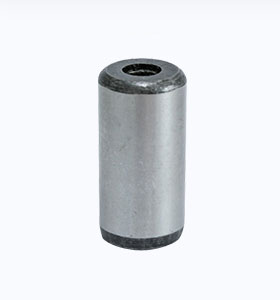
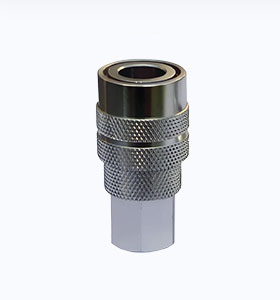
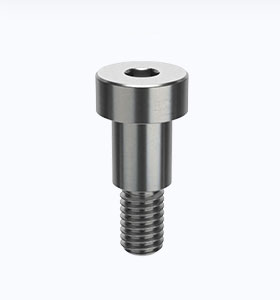
Alloy steel CNC machining is suitable for a wide range of alloy steel grades including 4140, 4340, 4130 chromoly, tool steels like D2 and A2, stainless alloy variants, and heat-treatable low-alloy formulations. The suitability depends on the material’s machinability and heat-treatment condition. Here are the parts we can provide for CNC Machining.


Alloy Steel CNC Services and Capabilities
Swiss Machining
Swiss machining: ultra-precise, small-diameter complex parts machined from bar stock in a single setup – with micron-level tolerances and zero secondary operations.
CNC Turning and Milling
CNC turning and milling with live tooling combines both lathe and mill capabilities to machine parts with cylindrical features from metal rod stock.
FAQ's
What are the most common alloy steel grades for CNC machining?
The most commonly machined alloy steel grades include:
- 4140 – Balanced strength and toughness, the most widely used option
- 4340 – Excellent fatigue resistance and hardenability, ideal for heavy-duty components
- 4130 (Chromoly) – Great weldability and impact strength, popular in aerospace and motorsport parts
- Tool steels (e.g., D2, A2) – Superior wear resistance, perfect for molds, dies, and cutting tools
- 1215 / 12L14 – Outstanding machinability, excellent for high-volume production runs
The best grade depends on your required hardness, heat-treatment plan, mechanical properties, and application. Our team will recommend the optimal material for your project.
What post-processing options are available for alloy steel CNC machined parts?
Alloy steel parts can undergo various post-processing treatments to improve performance, durability, and appearance. Common options include:
- Heat treatment – Quenching + tempering, annealing, normalizing to optimize hardness, toughness, and strength
- Corrosion protection – Black oxide, phosphate coating for basic rust resistance
- Plating – Electroless nickel, hard chrome plating for enhanced wear and corrosion resistance
- Coating – Powder coating for aesthetic finish and additional protection
- Surface finishing – Media blasting (improves adhesion), precision grinding, polishing for ultra-smooth surfaces and tighter tolerances
We select the most suitable combination based on your part’s operating environment, functional requirements, and budget.
CNC Machining Learning Center
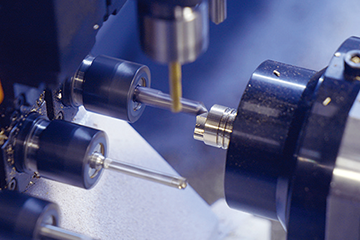
What is Swiss Machining?
Swiss machining uses a sliding headstock and guide bushing, unlike standard lathes, to support material while the tool remains stationary.
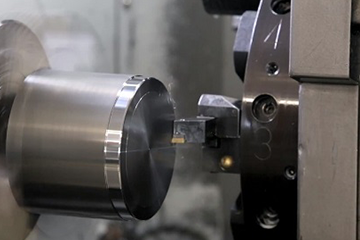
What is CNC Turning and Milling?
In CNC milling, the tool moves while the material is stationary. In CNC turning, the material spins while the tool moves.
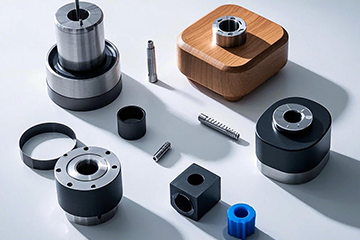
CNC Machining Materials: A Comprehensive Guide
CNC machining can be applied to a wide variety of materials, including but not limited to metals, plastics, and composites.