Peek CNC Machining Service
Get instant quotes for custom CNC machined PEEK parts. Ultra-precision prototyping and full production with exceptionally fast turnaround times. ISO 9001:2015 certified job shop delivering complex, high-performance components with proven reliability and in-house expertise.
Why Choose Peek for Precision Machining Parts?
PEEK excels in CNC machining for its exceptional combination of high-performance properties, thermal stability, and lightweight strength, delivering superior reliability in demanding environments. It supports tight tolerances down to ±0.001″ (25 μm), offers excellent dimensional stability under extreme conditions, and ensures consistent repeatability in prototypes through production—making it the ideal choice for bearings, bushings, seals, medical implants, aerospace fittings, pump components, and high-temperature or chemically aggressive parts.
- Exceptional strength-to-weight ratio with metal-like durability
- Superior thermal and chemical resistance up to 250°C continuous
- Outstanding wear resistance and low friction characteristics
- Excellent dimensional stability and low moisture absorption
- Premium solution for critical, high-reliability prototypes and production runs
Types of Peek
Custom Machined Unfilled PEEK Parts
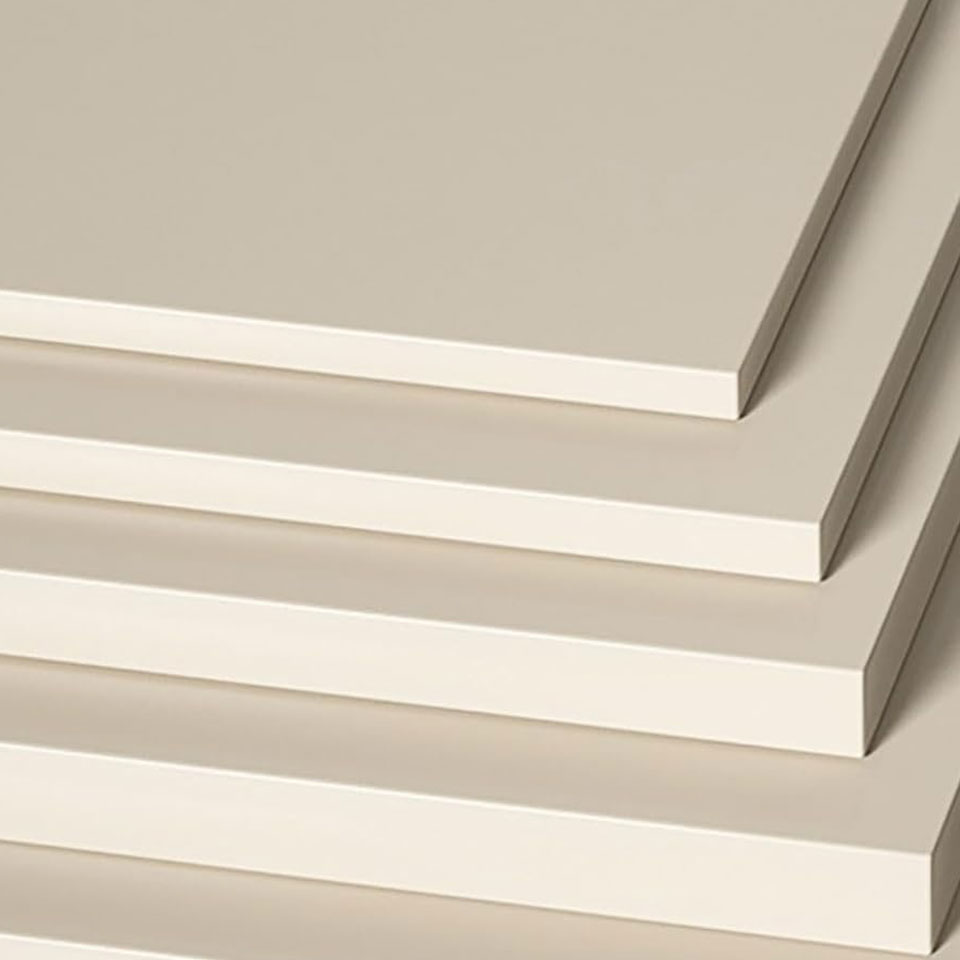
CNC Pioneer offers custom precision-machined parts made from Unfilled PEEK (Virgin/Natural PEEK). Our CNC machining centers are capable of machining with Unfilled PEEK sheets, rods, plates, and extruded, compression-molded, and annealed forms.
Unfilled PEEK is a high-performance thermoplastic with exceptional toughness, chemical resistance, and thermal stability up to 250°C continuous use. This polymer offers excellent mechanical strength without fillers, superior biocompatibility in medical grades, and outstanding electrical insulation properties. Unfilled PEEK is widely used in demanding applications like medical implants, semiconductor components, aerospace parts, and food-processing equipment.
Custom Machined Glass-Filled PEEK Parts
CNC Pioneer offers custom precision-machined parts made from 30% Glass-Filled PEEK (PEEK GF30). Our CNC machining centers are capable of machining with Glass-Filled PEEK sheets, rods, plates, and extruded, compression-molded, and annealed forms.
30% Glass-Filled PEEK is a reinforced high-performance thermoplastic with low ductility and excellent receptivity to annealing for stress relief. This advanced material is often annealed to achieve optimal dimensional stability and mechanical properties. Glass-Filled PEEK is widely used in demanding applications like structural insulators,
Custom Machined Carbon-Filled PEEK Steel Parts
CNC Pioneer offers custom precision-machined parts made from Carbon-Filled PEEK. Our CNC machining centers are capable of machining with Carbon-Filled PEEK sheets, rods, plates, and various reinforced forms including 10%, 20%, and 30% carbon fiber grades.
Carbon-Filled PEEK is a high-performance thermoplastic composite with enhanced strength, stiffness, wear resistance, and thermal conductivity compared to unfilled PEEK. This material offers excellent dimensional stability, low friction, and superior mechanical properties under high loads and temperatures. It is widely used in demanding applications like bearings, bushings, gears, seals, aerospace components, and oil & gas parts.
Custom Machined Bearing Grade PEEK Parts
CNC Pioneer offers custom precision-machined parts made from Bearing Grade PEEK. Our CNC machining centers are capable of machining with Bearing Grade PEEK sheets, rods, plates, and extruded, compression-molded, and annealed forms.
Bearing Grade PEEK is a specialized low-friction thermoplastic with PTFE, carbon fiber, and graphite fillers for exceptional wear resistance and self-lubricating properties. This high-performance material offers low coefficient of friction, high mechanical strength, and excellent chemical and thermal stability. Bearing Grade PEEK is widely used in demanding applications like bushings, bearings, thrust washers, seals, and sliding components.
Custom Machined Medical-Grade PEEKParts
CNC Pioneer offers custom precision-machined parts made from Medical-Grade PEEK. Our CNC machining centers are capable of machining with Medical-Grade PEEK rods, bars, plates, and annealed, extruded, and compression-molded forms.
Medical-Grade PEEK is a biocompatible high-performance thermoplastic with excellent chemical resistance, thermal stability, and radiolucency. This material is often annealed to relieve internal stresses and achieve optimal mechanical properties. Medical-Grade PEEK is widely used in healthcare applications like implants, surgical instruments, orthopedic components, and spinal devices.
Available Parts for Peek CNC Machining
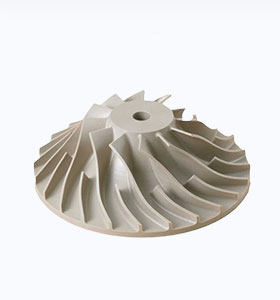
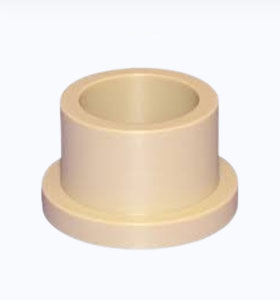
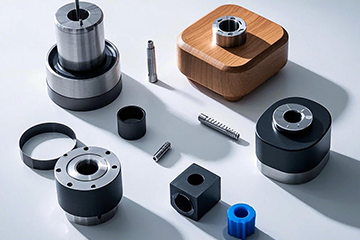
PEEK CNC Machining is suitable for a wide range of PEEK materials including standard unfilled PEEK, glass-filled PEEK, carbon-filled PEEK, bearing-grade PEEK, and specialty high-performance PEEK formulations. The suitability depends on the material’s machinability. Here are the parts we can provide for CNC Machining.


Peek CNC Services and Capabilities
Swiss Machining
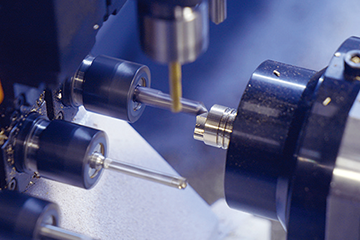
Swiss machining: ultra-precise, small-diameter complex parts machined from bar stock in a single setup – with micron-level tolerances and zero secondary operations.
CNC Turning and Milling
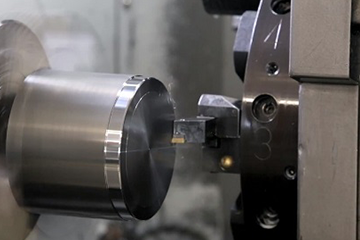
CNC turning and milling with live tooling combines both lathe and mill capabilities to machine parts with cylindrical features from metal rod stock.
FAQs
Why is PEEK so difficult to machine compared to other plastics, and what are the biggest challenges?
PEEK (Polyetheretherketone) is a high-performance thermoplastic with excellent properties (high heat resistance up to ~260°C continuous use, chemical inertness, low moisture absorption), but these same traits create machining difficulties:
- Very poor thermal conductivity — Cutting heat builds up quickly at the tool tip instead of dissipating, which can soften/melt the material locally, causing stringy chips, gummy surfaces, burrs, poor finish, or even degradation if temperatures exceed ~343°C melting point.
- High residual/internal stresses in extruded rod/plate stock — Without proper stress relief, material removal releases these stresses, leading to warping, distortion, cracking, or dimensional instability over time (especially problematic for tight-tolerance parts).
- Abrasive fillers in reinforced grades (e.g., 30% glass-filled GF30 or carbon-filled CF30) wear tools rapidly, dulling edges and degrading surface quality.
Common solutions: Use sharp positive-rake carbide tools (often uncoated or polished for plastics), conservative parameters (high spindle speed, light cuts, high feed to avoid heat buildup), effective cooling (compressed air, mist, or minimum quantity lubrication — avoid flooding in some medical cases), and always anneal stock before (and sometimes during) machining.

Is annealing really necessary before machining PEEK? What happens if I skip it?
Yes — annealing is strongly recommended (and often considered essential) for most PEEK CNC jobs, especially parts > ~10–15 mm thick, complex geometries, tight tolerances (±0.02 mm or better), or critical applications (medical implants, aerospace components).
- Without annealing: Residual stresses from extrusion cause issues like:
- Warping or bowing after machining (parts may move days/weeks later).
- Cracking during or after cutting (stress concentrations release suddenly).
- Dimensional drift or out-of-tolerance results over time/temperature cycling.
- With annealing: Performed in a controlled oven (typical cycle: slow ramp to 200–300°C, hold 2–10 hours depending on thickness/grade, very slow cool-down), it relieves ~90%+ of internal stress, improves crystallinity, boosts toughness, and dramatically reduces post-machining distortion/cracking risk. Many shops offer “pre-annealed stock” or include annealing in their service. Skipping it saves upfront cost but often leads to scrap, rework, or field failures — the risk usually outweighs the savings.
What tolerances and surface finishes can you realistically achieve on PEEK parts, and why is the cost so high?
- Tolerances: Standard CNC machining reliably holds ±0.025 mm to ±0.05 mm. With careful process control (pre-annealing, temperature-stable shop, 5-axis if needed, light finishing passes), ±0.01 mm is common, and ±0.005 mm (or tighter) is achievable for high-precision/medical-grade work.
- Surface finish: As-machined typically Ra 0.8–1.6 µm; with optimized tools/coolant and light passes, Ra 0.4 µm or better is routine. Post-polishing can reach mirror-like finishes (Ra 0.2 µm or below) for optical/medical use.
Why the high cost?
- Raw material price — Virgin PEEK rod/plate often $100–500+ per kg (reinforced grades even higher), far more than Delrin/POM/nylon.
- High scrap/waste rate — Conservative parameters (light DOC, slower effective removal) + annealing steps increase time and material use.
- Specialized requirements — Sharp carbide tools (frequent replacement for filled grades), cooling setups, annealing ovens/time, skilled programming, and tight quality control (especially for biocompatibility or zero-defect parts).
- Low volume/high precision — Most PEEK jobs are prototypes or small batches for demanding applications, so setup/programming time dominates.
CNC Machining Learning Center
What is Swiss Machining?
Swiss machining uses a sliding headstock and guide bushing, unlike standard lathes, to support material while the tool remains stationary.
What is CNC Turning and Milling?
In CNC milling, the tool moves while the material is stationary. In CNC turning, the material spins while the tool moves.
CNC Machining Materials: A Comprehensive Guide
CNC machining can be applied to a wide variety of materials, including but not limited to metals, plastics, and composites.