
Acrylic CNC Machining Service
Get instant quotes for custom CNC machined Acrylic parts. Ultra-precision prototyping and full production with exceptionally fast turnaround times. ISO 9001:2015 certified job shop delivering complex, high-clarity components with proven optical quality and in-house expertise.
Why Choose Acrylic for Precision Machining Parts?
Acrylic excels in CNC machining for its exceptional combination of optical clarity, machinability, and versatility, delivering crystal-clear aesthetics and reliable performance across a wide range of applications. It offers excellent edge quality with minimal chipping, supports tight tolerances down to ±0.001″ (25 μm), and provides consistent repeatability in medium-to-high volume production—making it the preferred choice for optical lenses, display enclosures, light guides, signage, medical devices, and transparent prototypes requiring both precision and visual appeal.
- Superior optical clarity with up to 92% light transmission
- Outstanding machinability and clean chip evacuation
- Reliable dimensional stability and repeatability
- Attractive as-machined surface finish with high polish potential
- Cost-effective solution for transparent prototypes and production runs
Available Parts for Acrylic CNC Machining
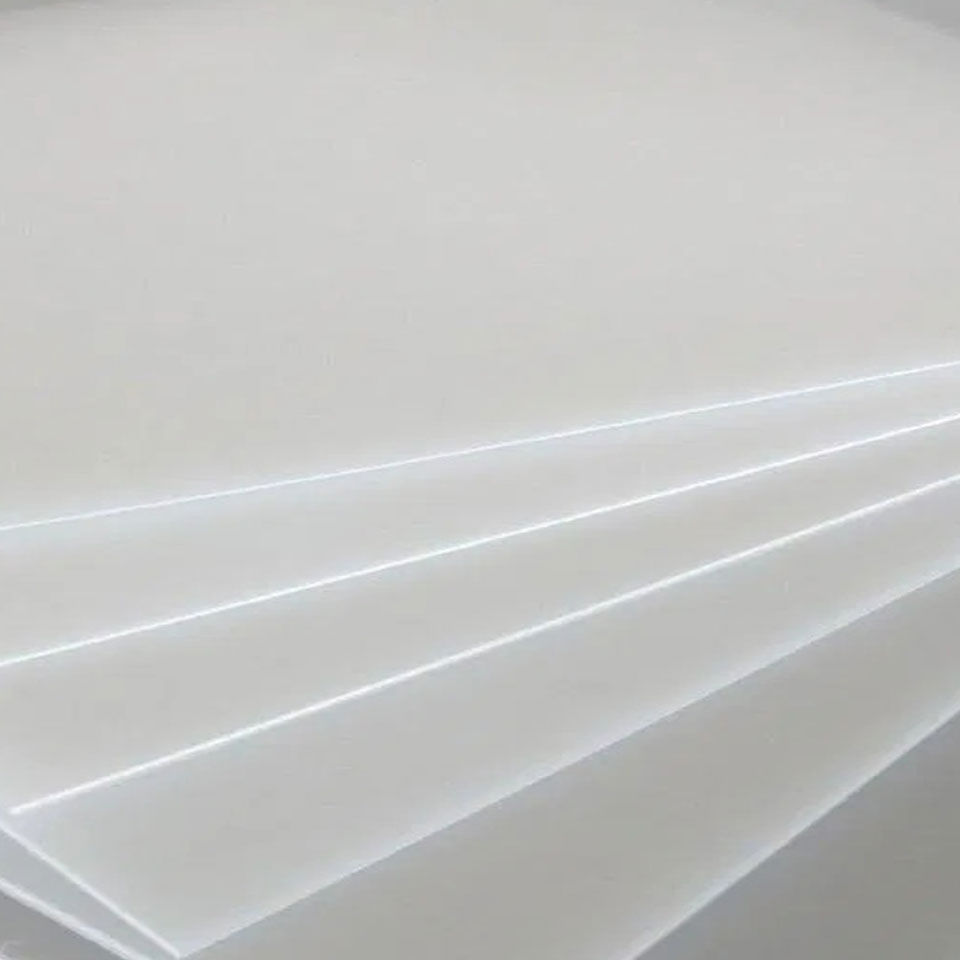
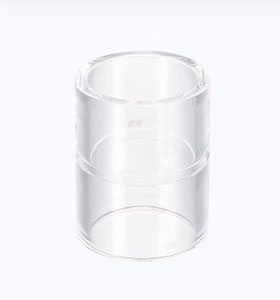
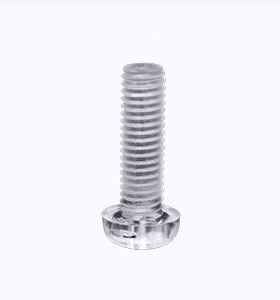
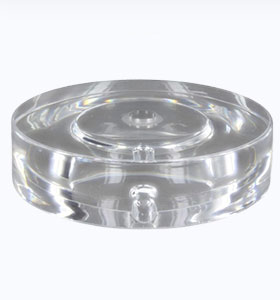
Acrylic CNC Machining is suitable for a wide range of Acrylic materials including clear Acrylic, colored Acrylic, frosted Acrylic, mirrored Acrylic, and specialty high-impact Acrylic formulations. The suitability depends on the material’s machinability. Here are the parts we can provide for CNC Machining.


Acrylic CNC Services and Capabilities
Swiss Machining
Swiss machining: ultra-precise, small-diameter complex parts machined from bar stock in a single setup – with micron-level tolerances and zero secondary operations.
CNC Turning and Milling
CNC turning and milling with live tooling combines both lathe and mill capabilities to machine parts with cylindrical features from metal rod stock.
FAQs
Can acrylic achieve the same precision as metals in CNC machining?
Yes, acrylic (PMMA) can be machined to very tight tolerances, often down to ±0.001″ (25 μm), comparable to aluminum. With sharp tools, proper feeds/speeds, and cooling techniques, we deliver excellent edge quality, minimal chipping, and consistent repeatability for precision optical and display components.
How does acrylic compare to polycarbonate for CNC machining?
Acrylic offers superior optical clarity (up to 92% light transmission) and easier polishing for crystal-clear finishes, while polycarbonate provides higher impact resistance and toughness. Acrylic is generally preferred for applications needing transparency and aesthetics, such as lenses, enclosures, and signage, whereas polycarbonate suits more rugged, high-impact uses.
What causes melting or cracking during acrylic CNC machining, and how do you prevent it?
Melting occurs from excessive heat (high speeds, dull tools, or poor chip evacuation), while cracking results from brittleness under stress or improper clamping. We prevent these issues using sharp, acrylic-specific carbide tools, optimized high-speed/low-feed parameters, air cooling or mist, secure fixturing, and climb milling techniques to ensure clean, stress-free results every time.
CNC Machining Learning Center
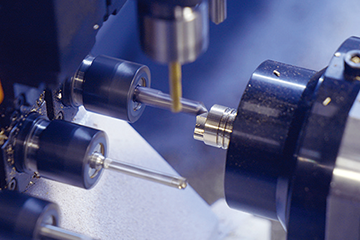
What is Swiss Machining?
Swiss machining uses a sliding headstock and guide bushing, unlike standard lathes, to support material while the tool remains stationary.
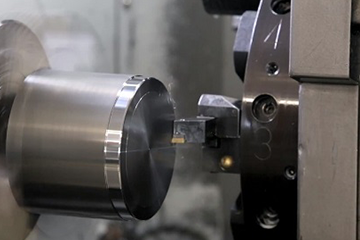
What is CNC Turning and Milling?
In CNC milling, the tool moves while the material is stationary. In CNC turning, the material spins while the tool moves.
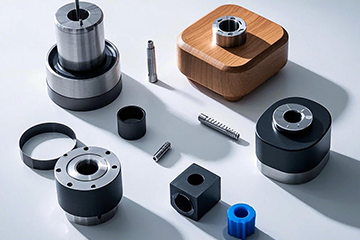
CNC Machining Materials: A Comprehensive Guide
CNC machining can be applied to a wide variety of materials, including but not limited to metals, plastics, and composites.