
Polycarbonate CNC Machining Service
Get instant quotes for custom CNC machined Polycarbonate parts. Ultra-precision prototyping and full production with exceptionally fast turnaround times. ISO 9001:2015 certified job shop delivering complex, high-clarity components with proven impact resistance and in-house expertise.
Why Choose Polycarbonate for Precision Machining Parts?
Polycarbonate excels in CNC machining for its outstanding combination of exceptional impact resistance, optical clarity, and dimensional stability, delivering reliable performance in demanding environments. It supports tight tolerances down to ±0.005″ (127 μm), offers excellent chip evacuation with minimal tool wear, and ensures consistent repeatability in prototypes through medium-volume production—making it the ideal choice for protective covers, machine guards, optical lenses, medical device components, electronic enclosures, automotive lighting, and high-impact transparent parts.
- Superior optical clarity with up to 92% light transmission
- Outstanding impact strength and toughness
- Reliable dimensional stability and repeatability
- Attractive as-machined surface finish with high polish potential
- Cost-effective solution for transparent prototypes and production runs
Available Parts for Polycarbonate CNC Machining
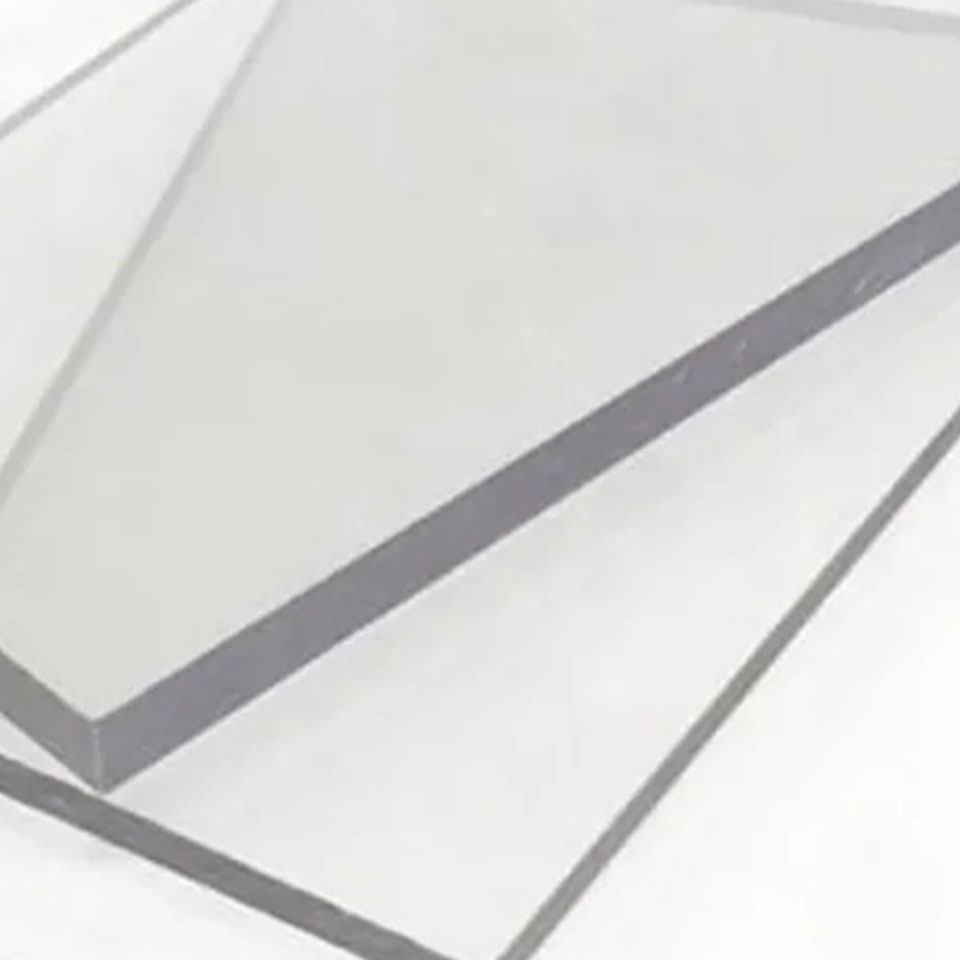
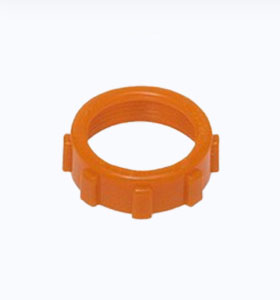
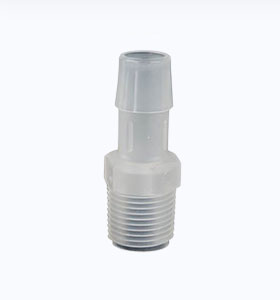
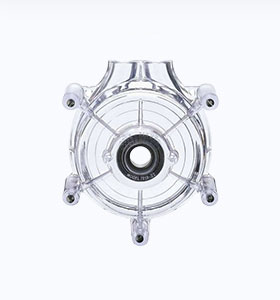
olycarbonate CNC Machining is suitable for a wide range of Polycarbonate materials including standard Polycarbonate, UV-stabilized Polycarbonate, flame-retardant Polycarbonate, optical-grade Polycarbonate, impact-modified Polycarbonate, and reinforced Polycarbonate formulations. The suitability depends on the material’s machinability. Here are the parts we can provide for CNC Machining.


Polycarbonate CNC Services and Capabilities
Swiss Machining
Swiss machining: ultra-precise, small-diameter complex parts machined from bar stock in a single setup – with micron-level tolerances and zero secondary operations.
CNC Turning and Milling
CNC turning and milling with live tooling combines both lathe and mill capabilities to machine parts with cylindrical features from metal rod stock.
FAQs
Can Polycarbonate be effectively CNC machined, and what tolerances can you achieve?
Yes, Polycarbonate (PC) is highly suitable for CNC machining thanks to its excellent toughness, dimensional stability, and good machinability. We support tight tolerances down to ±0.005″ (127 μm) for most features, with even tighter precision possible depending on part geometry and material grade. Proper tool selection, sharp carbide cutters, controlled speeds/feeds, and cooling help prevent heat buildup, melting, or stress cracking—ensuring clear, high-quality results for prototypes and production runs.
How does Polycarbonate compare to Acrylic (PMMA) for CNC machined parts?
Polycarbonate outperforms Acrylic in impact resistance and durability, making it far less prone to cracking or chipping during machining and in end-use. While Acrylic offers slightly better optical clarity in some cases, Polycarbonate provides up to 88-92% light transmission with superior toughness—ideal for high-impact applications like guards, lenses, enclosures, and protective components. It’s often the better choice when strength and reliability matter more than absolute scratch resistance.
What are the most common challenges in machining Polycarbonate, and how do you address them?
Polycarbonate can be sensitive to heat and stress, potentially leading to melted edges, cloudy surfaces, warping, or stress cracks if not handled correctly. We overcome these with sharp, polished carbide tools, optimized spindle speeds (typically moderate RPM), higher feed rates to minimize dwell time, air/mist cooling, and careful fixturing to reduce vibration. This delivers smooth finishes, excellent clarity (with optional post-polishing), and consistent repeatability across prototypes to medium-volume production.
CNC Machining Learning Center
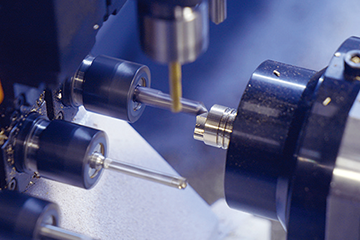
What is Swiss Machining?
Swiss machining uses a sliding headstock and guide bushing, unlike standard lathes, to support material while the tool remains stationary.
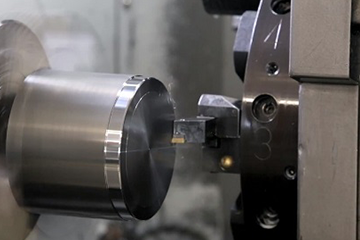
What is CNC Turning and Milling?
In CNC milling, the tool moves while the material is stationary. In CNC turning, the material spins while the tool moves.
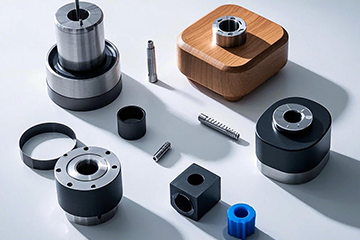
CNC Machining Materials: A Comprehensive Guide
CNC machining can be applied to a wide variety of materials, including but not limited to metals, plastics, and composites.