Polypropylene CNC Machining Service

Get instant quotes for custom CNC machined Polypropylene parts. High-accuracy prototyping and volume production with remarkably quick lead times. ISO 9001:2015 certified facility providing intricate, lightweight components with dependable quality and dedicated in-house know-how.

Why Choose Polypropylene for Precision Machining Parts?

Polypropylene excels in CNC machining for its exceptional combination of lightweight design, chemical resistance, and fatigue endurance, delivering reliable performance in demanding environments. It supports tight tolerances down to ±0.002″ (50 μm), offers smooth surface finishes, and ensures consistent repeatability in low-to-medium volume production—making it the ideal choice for living hinges, fluid-handling components, medical devices, electrical insulators, chemical-resistant housings, and lightweight yet tough parts.

Available Parts for Polypropylene CNC Machining

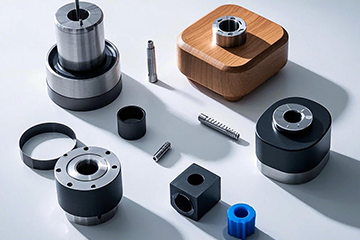
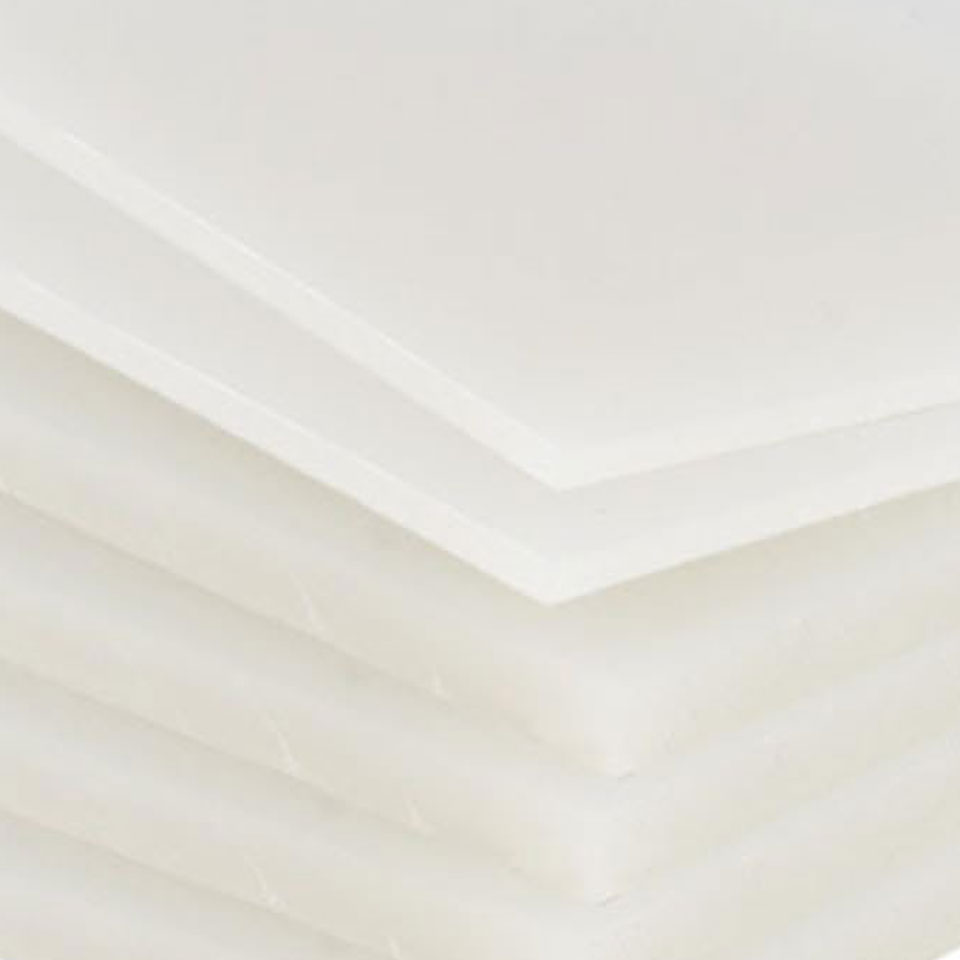
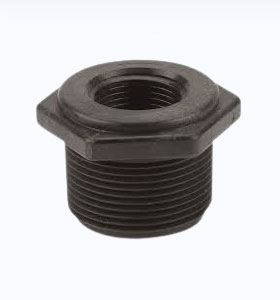
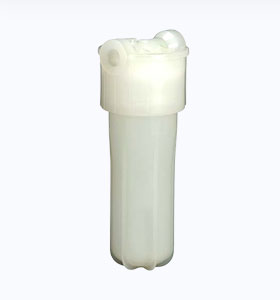
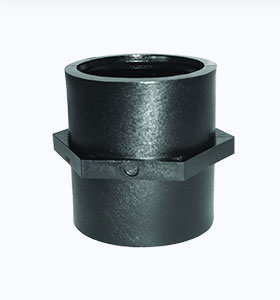
Polypropylene CNC Machining is suitable for a wide range of Polypropylene materials including standard homopolymer PP, copolymer PP, glass-filled PP, talc-filled PP, and mineral-filled or specialty reinforced PP formulations. The suitability depends on the material’s machinability. Here are the parts we can provide for CNC Machining.

Polypropylene CNC Services and Capabilities

Swiss Machining

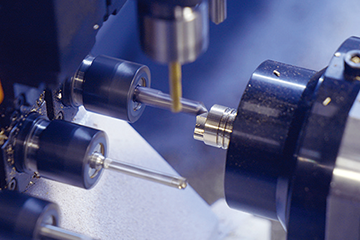
Swiss machining: ultra-precise, small-diameter complex parts machined from bar stock in a single setup – with micron-level tolerances and zero secondary operations.

CNC Turning and Milling

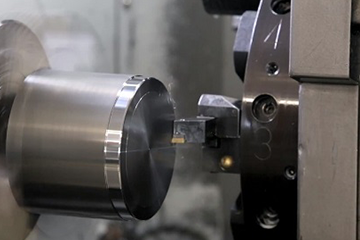
CNC turning and milling with live tooling combines both lathe and mill capabilities to machine parts with cylindrical features from metal rod stock.

FAQs

Homopolymer PP offers slightly higher strength, stiffness, and heat resistance, making it better for structural or higher-temperature parts. Copolymer PP provides superior impact resistance (especially at low temperatures) and better chemical resistance, so it’s often preferred for parts that will experience impacts, hinges, or contact with aggressive chemicals.

  • Polypropylene is a relatively soft and somewhat flexible material with a higher coefficient of thermal expansion than metals or high-performance plastics. For most applications we recommend tolerances of ±0.002″ to ±0.005″ (0.05–0.13 mm) for reliable, repeatable results. Tighter tolerances are possible on smaller features and with extra care, but may increase cost and lead time.
  •  

Yes — many grades of Polypropylene (especially natural homopolymer and copolymer) are FDA-compliant and NSF/USP Class VI certified for food, beverage, and medical applications. It also has excellent resistance to a wide range of acids, bases, alcohols, and some solvents, making it a popular choice for chemical processing equipment, laboratory components, fluid manifolds, and sterilization trays.

CNC Machining Learning Center
What is Swiss Machining?

What is Swiss Machining?

Swiss machining uses a sliding headstock and guide bushing, unlike standard lathes, to support material while the tool remains stationary.
Questions?

Our experts are here for you!.