Whether you’re an engineer designing military components, a procurement specialist sourcing reliable suppliers, or a manufacturer exploring options for defense contracts, Swiss machining for defense provides the precision and reliability needed for small, critical parts that perform in high-stakes environments.
This guide focuses on real-world advice to help you understand, evaluate, and apply Swiss machining effectively—based on proven industry practices and expertise from specialized shops.
We’ll cover the essentials, applications, materials, advantages, and actionable steps to get results.
What Makes Swiss Machining Different?
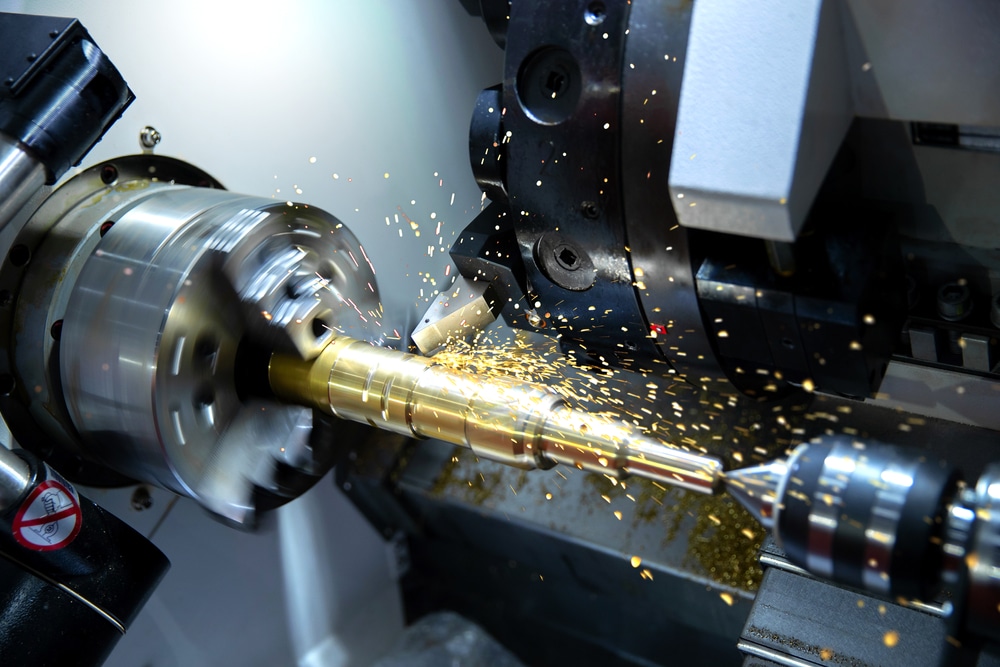
Swiss machining—also known as Swiss-type turning—specializes in producing small-diameter parts (typically under 1.5 inches) with exceptional accuracy.
The core feature: a sliding headstock and guide bushing that supports the bar stock directly at the cutting tool. This setup eliminates deflection, enabling tolerances down to ±0.0001 inches on long, slender components.
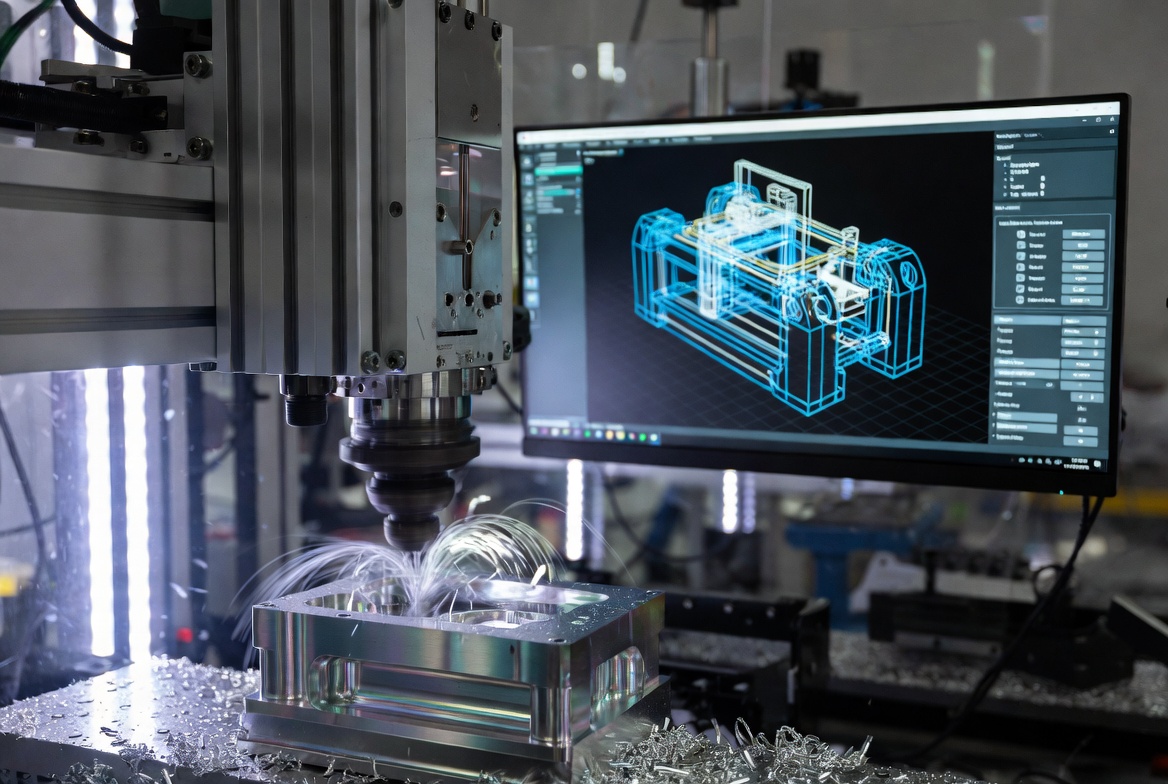
Modern Swiss CNC lathes add live tooling (for milling/drilling) and multi-axis control, allowing complete parts in one operation.
For Swiss machining for defense, this means fewer setups, lower error risk, and consistent quality—essential when parts must meet strict MIL-SPEC or ITAR requirements.
Real-world example: Shops use Swiss machines to produce firearm pins or missile guidance housings that hold tolerances under vibration and heat, where even minor deviations could cause failure.
Key Applications in Defense
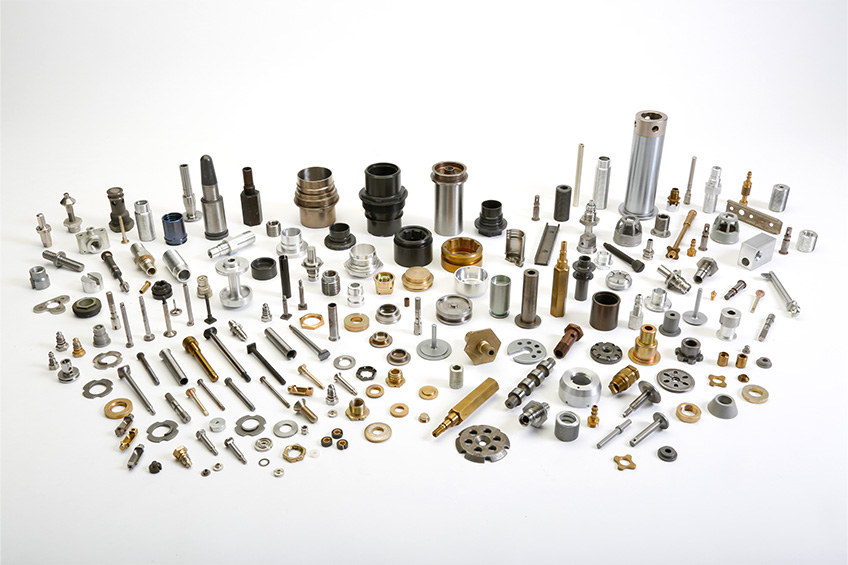
Swiss machining shines for small, intricate parts in modern military systems:
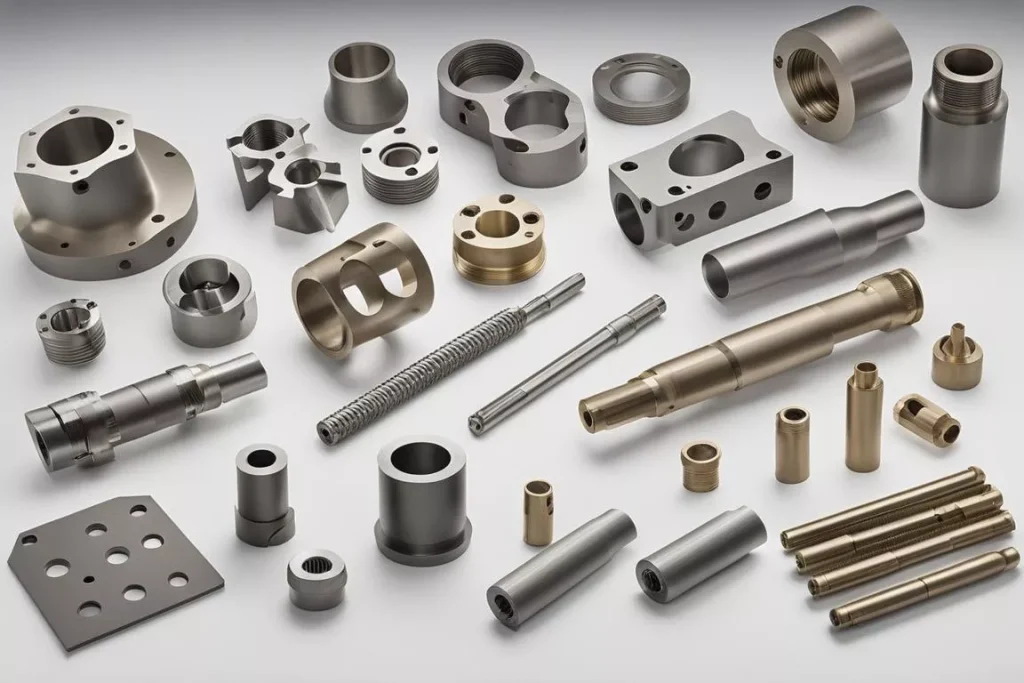
- Firearms Components — Bolts, triggers, suppressors, and barrels with precise threads and bores.
- Guidance and Missile Systems — Fins, sensor housings, and control pins for accuracy in flight.
- UAV and Drone Parts — Lightweight connectors, shafts, and fittings for compact designs.
- Optics and Electronics — Alignment pins, RF connectors, and sealed enclosures resistant to shock.
- Communication Gear — Precision antennas and mounts for reliable signal transmission.
These parts often support miniaturization trends in smart munitions and portable systems, where size and weight directly impact performance.
Recommended Materials and Why They Work
Material selection drives success in Swiss machining for defense. Here’s a practical breakdown:
| Material | Capability | Machinability | Real-World Defense Use | Tip |
|---|---|---|---|---|
| Stainless Steel (e.g., 303, 316) | Corrosion resistance, durability | Excellent (303 best) | Firearm internals, marine/submarine fittings | Use 303 for faster cycles and better chips |
| Titanium (Grade 5) | Strength-to-weight, extreme conditions | Good (with proper tools) | Missile guidance, UAV structural pins | Invest in carbide tools to manage heat |
| Aluminum (6061/7075) | Lightweight prototypes/enclosures | Outstanding | Drone housings, vehicle mounts | Ideal for rapid iteration |
| Inconel or Hastelloy | High heat/corrosion | Challenging | Engine/turbine fittings | Slow speeds for longer tool life |
| Brass/Bronze | Conductivity, non-sparking | Excellent | Electrical connectors | Great for RF/microwave applications |
Always specify DFARS-compliant sources for U.S. defense contracts to ensure traceability and compliance.
Proven Benefits for Your Projects
From experience in defense manufacturing:
- Single-Setup Efficiency → Complete complex parts faster, cutting lead times by 30-50%.
- Cost Control → Less scrap and rework, especially on high-value materials like titanium.
- Field Reliability → Superior finishes and tolerances mean parts withstand real-world stress.
- Scalability → From prototypes (dozens) to production (thousands) without retooling.
- Compliance Support → Full documentation for audits.
Case insight: Defense shops report Swiss machining reduces secondary operations by 70% on firearm components, improving both speed and quality.
Common Challenges and How to Avoid Them
- Tool Wear on Tough Materials → Solution: Use high-pressure coolant and premium coatings.
- Regulatory Hurdles → Solution: Partner early with ITAR-registered, AS9100-certified shops.
- Design Pitfalls → Thin features can vibrate. Solution: Request Design for Manufacturability (DFM) review upfront—it’s often free and saves revisions.
Step-by-Step: How to Start a Swiss Machining Project for Defense
- Clarify Specs — List tolerances, volume, material, finishes, and certifications (e.g., ITAR).
- Find Qualified Suppliers — Prioritize shops with proven defense experience and certifications.
- Submit Designs — Share CAD files and get free DFM feedback.
- Prototype and Test — Validate fit/form/function before full runs.
- Produce and Inspect — Require first-article inspection and full traceability reports.
- Scale Securely — Use NDAs and secure file transfer.
This approach minimizes risks and ensures parts meet expectations first time.
Final Thoughts
Swiss machining for defense delivers the precision, efficiency, and durability modern military hardware demands—helping create components that perform reliably when it matters most.
By focusing on the right materials, certified partners, and early collaboration, you’ll achieve better outcomes, lower costs, and faster delivery.
Have a specific part or project in mind? Share details in the comments—I can offer tailored suggestions based on common defense challenges.