
Inconel CNC Machining Service
Inconel CNC machining is a specialized precision process for high-performance nickel-chromium superalloys widely used in aerospace engines, gas turbines, chemical processing, and nuclear applications due to their exceptional high-temperature strength, outstanding corrosion and oxidation resistance, and superior creep-rupture properties.
Why Choose Inconel for Precision Machining Parts?
Inconel is the go-to superalloy for precision CNC machining in the most punishing operating conditions, providing unparalleled mechanical integrity at temperatures exceeding 2000°F (1093°C), extraordinary resistance to oxidation, scaling, and corrosive media, and remarkable longevity under sustained thermal and mechanical loads. Machining success demands proven strategies—robust fixturing, high-performance coated carbide or ceramic tools, precise climb milling paths, carefully balanced speeds and feeds, and aggressive coolant delivery—to overcome rapid work hardening and thermal effects, resulting in sophisticated part designs, tolerances routinely held to ±0.0005″ (12.7 μm), and flawless surface finishes critical to component performance.
- Unmatched retention of tensile and yield strength at extreme temperatures
- Exceptional defense against pitting, crevice corrosion, and stress corrosion cracking
- Superior resistance to creep deformation and thermal fatigue
- Ability to machine deep pockets, thin walls, and high-precision contours
- Consistent material properties post-machining and heat treatment
- Indispensable for hot-section gas turbine components, heat exchangers, and marine propulsion systems
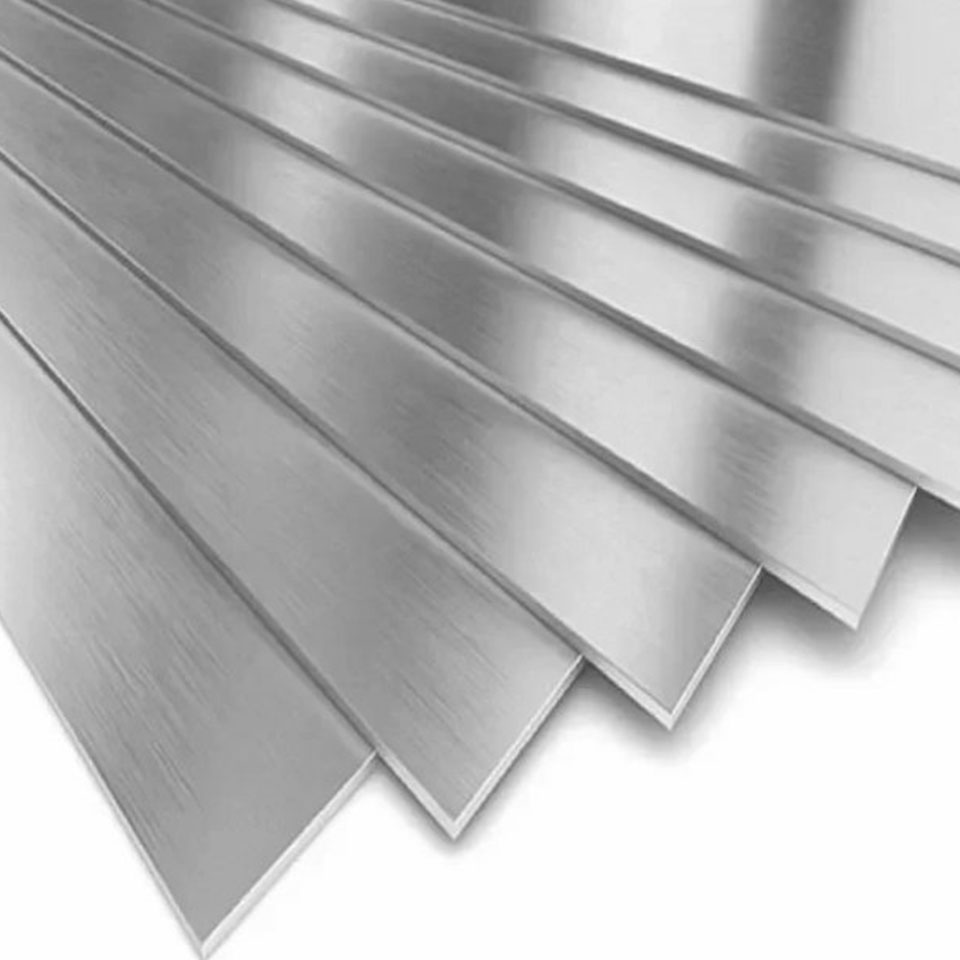
Types of Inconel
Custom Machined Inconel 600 Parts
CNC Pioneer offers Inconel 600 for custom machining services. We machine parts from this alloy entirely in-house.
Inconel 600 is a premium nickel-chromium-iron alloy ideal for high-temperature use. It excels in chemical processing and nuclear applications. This alloy is known for excellent corrosion resistance, high-temperature oxidation resistance, and strong mechanical properties.
Custom Machined Inconel 625 Parts
CNC Pioneer provides Inconel 625 for precision custom machining. All components are fabricated completely in-house.
Inconel 625 is a high-end nickel-chromium-molybdenum superalloy designed for severe service conditions. It performs exceptionally in offshore, aerospace, and chemical processing environments. This alloy stands out for its remarkable resistance to corrosion, chloride pitting, high-temperature strength, and long-term stability in oxidizing and reducing atmospheres.
Custom Machined Inconel 718 Parts
CNC Pioneer provides Inconel 718 for precision custom machining. All components are fabricated completely in-house. Inconel 718 is a high-performance nickel-chromium superalloy engineered for demanding high-strength needs. It excels in aerospace engines, gas turbines, and rocket components. This alloy is renowned for superior tensile strength, exceptional creep and fatigue resistance up to 1300°F, excellent weldability, and reliable performance from cryogenic to elevated temperatures.
Available Parts for Inconel CNC Machining
Inconel CNC Machining is suitable for nickel-chromium superalloys such as Inconel 718 (UNS N07718), Inconel 625 (UNS N06625), Inconel 600 (UNS N06600), and related grades, supplied in forms including bar stock, rod, plate, sheet, tube, forgings, and extrusions. Here are the parts we can provide for CNC Machining.
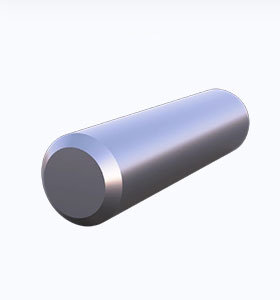
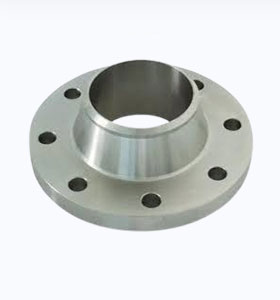
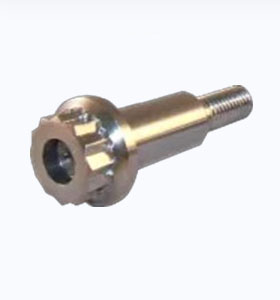
Inconel CNC Services and Capabilities
Swiss Machining
Swiss machining: ultra-precise, small-diameter complex parts machined from bar stock in a single setup – with micron-level tolerances and zero secondary operations.
CNC Turning and Milling
CNC turning with live tooling combines both lathe and mill capabilities to machine parts with cylindrical features from metal rod stock.
FAQs
Is Inconel difficult to machine?
Yes, Inconel is widely regarded as one of the more difficult materials to machine.
Key Reasons for Difficulty
- Rapid work hardening — The material hardens quickly under cutting forces, making subsequent passes much harder and increasing tool wear.
- Poor thermal conductivity — Heat generated during cutting stays concentrated at the tool tip rather than dissipating into the chip or workpiece, leading to extremely high cutting temperatures that accelerate tool degradation.
- High strength at elevated temperatures — Inconel retains its strength even when hot, so the cutting forces remain high throughout the process.
- Abrasive particles and gummy nature — The alloy contains hard carbides and intermetallic phases that abrade cutting tools, while its tendency to weld to the tool edge (built-up edge) further complicates chip formation.
Relative Difficulty
Compared to common materials:
- Much harder than carbon steels, aluminum, or brass.
- Similar to or harder than most stainless steels (e.g., 316 or 17-4PH).
- Among nickel alloys, Inconel 718 in the solution-annealed condition is relatively more machinable than aged 718 or other grades like 625 or 725.
Practical Implications
Machining speeds are typically 5–10 times slower than for mild steel, tool life is shorter, and costs are significantly higher. However, it is fully machinable with the right approach:
- Rigid machine setups
- Sharp, coated carbide or ceramic tools
- Climb milling
- High-pressure coolant
- Conservative speeds and heavier feeds
In short, Inconel is difficult and expensive to machine, but experienced shops with proper techniques routinely produce high-precision parts from it for aerospace, turbine, and chemical-processing applications.
What is the machinability of Inconel?
Inconel superalloys are generally considered to have poor machinability, ranking among the more challenging materials in CNC machining due to their high strength, heat resistance, and tendency to cause rapid tool wear.
Machinability Ratings
Machinability is often measured relative to free-machining steels (e.g., AISI B1112 rated at 100%). Common Inconel grades rate as follows:
- Inconel 718 (most widely machined grade): Typically 12–16% machinability.
- Inconel 625: Around 17%.
- General Inconel alloys: Often cited at ~12% overall on the AISI index.
These low ratings mean machining times can be 5–10 times longer than mild steel, with higher tool consumption and costs.
Primary Reasons for Poor Machinability
Several factors contribute to the difficulty:
- Rapid work hardening — The material hardens quickly under cutting forces, increasing resistance in subsequent passes and accelerating tool wear.
- Low thermal conductivity — Heat concentrates at the tool edge rather than dissipating, leading to high cutting temperatures and faster tool degradation.
- High strength retention at elevated temperatures — The alloy stays strong even when hot, requiring sustained high cutting forces.
- Abrasive intermetallic phases (especially in age-hardened conditions like Inconel 718) — These particles act like sandpaper on tools.
Variations by Grade and Condition
Machinability varies significantly:
- Solution-annealed (softer) condition is notably easier than age-hardened or precipitation-strengthened states.
- Inconel 625 is often slightly more machinable than 718 due to differences in composition and hardening behavior.
- Inconel 600 and others fall in a similar difficult range but are less commonly quantified.
In summary, while Inconel is fully machinable with expertise, rigid setups, advanced tooling (e.g., coated carbide or ceramics), aggressive coolant, and conservative parameters, its low machinability makes it expensive and time-intensive compared to steels, stainless, or titanium.
Why is Inconel 718 difficult to machine?
Inconel 718, a precipitation-hardenable nickel-chromium superalloy, is notoriously difficult to machine due to a combination of its mechanical, thermal, and metallurgical properties. These characteristics lead to high cutting forces, excessive heat generation, rapid tool wear, and poor chip control, making it one of the most challenging materials in CNC machining.
Primary Reasons for Machining Difficulty
- Rapid Work Hardening The alloy hardens significantly during the initial cutting pass as plastic deformation occurs at the surface. This increases strength and hardness in the machined layer, making subsequent passes more resistant and accelerating tool wear.
- Low Thermal Conductivity Heat generated during cutting does not dissipate easily into the workpiece or chips, concentrating at the tool edge. This causes extremely high localized temperatures, softening the tool and promoting rapid degradation.
- High Strength Retention at Elevated Temperatures Unlike many metals that soften when heated, Inconel 718 maintains its high shear strength and toughness even at cutting temperatures, requiring sustained high cutting forces throughout the process.
- Abrasive Microstructure In its age-hardened condition, the alloy contains hard intermetallic precipitates (e.g., gamma prime γ’ and gamma double prime γ” phases) that act abrasively on cutting tools, similar to sandpaper, dramatically shortening tool life.
Additional Factors
- Chip Formation and Built-Up Edge — The material tends to produce gummy, segmented chips that weld to the tool (built-up edge), further complicating cutting and degrading surface finish.
- Material Condition Impact — Solution-annealed Inconel 718 is somewhat easier to machine than the fully age-hardened state, as the latter maximizes the abrasive precipitates. Many shops machine in the annealed condition and age-harden afterward.
These factors result in machining speeds often 5–10 times slower than mild steel, significantly higher costs, and the need for specialized techniques (e.g., rigid setups, coated carbide/ceramic tools, high-pressure coolant, and aggressive but controlled feeds). Despite the challenges, Inconel 718 is routinely machined for critical aerospace and turbine components with proper expertise.