CNC machining and plastic injection molding represent two cornerstone processes in modern manufacturing. CNC machining is a subtractive technique that removes material from solid stock using computer-controlled tools, while injection molding is a formative process that injects molten plastic into a precision mold cavity under high pressure.
Visual demonstrations in educational manufacturing videos highlight the dramatic differences: CNC shows continuous chip removal and tool paths on metals or plastics, whereas injection molding reveals fast molten material filling, cooling, and ejection cycles—often completing in seconds.
These processes serve industries such as aerospace, medical devices, automotive, electronics, and consumer goods. The best selection balances production volume, geometric complexity, material needs, tolerance requirements, design iteration speed, surface finish expectations, and total landed cost.
What Is CNC Machining?
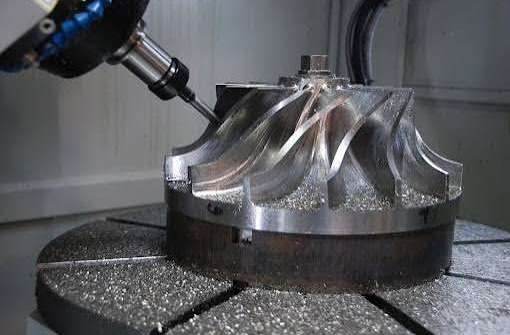
CNC machining utilizes multi-axis equipment (3-, 4-, or 5-axis mills; lathes; Swiss-style lathes) programmed via CAD/CAM software to precisely cut away material from billets, bars, plates, or near-net shapes. Videos often showcase the process in real time: spinning tools creating intricate features, coolant flow, chip evacuation, and final machined surfaces with visible tool marks that can be post-processed to mirror-like finishes.
Common Applications
- Rapid prototypes and functional validation parts
- Low- to medium-volume runs (1–10,000 units)
- Tight-tolerance components (±0.001 in / ±0.025 mm standard; tighter achievable)
- Aerospace structural elements, fittings, and brackets
- Medical implants, surgical tools, and device housings
- Electronics heat sinks, connectors, and enclosures
- Mold cores, cavities, and fixtures
Key Advantages
- Low initial setup cost (only fixturing, tooling, and programming)
- Rapid design changes—update CAM file and re-run
- Exceptional accuracy, repeatability, and complex geometry capability (undercuts, deep pockets, thin walls)
- Vast material selection: aluminum, stainless steel, titanium, brass, PEEK, Delrin, Ultem, composites
- Superior as-machined surface finishes (Ra 0.4–1.6 µm common; polishing for optical clarity)
- No minimum order; economical even for one-offs
Key Disadvantages
- Unit cost remains relatively high at scale due to cycle time and material waste
- Longer processing for bulky or highly detailed parts
- Generates recyclable scrap (metal chips, plastic swarf)
What Is Injection Molding?
Injection molding heats thermoplastic pellets to a molten state, then forces the material into a closed mold under pressures of 10,000–30,000 psi. After brief cooling (often 10–60 seconds), the mold opens and ejects the solidified part. Video footage frequently demonstrates high-speed cycles: screw plasticization, injection burst, pack/hold phase, cooling with visible shrinkage, and automatic ejection—illustrating why it’s ideal for mass production.
Common Applications
- High-volume identical parts (10,000–millions)
- Consumer product housings, caps, and containers
- Automotive trim, connectors, and interior components
- Medical disposables (syringes, vials, diagnostic cartridges)
- Electronic enclosures, buttons, and connectors
Key Advantages
- Very low per-part cost at high volumes once tooling is amortized
- Extremely fast cycle times for high throughput
- Near-zero net waste (runners and sprues often reground/recycled)
- Outstanding repeatability and cosmetic consistency
- Integrated features possible in one shot (threads, snap-fits, living hinges, textured surfaces)
- Broad aesthetic options (colors, textures, overmolding, insert molding)
Key Disadvantages
- Significant upfront tooling expense ($5,000–$150,000+ for steel molds; aluminum for bridge tooling)
- Extended lead time (4–16 weeks for design, machining, sampling, and validation)
- Design modifications often require tool rework or replacement
- Primarily thermoplastics/resins (ABS, PP, PC, nylon, TPE); limited high-temp or metal options
- Standard tolerances ±0.005 in / ±0.127 mm (tighter via precision molds, but costly)
CNC Machining and Injection Molding Comparison
| Factor | CNC Machining | Injection Molding | Best Suited For |
|---|---|---|---|
| Upfront Cost | Low (programming + fixturing) | High (mold design/fabrication dominant) | Prototypes / low-volume |
| Per-Part Cost | Higher; modest volume discounts | Plummets with volume (economies of scale) | High-volume (>5,000–10,000+ units) |
| Production Volume | Ideal: 1–10,000 parts | Ideal: 10,000–millions | Volume drives break-even point |
| Lead Time | Days to 2–4 weeks | 4–16 weeks (tooling) + seconds per cycle | Fast-turn or iterative projects |
| Typical Tolerances | ±0.001–±0.005 in (±0.025–±0.127 mm) | ±0.005–±0.020 in (±0.127–±0.5 mm); tighter possible | Precision-critical features |
| Material Options | Metals, engineering plastics, composites | Primarily thermoplastics/resins | Metals / high-performance polymers |
| Design Flexibility | High (easy CAD/CAM revisions) | Low (tooling changes expensive) | Development, prototyping, frequent iterations |
| Surface Finish | Excellent (tool-dependent; post-polish for Ra <0.4 µm) | Good–excellent (mold-dependent; gloss/matte/texture) | Both capable; CNC often superior without secondary ops |
| Part Complexity | Very high (multi-axis undercuts, deep features) | High (draft angles required; limited true undercuts) | Extreme internal geometry or undercuts |
| Waste/Scrap | Moderate–high (subtractive chips/swarf) | Low (runners recyclable) | Sustainability at scale favors injection molding |
Break-even volumes typically range from 1,000 to 10,000 parts (per 2024–2026 industry benchmarks from sources like Xometry, Protolabs, and manufacturing references), depending on size, complexity, and material.
Decision Framework
- Prototyping / <1,000 parts → CNC machining for speed, precision, and unlimited design changes.
- 1,000–5,000 parts with tight tolerances → Weigh CNC against aluminum bridge tooling for injection molding.
- >10,000 parts → Injection molding usually delivers the lowest total cost of ownership (TCO).
- Hybrid path → CNC for prototypes/tooling inserts → transition to production injection molding.
- Material or feature driven → Metals, PEEK/Torlon, or complex undercuts → CNC. Commodity plastics with cosmetic needs at scale → injection molding.
Final Guidance
CNC machining shines where precision, material versatility, rapid iteration, or low-to-medium volumes are priorities—ideal for mission-critical or custom components. Injection molding dominates high-volume plastic production with unmatched efficiency, consistency, and cost-per-part economics.
For optimal results, conduct a thorough Design for Manufacturability (DFM) review early, considering shrinkage, draft, parting lines (for molding), and fixturing/tool access (for machining). Consult experienced engineers to model costs, tolerances, and lead times specific to your geometry and requirements.

David Li
David Li is the CNC Machining Expert at Cncpioneer, with 6 years of frontline experience as a CNC programmer, process engineer, and precision machining specialist. He excels in translating complex machining challenges into clear, actionable advice for operators, engineers, and manufacturers.