When choosing between anodized aluminum and stainless steel for various applications, it’s essential to evaluate several factors, including corrosion resistance, cost, wear resistance, safety, and strength. Both materials are widely used in industries ranging from aerospace to consumer goods, but each has its unique advantages.
In this article, we will delve into a detailed comparison of anodized aluminum and stainless steel to help you make an informed decision.
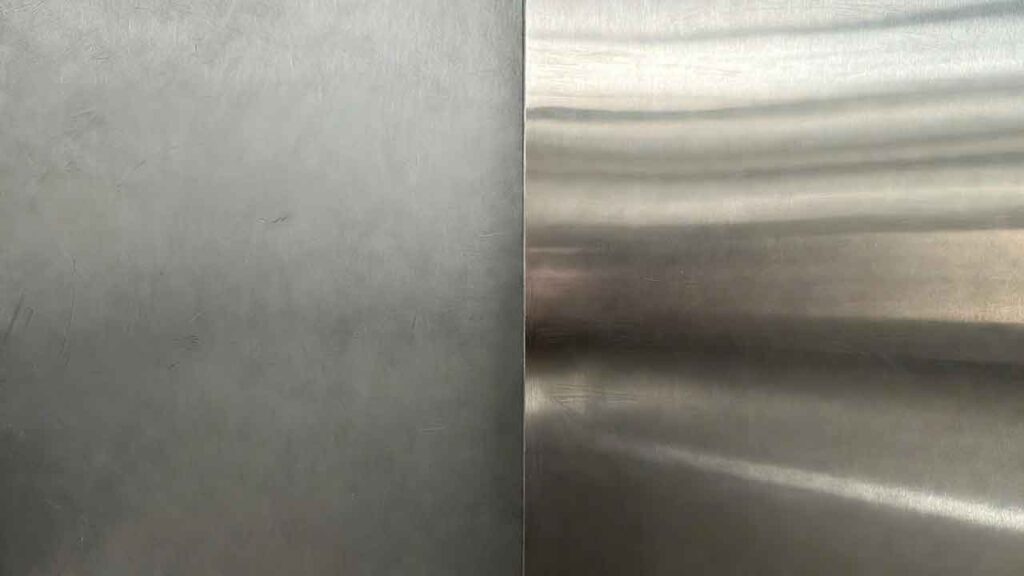
Corrosion Resistance
Anodized Aluminum:
Anodizing is an electrochemical process that enhances the natural oxide layer on aluminum, making it more resistant to corrosion. This process improves the material’s durability, especially in environments exposed to moisture and varying temperatures. However, while anodized aluminum performs well in mild corrosion environments, it still may not be as resistant as stainless steel in harsher conditions, such as exposure to saltwater or acids.
Stainless Steel:
Stainless steel, due to its high chromium content, naturally resists corrosion. It forms a protective oxide layer when exposed to oxygen, which shields the material from corrosion even in challenging environments like marine settings, food processing, and industrial applications. It is especially resistant to rust and staining, making it an ideal choice for high-corrosion applications.
Winner: Stainless Steel
While anodized aluminum offers improved resistance over standard aluminum, stainless steel generally outperforms it, especially in extreme or highly corrosive environments.
Cost
Anodized Aluminum:
Aluminum is one of the most cost-effective metals available, and anodizing adds minimal additional cost to the manufacturing process. This makes anodized aluminum an affordable option for many industries where cost-effectiveness is a priority, without sacrificing durability or aesthetics. The anodizing process itself is relatively low in cost compared to other surface treatments.
Stainless Steel:
Stainless steel tends to be more expensive than aluminum due to the high raw material cost and the complex manufacturing processes involved in producing and shaping stainless steel. Additionally, high-quality stainless steel grades may significantly increase costs. However, the durability and long-term performance of stainless steel can justify the higher initial investment, especially in critical applications.
Winner: Anodized Aluminum
For projects with tight budgets or less demanding performance requirements, anodized aluminum is often the more economical choice.
Wear Resistance
Anodized Aluminum:
The anodizing process significantly improves the hardness of aluminum, making it more resistant to wear and scratching. While anodized aluminum is much harder than untreated aluminum, it is still generally softer than stainless steel. It is effective for many applications, such as automotive parts, consumer electronics, and outdoor furniture, where light to moderate wear is expected.
Stainless Steel:
Stainless steel, particularly high-grade stainless steels like 304 and 316, is known for its exceptional wear resistance. The material’s toughness and hardness make it ideal for high-stress applications, such as industrial machinery, tools, and construction equipment. Stainless steel maintains its integrity even under constant friction or abrasion, which makes it a preferred material in high-wear environments.
Winner: Stainless Steel
In terms of wear resistance, stainless steel outperforms anodized aluminum, especially in high-stress or heavy-duty applications.
Safety
Anodized Aluminum:
Anodized aluminum is generally considered safe for use in consumer products, including cookware, medical devices, and food packaging. The anodizing process makes the aluminum surface non-reactive, reducing the risk of harmful interactions with substances. Furthermore, anodized aluminum is not toxic and does not emit hazardous fumes when exposed to high temperatures.
Stainless Steel:
Stainless steel is widely regarded as one of the safest materials for both food and medical applications. It is non-reactive, does not leach chemicals, and is resistant to bacterial growth. Stainless steel’s strength and corrosion resistance make it ideal for use in environments where hygiene and safety are crucial, such as hospitals, food processing, and pharmaceutical industries.
Winner: Tie
Both anodized aluminum and stainless steel are safe materials in different contexts. While anodized aluminum is safe for use in consumer goods, stainless steel is preferred in applications where hygiene and durability are critical.
Strength
Anodized Aluminum:
Although anodizing increases the strength of aluminum by creating a tougher outer layer, aluminum itself is a relatively soft metal compared to stainless steel. Anodized aluminum is strong enough for most lightweight applications, but its strength-to-weight ratio does not compare to stainless steel in high-load or structural applications.
Stainless Steel:
Stainless steel is known for its high tensile strength and overall toughness. It is one of the strongest materials available for various industrial and structural applications. Stainless steel’s superior strength makes it ideal for demanding environments, such as the construction of bridges, machinery, and aerospace components. Additionally, stainless steel maintains its strength across a wide range of temperatures and conditions.
Winner: Stainless Steel
In terms of pure strength, stainless steel is the clear winner, providing superior load-bearing capacity and resistance to deformation.
| Property | Anodized Aluminum | Stainless Steel |
|---|---|---|
| Density (g/cm³) | 2.7 | 7.9 |
| Tensile Strength (MPa) | 150-570 | 500-2000 |
| Corrosion Resistance | Good (enhanced oxide layer) | Excellent (passive chromium layer) |
| Wear Resistance (HV) | 300-500 | Varies, generally lower surface hardness |
| Cost | Lower | Higher |
| Safety (Leaching) | Low risk, sealed surface | Minimal, highly stable |
Conclusion
In the battle between anodized aluminum and stainless steel, both materials offer unique benefits depending on the application.
- For Corrosion Resistance: Stainless steel excels in highly corrosive environments, though anodized aluminum is sufficient for less extreme conditions.
- For Cost: Anodized aluminum is typically the more affordable choice.
- For Wear Resistance: Stainless steel offers superior durability under heavy wear.
- For Safety: Both materials are safe, but stainless steel is especially favored in food, medical, and high-hygiene applications.
- For Strength: Stainless steel is stronger and more suitable for heavy-duty applications.
Ultimately, the choice between anodized aluminum and stainless steel comes down to the specific requirements of your project. If you’re looking for an affordable and corrosion-resistant material for lighter-duty applications, anodized aluminum is a great option. However, for higher strength, wear resistance, and long-term performance in harsh conditions, stainless steel is often the better choice.