China’s humanoid robot industry went from research curiosity to full-blown arms race in about eighteen months. By the Ministry of Industry and Information Technology’s own count, China had more than 140 domestic humanoid robot manufacturers and over 330 released models by the end of 2025 — and the pace has only picked up since.
This list doesn’t rank companies 1 through 20. In a field moving this fast, a strict ranking would be stale within a quarter. Instead, it groups 20 of the most relevant Chinese humanoid robot companies. Each entry includes a flagship model’s publicly reported key specs, plus a component/actuator note — useful if you’re sizing these companies up as customers, partners, or competitive benchmarks rather than reading purely for novelty.
A note on the numbers: specs below are drawn from manufacturer pages and independent trackers where available. Some companies (Unitree, LimX Dynamics, CASBOT) publish detailed official specs; others (Leju, XPeng) have only press-reported or single-source figures, which are flagged as such. Funding, pricing, and production numbers reflect reporting as of mid-2026. this space moves fast enough that it’s worth re-checking anything time-sensitive before you publish or quote it.
Unitree Robotics
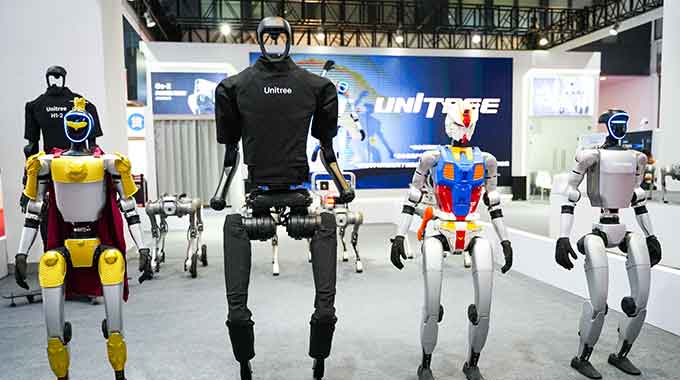
G1 (Hangzhou) Still the most recognizable name in Chinese humanoid robotics, helped by viral moments from dancing at China’s 2025 Lunar New Year gala to competing in the world’s first humanoid boxing match. The G1 is Unitree’s accessible, mass-produced platform — sold direct, not just demoed.
- Height: 1.32 m (folds to 0.69 m)
- Weight: ~35 kg
- Degrees of freedom: 23 standard, up to 43 in EDU configurations
- Speed: 2 m/s
- Battery: ~2 hours per charge
- Price: from $13,500 (up to ~$73,900 for fully loaded EDU configs with dexterous hands) Component angle: Unitree builds most of its own actuators and reducers in-house, making it a tough account to win directly — but the clearest public pricing benchmark for the rest of the market.
UBTech Robotics
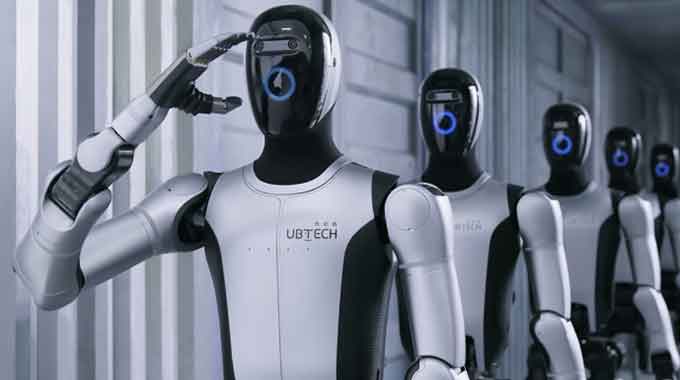
Walker S2 (Shenzhen) One of China’s oldest humanoid robotics companies, now running its Walker series on real production lines at BYD and Foxconn. Also makes the smaller Alpha Mini (education) and WELLI (elder care), and announced a roughly $20,000 household humanoid in 2025.
- Height: 1.76 m
- Degrees of freedom: 52
- Payload: 15 kg
- Speed: 2 m/s
- Notable feature: fully autonomous battery-swapping for round-the-clock operation Component angle: a multi-tier product range (consumer, education, heavy industrial) means several different tolerance and cost targets under one roof.
Agibot / Zhiyuan Robotics
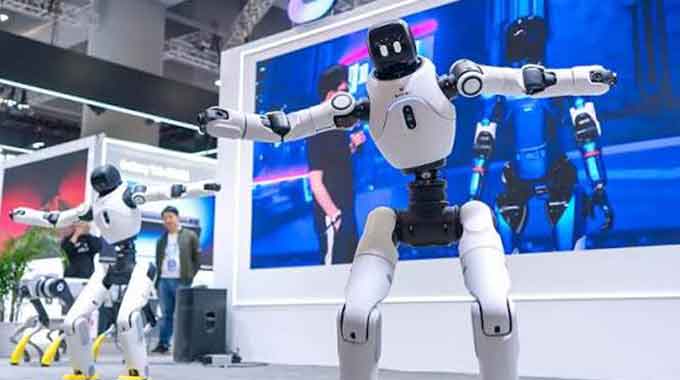
A2 & X2 (Shanghai) Agibot (international brand) and Zhiyuan Robotics (Chinese name) are the same company, and one of the fastest-scaling humanoid makers in China — over 5,000 robots delivered in 2025, passing 10,000 cumulative units by March 2026. Runs a proprietary “WorkGPT”/EI-Brain software stack and has a strategic battery partnership with CATL.
- A2 (flagship, industrial): ~1.7 m, ~55 kg, 40+ DOF (reported DOF varies significantly by source and configuration — treat as approximate)
- X2 (compact, service): ~1.31 m, ~35 kg, 25–30 DOF, ~2 hour runtime Component angle: scaling this fast almost always means a multi-vendor supply strategy rather than one in-house source.
Fourier Intelligence
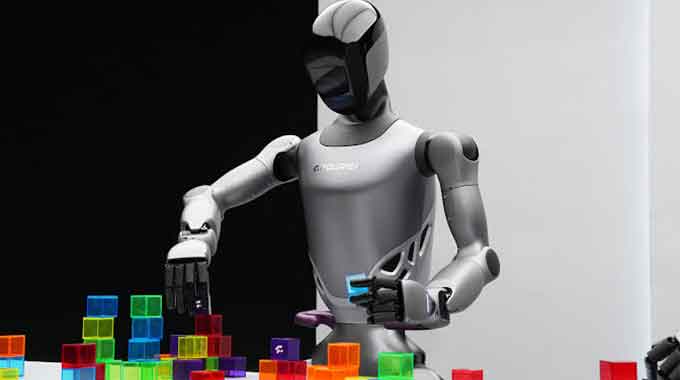
GR-1 (Shanghai) Fourier’s roots are in medical rehabilitation robotics, and it shows in the GR-1’s unusually refined force-sensing joints. The company has since moved on to GR-2 and GR-3.
- Height: 1.65 m
- Degrees of freedom: 44
- Price: ~$40,000–$55,000 Component angle: precise, safe force control rather than raw speed or strength means tighter-than-average actuator and joint-housing tolerances — a strong-fit account for shops specializing in high-precision work.
Tiangong / Beijing Humanoid Robot Innovation Center
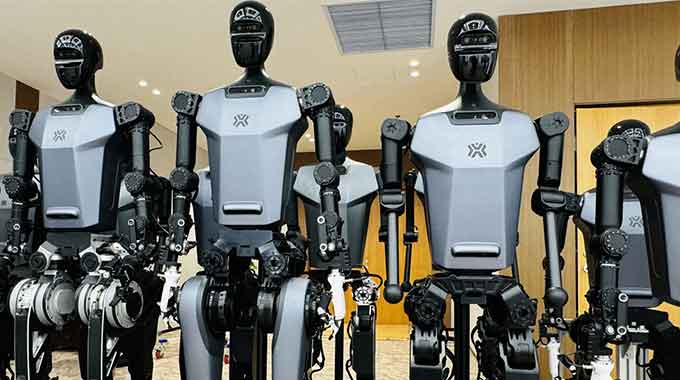
Tiangong Ultra A, A state-backed platform, is jointly owned by Xiaomi Robotics, UBTech, and two state enterprises (commercially operating as X-Humanoid, with roughly $100M in commercial financing raised in early 2026). Tiangong Ultra won the world’s first humanoid half-marathon in Beijing in April 2025; the center has since released Tiangong 2.0 and an open-source “Tiangong 3.0.”
- Height: ~1.80 m
- Weight: ~52–55 kg
- Top speed: ~12 km/h (achieved during the marathon, with battery swaps mid-race) Component angle: as a shared platform rather than one vertically integrated brand, it works with a wider bench of outside component vendors than a typical single-company robot maker.
Galbot

G1 (Beijing) Founded in 2023, Galbot has raised roughly $800 million and was valued at around $3 billion as of December 2025, with CATL both an investor and a deployment partner. Its wheeled, dual-armed G1 runs autonomous “Galbot Store” retail kiosks in 30+ Chinese cities; its heavier-duty S1 has run production lines at a CATL battery plant since spring 2026.
- Height: 173 cm
- Weight: 92.5 kg
- Degrees of freedom: 24 driven joints
- Payload: 5 kg per arm
- Battery: ~8 hours
- Rating: IP54 Component angle: two very different robot platforms (retail G1, industrial S1) scaling at once suggests ongoing, diversified sourcing needs.
LimX Dynamics
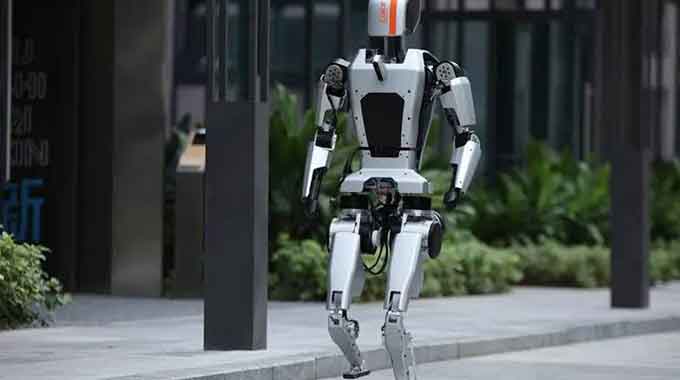
Oli Often described in trade coverage as “China’s answer to Atlas.” Backed by roughly $200 million in funding including NIO Capital, Oli is one of the more technically ambitious full-size platforms aimed at dynamic, human-like locomotion rather than simplified showcase robots. LimX also fields the P1 and CL-1.
- Height: 165 cm
- Weight: ~55 kg
- Degrees of freedom: 31 (up to 43 in an extended configuration)
- Price: reported around $22,700 These are official manufacturer-published specs — among the more reliable figures on this list.
Leju Robotics

Kuavo 5 (Shenzhen) Founded in 2016—one of the more established humanoid startups here — Leju has backing from Tencent and delivered its 100th full-size humanoid in 2025. The current-generation Kuavo 5 (launched October 2025) has modular limbs that convert between bipedal and wheeled configurations and runs on Huawei’s HarmonyOS-based KaihongOS with Huawei Pangu AI integration.
- Weight: ~63.5 kg (press-reported, unofficial—Leju has not published a formal spec sheet)
- Speed: ~4.6 km/h (unofficial)
- Joint torque: ~360 N·m (unofficial)
- Price: ~$50,000 (unofficial, international pricing) Component angle: the bipedal/wheeled convertible limb design is mechanically more complex than a fixed-configuration robot—worth asking about directly rather than assuming from public specs.
Kepler Robotics
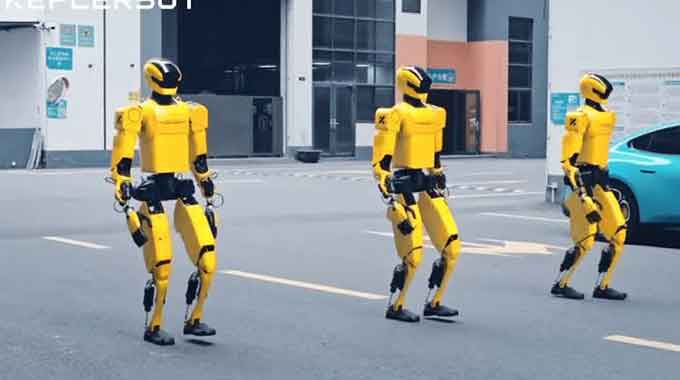
Forerunner K2 (Shanghai) Targets manufacturing, logistics, and inspection work and has already moved into mass production—positioning Kepler as industrial-first rather than research- or consumer-facing.
- Degrees of freedom: 52 body + up to 11 per hand
- Battery: 2.33 kWh
- Payload: up to 15 kg (single hand)
- Notable feature: fingertip sensors with up to 96 contact points Component angle: that profile usually means steadier, larger-volume component orders than showcase-focused competitors.
Robotera
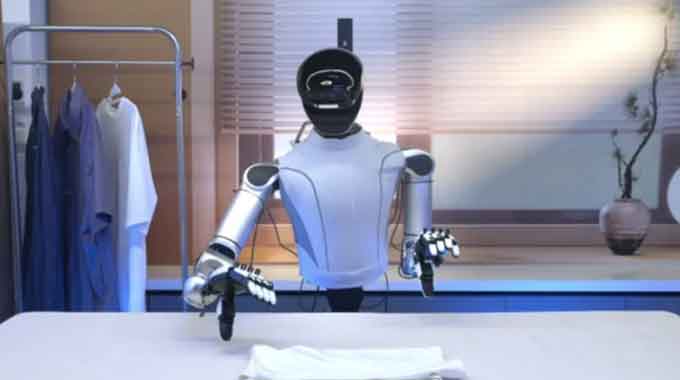
L7 Fields a wide model range—Xhand, XBot-L, STAR1, Q5, and L7—spanning dexterous hands through full humanoids and was among the companies demonstrating combat-ready robots at WAIC 2025’s robot-boxing exhibition.
- Height: 1.71 m
- Weight: ~60 kg
- Payload: 20 kg (dual-arm)
- Speed: 4 m/s (max)
- Field of view: 360°
EngineAI
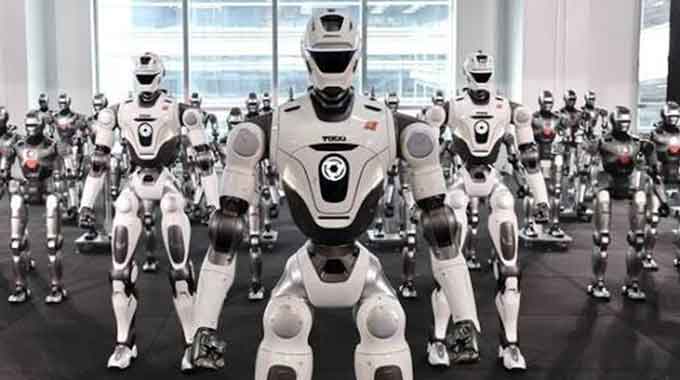
T800 Markets its SE01 as one of the first humanoids to walk with a distinctly natural, human-like gait, alongside the PM01 and the earlier T800. Also announced an anime-styled companion robot for younger consumers, and hosted its own “Robot Free Combat Tournament” in Shenzhen in December 2025.
- Height: 1.73 m
- Weight: 70 kg
- Degrees of freedom: 29 (excluding hands)
MagicLab
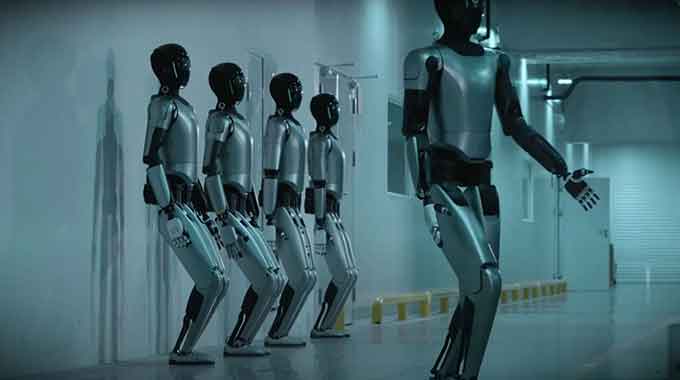
MagicBot Gen1 & Z1 (Wuxi) MagicLab went from basement startup (founded December 2023) to household name in one night: six MagicBot Z1 units danced alongside pop stars at China’s 2026 Spring Festival Gala in front of roughly 1.2 billion viewers, selling out on JD.com within minutes.
- Gen1 (industrial): 174 cm, ~67.5 kg, 42 DOF, 20 kg payload, 4–5 hour battery
- Z1 (compact): 1.37 m, ~40 kg, 24 DOF, folds to 73 cm for transport, ~2-hour battery Component angle: Gen1 has been running electronics factory lines (inspection, material handling, and barcode scanning) since December 2024—a genuine industrial deployment, not just a demo.
CASBOT
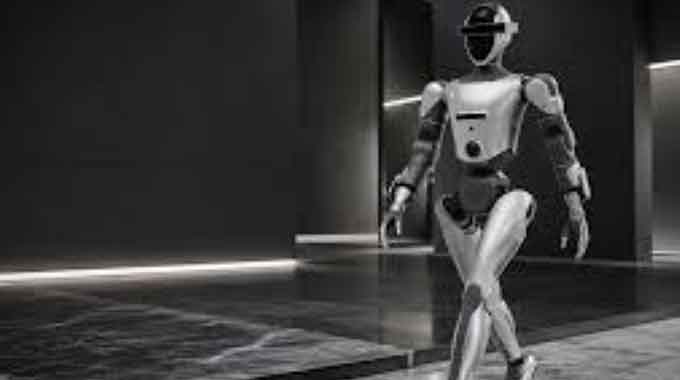
CASBOT 01 (Beijing) Developed by Lingbao/Beijing Zhongke Huiling Robotics and nicknamed “Wednesday.” A modified, lightened version (CASBOT SE) competed in the 2025 Beijing humanoid half-marathon.
- Height: 1.79 m
- Weight: 60 kg
- Degrees of freedom: 52
- Compute: 550 TOPS
- Battery: 4+ hours
Noetix Robotics
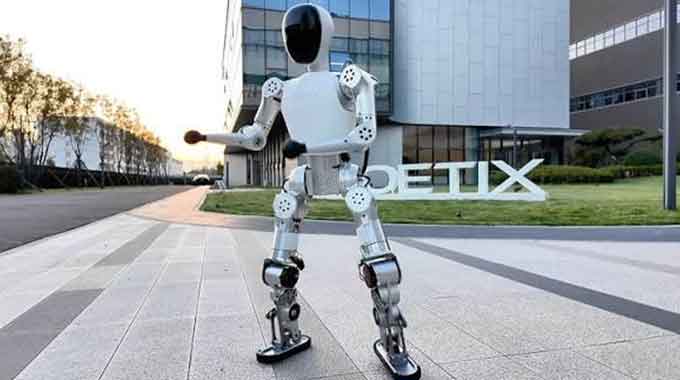
N2 (Beijing) A compact, low-cost humanoid that finished second in the 2025 Beijing half-marathon. Shipped 105 units in a single month (July 2025) and says it’s scaling toward 10,000 units a year.
- Height: 118 cm
- Speed: 11.6 km/h (can also perform backflips)
- Price: ~¥39,900 (roughly $5,500) Component angle: this is one of the clearest volume-manufacturing stories on this list—a better fit for shops set up for higher-volume, lower-cost component runs than for one-off precision work.
DroidUp
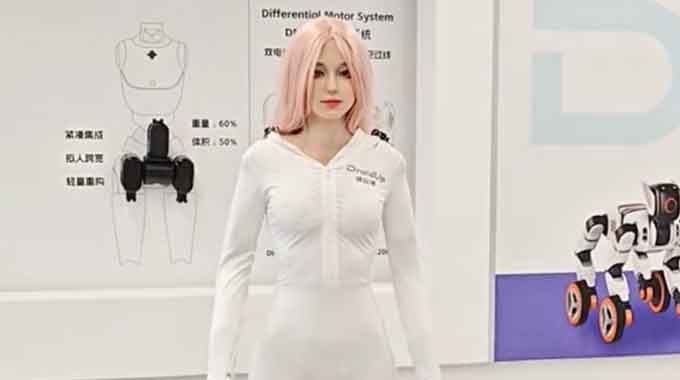
Moya (Shanghai) Founded in 2023, DroidUp built its early reputation on hyperrealistic android busts before unveiling Moya. An earlier DroidUp robot placed third in the 2025 Beijing half-marathon.
- Height: 165 cm
- Weight: 32 kg
- Speed: 3 m/s
- Face: silicone-covered, 25 degrees of freedom for expression
- Price: ~$173,000 (limited first run of ~50 units) Component angle: Moya uses tendon-driven actuation rather than the rotary/linear actuator approach most robots on this list use—mechanically distinct, worth noting if that’s a capability your shop has.
XPeng
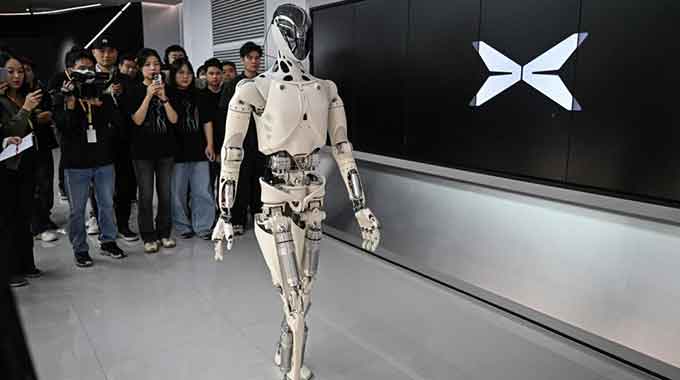
Iron, best known as an EV maker, XPeng’s Iron humanoid went viral in early 2026 for its unusually lifelike appearance, though public demos also showed some balance issues while walking.
- Height: 1.73 m
- Weight: ~70 kg
- Degrees of freedom: reported around 200 total (22 in the hands)—single-source figure, not independently confirmed
- Price: not yet disclosed Component angle: XPeng’s existing mass-manufacturing experience from its car business is arguably its biggest edge over robotics-only startups and a reason it may lean on established automotive-grade suppliers.
Xiaomi Robotics
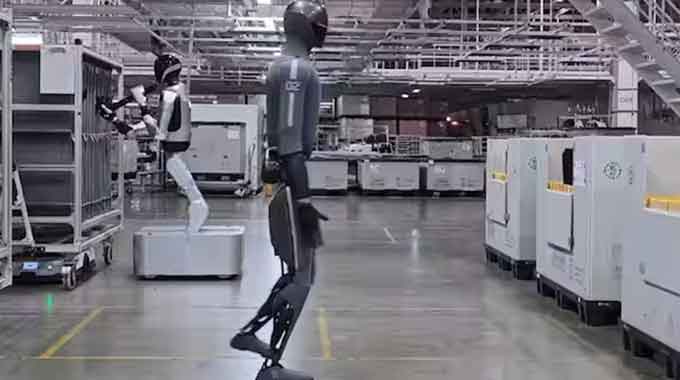
CyberOne, smartphone and EV maker Xiaomi’s original Cyber One debuted in 2022; a CyberOne V2 shown at an April 2026 investor day shrunk the hands 60% toward true human scale and added a liquid-cooling system, though no price or launch date has been set yet.
- CyberOne (2022): 177 cm, 52 kg, 21 DOF
- CyberOne V2 (2026, unreleased): hands at 22–27 DOF, liquid cooling, reported 90.2% success rate in internal auto-assembly pilots Xiaomi also co-owns the Beijing Humanoid Robot Innovation Center (Tiangong, #5 above)—giving it both its own consumer-electronics-driven program and a seat in the state-backed platform.
Honor
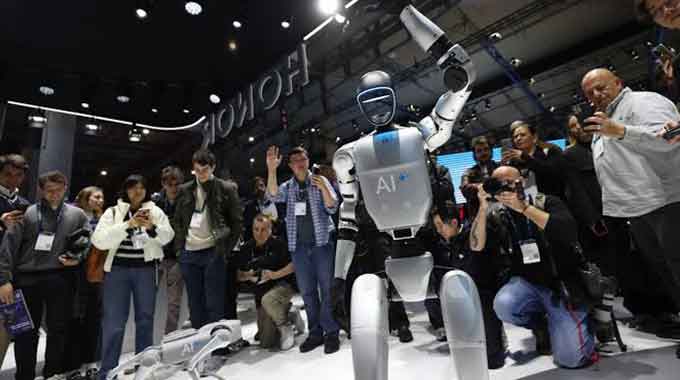
Lightning Another smartphone maker turned robot competitor. Honor entered embodied AI less than a year before Lightning won the 2026 Beijing humanoid half-marathon in 50:26—the first time a humanoid has beaten the men’s half-marathon world record (57:20). Honor teams took all three podium spots.
- Height: 169 cm
- Leg length: 95 cm (elongated to mimic elite-runner stride)
- Joint torque: ~400 N·m
- Notable feature: smartphone-derived liquid cooling to manage sustained high-output running Lightning is a specialized running platform, not a general-purpose humanoid—Honor is using marathon racing as a hardware stress test, similar to how EV makers use racing.
Deep Robotics

DR02 (Hangzhou) Long known as one of China’s leading quadruped robot makers, Deep Robotics has been expanding into bipedal humanoids and showed a full portfolio spanning quadrupeds and humanoids at WAIC 2026.
- Height: 1.75 m
- Weight: 65 kg
- Speed: 4 m/s (max)
- Payload: 20 kg
- Rating: IP66, wide operating temperature range (built for outdoor/field use, not just lab settings) Component angle: a useful example of a mature, revenue-generating robotics company diversifying into humanoids rather than starting from zero — likely a more stable, established buyer than a pre-revenue startup.
PNDbotics
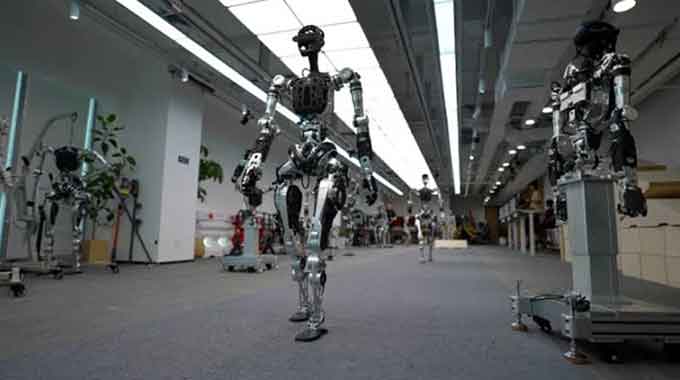
Adam (Beijing): The Modular platform is offered in Lite, Standard, SP, and Pro variants, using quasi-direct-drive actuators. Its Adam-U data-collection variant—built with partners Noitom Robotics and Inspire Robots—also went viral for a keytar performance at a Chinese music festival.
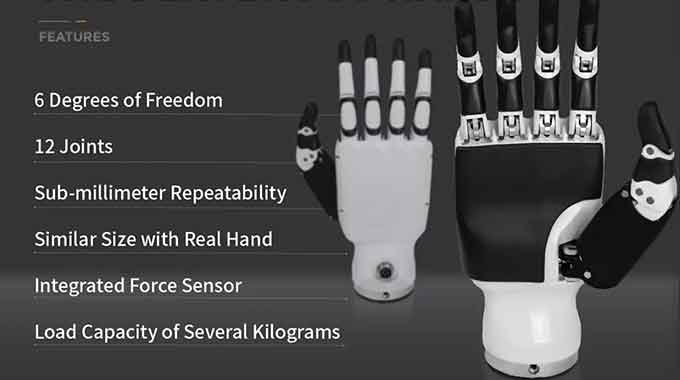
- Degrees of freedom: 31 total (Adam-U), including 6-DOF dexterous hands
- Price: ~$45,000 (Adam-U)
The pattern across all 20
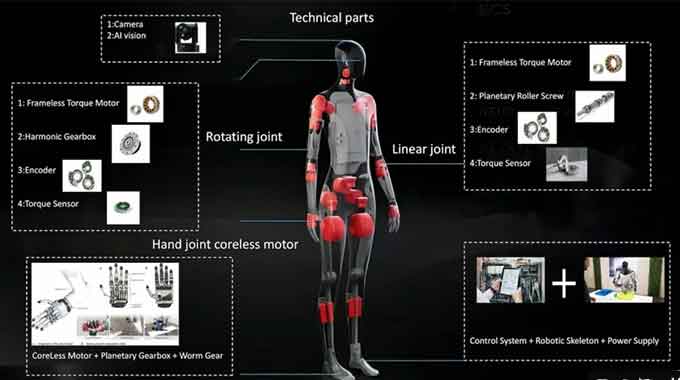
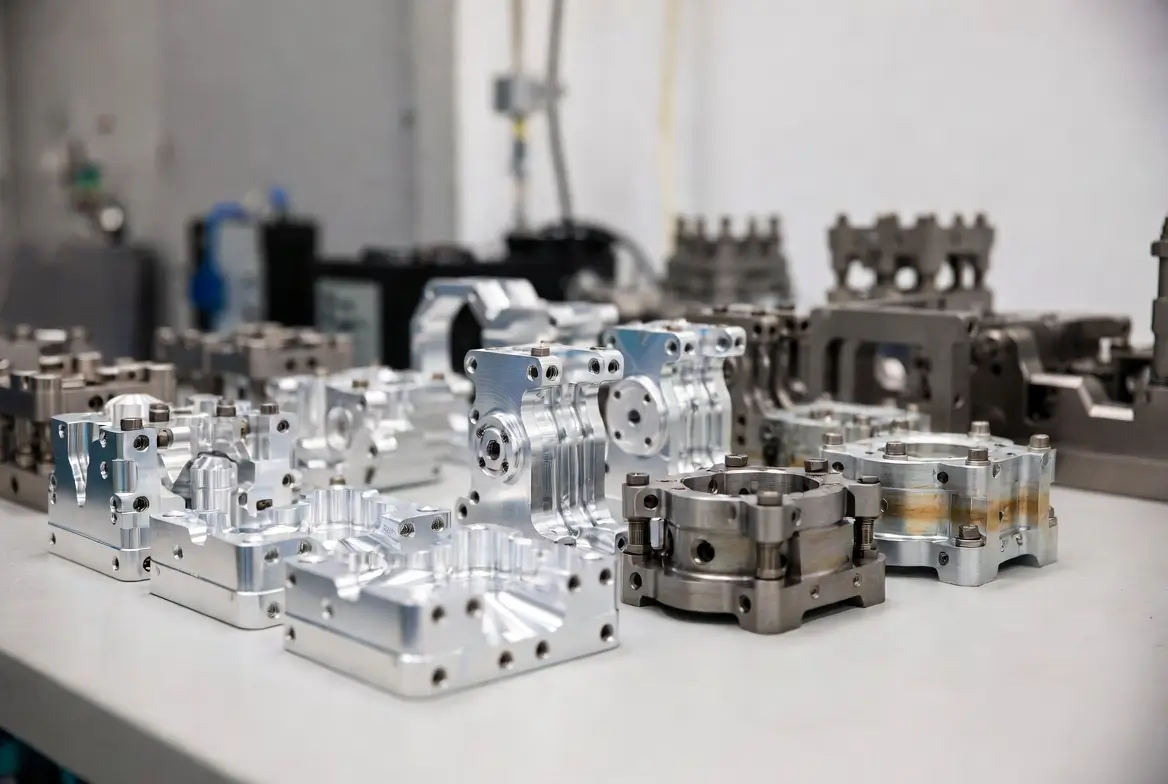
Company size and funding stage vary enormously here, but one thing doesn’t: joints and actuators are consistently the most expensive, most differentiated, and most supply-constrained part of the robot. It’s also worth noticing how much publicly reported specs disagree with each other—degrees-of-freedom counts for the same robot can vary by a factor of two between sources, and several companies (Leju, XPeng) simply haven’t published an official spec sheet at all. For component and precision-machining suppliers sizing up this market, that gap between marketing claims and verified manufacturer data is often more informative than the headline numbers themselves