In the high-stakes world of healthcare, where every micron matters, precision medical machining is the unsung hero behind life-saving devices and instruments. This advanced manufacturing process delivers ultra-precision components for medical devices, implants, and equipment—with tolerances as tight as ±0.0001 inches. Whether you’re a medical device manufacturer looking for customized ODM solutions, a supplier seeking high-quality parts at competitive prices, or an engineer curious about the technology, this guide breaks it all down.
We’ll cover what precision medical machining really is, why it’s critically important in the medical sector, key processes (like CNC and Swiss machining), materials (focusing on titanium and metals), real-world applications, benefits, how to choose a reliable manufacturer or supplier (including options in China), and emerging trends. By the end, you’ll know exactly how to source or implement precision medical machining services for your needs.
What Is Precision Medical Machining?
Precision medical machining is a specialized subset of CNC machining focused on producing high-precision parts for the medical industry. It uses computer-controlled tools to shape materials into complex components with exceptional accuracy, ensuring they meet strict biocompatibility, durability, and regulatory standards (like ISO 13485 and FDA requirements).
At its core, the process starts with digital designs (CAD/CAM) and translates them into physical parts via advanced CNC machines. This guarantees consistency—every part is identical, down to the micron. Manufacturers often operate in controlled environments to prevent contamination, and they incorporate rigorous quality checks.
Many leading suppliers, especially factories in China, offer OEM and ODM services, allowing for fully customized solutions. They provide competitive pricelists and quotes, making high-precision medical components accessible without sacrificing quality.
Why Is Precision Medical Machining Important?
In the medical sector, precision isn’t optional—it’s essential. A tiny deviation can cause device failure, leading to patient harm or regulatory issues. Ultra-precision machining ensures parts fit perfectly, withstand sterilization, and perform reliably in critical applications like surgery or imaging.
For instance, in orthopedic implants or diagnostic equipment, high accuracy promotes better outcomes, such as improved bone integration for titanium parts. It also enables miniaturization for minimally invasive devices, driving innovation in the industry.
Suppliers who guarantee tight tolerances provide a critical safety net. With rising demand for personalized medicine, precision medical machining is more important than ever—balancing quality, speed, and cost efficiency.
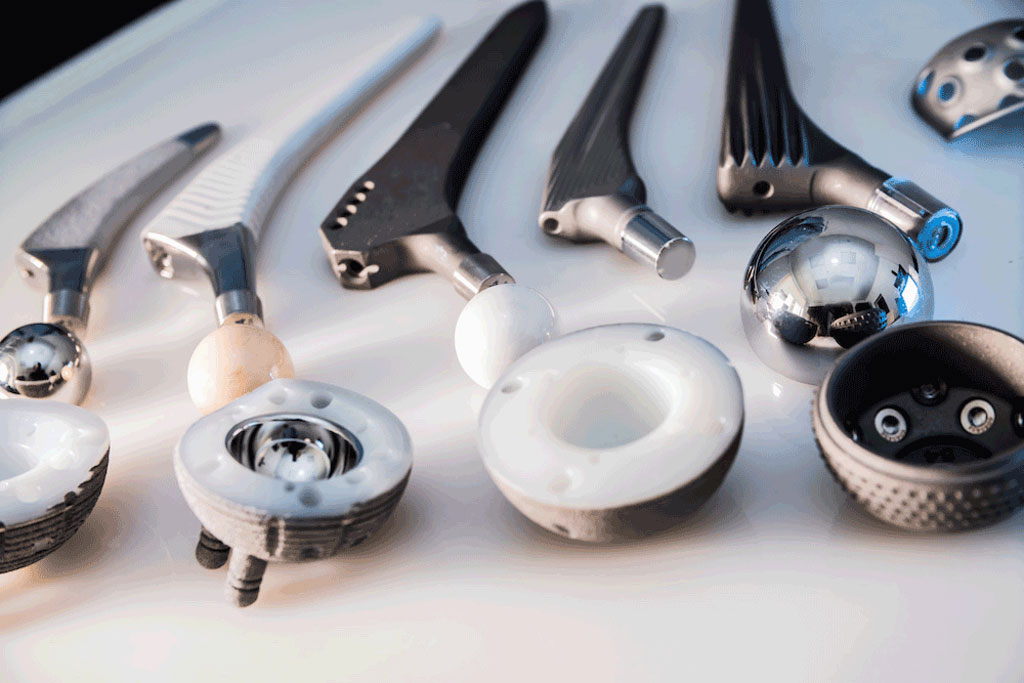
Key Processes in Precision Medical Machining
Several advanced processes power precision medical machining. Here’s a breakdown of the most common:
CNC Milling and Turning
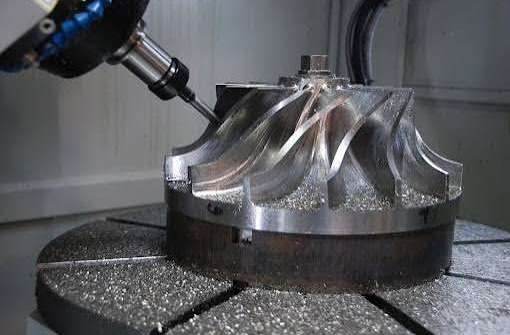
Multi-axis CNC milling and turning create complex geometries in metals like titanium. These are foundational for producing medical device components with high accuracy.
Swiss-Style Machining
Ideal for small, intricate parts (e.g., screws or pins), Swiss CNC machining supports long, slender components with ultra-precision. It’s widely used for surgical instruments and implants.
Electrical Discharge Machining (EDM)
For hard materials, EDM erodes metal with sparks, achieving burr-free finishes without mechanical stress.
Inspection and Finishing
Post-processing includes polishing, passivation, and CMM (Coordinate Measuring Machine) inspections to verify quality.
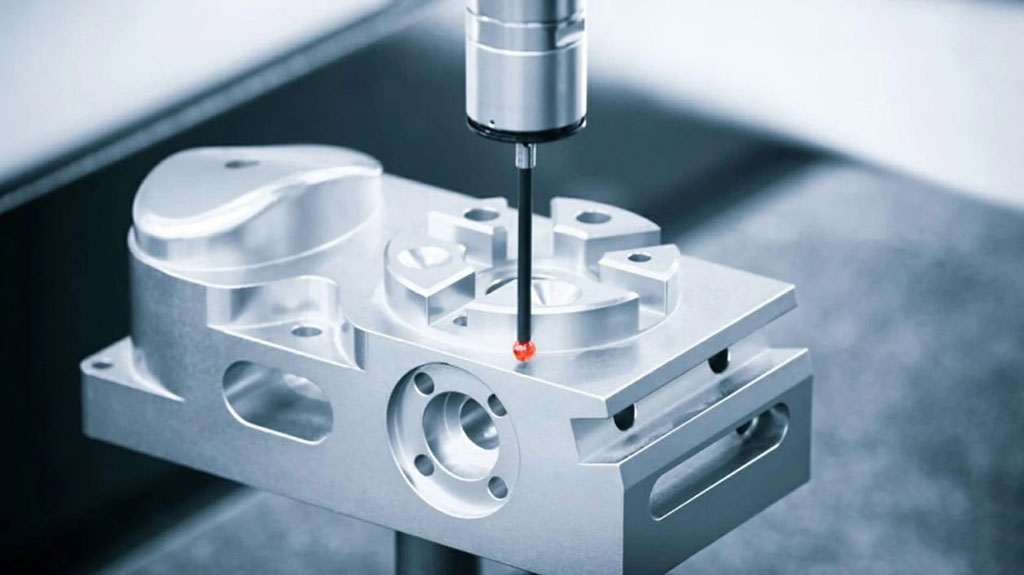
China-based factories often integrate automation for faster, lower-cost production while maintaining these standards.
Materials Used in Precision Medical Machining
Material choice is vital for biocompatibility and performance:
- Titanium: Lightweight, strong, and corrosion-resistant—perfect for implants.
- Stainless Steel: Durable for surgical instruments.
- Plastics (e.g., PEEK): For non-metal parts in devices.
- Exotics: Like nitinol for shape-memory applications.
Suppliers ensure materials are certified, with processing optimized for each.
Applications of Precision Medical Machining
Precision medical machining shines in:
- Orthopedic and dental implants.
- Diagnostic/imaging equipment components.
- Robotic surgery parts and prosthetics.
- Micro-components for minimally invasive devices.
- Surgical instruments and tools.
These applications improve patient care across the medical sector.
Benefits of Precision Medical Machining
- Superior Quality and Accuracy: Guarantees reliable performance.
- Customization: OEM/ODM for tailored solutions.
- Cost Efficiency: Low waste and competitive pricing (especially from China suppliers).
- Speed: Rapid prototyping to production.
- Compliance: Built-in support for regulations.
How to Choose a Precision Medical Machining Provider
Look for:
- Certifications (ISO 13485).
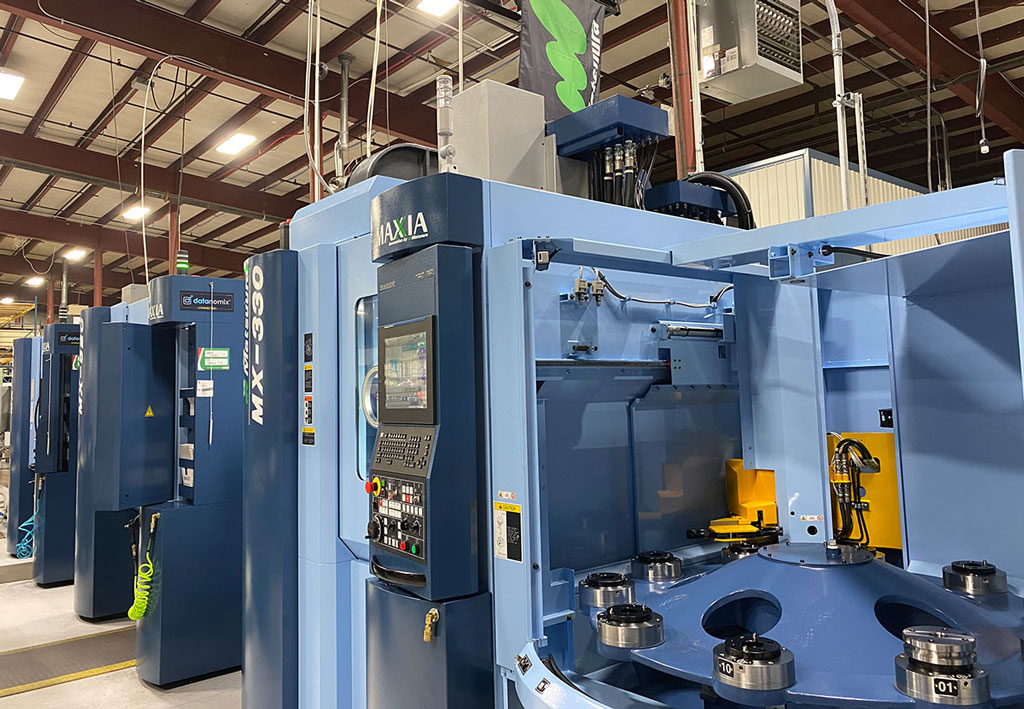
- Advanced equipment and technology.
- Experience in medical processing.
- Flexible services (prototypes to high-volume).
- Transparent quotes and pricelists.
Many top manufacturers in China offer global supply with low prices and high quality—ideal for OEM projects.
Future Trends in Precision Medical Machining
Expect AI-driven optimization, hybrid processes (CNC + 3D printing), and even tighter tolerances for personalized devices. Sustainability and smarter factories will dominate.
FAQs
What makes precision medical machining different from standard CNC?
It demands ultra-precision, biocompatibility, and medical-specific compliance.
Why choose China for precision medical machining?
Factories there provide high-quality, low-price OEM/ODM services with fast supply.
Which materials are most common?
Titanium is for implants, and stainless steel is for instruments.
How do manufacturers guarantee quality?
Via CMM inspections, traceability, and certifications.
What are key applications in medical devices?
Implants, surgical tools, and imaging components.
Conclusion
Precision medical machining is the foundation of modern medical technology, delivering the high-precision parts that power innovative devices and save lives. From titanium implants to customized instruments, partnering with the right manufacturer or supplier ensures success. If you’re ready for quotes or to explore services, reach out to certified providers today.