Electronics machining is a precision manufacturing process that shapes materials into components essential for modern electronic devices. From smartphones and computers to medical equipment and telecommunications systems, electronics machining delivers the accuracy and reliability that today’s technology demands.
This guide explores how electronics, CNC machining, and related techniques produce everything from heat sinks to connectors. Let’s dive into what it involves, the processes, materials, applications, advantages, limitations, and more.
What Is Electronics Machining?
Electronics machining refers to subtractive manufacturing processes that create precise parts for electronic products and systems. Unlike general machining, electronics machining focuses on tight tolerances, smooth surface finishes, and properties that support electrical conductivity, heat dissipation, and miniaturization.
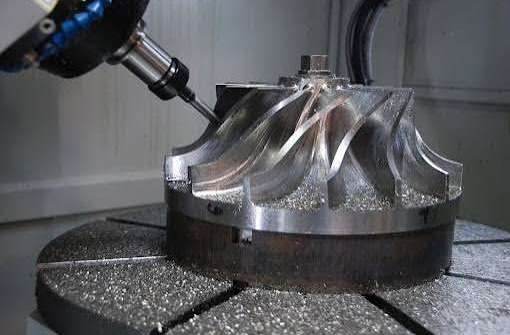
The most common method is CNC machining for electronics, where computer-controlled tools remove material from a workpiece to form complex shapes. This enables the production of electronic parts machining, like enclosures, heat sinks, connectors, and brackets, with high repeatability.
Precision is key—tolerances often reach ±0.005 mm or better in precision machining for electronics. Even small deviations can cause failures in sensitive electronic assemblies. Electronic component machining also considers factors like burr-free edges to prevent short circuits and material compatibility to avoid corrosion in harsh environments.
As consumer electronics shrink and performance demands grow, techniques like electronic micro machining and electronic CNC micro machining parts have become vital for components in wearables, IoT devices, and semiconductors.
The Electronics Machining Process
Let’s explore a typical CNC machining workflow in the electronics industry. While variations exist depending on the part and method, most projects follow these main stages:
- Design and Programming — Engineers create a 3D CAD model, then generate toolpaths using CAM software.
- Material Selection and Preparation — Choose and cut the raw stock (e.g., aluminum block or brass rod).
- Setup—Fixture the workpiece securely in the CNC machine.
- Machining Operations — Perform milling, turning, drilling, or other cuts to remove material.
- Finishing — Apply deburring, anodizing, plating, or polishing.
- Inspection and Quality Control — Measure dimensions and test properties to ensure specifications are met.
For example, in CNC machining for electronic enclosures, milling creates pockets and holes, while turning produces cylindrical features.
Types of Electronics Machining
Several specialized techniques fall under electronics machining. Let’s look at the main ones.
CNC Milling and Turning
Standard electronics CNC machining uses multi-axis mills and lathes for complex geometries. Ideal for CNC machining electronics aluminum parts, heat sinks, and housings.
Swiss-Type Machining
Electronics swiss machining excels at long, slender, high-precision parts like pins and shafts. The sliding headstock supports the material close to the cutting tool, minimizing deflection. Perfect for electronics swiss type machining parts in connectors and medical devices.
Micro and Precision Machining
Electronics micro machining handles features down to microns, which is essential for semiconductors and RF components. Advanced tools like PCD (polycrystalline diamond) are used for hard materials.
Materials in Electronics Machining
Material choice impacts performance, cost, and machinability in electronic product machining.
| Material | Key Properties | Common Uses in Electronics Machining |
|---|---|---|
| Aluminum | Lightweight, excellent thermal conductivity, corrosion-resistant | Heat sinks, enclosures |
| Brass | Good conductivity, corrosion-resistant, easy to machine | Connectors, terminals |
| Copper | Superior electrical and thermal conductivity | Bus bars, heat exchangers |
| Stainless Steel | Strength, corrosion resistance | Structural supports, harsh environments |
| Plastics (PEEK, ABS, Polycarbonate) | Insulation, lightweight | Insulators, casings |
Aluminum dominates for electronic housing machining due to its balance of properties and ease of finishing (e.g., anodizing).
Applications
CNC machining for consumer electronics and other sectors relies heavily on these techniques. Common applications include:
- Heat sinks for processors and power electronics
- Enclosures and housings for devices
- Connectors, pins, and terminals
- PCB prototypes and fixtures
- RF shields and waveguides
- Semiconductor tooling
- Medical device components
- Aerospace avionics parts
From CNC machining for electronic devices like laptops to industrial controls, the versatility shines.
Advantages of Electronics Machining
The process offers clear benefits:
- Exceptional precision and tight tolerances
- High repeatability for volume production
- Complex geometries in a single setup
- Wide material compatibility
- Excellent surface finishes
- Fast prototyping and short lead times
- Scalability from low- to high-volume electronics machining
Compared to alternatives like injection molding, it suits low-to-medium volumes and custom designs without expensive tooling.
Challenges
No process is perfect. Challenges include:
- Higher per-part cost for very high volumes (vs. molding or stamping)
- Material waste from subtractive nature
- Size limitations on certain machines
- Difficulty with extremely thin walls or fragile features
- Tool wear on abrasive materials
Many limitations can be mitigated with proper design and advanced equipment.
Choosing an Electronics Machining Service
Look for providers with experience in electronics machining services, ISO certification, multi-axis capabilities, and secondary operations like finishing. Request samples, check tolerances they routinely achieve, and ensure they offer design for manufacturability (DFM) feedback.
Good electronic parts machining suppliers support the full cycle from prototype to production.
Future Trends
Advancements include hybrid machines combining additive and subtractive processes, greater automation with AI toolpath optimization, and sustainable practices. Miniaturization continues to drive innovations in laser micromachining for electronics and nanoscale capabilities.
To Sum It Up
Electronics machining, particularly through CNC machining for the electronics manufacturing industry, delivers the speed, accuracy, and flexibility needed for modern electronic components. It excels at producing reliable, high-performance parts while accommodating design complexity and material variety.
As devices become smaller and more sophisticated, these techniques will remain central to innovation in the electronics sector. For custom prototypes, partnering with experienced electronic parts machining suppliers ensures optimal results.

Ryan Wang
Ryan Wang is the CNC Machining Expert at Cncpioneer, with over 15 years of hands-on experience as a CNC programmer, process engineer, senior machinist, and precision manufacturing specialist. He has helped companies in aerospace, automotive, medical, and electronics sectors achieve micron-level tolerances and scale from prototypes to high-volume production. Ryan is also an experienced instructor in advanced CNC techniques, particularly five-axis machining and challenging materials.