Automotive machining is the precision craft of turning raw metal castings and billets into the critical components that make vehicles run reliably—from high-performance race engines to efficient electric vehicle powertrains.
Whether through traditional automotive engine machining techniques like cylinder boring and honing or modern automotive CNC machining, this field demands exact tolerances, material expertise, and process control. Professionals in machining for the automotive industry produce everything from engine blocks and cylinder heads to suspension parts, fuel rails, and lightweight EV housings.
This comprehensive guide draws from industry sources, machine shop practices, and real-world examples to explain automotive machining in detail. You’ll learn key processes, materials, tools, advantages, challenges, applications, and practical tips—whether you’re exploring automotive machining services, considering precision machining for the automotive industry, or starting with custom automotive machining.
What Is Automotive Machining?
Automotive machining encompasses subtractive manufacturing processes tailored for vehicle parts. It splits into two main branches:
- Traditional automotive engine machining: Manual or semi-automated work focused on rebuilding and blueprinting engines—processes like boring cylinders, honing bores, decking surfaces, align honing mains, and resurfacing heads.
- Modern automotive CNC machining: Computer-controlled milling, turning, and multi-axis operations for producing complex automotive parts machining needs, from prototypes to production runs.
Both ensure parts meet tight tolerances (often 0.0005 inches or better) for sealing, durability, and performance. Precision automotive machining is critical because even minor deviations can cause oil consumption, power loss, or catastrophic failure.
CNC machining for automotive has grown with industry shifts toward lightweight materials, electric vehicles, and high-mix/low-volume production. Shops offering automotive machining services combine old-school expertise with advanced automotive CNC machining equipment to handle everything from classic restorations to precision CNC machining for automotive fuel cells and battery components.
In essence, machining automotive parts bridges casting/forging and final assembly, enabling customization, performance upgrades, and compliance with safety standards.
Quick Overview
- Essential for engine rebuilding, prototyping, and OEM production.
- Handles demanding materials like aluminum for weight savings in modern vehicles.
- Key role in EV growth, where high-precision machining solutions for the automotive industry ensure efficiency and safety.
- Balances traditional skills with automation for cnc machining automotive parts.
Common parts produced through automotive part machining: engine blocks, cylinder heads, crankshafts, connecting rods, pistons, valve retainers, gears, shafts, bushings, suspension components, fuel rails, and brake parts.
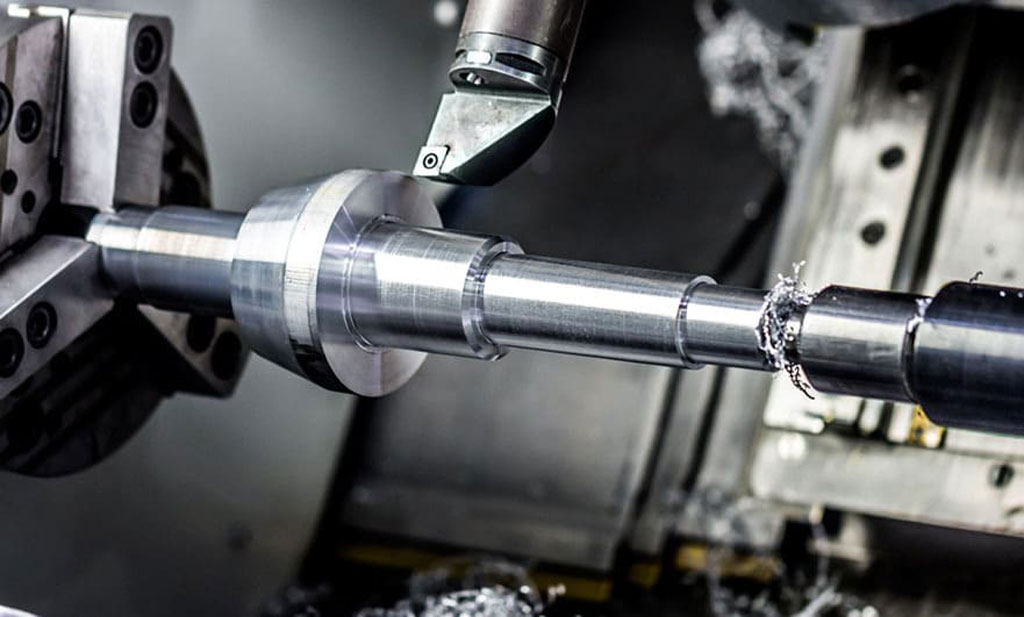
Examples of precision CNC machined automotive parts including gears, shafts, and suspension components.
Common Materials in Automotive Machining
Material choice impacts strength, weight, heat dissipation, and machinability. Here’s a practical comparison:
| Material | Key Properties | Typical Applications | Machinability Notes | Relative Cost |
|---|---|---|---|---|
| Aluminum Alloys | Lightweight, excellent thermal conductivity, corrosion resistant | Engine blocks, heads, wheels, suspension parts, EV housings | Highly machinable; requires care to prevent warping | Medium |
| Cast Iron | Durable, superior wear resistance, dampens vibration | Classic engine blocks, brake rotors | Traditional staple; produces dust, good for honing | Low |
| Alloy Steels | High strength, toughness | Crankshafts, connecting rods, driveshafts | Good with proper tooling; heat treatment needed | Medium-High |
| Titanium | Exceptional strength-to-weight, corrosion resistance | High-performance valves, fasteners, exhaust parts | Challenging; needs sharp tools and slow speeds | High |
| Brass (e.g., H62) | Corrosion resistant, good conductivity | Fittings, bushings, | Excellent for customizable h62 brass cnc parts cnc machining automotive parts | Medium |
| Plastics/Acrylic (PMMA) | Lightweight, optical clarity, insulating | Lighting lenses, interior prototypes | Fast and clean; low tool wear | Low |
| Composites | High strength-to-weight, customizable | Prototypes, lightweight structural parts | Specialized tooling required | Variable |
Aluminum dominates modern CNC machining for automotive components due to fuel efficiency demands and EV weight reduction. Cast iron remains popular in the machining of automotive engine parts for its wear properties.
The Automotive Machining Process
Processes vary between traditional rebuilding and CNC production, but all start with thorough preparation.
Traditional Automotive Engine Machining (Blueprinting)
This hands-on approach restores or enhances engines.
- Cleaning and Inspection Hot tanking, jet washing, magnafluxing for cracks, sonic testing wall thickness, and ultrasonic cleaning remove contaminants and reveal defects.
- Align Honing/Main Line Boring Corrects main bearing tunnel distortion from heat or torque. Material is removed and honed for perfect alignment.
- Cylinder Boring enlarges bores (e.g., 0.020″ over) to remove taper/out-of-roundness using dedicated boring bars or CNC machines.
- Decking/Resurfacing Mills block and head surfaces flat and parallel to crankshaft centerline.
- Honing final bore finishing with torque plates to simulate head bolt clamp load. Creates crosshatch pattern for ring seal and oil retention.
- Crankshaft Grinding and Balancing: Journals polished or ground; entire rotating assembly balanced.
- Valve Work and Porting Multi-angle valve jobs, seat cutting, and port matching for flow improvement.
- Final assembly checks and clearances verified with plastigage, dial indicators, and bore gauges.
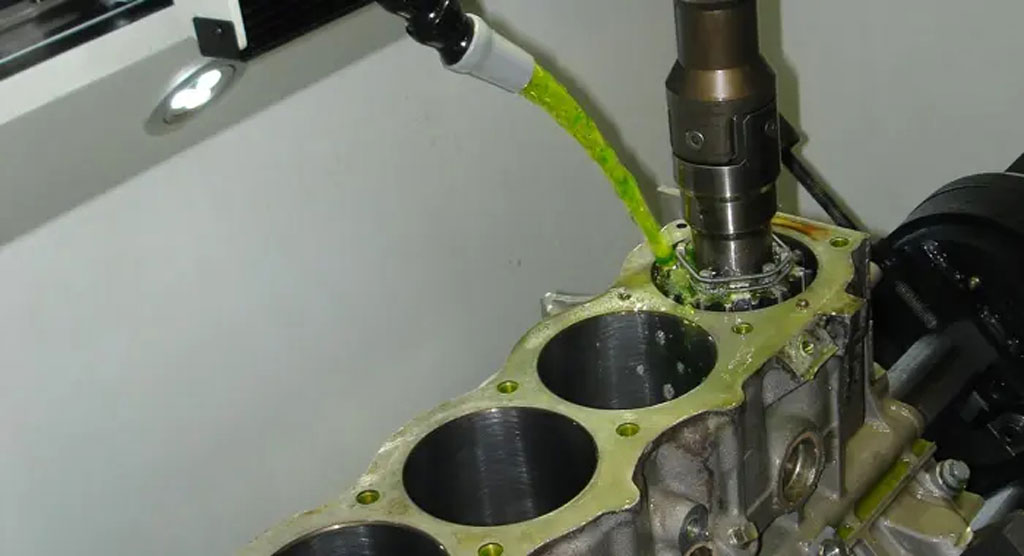
Cylinder boring, honing, and precision measurement in automotive engine machining.
CNC Automotive Part Machining
Ideal for complex or production parts.
- Design and programming of CAD modeling followed by CAM programming (e.g., Mastercam) for optimized toolpaths.
- Fixture and Setup Secure billet or casting; probe for accuracy.
- Roughing Operations: High material removal rates.
- Finishing and Multi-Axis Work Multi-axis CNC machining for automotive components enables complex geometries in one setup.
- Post-Processing Deburring, cleaning, and heat treatment if needed.
Automotive CNC machining services often include Swiss-type automotive machining parts for high-volume small components and automotive Swiss-type machining lathe parts in steel or brass.
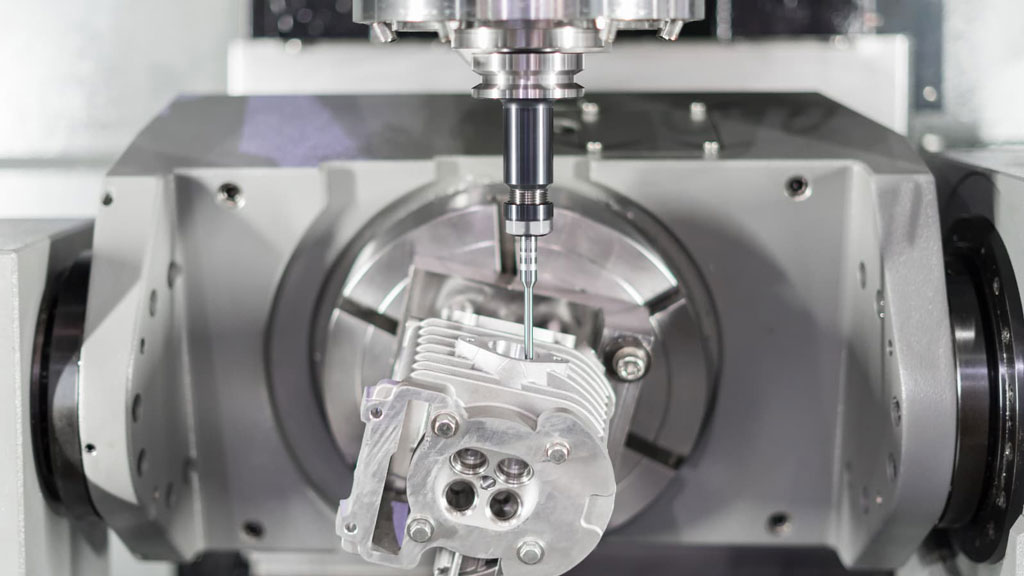
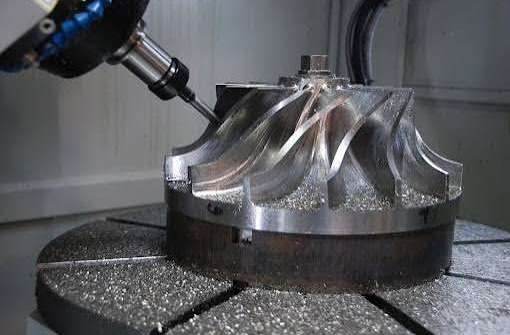
Multi-axis CNC machining for automotive components handling aluminum parts.
Coolants and Tooling Considerations
Coolants for automotive powertrain component machining are vital—high-pressure through-tool systems manage heat in aluminum while handling cast iron chips. PCD for automotive machining (polycrystalline diamond) tools excel on abrasive materials.
Essential Automotive Machining Equipment and Tools
- Traditional: Sunnen hones, Rottler boring bars, surfacers, valve seat cutters, crank grinders, and balancing machines.
- CNC: 3-5 axis mills, mill-turn centers, Swiss lathes, and high-pressure coolant systems.
- Universal: Dial bore gauges, micrometers, profilometers, torque plates, and Magnaflux equipment.
Advantages of Automotive Machining
- Precision and Repeatability: Critical for performance and safety in a precision machining company for the automotive industry.
- Versatility: From CNC prototype machining for automotive to production.
- Lightweight Solutions: Enables aluminum and composite use.
- Customization: Perfect for custom automotive machining and racing.
- Efficiency in Modern Production: Automotive CNC machining parts produced faster with less waste.
Limitations and Challenges
- High initial equipment costs for automotive CNC machining equipment.
- Skilled labor shortage—experience is crucial.
- Material-specific issues (aluminum warping, cast iron dust).
- Liability concerns in performance work.
- Slower than casting for ultra-high volumes.
Real-World Applications
Machining for automotive spans:
- Engine Rebuilding: Performance blueprinting.
- OEM and Aftermarket: Suspension, exhaust, and fuel systems.
- Electric Vehicles: Battery housings, lightweight structures.
- High-Performance: Automotive parts CNC machining for racing.
- Prototyping: Rapid iterations with CNC machining for automotive suspension parts.
Die component machining for automotive and automotive mold machining support tooling needs.
Practical Tips for Successful Automotive Machining
- Always clean thoroughly and inspect before cutting.
- Use torque plates during honing for real-world simulation.
- Measure multiple times—profilometers reveal surface truths.
- For beginners: Apprentice first; liability is real.
- Invest in quality CAM software for automotive CNC machining parts.
- Control temperatures to prevent distortion.
- Partner with experienced automotive precision machining shops for complex projects.
Final Thoughts
Automotive machining—whether traditional automotive engine machining or advanced automotive CNC machining—remains the backbone of vehicle performance and innovation. From restoring classics to enabling tomorrow’s EVs, it combines precision engineering with practical craftsmanship.
Master measurement, choose processes wisely, and prioritize quality. The result? Reliable, high-performance machining of automotive parts that drive the industry forward.