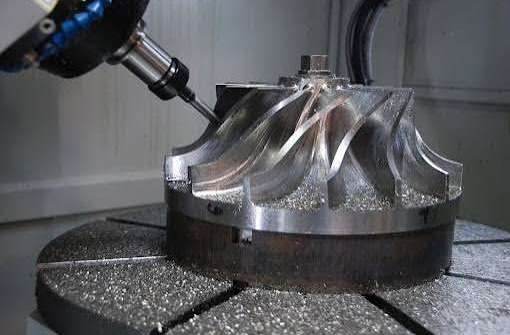
Precision automotive machining is the specialized process of creating high-accuracy components for vehicles using advanced CNC and automated technologies.
It delivers parts with exceptionally tight tolerances—often down to microns—that ensure safety, performance, and efficiency in modern automobiles.
From engine blocks and fuel injectors to suspension components and precision CNC machining for automotive fuel cells, precision automotive machining plays a vital role in both traditional and electric vehicles.
Leading precision machining companies for the automotive industry provide high-precision machining solutions for the automotive industry, enabling manufacturers to meet demanding standards for reliability and innovation.
This guide explores everything you need to know about precision machining for the automotive industry: its definition, key technologies, processes, materials, applications, advantages, challenges, and practical advice for sourcing precision machining services for automotive needs.
Whether you’re an engineer seeking customized automotive precision machining or exploring automotive precision machining China manufacturers for cost-effective solutions, this resource offers clear, actionable insights.
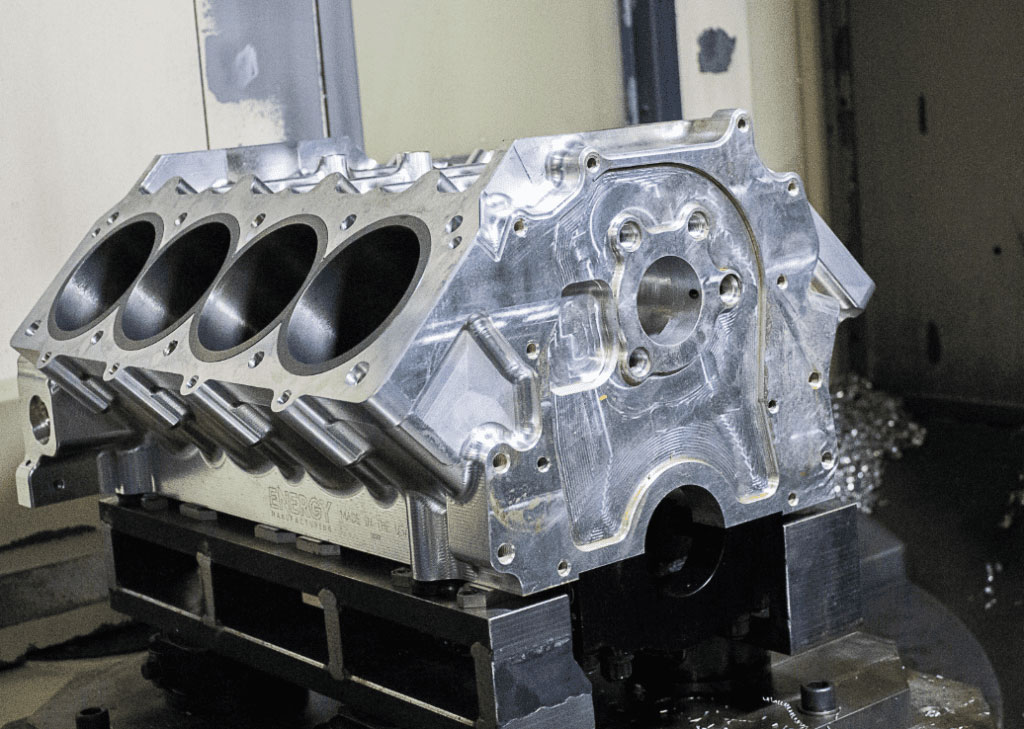
Precision CNC setups machining engine blocks and critical automotive components with diamond tooling.
What Is Precision Automotive Machining?
Precision automotive machining—also known as automotive precision machining—involves subtractive manufacturing techniques controlled by computers to produce parts with extreme accuracy. Unlike conventional machining, it uses CNC (Computer Numerical Control) systems to translate digital designs into precise tool movements, achieving tolerances far tighter than manual methods.
At its core, what is automotive precision machining? It’s the technology that turns raw materials like aluminum blocks into complex engine components or intricate fuel system parts. The process starts with CAD modeling, converts designs into G-code instructions, and automates tools to remove material with minimal error.
This field has evolved from traditional engine rebuilding to advanced cnc precision machining for automotive applications, including rotary transfer precision machining for automotive applications and automotive precision screw machining. It’s essential because even small deviations can lead to performance issues, safety risks, or inefficiency in vehicles.
The importance of high precision in automotive parts CNC machining cannot be overstated: it ensures consistent fit, reduces wear, improves fuel efficiency, and supports innovation in electric and hybrid systems.
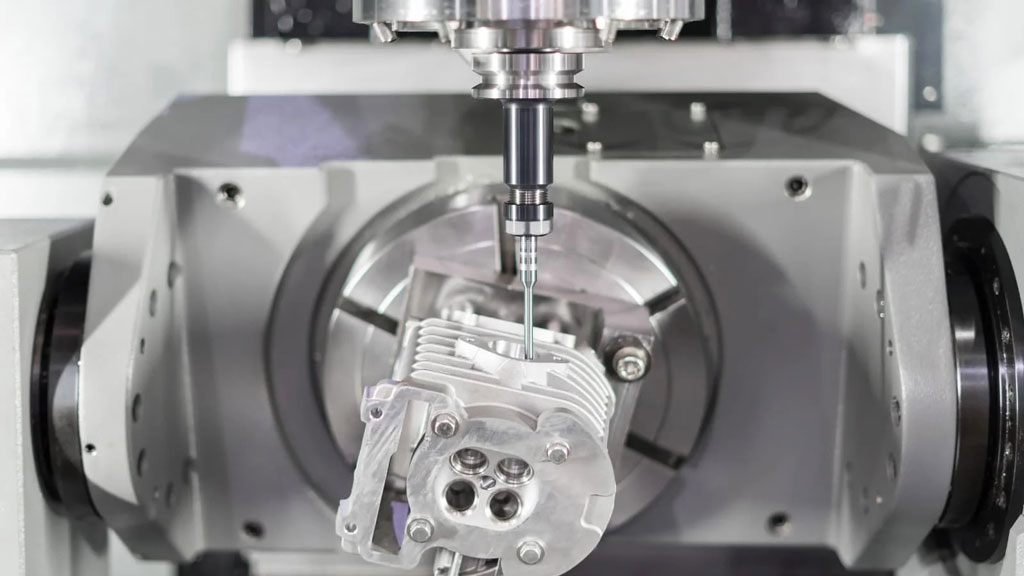
Multi-axis CNC machines producing complex automotive precision parts.
Why Precision Automotive Machining Matters
In the automotive sector, precision machining for automotive parts is critical for several reasons:
- Safety and Reliability: Components like brake systems, steering parts, and precision automotive air conditioning compressor parts machining must perform flawlessly under stress.
- Performance and Efficiency: Tight tolerances in engine and transmission parts minimize friction and maximize power output.
- Innovation: Enables lightweight designs for better fuel economy and supports emerging tech like precision CNC machining for automotive fuel cells.
- Cost-Effectiveness at Scale: High-volume consistency reduces defects and warranty claims.
- Customization: Supports oem automotive precision machining and aftermarket upgrades.
Without high-quality automotive precision machining, modern vehicles couldn’t achieve the reliability, efficiency, and advanced features consumers demand. It’s the backbone of professional automotive precision machining that drives industry advancements.
Key Technologies in Precision Automotive Machining
Several technologies power precision metal machining for automotive:
CNC Machining
The cornerstone, offering automation for consistent, repeatable parts. Ideal for automotive precision CNC machining parts in high or low volumes.
Multi-Axis Machining
3-5 axis (or more) setups allow complex geometries in one operation, perfect for multi-axis CNC machining for automotive components.
Swiss-Type Machining
Excels at small, high-volume parts with extreme accuracy—common in automotive swiss machining for connectors and fasteners.
Laser Precision Machining
Non-contact cutting for intricate features, like precise holes in fuel injectors.
Rotary Transfer Machining
High-speed production for rotary transfer precision machining for automotive applications, boosting efficiency in mass manufacturing.
Advanced Tooling
Includes PCD (polycrystalline diamond) inserts and precision threading taps for CNC machining in automotive production facilities.
These high-precision machining solutions for the automotive industry combine to deliver superior results.
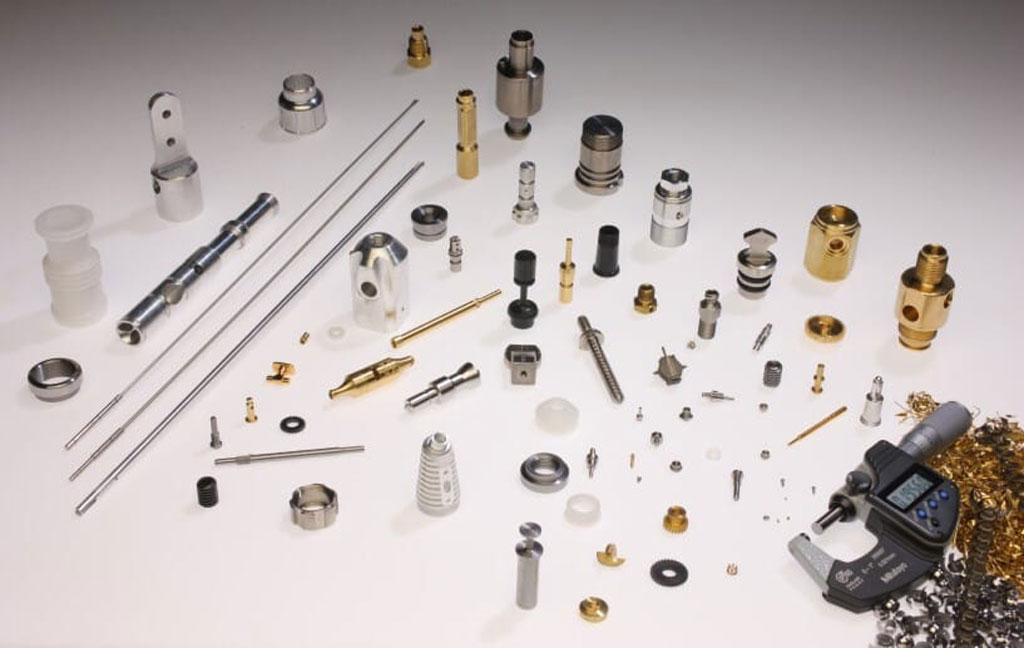
Swiss precision machining producing small, intricate automotive components.
Common Processes in Precision Automotive Machining
Typical workflows for precision automotive parts machining include the following:
- Design and Programming — CAD/CAM software creates models and toolpaths.
- Material Preparation—Selecting and fixturing stock (billet, casting).
- Roughing — Bulk material removal.
- Finishing — Precision passes for tolerances and surface finish.
- Secondary Operations — Grinding, honing, threading, or over-molding.
- Inspection — Using CMMs and gauges for verification.
Specialized processes like precision threading, taps, CNC machining, and automotive production ensure threaded features meet exact specs.
Process Comparison Table
| Process | Best For | Tolerance Achievable | Volume Suitability | Common Tools |
|---|---|---|---|---|
| CNC Milling/Turning | Engine blocks, gears | ±0.005 mm | Low-High | End mills, lathes |
| Swiss Machining | Small pins, connectors | ±0.002 mm | High | Sliding headstock lathes |
| Multi-Axis | Complex suspension parts | ±0.01 mm | Prototype-Medium | 5-axis centers |
| Laser Cutting | Intricate fuel system features | ±0.01 mm | Low-Medium | Fiber lasers |
| Rotary Transfer | High-volume fasteners | ±0.005 mm | Very High | Multi-station machines |
Materials Used in Precision Automotive Machining
Common materials balance strength, weight, and machinability:
| Material | Properties | Applications | Machinability Notes |
|---|---|---|---|
| Aluminum Alloys | Lightweight, corrosion-resistant | Engine blocks, housings | Excellent; popular for EVs |
| steels/Alloys | High strength, durable | Shafts, gears | Good with proper coolant |
| Titanium | Superior strength-to-weight | High-performance parts | Challenging; needs sharp tools |
| Brass | Conductive, corrosion-resistant | Fittings, valves | Easy; common in custom parts |
| Plastics/Composites | Insulating, lightweight | Prototypes, interior | Fast; low wear |
Aluminum dominates high precision automotive precision parts CNC machining for its balance of properties.
Applications of Precision Automotive Machining
Precision automotive parts machining service supports diverse systems.
- Powertrain: Engine blocks, crankshafts, machining of automotive engine parts.
- Fuel Systems: Injectors, pumps, precision CNC machining for automotive fuel cells.
- Suspension/Steering: Bushings, knuckles.
- Brakes/Safety: Calipers, ABS components.
- EV-Specific: Battery housings, electric drive parts.
- HVAC/Exhaust: Compressor parts, manifolds.
CNC machining precision for automotive enables everything from prototypes to series production.
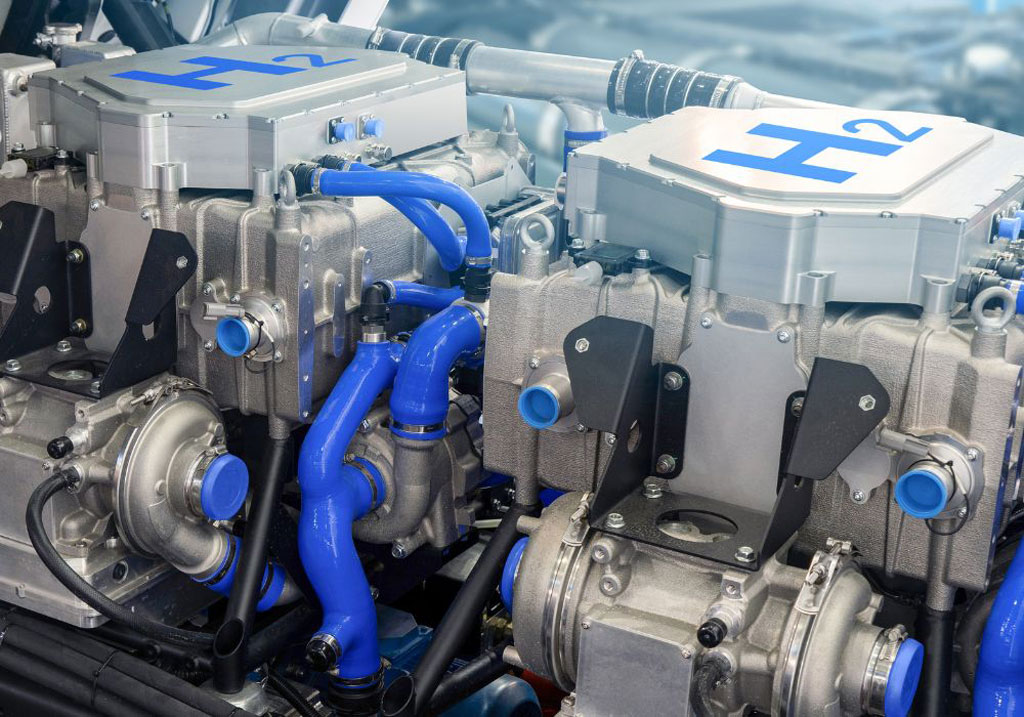
Precision machined components for automotive fuel cells and powertrain systems.
Real-World Examples
Shops produce custom gears, shafts, and automotive precision machining. China supplier options often deliver high precision automotive precision parts and CNC machining at scale.
Advantages of Precision Automotive Machining
- Unmatched Accuracy: Essential for performance.
- Repeatability: Ideal for cnc machining automotive precision parts manufacturers.
- Versatility: Handles prototypes to production.
- Material Optimization: Reduces weight and waste.
- Innovation Enablement: Supports complex designs.
Challenges and Limitations
- High initial costs for equipment and programming.
- Material waste in subtractive processes.
- Need for skilled operators and quality control.
- Longer lead times for complex setups.
Partnering with experienced automotive precision machining manufacturer suppliers mitigates these.
Sourcing Precision Automotive Machining Services
Many options exist globally:
- Domestic Providers: Offer quick turnaround and compliance (e.g., ITAR, AS9100).
- China-Based: Automotive precision machining factories and manufacturers provide competitive pricing, high capacity, and expertise in automotive precision machining for sale through established automotive precision machining suppliers.
Look for automotive precision machining factory suppliers with certifications like IATF16949. Companies often maintain facilities worldwide for automotive precision machining supplier factories that balance cost and quality.
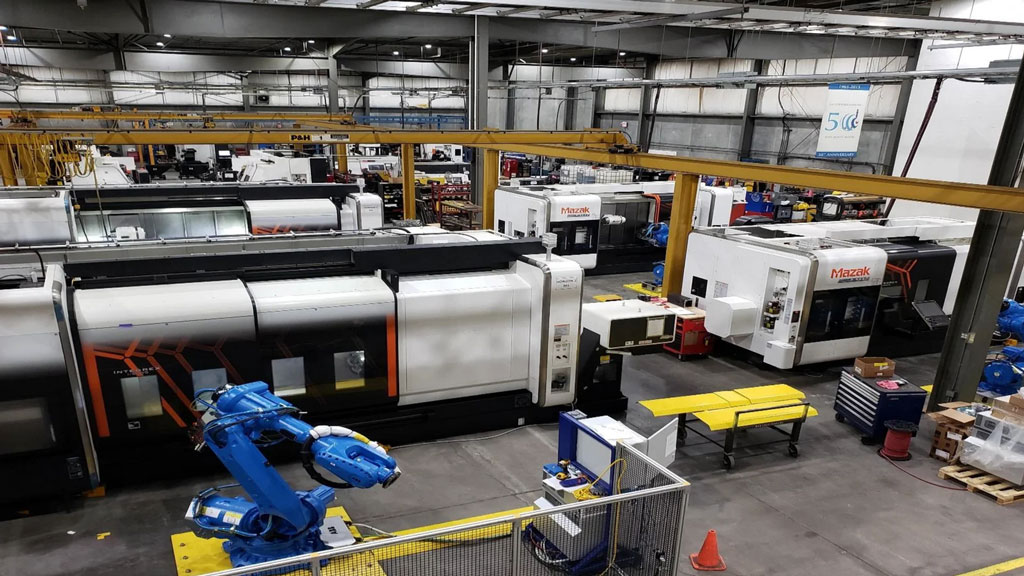
Modern precision automotive machining facilities and workshops.
Practical Tips for Success
- Specify tolerances clearly in designs.
- Choose materials early for machinability.
- Use prototypes to validate processes.
- Request samples from automotive precision machining manufacturers.
- Prioritize partners with in-house inspection.
- Consider hybrid approaches (e.g., CNC + laser).
Final Thoughts
Precision automotive machining is indispensable for building safer, more efficient, and innovative vehicles. From precision machining services for automotive in local shops to global automotive precision machining factory manufacturers, the technology continues to evolve.
Whether sourcing customized automotive precision machining or exploring high-quality automotive precision machining options overseas, focus on partners that deliver consistent results. With the right approach, precision automotive machining unlocks superior performance and reliability in every component.