Railroad machining is the specialized process of using precision tools and techniques to manufacture, repair, and maintain critical components in rail systems—like rails, wheels, tracks, and bogies. It combines advanced CNC technology, high-precision grinding, and milling to ensure parts meet strict safety standards and withstand extreme wear from heavy loads and constant use.
If you’re in the rail industry, managing maintenance, or sourcing railroad machining services, understanding this field can help you reduce downtime, cut costs, and improve safety. In this complete guide, we’ll break down everything you need to know about railroad machining, including key processes, benefits, and the latest trends as of 2026.
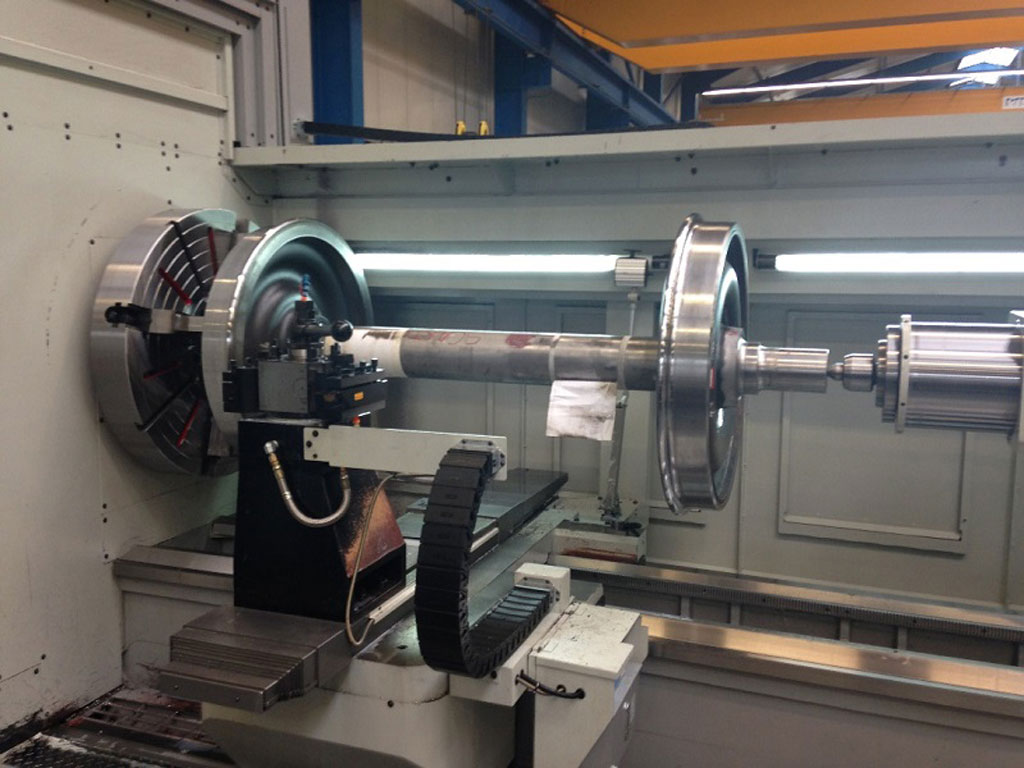
The image above shows a modern CNC wheel lathe in action—one of the core machines used for machining railroad wheels to restore perfect geometry.
Why Railroad Machining Matters
Rail networks move billions of tons of freight and millions of passengers every year. Even small defects in components can lead to derailments, delays, or massive repair bills.
That’s where railroad machining comes in.
Precision machining services for railroad components extend part life by 50-200%, reduce energy consumption through smoother rolling, and ensure compliance with standards like AAR and IRIS.
For example:
- Machining railroad rail removes surface defects without full replacement, saving up to 80% on costs.
- Machining railroad wheels prevents flat spots and vibrations, critical for high-speed and heavy-haul trains.
In short: Good railroad machining isn’t optional—it’s what keeps trains running safely and efficiently.
How Railroad Machining Works: The Basics
At its core, railroad machining involves removing material from metal parts to achieve exact shapes, sizes, and finishes. This is done using subtractive manufacturing techniques like turning, milling, grinding, and EDM (electrical discharge machining).
Unlike general machining, railroad work deals with massive parts (wheels up to 1 meter in diameter) made from tough materials like high-manganese steel. Tolerances are often tighter than 0.01 mm to meet safety regs.
Common goals:
- Restore worn surfaces
- Create new custom parts
- Improve performance and longevity
Modern railroad machining services use CNC machines for automation, reducing human error and speeding up production.
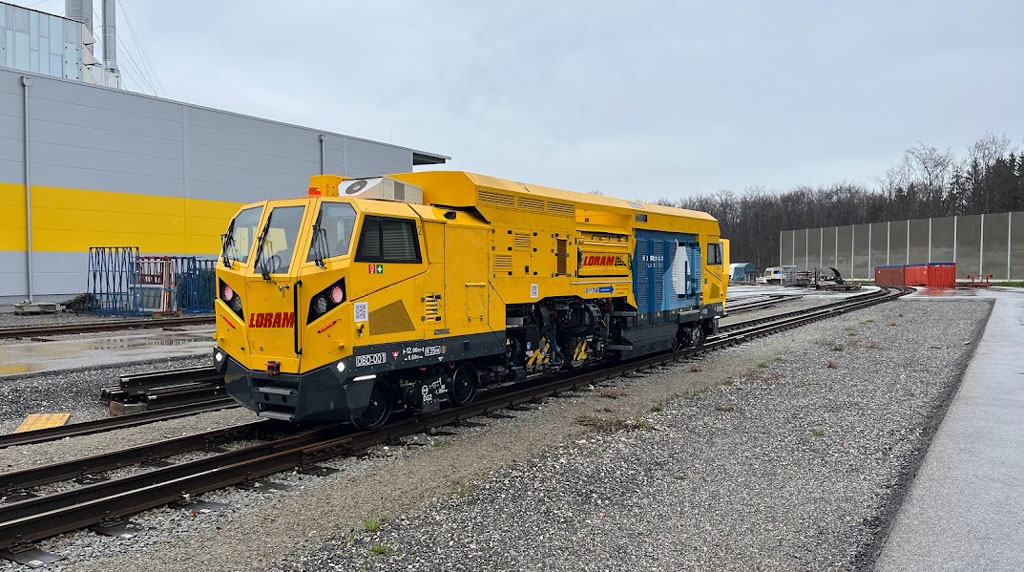
Here’s a rail milling train removing defects from tracks in real time—a prime example of on-site machining of railroad rail.
Key Components That Require Railroad Machining
1. Machining Railroad Rail
Rails take the most abuse. Constant wheel contact causes corrugation, cracks, and shelling.
Machining railroad rail uses high-speed milling or grinding trains to shave off thin layers (0.1-2 mm per pass), restoring the ideal profile.
Benefits:
- Extends rail life significantly
- Reduces noise and vibration
- Performed without closing tracks for long
Advanced machines from companies like Loram or Linsinger use multiple cutters for precision.
A close-up of a rail milling machine in operation, precision-cutting the rail head.
2. Machining Railroad Track Components
Tracks aren’t just rails—they include fasteners, clips, pads, and ties.
Machining railroad track often involves fabricating or repairing these parts. For instance:
- Precision drilling for spikes
- Waterjet cutting wear-resistant plates
- Automated clipping systems for fast installation
These ensure proper gauge and alignment under heavy loads.
Various rail fastening systems, including clips and pads that often require custom machining.
3. Machining Railroad Wheels
Wheels must be perfectly round with flawless treads.
Machining railroad wheels typically happens on dedicated CNC lathes that re-profile the tread, flange, and diameter.
Process steps:
- Measure wear with lasers
- Rough turn to remove material
- Finish turn for smooth surface
- Ultrasonic testing for cracks
This prevents issues like wheel flats and improves ride quality.
4. Bogies, Axles, and Other Parts
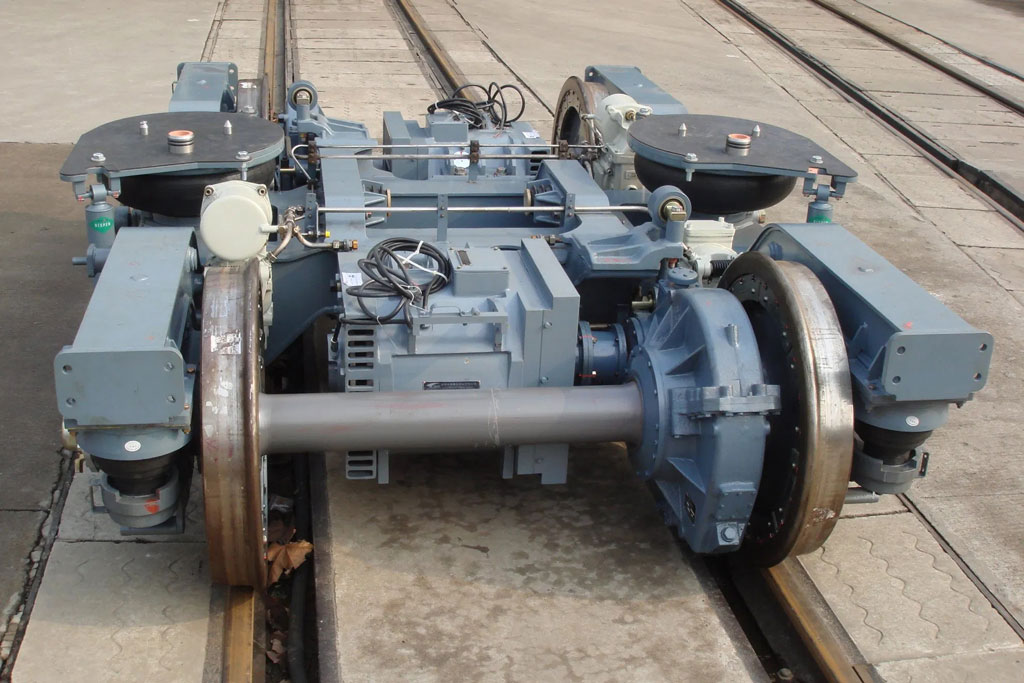
Bogies (the frames holding wheelsets) require complex multi-axis CNC work for lightweight yet strong designs.
Axles, bearings, brakes, and couplers also get precision turning, milling, and EDM.
Common Railroad Machining Processes
CNC Machining
The workhorse of modern shops. Multi-axis CNC centers handle everything from small fasteners to large bogies.
Steps:
- CAD design
- CAM programming
- Automated cutting
- Quality checks with CMMs
Milling and Grinding
Milling for rails (on-track trains) and grinding for fine finishes.
Turning
Ideal for rotational parts like wheels and axles.
Advanced Techniques (2026 Updates)
- Hydrostatic bearings for vibration-free machining of hard steels
- Laser cladding for wear-resistant coatings
- AI-predictive tools to optimize cuts and reduce waste
Materials in Railroad Machining
- Rails: Pearlitic steels (e.g., R350HT) for wear resistance
- Wheels: High-carbon or manganese steels
- Fasteners: Alloy steels with corrosion protection
- Emerging: Composites for lighter high-speed parts
Heat treatments and coatings add durability.
Equipment You’ll See in Railroad Machining Services
- Wheel lathes (underfloor or portal)
- Rail milling/grinding trains
- 5-plus-axis CNC mills
- Hydraulic clip installers
Top providers invest in IRIS-certified facilities for end-to-end service.
Latest Trends in Railroad Machining (2026)
Sustainability: Dry machining and recycled materials reduce environmental impact.
Automation: Robotic loading and AI monitoring cut lead times.
Predictive maintenance: Sensors on machines predict failures before they happen.
Hybrid processes: Combining additive (3D printing) with subtractive for faster prototyping.
How to Choose Railroad Machining Services
Look for:
- Certifications (ISO 9001, IRIS, AAR)
- Experience with your rail type (freight vs. passenger)
- In-house testing (NDT, CMM)
- Quick turnaround for maintenance
Best Practices for Railroad Machining
- Schedule regular profiling to catch wear early
- Use data from wheel/rail interaction monitoring
- Partner with certified providers
- Invest in employee training for new tech
Conclusion
Railroad machining is the backbone of safe, efficient rail operations. From everyday machining railroad track maintenance to advanced machining railroad wheels, these processes save money, prevent accidents, and support growing rail demands.
Whether you’re restoring old infrastructure or building new high-speed lines, quality railroad machining services make all the difference.
Ready to optimize your rail components? Start by assessing your current wear patterns and reaching out to specialized providers.