If you’re diving into acrylic CNC machining, you’re in the right place. This process is revolutionizing how we create precise, transparent parts for everything from smartphone screens to medical devices.
Acrylic CNC machining (also known as acrylic PMMA CNC machining) involves using computer-controlled machines to shape polymethyl methacrylate (PMMA), a tough, glass-like plastic. It’s lighter than glass, shatter-resistant, and offers crystal-clear optics. In fact, the global CNC machining market is projected to hit $129 billion by 2028, with plastics like acrylic leading the charge due to their versatility.
Why care? Whether you’re a hobbyist cutting custom signs or a manufacturer needing acrylic CNC machining parts for prototypes, this guide covers it all. We’ll explore materials, processes, benefits, challenges, and how to find the best CNC machining service for acrylic and nylon parts.
Sound good? Let’s jump in.
In this guide, we’ll break it down chapter by chapter, from basics to advanced tips. By the end, you’ll know how to optimize your CNC machining for acrylic projects.
Understanding Acrylic (PMMA) Material
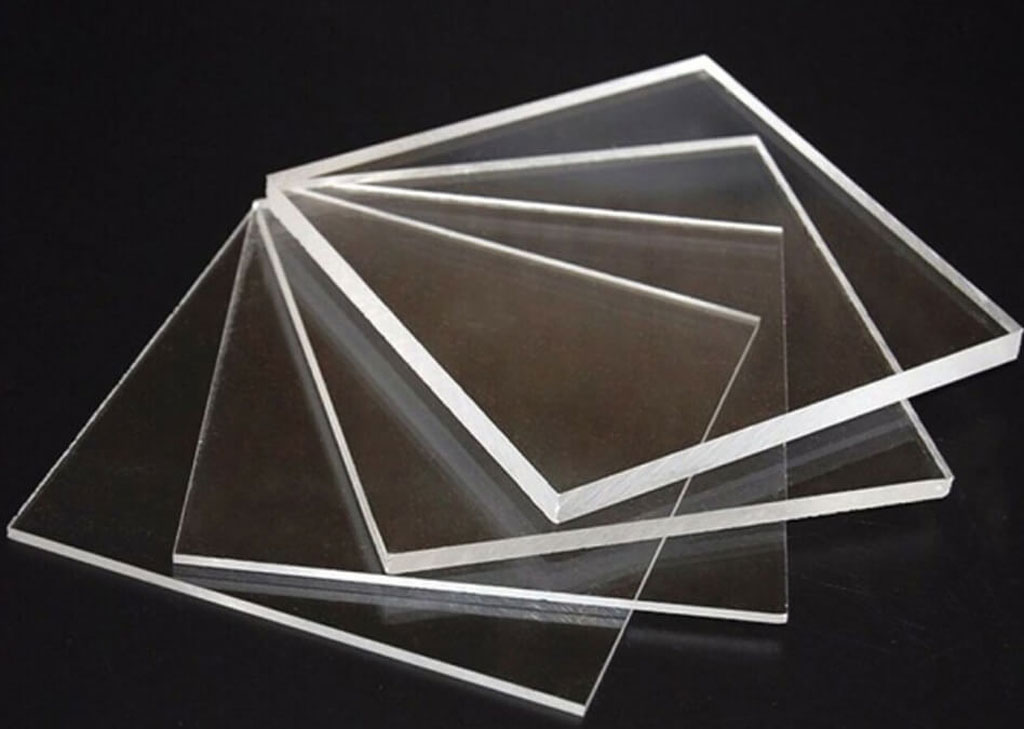
Acrylic, or PMMA, is a thermoplastic that’s transparent, durable, and easy to machine. It’s often called “plexiglass” and is used in acrylic CNC machining services for its optical clarity—transmitting up to 92% of light, better than many glasses.
Key properties include the following:
- Transparency and Aesthetics: Crystal clear with a glossy finish, ideal for displays and lenses.
- Strength and Durability: Impact-resistant (up to 17x stronger than glass) but scratches easier—hence why polishing is key in CNC machining acrylic.
- Lightweight: Half the weight of glass, making it perfect for portable parts.
- Thermal and Chemical Resistance: Melts at 160°C and is resistant to UV and chemicals but sensitive to heat during machining.
- Machinability: Soft (Rockwell hardness M85-95), so it cuts cleanly but can gum up tools if not cooled properly.
There are two main types: cast acrylic (better for complex shapes and less stress) and extruded (cheaper and more uniform but prone to warping in custom acrylic CNC machining services).
Here’s a quick comparison table:
| Property | Acrylic (PMMA) | Glass | Nylon |
|---|---|---|---|
| Density (g/cm³) | 1.18 | 2.5 | 1.15 |
| Transparency | 92% | 90% | Opaque |
| Impact Strength | High | Low | Very High |
| Cost | Medium | Low | Medium |
| Machinability | Excellent | Poor | Good |
For acrylic PMMA CNC machining, choose cast for precision optics. If you’re blending with nylon for tougher parts, note nylon’s moisture absorption affects dimensions.
Understanding these properties ensures your acrylic CNC machining parts turn out flawless.
Basics of CNC Machining for Acrylic
CNC machining acrylic starts with the fundamentals. CNC (Computer Numerical Control) uses automated tools to remove material from a block or sheet.
For acrylic, common operations include:
- Milling: High-speed spindles carve 3D shapes.
- Routing: Ideal for sheets and cutting outlines.
- Turning: For cylindrical parts like lenses.
Setup involves CAD design, CAM software (e.g., generating G-code), and fixturing the acrylic to avoid vibration.
Key parameters for intro to CNC machining acrylic:
- Spindle speed: 10,000-18,000 RPM to prevent melting.
- Feed rate: 100-300 IPM, depending on tool diameter.
- Depth of cut: Shallow passes (0.5-2mm) to manage heat.
Use single-flute end mills for clean chips. Always include coolant or an air blast.
Watch this video for a hands-on demo of CNC machining for acrylic:
Master these basics, and your acrylic CNC machining service projects will shine.
Benefits of Acrylic CNC Machining
Why choose acrylic CNC machining over other methods? It’s precise, versatile, and cost-effective for custom parts.
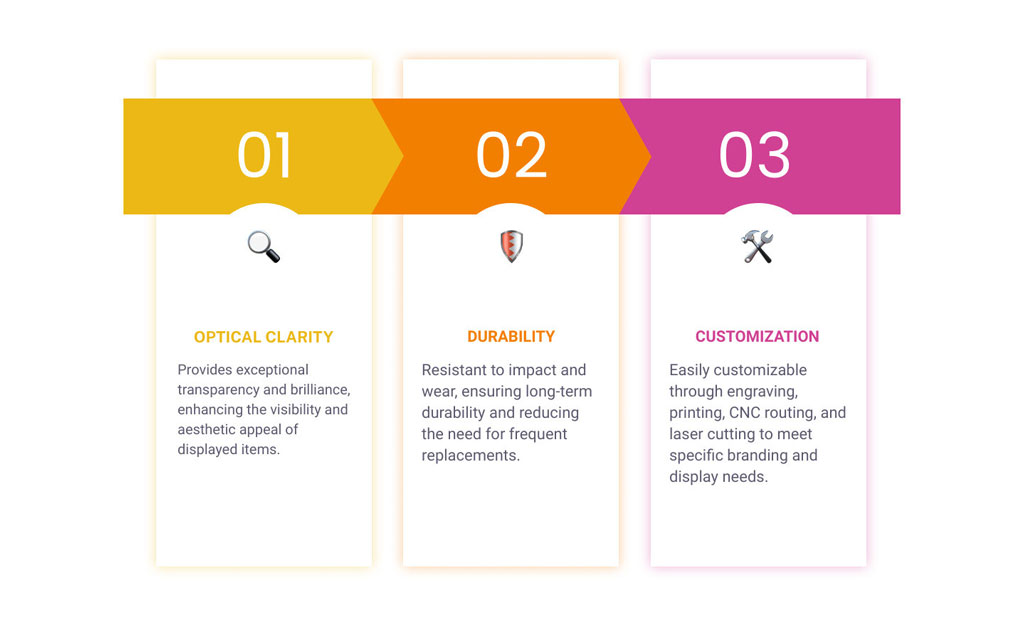
Top benefits:
- Precision and Tolerances: Achieves ±0.005″ accuracy for intricate acrylic CNC machining parts.
- Customization: Perfect for custom acrylic CNC machining services, from prototypes to production.
- Optical Quality: Maintains clarity without distortion, unlike injection molding.
- Speed and Efficiency: Quick setup for small runs, ideal for CNC machining acrylic factory operations.
- Cost-Effective: Low material waste, especially vs. 3D printing for large parts.
- Versatility: Works with nylon blends for hybrid parts in the best CNC machining service for acrylic parts.
- Durability: Parts resist weathering, great for outdoor signs.
- Scalability: From desktop to industrial scales.
- Eco-Friendly: Acrylic is recyclable, reducing environmental impact.
Compared to laser cutting, CNC avoids heat-affected zones for better edges.
These perks make CNC machining acrylic a go-to for innovators.
Common Challenges and Solutions in Machining Acrylic
Acrylic CNC machining isn’t without hurdles. Heat buildup can melt material, leading to gummy residues.
Common challenges:
- Melting and Gumming: High friction causes softening.
- Solution: Use sharp tools, lower speeds, and add coolant.
- Chipping and Cracking: Brittle nature leads to fractures.
- Solution: Ramp feeds, use climb milling, and anneal material pre-machining.
- Poor Surface Finish: Scratches or haze from dull bits.
- Solution: Polish post-machining and opt for diamond-coated tools.
- Warping: Stress from uneven cooling.
- Solution: Secure fixturing, multiple passes.
- Chip Evacuation: Static cling blocks tools.
- Solution: Air blasts or vacuum systems.
For acrylic PMMA CNC machining, test small batches.
Here’s a quick tip video:
Overcome these, and your acrylic CNC machining service will deliver pro results.
Best Practices and Tips for Optimal Results
To nail CNC machining for acrylic, follow these best practices.
Design tips:
- Avoid sharp internal corners (use radii > tool diameter).
- Keep walls >1mm thick to prevent flexing.
Machining tips:
- Tool Selection: O-flute bits for clean cuts.
- Speeds/Feeds: Start conservative, adjust based on tests.
- Cooling: Mist coolant or compressed air.
- Fixturing: Vacuum tables or double-sided tape.
Post-processing:
- Flame polish edges for gloss.
- Vapor polish for full clarity.
Do’s and Don’ts:
- Do: Use protective paper on sheets.
- Don’t: Overheat – monitor temps <100°C.
- Do: Multi-stage rough/finish passes.
- Don’t: Ignore dust collection for safety.
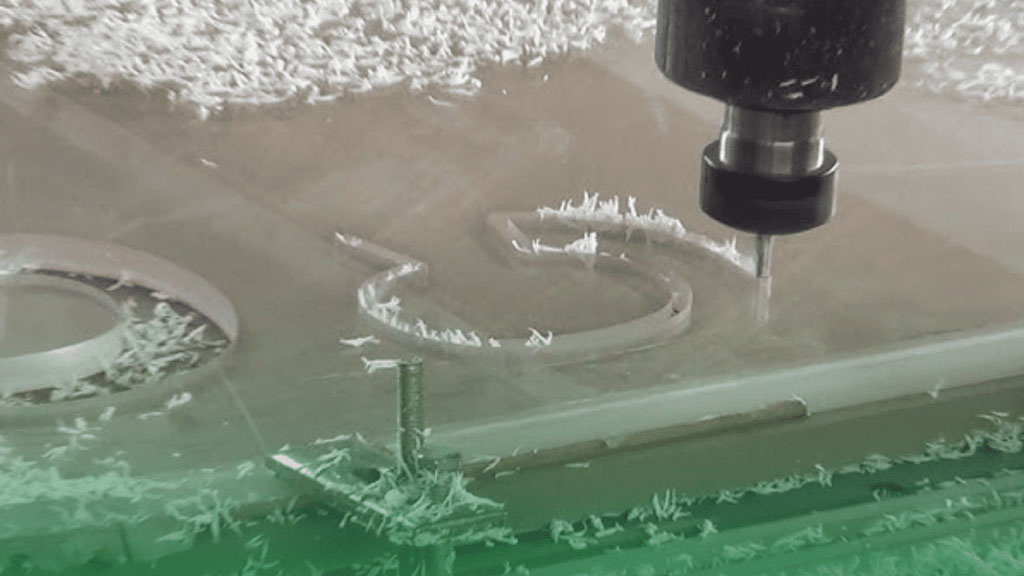
Apply these for top-tier acrylic CNC machining parts.
Choosing the Right CNC Machines and Tools for Acrylic
For acrylic CNC machining, pick machines with high RPM spindles (15,000+).
Desktop options: Shapeoko or Nomad for hobbyists – affordable, precise for small CNC machining acrylic jobs.
Industrial: Haas routers for volume.
Tools: Single-flute carbide end mills (1/8″-1/4″ diameter) to evacuate chips.
Factors: Bed size, rigidity, dust collection.
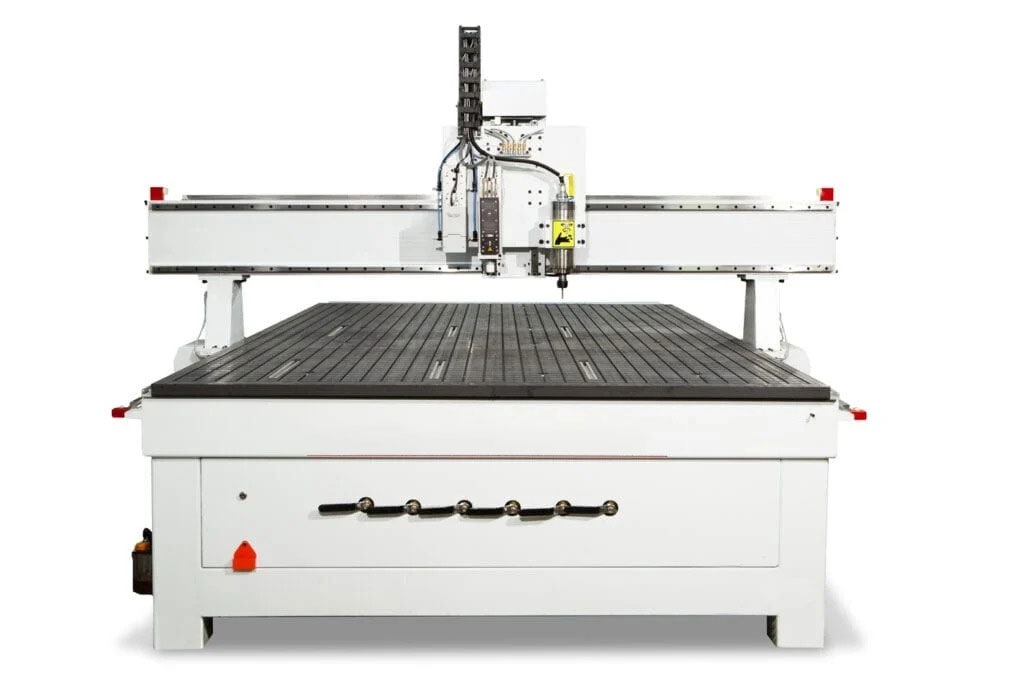
This setup ensures smooth custom acrylic CNC machining services.
Top CNC Machining Services for Acrylic Parts
Finding the best CNC machining service for acrylic parts? Look for precision, fast turnaround, and material expertise.
Top picks:
- Protolabs: Quick quotes, ideal for prototypes.
- Xometry: Vast network for acrylic CNC machining services.
- Fictiv: Custom focus, great for nylon hybrids.
- CNCPioneer: One-on-one communication with engineers
Criteria: ISO certification, tolerances, MOQ.
These are your go-tos for CNC machining acrylic factory needs.
Case Studies and Examples
Real-world wins: A maker used acrylic CNC machining for LED displays, achieving perfect clarity via multi-pass milling.
Another: Medical prototypes from PMMA for optics testing.
Examples of Intricate Components Made with CNC Machining – In …
See this example video
These showcase acrylic CNC machining parts potential.、
FAQ
These are the most common questions people ask about acrylic CNC machining and acrylic PMMA CNC machining. Whether you’re new to the process or scaling up custom acrylic CNC machining services, these answers will help.
1. What is the best type of acrylic for CNC machining: cast or extruded?
Cast acrylic is generally better for CNC machining acrylic projects that require high optical clarity, tight tolerances, and minimal internal stress. It machines more cleanly with less chipping and holds edges better during cutting. Extruded acrylic is cheaper and more uniform in thickness, making it suitable for large flat parts or high-volume runs, but it can crack more easily under stress and may show tool marks prominently. For most acrylic CNC machining parts needing precision and polish (like lenses or displays), go with cast. Always anneal the material first to reduce stresses.
2. How do I prevent melting or gumming when CNC machining acrylic?
Melting happens because acrylic has a low melting point (~160°C) and generates heat quickly during acrylic CNC machining. The key is controlling heat: use sharp single-flute O-flute end mills, high spindle speeds (12,000–18,000 RPM), moderate feed rates, and shallow passes (0.5–1.5 mm depth). Apply mist coolant, compressed air, or flood coolant to evacuate chips and cool the tool. Climb milling helps produce smoother finishes. Avoid dull tools—they create friction and melting instantly. With these adjustments, you can achieve clean, transparent acrylic CNC machining parts even on desktop machines.
3. Can I get crystal-clear edges on machined acrylic parts?
Yes, but machined edges usually need post-processing for that glass-like clarity. CNC milling leaves visible tool marks, so start with a high-finish pass using a polished or diamond-coated bit. Then apply flame polishing (quick pass with a butane torch) for glossy, transparent edges, or vapor polishing (using solvent like dichloromethane) for the smoothest optical finish. Mechanical buffing with progressively finer compounds also works well. Flame polishing is fastest for custom acrylic CNC machining services but requires practice to avoid warping or bubbles. Done right, edges become nearly invisible.
4. What are the main disadvantages of using acrylic CNC machining?
There are a few disadvantages to CNC machining acrylic. One is the material’s sensitivity to heat, which requires careful speeds, feeds, and cooling to avoid melting, chipping, or cracking—more trial and error than with metals. Acrylic also scratches easily, so parts often need protective masking during machining and polishing afterward for optical quality. It’s more expensive than basic plastics for high-volume production compared to injection molding, and achieving perfect transparency demands skilled post-processing. That said, for prototypes, low-to-medium runs, or parts needing precision and clarity
Conclusion
Acrylic CNC machining unlocks precise, beautiful parts. From properties to services, you’re now equipped. Ready to start? Contact custom acrylic CNC machining services today.