CNC musical instruments combine modern computer-controlled machining with the timeless art of instrument making. Today, makers use CNC tools to build guitars, violins, banjos, mandolins, drums, and even experimental metal-bodied designs with amazing accuracy and speed.
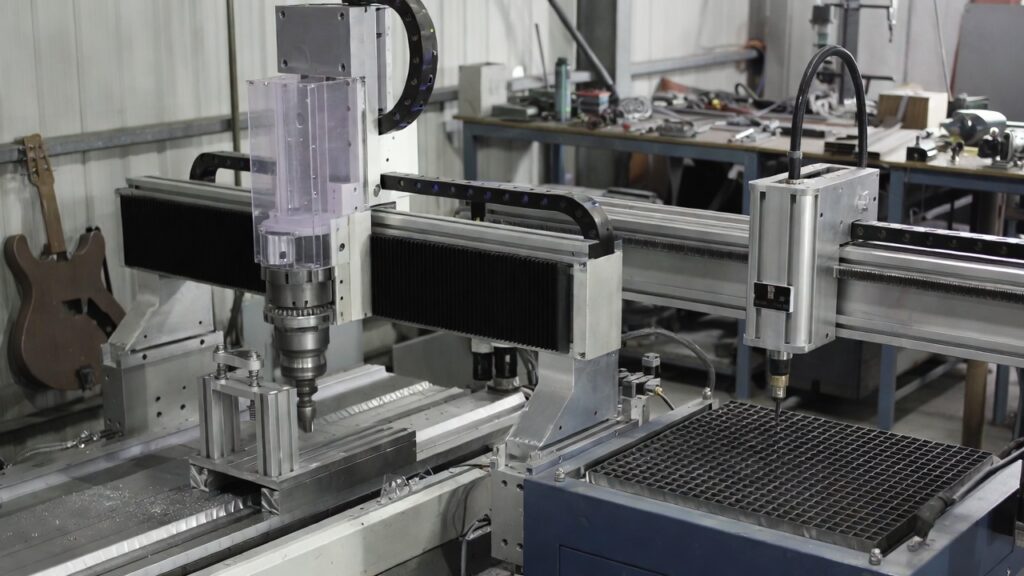
The two main machines in this field are CNC routers for musical instruments and CNC plasmas for musical instruments. Routers handle wood and composites beautifully, while plasmas cut metal sheets quickly and cleanly. Together, they help both hobbyists and big manufacturers create high-quality, consistent instruments.
This article explores how CNC musical instruments are made, their benefits, real-world examples, challenges, and what the future holds.
What Are CNC Musical Instruments?
CNC stands for Computer Numerical Control. It means a computer directs machines to cut, carve, drill, or shape materials based on digital designs.
In musical instrument making, CNC musical instruments cover many types:
- Stringed instruments: electric and acoustic guitars, violins, cellos, banjos, mandolins, ukuleles
- Percussion: drum shells, xylophone bars
- Wind instruments: parts like brass mouthpieces, valve casings
- Experimental designs: metal-bodied guitars or hybrid instruments
CNC brings factory-level precision to small shops and custom builders. It allows exact copies of classic designs (like a Stradivarius violin shape) or completely new ideas that would be hard to make by hand.
A Short History of CNC in Music Making
CNC technology started in the 1950s–1960s for aerospace parts. By the 1980s, companies like Yamaha used it for piano components to increase speed and consistency.
In the 1990s and 2000s, smaller CNC routers became affordable. Luthiers (stringed instrument makers) adopted them for guitar bodies and necks. Today, desktop and industrial machines let anyone with skill produce professional results.
CNC plasmas entered later for metal work, helping create aluminum guitars or brass parts. Now, CNC musical instruments range from mass-produced student violins in China (thousands per month) to one-of-a-kind custom pieces.
CNC Routers: The Main Tool for Wood Instruments
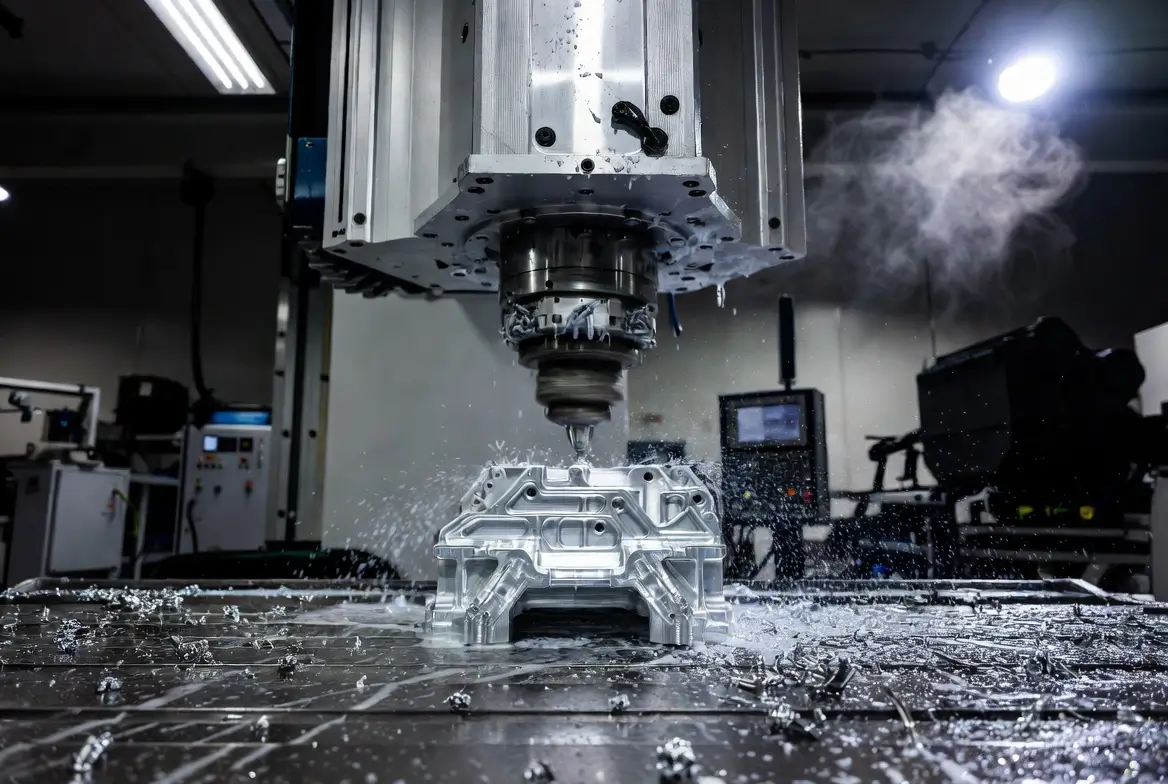
CNC routers for musical instruments are the most popular machines in this field. They use spinning router bits to cut wood, composites, plastics, and soft metals.
Key Uses of CNC Routers
- Guitar Bodies and Necks Routers cut pickup cavities, control pockets, neck pockets, and outer shapes perfectly. They carve ergonomic curves and smooth surfaces in minutes. Brands like ShopBot, ShopSabre, and others make routers trusted by famous builders (StewMac, Kauer Guitars, and Atkin Guitars).
- Acoustic Guitar Parts They shape arched tops and backs, cut soundholes, and carve precise bracing patterns that affect tone.
- Violin and Bowed Instruments 5-axis routers machine complex arching, f-holes, and scrolls. Some makers scan famous violins (like Guarneri or Stradivarius) and reproduce them accurately.
- Fingerboard and Inlays Routers cut fret slots, inlay pockets, and pearl/abalone designs with sub-millimeter precision.
- Other Instruments Banjo rims, mandolin bodies, dulcimer parts, drum shells, and xylophone bars are all routed for uniform thickness and resonance.
Why Routers Excel
- High precision (±0.01 mm or better)
- Repeatable results for every piece
- Handles hardwoods (maple, rosewood), softwoods (spruce, cedar), laminates, and carbon fiber
- Works with software like Vectric VCarve or Aspire for easy toolpaths
Many makers use a hybrid method: rough shaping with CNC routers for musical instruments, then hand-finishing for feel and “soul.”
Examples:
- Chinese factories produce 8,000 violins monthly using CNC for plates.
- Hobby builders upgrade small machines (like 3018 models) for necks and bodies.
CNC Plasmas: Cutting Metal for Bold Designs
CNC plasmas for musical instruments use a super-hot plasma arc to slice through conductive metals like steel, aluminum, brass, and copper.
Main Applications
- Metal Guitar Bodies Builders cut aluminum sheets for solid or thinline bodies. Aluminum gives long sustain and a unique tone. Some makers plasma-cut rough shapes, then mill details with a router.
- Brass and Wind Instrument Parts Plasmas cut blanks for bells, valves, mouthpieces, or cases before final machining.
- Hardware and Accessories Pedal plates, cymbal stands, control plates, or decorative inlays from metal.
- Prototyping and Custom Work Fast for one-offs or small runs. A 4×4 or 5×10 plasma table handles complex contours.
Advantages of Plasma Cutting
- Cuts thick metal quickly (up to 50 mm in some cases)
- Lower cost than laser for thick stock
- Good for prototyping experimental instruments
Drawbacks: Wider cut (kerf) needs cleanup, and it works only on conductive metals. Many shops pair plasma with routers for hybrid builds.
Examples: Forum discussions show builders planning aluminum thinline guitars with plasma rough cuts followed by CNC milling.
How the Process Works
A typical workflow for CNC musical instruments:
- Design in CAD software (2D/3D models).
- Create toolpaths in CAM software.
- Secure material on the machine table (vacuum for wood, clamps for metal).
- Run the job: rough cut, finish pass, engraving.
- Hand-finish (sanding, scraping, assembly).
- Test tone and playability.
Advanced steps include 3D scanning of classics, acoustic simulation software to optimize shapes, and cryogenic treatment for metal stability.
Materials need care: wood at 6% moisture to avoid warping and metals stress-relieved for accuracy.
Big Benefits of CNC in Instrument Making
- Accuracy and Consistency — Every guitar or violin matches specs exactly.
- Speed — Produce necks or bodies much faster than hand tools.
- Customization — Easy to adjust for player size, style, or tone goals.
- Reproduction — Copy rare or expensive classics affordably.
- Less Waste — Optimized nesting saves material.
- Innovation — Try new shapes, hybrids, or materials safely.
Real success stories:
- Taylor Guitars machines multiple necks quickly with CNC.
- Custom builders improve sound (e.g., 12% wider range via precise bracing).
- Makers like INSTRMNTS use CNC plus 3D printing for modern designs.
Challenges to Consider
- High machine cost (though desktop models help hobbyists).
- Learning software and toolpaths takes time.
- Debate: Does CNC remove the “human touch”? Most pros say no—it frees time for creative finishing.
- Dust/fumes need good extraction.
- Material limits (wood grain direction, metal heat effects).
Training courses (e.g., Roberts Luthiery) and user communities help overcome these.
The Future of CNC Musical Instruments
The field keeps growing:
- More 5- and 6-axis machines for complex curves.
- AI-optimized toolpaths for faster, better cuts.
- Hybrid router-plasma-laser setups.
- Sustainable materials like carbon fiber or recycled metals.
- Virtual design—musicians preview and tweak in VR before cutting.
- Smaller, smarter desktop CNCs for home builders.
CNC routers for musical instruments will stay central for wood, while CNC plasmas for musical instruments open more metal possibilities. We may see graphene-infused parts or fully robotic finishing soon.
Final Thoughts
CNC musical instruments blend old craftsmanship with new technology. They let makers produce precise, beautiful pieces faster and more consistently than ever before.
Whether you’re a beginner routing your first guitar body or a pro scaling production, CNC opens doors. It honors tradition while inviting bold new sounds.
From the warm tone of a CNC-carved spruce top to the bright ring of a plasma-cut aluminum body, these tools help music evolve—one precise cut at a time.