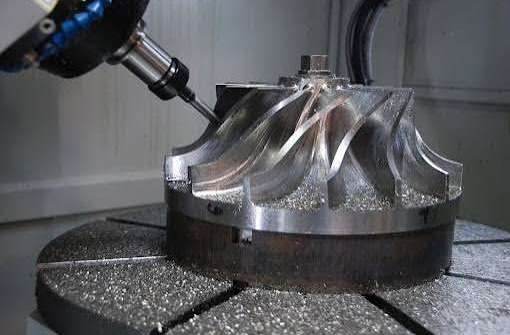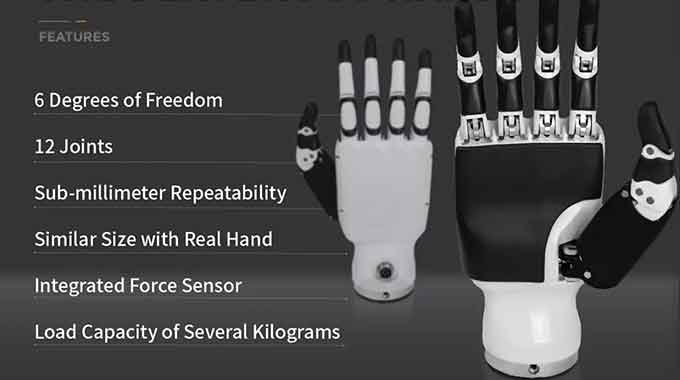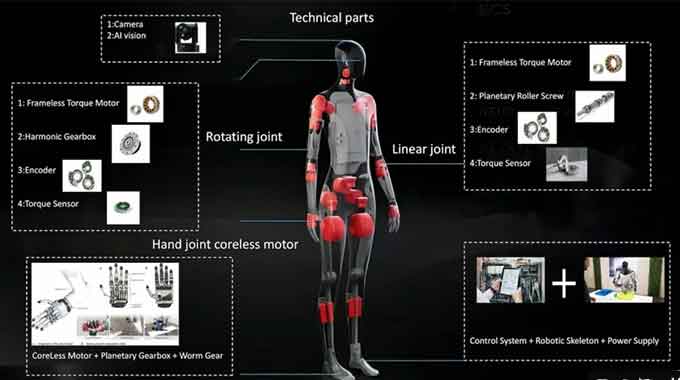
In the fast-paced world of electronics, protecting sensitive components like PCBs, sensors, batteries, and circuits is critical. CNC machined electronic housings (also called enclosures or cases) provide the ideal solution: custom, durable, high-precision protective shells milled from solid blocks of material using computer numerical control (CNC) technology.
Whether for consumer gadgets, industrial controls, automotive electronics, medical devices, or server racks, CNC machining delivers enclosures with tight tolerances, complex features, and rapid turnaround—perfect for prototypes, low-volume production, or specialized runs where off-the-shelf options fall short.
This guide covers what CNC electronic housings are, their key advantages, common materials, design considerations, applications, and the future of this manufacturing method.
What Are CNC Machined Electronic Housings?
A CNC machined electronic housing is a protective case or enclosure created by subtracting material from a solid block (metal or plastic) using automated CNC mills, lathes, or multi-axis machines. Unlike injection molding (which needs expensive tooling) or sheet metal fabrication (limited to simpler shapes), CNC starts from raw stock and carves precise features like cutouts, threaded holes, recesses, vents, heat sinks, EMI shielding pockets, and mounting bosses.
The process excels at:
- Tight tolerances (±0.01 mm or better)
- Complex geometries (undercuts, angled surfaces, integrated standoffs)
- One-off prototypes to small-to-medium batches
Engineers choose CNC when designs require high accuracy, quick iterations, or materials not suited to other methods.
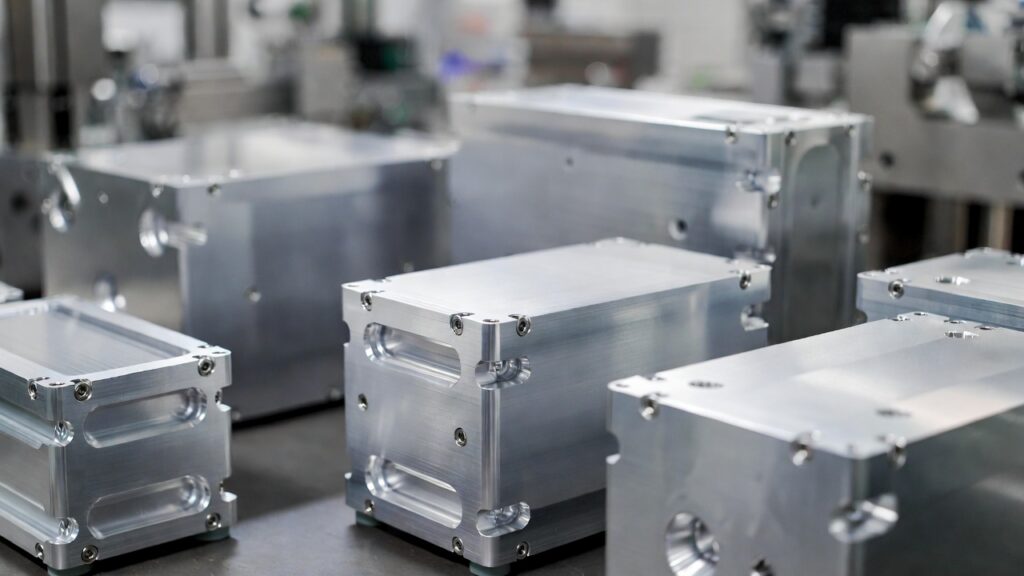
Major Advantages of CNC Machining for Electronic Enclosures
CNC stands out in the electronics industry for several powerful reasons:
- Superior Precision and Repeatability Achieves tolerances as tight as ±0.005–0.01 mm, ensuring perfect fit for PCBs, connectors, displays, and seals. This reduces assembly issues, prevents shorts, and improves reliability.
- Rapid Prototyping and Fast Turnaround Parts can be ready in 1–5 days—no tooling delays. Ideal for testing designs before scaling to injection molding or die-casting.
- Design Flexibility Supports intricate details: custom ports, cable entries, ventilation slots, integrated heat sinks, boss features, and aesthetic finishes. Easy to revise CAD files and re-machine small batches.
- Wide Material Options Handles metals and plastics with different properties (more below), allowing EMI shielding, heat dissipation, corrosion resistance, or lightweighting.
- Durability and Strength Milled from solid stock, enclosures are inherently stronger and more rigid than fabricated or molded alternatives—great for harsh environments (vibration, impact, temperature extremes).
- EMI/RFI Shielding and Thermal Management Aluminum provides natural shielding; designs can include fins, vents, or conductive coatings for heat and electromagnetic protection.
- Cost-Effective for Low-to-Medium Volumes No mold costs; economical for prototypes, custom runs, or production under 1,000–5,000 units.
Compared to sheet metal (faster for simple boxes but less precise) or plastic molding (cheaper at high volume but slow setup), CNC wins for precision and speed in custom electronics.
Common Materials for CNC Electronic Housings
Material choice depends on application needs like weight, conductivity, environment, and cost:
- Aluminum (6061, 7075) — Most popular. Lightweight, excellent machinability, natural corrosion resistance, good thermal conductivity, and EMI shielding. Ideal for consumer electronics, industrial controls, and automotive modules. Often anodized for aesthetics and protection.
- Stainless Steel (304, 316) — Superior strength, corrosion resistance, and durability. Used in harsh industrial, medical, or outdoor electronics.
- Plastics (ABS, Polycarbonate, Acrylic, PEEK) — Lightweight, insulating, transparent options available. Polycarbonate offers impact resistance; PEEK handles high temperatures. Great for non-conductive or aesthetic enclosures.
- Other Metals — Copper (thermal/conductive), titanium (aerospace-grade strength), or brass (connectors/interfaces).
Finishes like anodizing, powder coating, bead blasting, or chemical films enhance protection and appearance.
Key Design Considerations for CNC Electronic Enclosures
To get the best results:
- Wall Thickness — Minimum 0.8–1.0 mm for metals, 1.5–2.0 mm for plastics to avoid warping.
- Features — Add vents/slots for airflow, heat sinks for cooling, precise cutouts for ports/displays, threaded inserts for screws.
- Heat Management — Integrate fins or channels; aluminum excels here.
- EMI Shielding — Use conductive materials/coatings; avoid gaps in seams.
- Sealing — Design for gaskets/O-rings to meet IP/NEMA ratings (e.g., IP65 for dust/water resistance).
- Aesthetics — Chamfers, radii, and polished surfaces improve look and safety.
- Assembly — Include bosses, standoffs, or captive hardware.
Work with your machinist early—DFM (Design for Manufacturability) feedback prevents costly revisions.
Real-World Applications of CNC Electronic Housings
CNC machined enclosures serve diverse sectors:
- Consumer Electronics — Smart home devices, wearables, audio gear, handheld scanners—balancing aesthetics, ergonomics, and function.
- Industrial & IoT — Control boxes, sensors, PLC housings, rugged edge devices for factories or outdoor use.
- Automotive Electronics — ECU housings, infotainment modules, EV battery management systems—demanding vibration resistance and thermal performance.
- Medical Devices — Diagnostic tools, monitors, portable equipment—requiring biocompatibility and precision.
- Telecom & Servers — Rack-mount chassis, network routers, power distribution housings—focusing on cooling and shielding.
- Aerospace/Defense — Hermetic packages, rugged enclosures for extreme conditions.
For high-mix, low-volume needs (e.g., custom test fixtures or specialized instruments), CNC is unbeatable.
The Future of CNC Machined Electronic Housings
As electronics shrink and demand rises for EVs, 5G, AI edge devices, and sustainable designs, CNC evolves with:
- Multi-axis (5-axis) machines for more complex shapes in one setup.
- Hybrid manufacturing (CNC + additive for inserts/features).
- Automation and lights-out production for faster, cheaper runs.
- Eco-friendly materials and finishes (recycled aluminum, low-VOC coatings).
- AI-optimized toolpaths for efficiency.
CNC remains the go-to for precision custom enclosures where quality and speed matter most.
Ready to Build Your Custom Electronic Housing?
If you’re designing a new device in Los Angeles or anywhere else, CNC machined electronic housings offer the precision, durability, and flexibility you need. From prototype to production, expert shops can turn your CAD file into a rugged, high-performance enclosure quickly.
Contact a local or online CNC specialist for a quote—share your design, material preferences, and tolerances, and get started today.