As we move through early 2026, CNC machining stands at the center of a manufacturing revolution. The global CNC machine market is projected to reach $108.58 billion in 2026 and grow at a robust 11.1% CAGR through 2034 (Fortune Business Insights). Demand for precision, speed, and intelligence has never been higher across aerospace, automotive, medical devices, and even small-scale production.
Whether you’re searching for “trends in CNC machining,” “latest trends in CNC technology,” or “CNC machining industry trends 2026,” this pillar guide covers everything. We break down the seven biggest shifts, backed by real industry data and examples, and show how they affect job shops and OEMs.
AI-Native Machining Goes Mainstream
In 2026, AI is no longer a pilot project — it’s embedded directly in machine controllers and CAM systems.
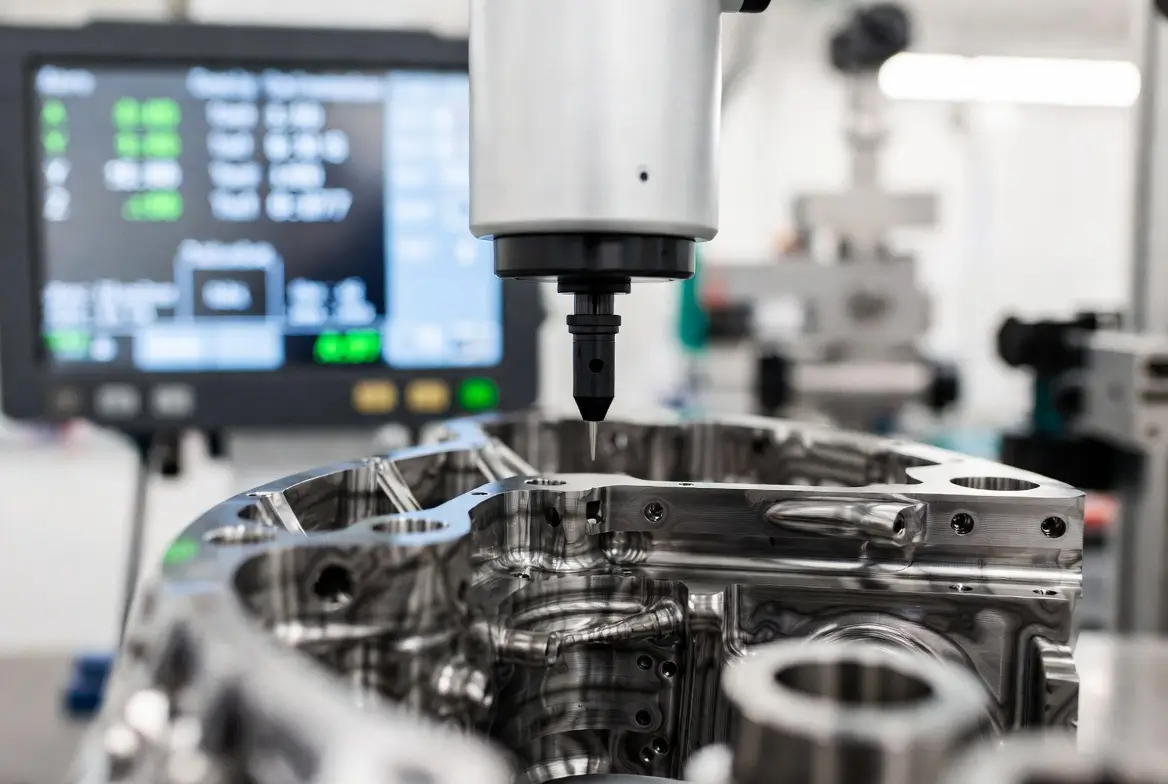
Real-time sensors monitor vibration, tool load, temperature, and chip formation. The system automatically adjusts feeds, speeds, and toolpaths on the fly.
Result? Up to 30% longer tool life, fewer crashes, and consistently better surface finishes.
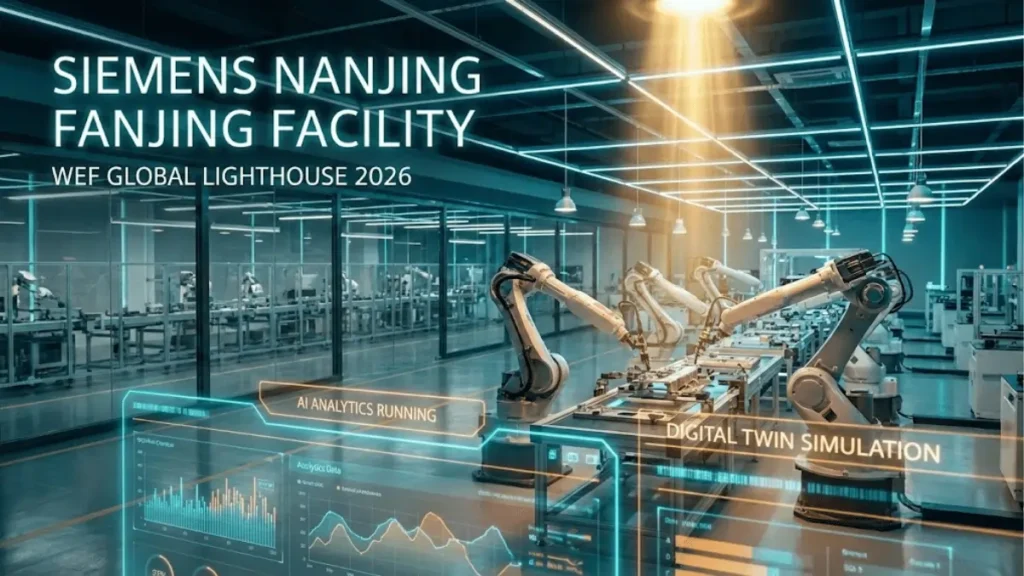
Leading examples include Siemens’ AI-powered factories and new controller plugins from Mastercam, Fusion 360, and GibbsCAM that learn from your shop’s data.
Practical impact: Machinists shift from constant monitoring to higher-value work like algorithm tuning and process improvement.
Digital Twins Become the Production Backbone
Digital twins have evolved from nice-to-have simulations into living, data-fed models of your entire machining process.
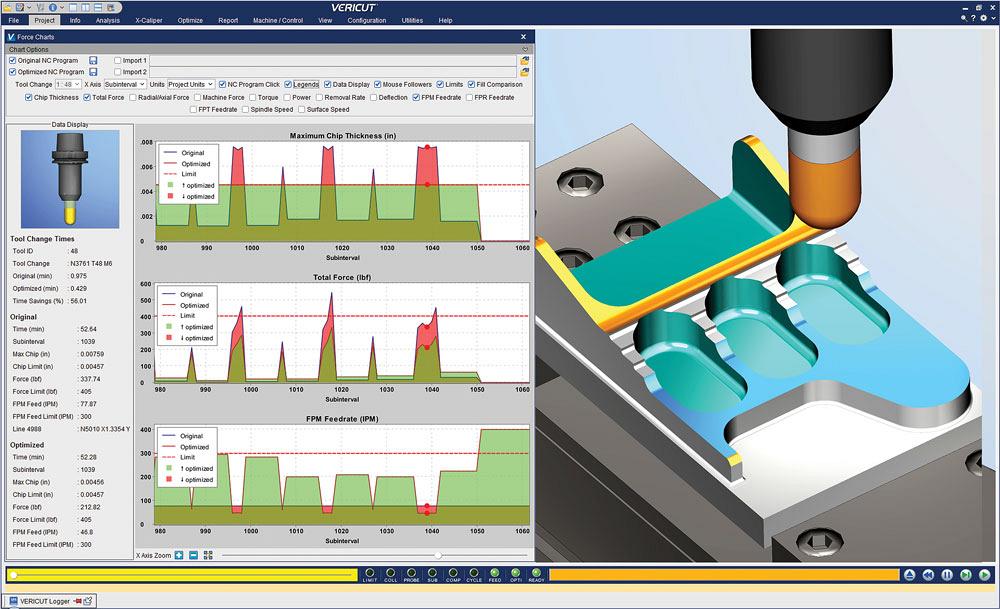
You can now virtually commission a new part, detect collisions, optimize toolpaths, and even run mixed-reality training before cutting metal. Real machining data continuously refines the twin, creating a closed-loop system that gets smarter with every cycle.
Software like DELMIA, Vericut, and CGTech leads this space.
Why it matters in 2026: Shorter lead times and complex geometries make physical trial-and-error too expensive. Digital twins slash setup time and scrap rates dramatically.
Hybrid Manufacturing Moves into Full Production
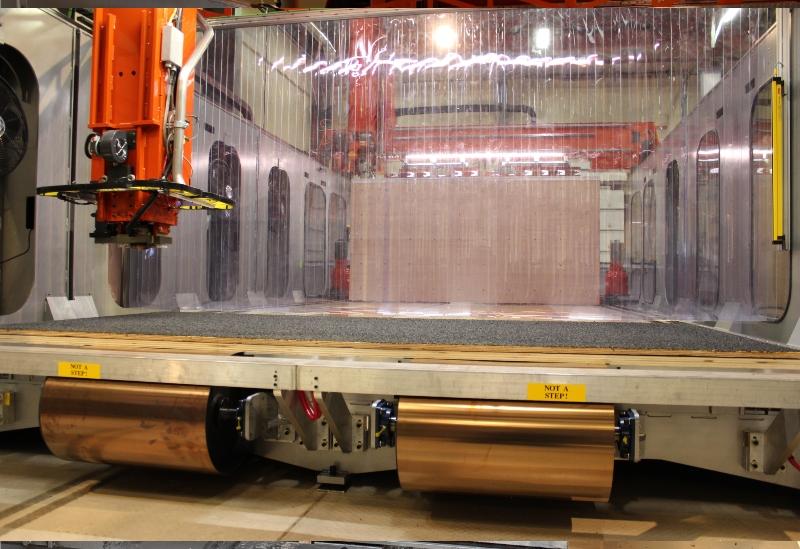
Hybrid machines combine additive (3D metal deposition) and subtractive (CNC milling) in one platform.
Build near-net shapes quickly with laser or wire deposition, then finish with high-precision CNC. Ideal for aerospace components with internal cooling channels, conformal cooling molds, and repair work (MRO).
Major players are scaling hybrid systems for production, especially in energy, medical, and defense.
Benefits: Less material waste, fewer setups, and geometries impossible with traditional CNC alone.
5-Axis and Multi-Tasking Machines Become Standard
5-axis machining is no longer just for high-end aerospace shops — it’s competitive even for mid-volume production work.
Fewer setups = better accuracy, shorter lead times, and lower labor costs. New 2026 models feature faster direct-drive rotary axes, integrated pallet changers, and easier programming.
At IMTS 2026, expect to see even more affordable 5-axis options with automation-ready features.
Automation & Lights-Out Manufacturing Accelerates
Labor shortages continue, but automation has become the practical solution.
Robotic tending, automated pallet systems, bar feeders, and self-calibrating tool presetters enable true lights-out operation. Shops now run complex cells unmanned for hours or entire shifts.
Kent USA and many integrators report strong investment in robotics to offset retiring skilled workers and support reshoring.
Sustainability Becomes a Real KPI (Not Just Marketing)
Customers now demand carbon-footprint data per part.
2026 shops track energy use, coolant consumption, and material waste in real time. Technologies like Minimum Quantity Lubrication (MQL), dry machining, coolant recycling systems, and energy-efficient spindles are standard.
Optimized AI toolpaths alone can cut energy use by 15-25%.
Reshoring + Smart Connected Factories
Geopolitical shifts and supply-chain lessons have accelerated reshoring. Apple, GE, Ford, and others continue bringing production back to North America and Europe.
IoT-connected machines, MES/ERP integration, and full traceability have become table stakes for winning contracts.
How These Trends Affect Desktop CNC, Small Shops & Hobbyists
The good news? These innovations are trickling down.
Affordable desktop CNC machines and compact routers now include smarter controllers, better software integration, and easier automation add-ons. Brands like Trend CNC Mini series and Yeti CNC SmartBench let makers, educators, and small businesses adopt AI-assisted toolpaths, digital simulation, and hybrid workflows at a fraction of the industrial cost.
CNC router market trends in 2026 and desktop CNC machine market trends show strong growth in this accessible segment—perfect for prototyping, custom furniture, signage, and education.
Market Snapshot 2026
- Global CNC Machine Market: $108.58 billion (growing at 11.1% CAGR)
- Automotive remains the largest end-user (~38%)
- Asia-Pacific still dominates volume, but North America and Europe grow fastest in high-precision and automated segments
- Metal-cutting machines hold approximately 79% share
Future Outlook: 2027 and Beyond
Expect even tighter integration between AI, digital twins, and hybrid systems. Fully autonomous “self-driving” CNC cells and widespread use of sustainable bio-based coolants are on the horizon. Shops that treat data as their most valuable asset will pull ahead.
FAQ
What are the latest trends in CNC machining in 2026?
AI-native control, digital twins, hybrid manufacturing, 5-axis everywhere, lights-out automation, sustainability metrics.
Is CNC machining still growing in 2026?
Yes—strongly, driven by reshoring and smart manufacturing.
How will AI change CNC operators’ jobs?
Less firefighting, more strategy and optimization.