CNC Prototyping has become the gold standard for engineers, product designers, and startups who need functional, high-precision parts fast. In 2026, with AI-assisted CAM software and 5-axis machines running 24/7, you can go from a CAD file to a production-ready prototype in as little as 3–7 days—something that took weeks just a few years ago.
Whether you’re looking for a CNC prototype or CNC prototyping service, this guide covers everything you need to know.
What Is CNC Prototyping?
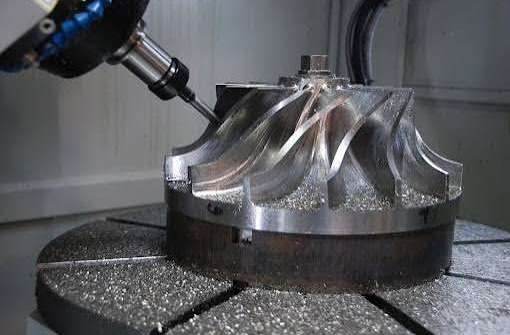
CNC prototyping (Computer Numerical Control prototyping) is a subtractive manufacturing process where computer-controlled machines mill or turn a solid block of material into a precise physical part directly from your 3D CAD model.
Unlike 3D printing (additive), CNC removes material, delivering
- Tighter tolerances (±0.01 mm typical)
- Superior surface finish (Ra 0.8–3.2 µm)
- Real engineering-grade materials (not just printable resins)
- Parts that can be used for functional testing, fit checks, and even low-volume production
It’s the go-to method when your prototype must behave exactly like the final product.
The CNC Prototyping Process Step-by-Step
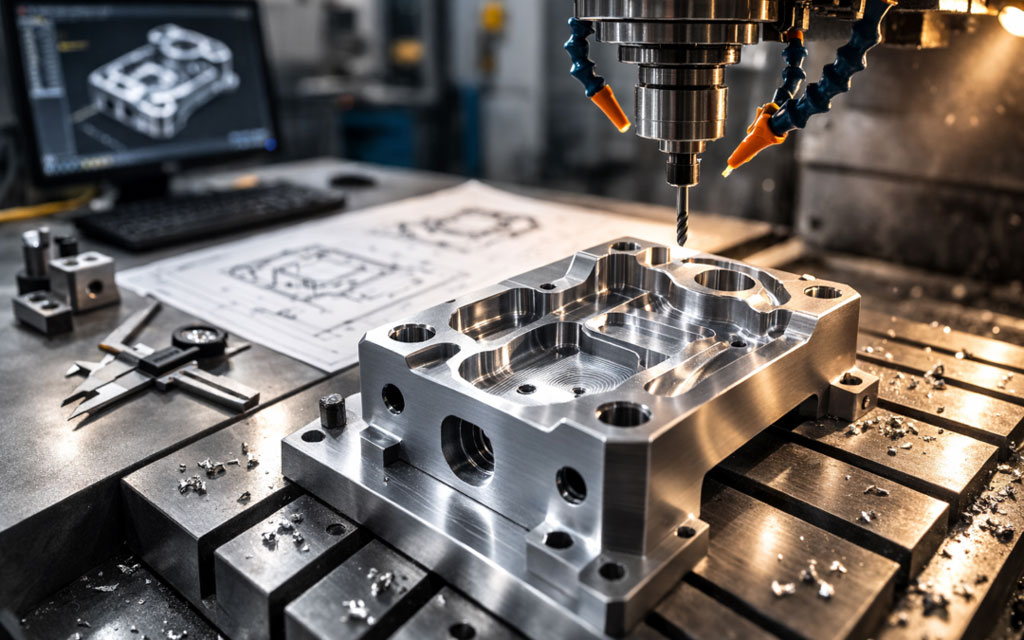
Here’s exactly how CNC prototype machining works in 2026:
- Design Phase (CAD Modeling) You create or upload a detailed 3D model (SolidWorks, Fusion 360, Onshape). Design-for-Manufacturability (DFM) feedback is now instant via AI tools.
- Programming (CAM Software) CAM software generates toolpaths and G-code. Modern platforms auto-detect features and suggest optimal speeds/feeds.
- Material Selection Choose from aluminum, stainless steel, titanium, or engineering plastics.
- Machining The CNC mill or lathe removes material. 3-axis for simple parts, 5-axis for complex geometries — all automated.
- Post-Processing & Finishing Deburring, sanding, anodizing, polishing, or heat treatment.
- Quality Inspection & Delivery: CMM (Coordinate Measuring Machine) reports and digital twins included.
Pro tip: Most rapid CNC prototyping services now offer same-day DFM reviews and 3–7 day turnarounds for prototypes.
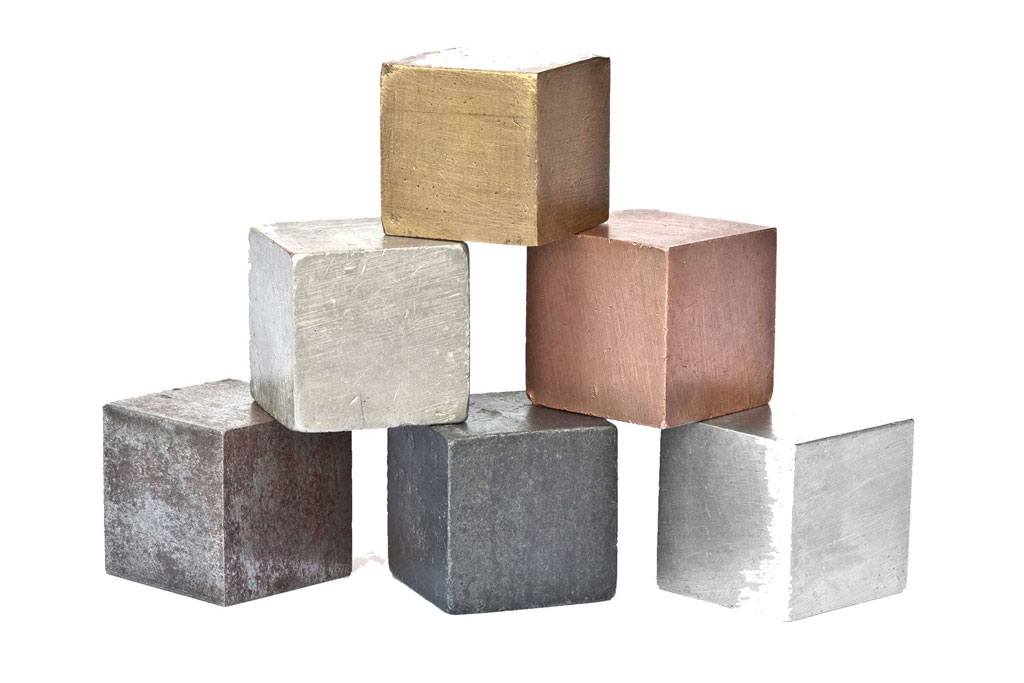
Best Materials for CNC Prototyping in 2026 – Comparison Table
| Material | Machinability | Strength | Cost (per part) | Corrosion Resistance | Best For | Typical Lead Time |
|---|---|---|---|---|---|---|
| Aluminum 6061 | Excellent | Medium | $15–$80 | Good (anodized) | General prototypes, enclosures | 3–5 days |
| Aluminum 7075 | Good | High | $40–$150 | Moderate | Aerospace, structural parts | 4–7 days |
| Stainless Steel 304/316 | Medium | High | $50–$200 | Excellent | Medical, food-grade, marine | 5–8 days |
| Titanium Grade 5 | Poor | Very High | $150–$500+ | Excellent | Medical implants, motorsports | 7–12 days |
| POM (Delrin) / ABS | Excellent | Medium | $20–$80 | Good | Gears, housings, low-friction | 2–5 days |
| PEEK | Good | Very High | $100–$400 | Excellent | High-temp, medical | 6–10 days |
Data sourced from 2026 industry benchmarks. Plastics are fastest and cheapest for early-stage CNC prototypes; metals shine for functional and production-intent testing.
Real-World CNC Prototyping Case Studies
Case 1: Automotive Wheel Hub (Aluminum 7075)
A Formula SAE team needed lightweight uprights. Using 5-axis CNC prototype machining, they received 4 functional hubs in 6 days—40% lighter than the previous design and passed track testing on the first try.
Case 2: Medical Device Enclosure (Stainless Steel 316)
A startup developing a wearable monitor used rapid CNC prototyping to iterate three versions in 12 days. Final parts went straight into FDA submission with zero tooling changes.
Case 3: Consumer Electronics Bracket (POM + Aluminum)
A smart-home company prototyped 25 mixed-material assemblies in one week—a perfect fit and function for investor demos.
These examples show why companies now choose CNC prototyping services over 3D printing for anything that needs real-world performance.
Cost & Lead Time Breakdown for CNC Prototyping (2026 US Pricing)
Average costs for 1–10 piece runs:
| Part Complexity | Material Example | Price per Part | Total for 5 Pieces | Typical Lead Time |
|---|---|---|---|---|
| Simple (3-axis) | Aluminum 6061 | $15–$50 | $150–$400 | 3–5 days |
| Medium | Aluminum 7075 | $50–$150 | $400–$900 | 4–7 days |
| Complex (5-axis) | Stainless or Titanium | $150–$500+ | $1,000–$3,000+ | 7–12 days |
| Plastic Prototype | POM / ABS | $20–$80 | $150–$500 | 2–5 days |
Factors that affect price:
- Tolerances (±0.01 mm = higher)
- Surface finish requirements
- Quantity (10+ pieces drops unit cost dramatically)
- Rush orders (+30–50%)
2026 reality: Many CNC prototyping service providers now guarantee 7-day delivery for most aluminum prototypes with no setup fees.
Advantages of CNC Prototyping (Why It Beats Alternatives)
- Real material properties—test strength, heat, wear exactly as in production
- Tighter tolerances & better surface finish than 3D printing
- Scalable — same process works from 1 prototype to 1,000 production parts
- No tooling cost (unlike injection molding)
- Functional & aesthetic parts ready for customer demos or field testing
Compared to 3D printing, CNC wins for mechanical parts that must survive real loads. Compared to traditional machining, CNC is 5–10× faster and cheaper for prototypes.
Frequently Asked Questions
What is CNC prototyping exactly?
CNC prototyping uses computer-controlled machines to cut parts from solid material blocks. It delivers production-like quality in days.
How long does CNC prototype machining take?
Simple parts: 3–5 days. Complex 5-axis parts: 7–12 days. Many services now offer 7-day rapid CNC prototyping.
How much does CNC prototyping cost in 2026?
$15–$500+ per part depending on material and complexity. Most single prototypes fall between $50–$200.
What is the difference between CNC prototyping and 3D printing?
CNC is subtractive (stronger, better finish, real metals/plastics). 3D printing is additive (faster for ultra-complex shapes but weaker parts).
Which materials are best for CNC prototypes?
Aluminum 6061 for most projects, POM plastics for quick, cheap iterations, and stainless steel for corrosion resistance.
Can CNC prototypes go straight to production?
Yes! The same files and process scale perfectly—no redesign needed.
What tolerances can CNC prototyping achieve?
Standard ±0.05 mm, precision ±0.01 mm or better with 5-axis machines.
Is CNC prototyping suitable for plastic parts?
Absolutely. POM, ABS, PEEK, and acrylic machine beautifully and are often cheaper/faster than metal.
How do I get an instant quote for CNC prototyping services?
Upload your CAD file to a qualified provider—most return DFM feedback and pricing within hours.
What file formats do CNC prototyping services accept?
STEP, IGES, STL, SolidWorks, Fusion 360 — almost any 3D format.
Can I get local CNC prototyping in Georgia or Savannah?
Yes—several US shops specialize in rapid turnaround for Southeast customers.
Is CNC better than injection molding for prototypes?
100% for low quantities. No $5k–$20k tooling required.
What industries use CNC prototyping the most?
Aerospace, automotive, medical devices, consumer electronics, and robotics.
Ready to Start Your 2026 CNC Prototyping Project?
Whether you need one CNC prototype, a full set of rapid CNC prototyping parts, or help transitioning to production, our team delivers precision, speed, and transparent pricing.
Upload your file today and receive DFM feedback + pricing within 2 hours. From prototype to production in just 7 days—let’s build it