In today’s fast-paced product development world, choosing between CNC vs. rapid prototyping can make or break your timeline and budget. Whether you’re an engineer iterating a new gadget, a startup validating a medical device, or a manufacturer testing automotive parts, this 2026 guide breaks down everything you need to know.
Rapid prototyping (often powered by 3D printing) and CNC machining are the two dominant methods for turning digital designs into physical prototypes. One builds layer by layer; the other cuts away material. But which one wins in 2026 for speed, cost, strength, and precision?
By the end of this article, you’ll know exactly when to pick CNC prototyping, when to go with rapid prototyping (3D printing), and how to combine both for the best results. Let’s dive in.
What Is CNC Machining for Prototyping?
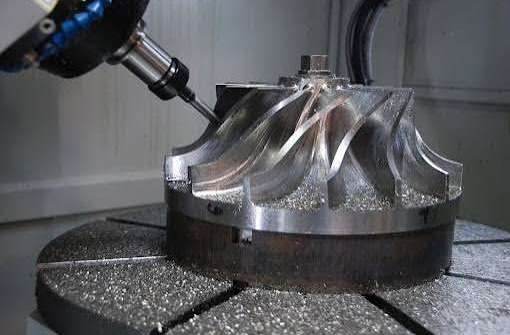
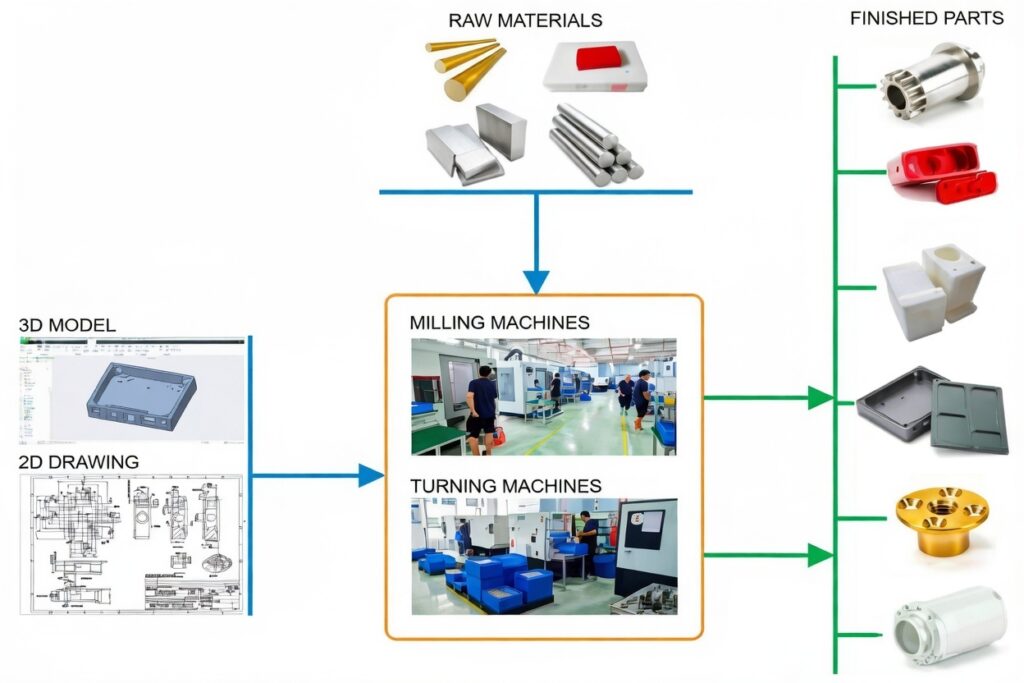
CNC (Computer Numerical Control) machining is a subtractive manufacturing process. It starts with a solid block of material (aluminum, steel, plastic, etc.) and uses rotating tools to mill or turn away excess material until your part matches the 3D CAD model.
Key advantages in 2026:
- Exceptional precision (±0.025–0.05 mm typical)
- Uses real production-grade materials with full traceability
- Superior strength and surface finish (Ra 0.8–3.2 µm right off the machine)
- Ideal for functional testing and low-to-medium volumes
Common applications: metal brackets, housings, aerospace components, and any part that must behave exactly like the final production piece.
What Is Rapid Prototyping (and Why 3D Printing Dominates It)?
Rapid prototyping refers to any fast method of creating a physical model from a digital file. In 2026, additive manufacturing (especially FDM, SLA, SLS, and metal 3D printing) has become the default for “rapid prototyping.”
Key advantages:
- No tooling or setup required — print overnight
- Unmatched design freedom (internal channels, lattices, undercuts)
- Extremely low cost for 1–10 pieces
- Fastest iteration speed (hours instead of days)
Popular for: concept models, ergonomic testing, complex geometries, and early-stage validation.
CNC vs Rapid Prototyping: Side-by-Side Comparison (2026)
Here’s the clearest way to understand the difference between CNC and rapid prototyping:
| Aspect | CNC Machining (Subtractive) | Rapid Prototyping (3D Printing / Additive) | Winner for Prototypes |
|---|---|---|---|
| Speed | 1–5 days (setup + machining) | 4–48 hours | Rapid Prototyping |
| Cost (1–10 pcs) | $150–$800 per part | $20–$300 per part | Rapid Prototyping |
| Precision | ±0.025–0.05 mm | ±0.1–0.3 mm (SLA best) | CNC |
| Material Strength | Full production-grade (real metal/plastic) | Good but often anisotropic | CNC |
| Design Complexity | Limited by tool access | Unlimited (lattices, internal features) | Rapid Prototyping |
| Surface Finish | Excellent out of machine | Requires post-processing for smoothness | CNC |
| Volume Sweet Spot | 10–1,000+ parts | 1–50 parts | Depends |
| Traceability | Full (aerospace/medical approved) | Limited for most resins/powders | CNC |
Materials Comparison Table
| Material Type | Best for CNC | Best for Rapid Prototyping | Notes 2026 |
|---|---|---|---|
| Aluminum | Excellent strength & finish | Possible but weaker | CNC preferred |
| Stainless Steel | High precision & durability | Metal 3D printing improving but expensive | CNC for functional |
| ABS / PLA / Nylon | Great for prototypes | Fast & cheap | 3D printing wins |
| Titanium / Inconel | Aerospace-grade | Metal AM now viable | Hybrid often best |
| Engineering Resins | Not ideal | SLA for high-detail visuals | Rapid Prototyping |
Cost & Time Breakdown 2026 (Real Numbers)
For a typical medium-complexity prototype (100 × 50 × 30 mm):
| Quantity | CNC Machining Cost | Rapid Prototyping Cost | CNC Lead Time | Rapid Lead Time |
|---|---|---|---|---|
| 1 pc | $350–$650 | $45–$150 | 3–5 days | 1 day |
| 10 pcs | $120–$220 each | $80–$180 each | 5–7 days | 2–3 days |
| 50 pcs | $65–$110 each | $120+ each | 7–10 days | 5–7 days |
Break-even point: Usually around 20–50 pieces—after that, CNC often becomes cheaper.
Pro tip: Many teams now use a hybrid workflow—3D print for quick form/fit iterations, then CNC machine the final functional version.
Real-World Case Studies
- Defense contractor (2025): Switched critical brackets from 3D printing to CNC for full material traceability — saved $50K in certification costs.
- Consumer electronics startup: Used SLA rapid prototyping for 15 design iterations in 3 weeks, then CNC-machined the final aluminum enclosure—launched 4 months faster than competitors.
- Medical device company: Hybrid approach (3D printing prototypes + CNC for validation parts) reduced development time by 60%.
When to Choose CNC Prototyping vs Rapid Prototyping
Choose CNC if you need:
- Functional testing with real materials
- Tight tolerances or excellent surface finish
- Parts that must mimic final production
- Medium volumes or traceability requirements
Choose Rapid Prototyping (3D Printing) if you need:
- Lightning-fast design iterations
- Highly complex or organic geometries
- Ultra-low cost for 1–10 pieces
- Visual or ergonomic models
FAQ: CNC vs Rapid Prototyping
What is the main difference between CNC and rapid prototyping?
CNC is subtractive (cuts material away); rapid prototyping (especially 3D printing) is additive (builds layer by layer).
Is CNC or 3D printing faster for prototypes?
3D printing is almost always faster for 1–10 pieces—often same-day or next-day delivery.
Which is cheaper: CNC machining or rapid prototyping?
Rapid prototyping wins for low volumes; CNC becomes cheaper at 20+ pieces.
Which method offers better precision and accuracy?
CNC machining consistently delivers tighter tolerances (±0.025 mm vs. ±0.1–0.3 mm for most 3D printing).
Can you use both CNC and rapid prototyping together?
Yes! The smartest teams do exactly that—3D print for speed and CNC for final strength and finish.
What materials work best with each process?
CNC excels with real metals and engineering plastics. Rapid prototyping shines with resins, nylon powders, and specialty filaments.
When should I use CNC for prototypes instead of 3D printing?
When you need functional testing, regulatory compliance, or production-like performance.
Is rapid prototyping only 3D printing?
No—it includes CNC rapid machining too—but in 2026, 3D printing dominates the term.
How does surface finish compare?
CNC usually wins straight off the machine. 3D prints often need sanding, vapor smoothing, or coating.
What about the cost for complex internal features?
3D printing wins easily — CNC struggles with deep pockets or internal channels.
Is metal 3D printing replacing CNC in 2026?
Not yet — CNC remains more cost-effective and precise for most metal functional parts.
How do I get an instant quote for either method?
Upload your CAD file here → our AI system compares both processes and recommends the best one.
Ready to Build Your Next Prototype?
Stop guessing. In 2026 the winning strategy is hybrid prototyping—rapid iterations with 3D printing and production-ready parts with CNC.
Get your free instant quote for CNC Prototyping or Rapid Prototyping services today. Upload your design and we’ll return both options with pricing, lead times, and material recommendations in under 60 seconds.
Need help deciding? Our engineers are standing by — just drop us a message. Your faster, cheaper, better prototype is one click away.