As an engineer in a startup or R&D team, have you ever faced skyrocketing costs for prototyping just a handful of custom parts? Low-volume CNC machining offers a solution, enabling precise manufacturing for small batches—typically 1-1,000 units—without the hefty tooling investments required for mass production. This process uses computer numerical control (CNC) machines to subtract material from a workpiece, creating complex geometries with high accuracy. It’s particularly relevant for industries like aerospace, medical devices, and electronics, where customization and rapid iteration are key.
In this guide, we’ll explore what low-volume CNC machining entails, its advantages, common challenges and how to overcome them, comparisons with leading providers, best practices, and real-world examples. By addressing these, we aim to help decision-makers in startups and high-tech sectors leverage this technology for agile, cost-effective production. Whether you’re testing market fit or developing prototypes, understanding low-volume CNC machining can streamline your workflow and reduce risks.
Understanding Low-Volume CNC Machining
What It Entails
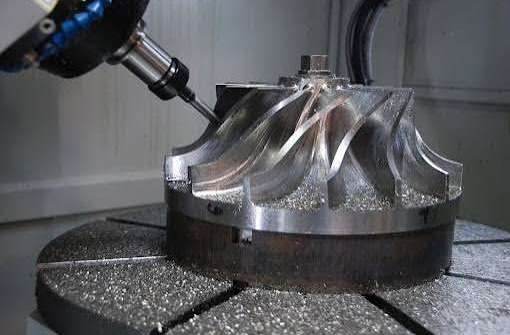
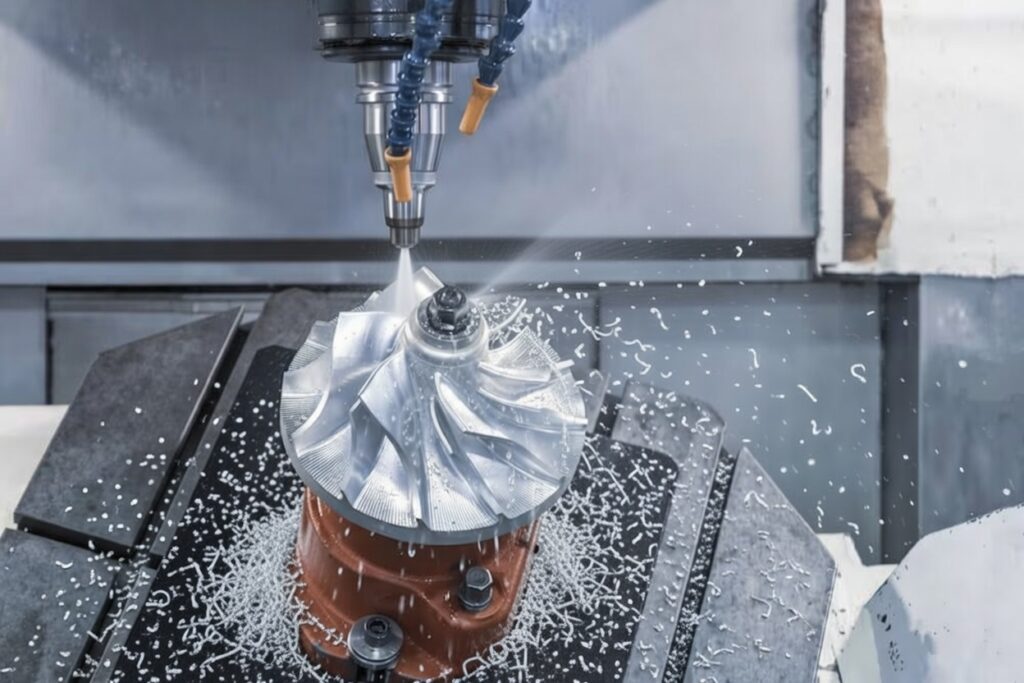
Low-volume CNC machining involves automated machines guided by digital instructions to mill, turn, or grind materials like metals (aluminum and titanium) or plastics into precise parts. Unlike high-volume methods, it skips expensive molds, focusing on flexibility for small runs. The process starts with CAD (computer-aided design) files converted to G-code, which directs 3- to 5-axis machines for intricate cuts. This makes it ideal for CNC machining for prototypes and low-volume production, where quantities don’t justify large-scale setups.
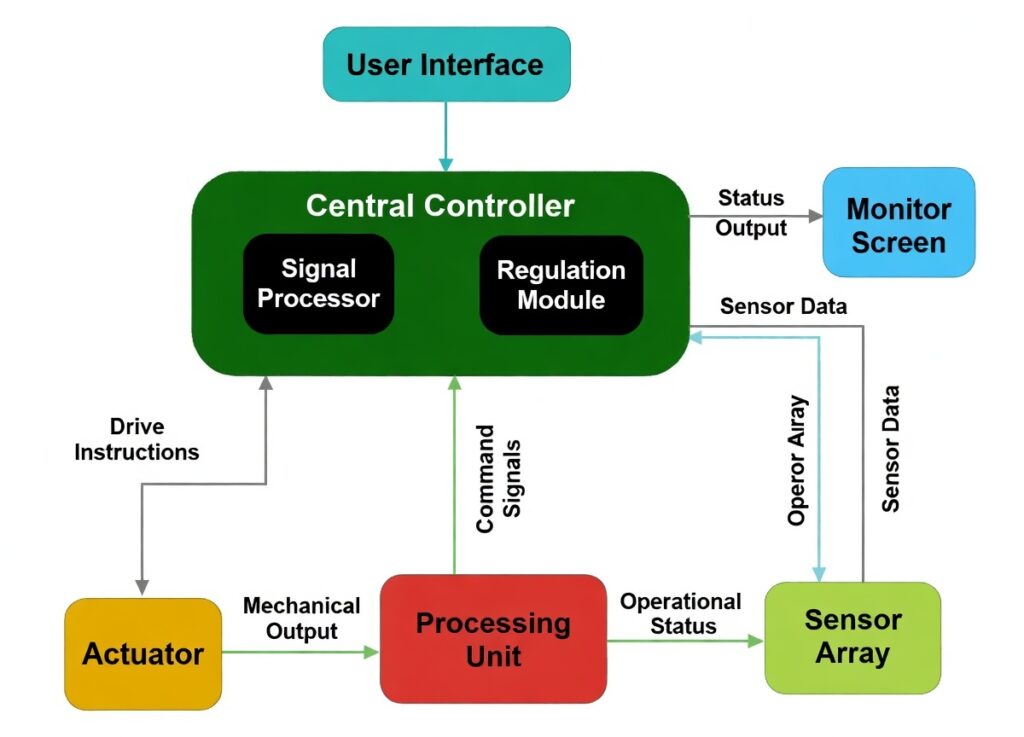
Visualize the workflow: from design to finished part, involving milling for flat surfaces or turning for cylindrical shapes.
Key Advantages Over High-Volume Methods
- Speed: Turnaround in days, not weeks, allowing quick iterations.
- Cost-Effectiveness: No tooling costs spread over few units, making it viable for small-batch CNC.
- Flexibility: Handles high-mix low-volume (HMLV) scenarios, perfect for custom designs.
- Precision: Achieves tolerances as tight as ±0.001 inches, essential for complex parts.
Compared to injection molding or casting, CNC avoids upfront investments, reducing financial barriers for startups.
Applications
This method shines in sectors requiring precision low-volume machining:
- Aerospace: Lightweight components like brackets or sensors, where NASA research highlights its role in prototyping.
- Medical: Custom prosthetics or instruments, supported by university studies on tight tolerances.
- Electronics: Enclosures and connectors for R&D testing.
- Automotive: Niche parts for racing or prototypes.
For instance, in aerospace, low-volume runs enable testing without mass commitment.

Common Pain Points and Solutions
Identifying Challenges
Low-volume production isn’t without hurdles, especially in high-mix environments:
- High Initial Setup Costs: Fixed expenses not amortized over large quantities.
- Supplier Reliability: Variability in quality for small orders.
- Tool Wear: Frequent changes accelerate degradation.
- Inventory Risks: Overproduction ties up capital.
- Tight Tolerances: Complex designs challenge standard machines.
- Long Setup Times: High-mix runs require constant reconfiguration.
- Supply Chain Issues: Delays in custom materials.
These are amplified in low-volume settings, as noted in MIT theses on manufacturing connectivity.
How Low-Volume CNC Addresses Them
- For setup costs, use DFM (Design for Manufacturability) to optimize parts, reducing per-unit prices.
- Reliable suppliers via platforms ensure consistency.
- Durable tools and maintenance schedules mitigate wear.
- On-demand production minimizes inventory.
- 5-axis machines handle tolerances effectively.
- Automation software cuts setup times.
- Hybrid approaches integrate with 3D printing for faster chains.
Tips
- Optimize designs for fewer operations.
- Select materials like aluminum for cost savings.
- Use simulation software to predict issues.
Overcoming inventory risks is easier than you think with on-demand low-volume CNC machining services.
Competitor Comparison and Best Practices
Market Landscape
Here’s a table comparing key providers, drawing from industry analyses:
| Provider | Focus | USPs | Best For |
|---|---|---|---|
| Protolabs | Rapid prototyping | Days turnaround, no tooling | Startups, quick quotes |
| Xometry | Marketplace | Instant quotes, global network | Diverse suppliers |
| Fictiv | Engineering support | DFM feedback, quality control | Complex designs |
These align with NIST guidelines on low-volume methods.
Choosing the Right Provider
Prioritize quoting speed, DFM, and scalability for 10-1,000 units. For low-volume CNC machining quotes, look for providers with academic-backed processes.
Best Practices
- Incorporate keywords like “small-batch precision machining” in searches.
- Control costs via material selection and batch sizing.
- Leverage connectivity for efficiency, as per MIT research.
Case Studies or Examples
- Startup Wearables: A tech startup used low-volume CNC for iterating sensor housings, reducing time-to-market by 50% via rapid prototypes. Outcome: Solved tolerance issues, minimized cash flow risks.
- Automotive R&D: An team machined custom valves in small batches, addressing HMLV challenges with connected systems. Benefits: Faster innovation, lower inventory.
- Aerospace Prototype: Using 5-axis CNC, a firm produced lightweight parts, as in Wichita State University’s advanced machining lab.
These examples show how low-volume CNC enables agile manufacturing.
FAQ
What is low-volume CNC machining?
It’s a process for producing 1-1,000 precise parts using CNC machines, ideal for prototypes without high tooling costs.
How does it differ from high-volume manufacturing?
Low-volume avoids molds, focusing on flexibility and speed, while high-volume spreads costs over large runs.
What materials are used?
Common ones include aluminum, titanium, plastics, and steels for durability and precision.
Is it cost-effective for startups?
Yes, due to low upfront investments and on-demand production.
What tolerances can be achieved?
Typically ±0.001 to ±0.005 inches, depending on the machine.
How long does a typical run take?
From days to weeks, faster than traditional methods.
What industries benefit most?
Aerospace, medical, electronics, and automotive for custom parts.
How to reduce setup times?
Use automation and optimized designs.
Can it integrate with 3D printing?
Yes, for hybrid prototypes with enhanced finishes.
What about quality control?
Adhere to standards like those from NIST for consistency.
How to find reliable suppliers?
Look for those with DFM support and academic validations.
Is it suitable for complex geometries?
Absolutely, with 5-axis machines handling intricate shapes.
What software is needed?
CAD/CAM tools like SolidWorks for design and G-code generation.
How does connectivity improve efficiency?
Enables remote monitoring, as studied in MIT theses.
Can it handle custom finishes?
Yes, including anodizing or polishing post-machining.
Conclusion
Low-volume CNC machining empowers engineers and startups to innovate without the burdens of mass production, offering speed, precision, and flexibility. By addressing pain points through DFM and advanced tools, it supports high-mix runs in critical industries. Trends like hybrid AM-CNC integration promise even greater efficiency.
What’s your biggest challenge in prototype manufacturing?
Ready to get a quote for your low-volume CNC project? Contact us today for cost-effective solutions tailored to your needs.