The aerospace industry demands the highest levels of precision, reliability, and performance. From commercial jets to satellites and military aircraft, components must withstand extreme conditions—high stresses, temperatures, vibrations, and corrosion—while minimizing weight to improve fuel efficiency.
This is where CNC machining for aerospace shines. Computer Numerical Control (CNC) processes like milling, turning, and multi-axis machining produce complex, high-tolerance parts with unmatched accuracy and repeatability. In 2026, with advancements in 5-axis machines, AI-optimized tooling, and sustainable materials, CNC remains the backbone of aerospace manufacturing.
This guide covers why CNC is essential, key applications, materials, benefits, challenges, and future trends.
Let’s dive in.
Why CNC Machining is Critical for Aerospace
Aerospace parts often feature intricate geometries, thin walls, and tight tolerances (down to ±0.0005 inches or better). Traditional methods can’t match CNC’s precision and consistency.
Key reasons CNC dominates:
- Unparalleled Accuracy & Repeatability: Essential for safety-critical parts where failure isn’t an option.
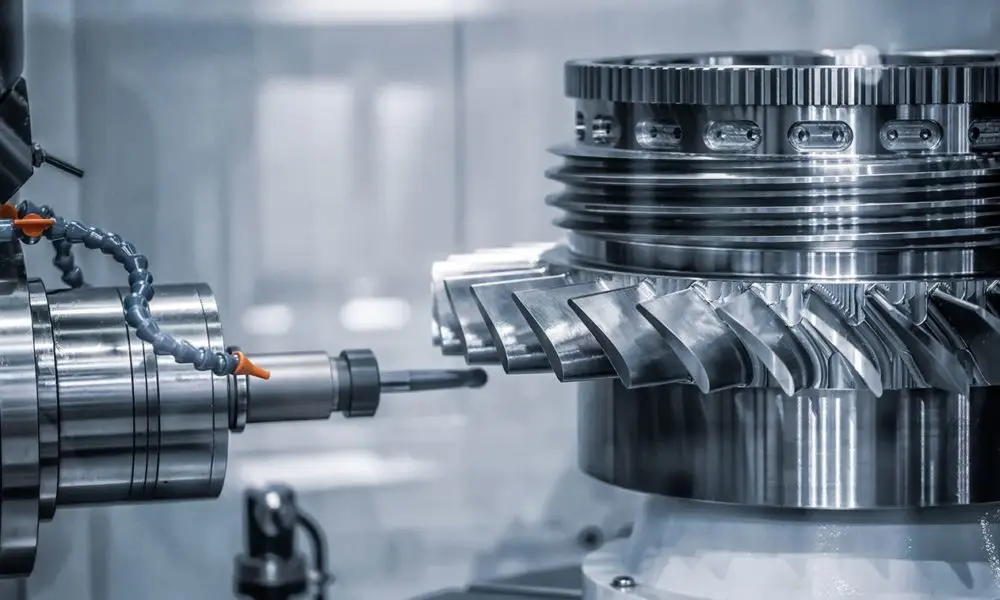
- Complex Geometries: 5-axis machines allow simultaneous multi-angle cutting, reducing setups and errors.
- Material Versatility: Handles tough alloys like titanium and Inconel without compromising strength.
- Scalability: From prototypes to high-volume production with AS9100-certified quality.
- Weight Optimization: Precise material removal creates lightweight yet strong structures for better fuel economy.
Standards like AS9100, NADCAP, and ITAR compliance ensure traceability and quality—mandatory for aerospace suppliers.
Common Applications of CNC Machining in Aerospace
CNC produces a wide range of components across airframes, engines, and systems.
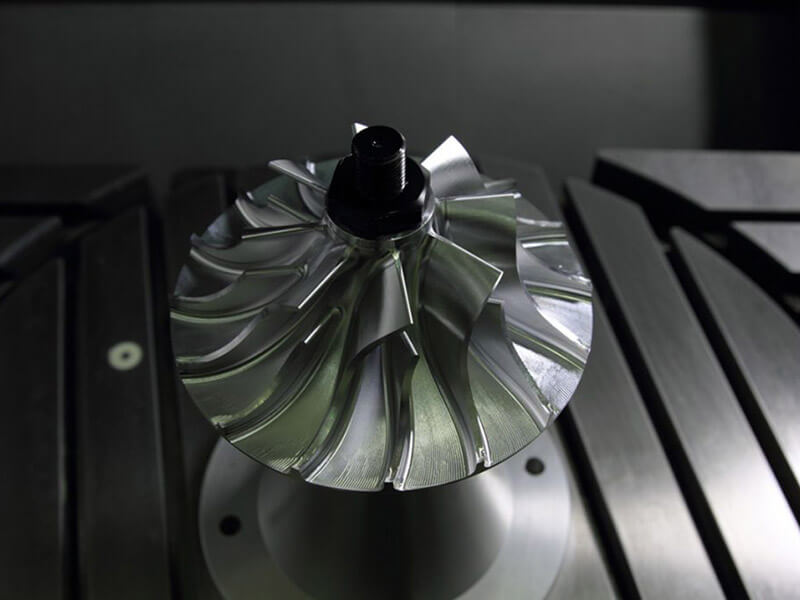
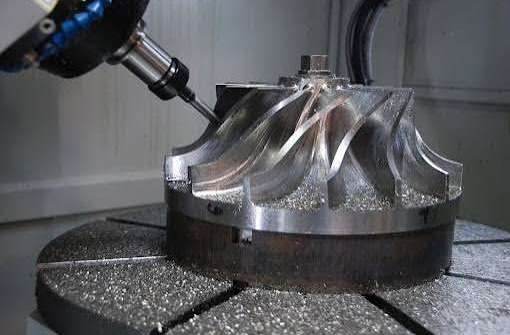
- Engine Components: Turbine blades, blisks (bladed disks), combustors, shafts—often from heat-resistant superalloys.
- Structural Parts: Brackets, fittings, ribs, spars, wing components, landing gear parts.
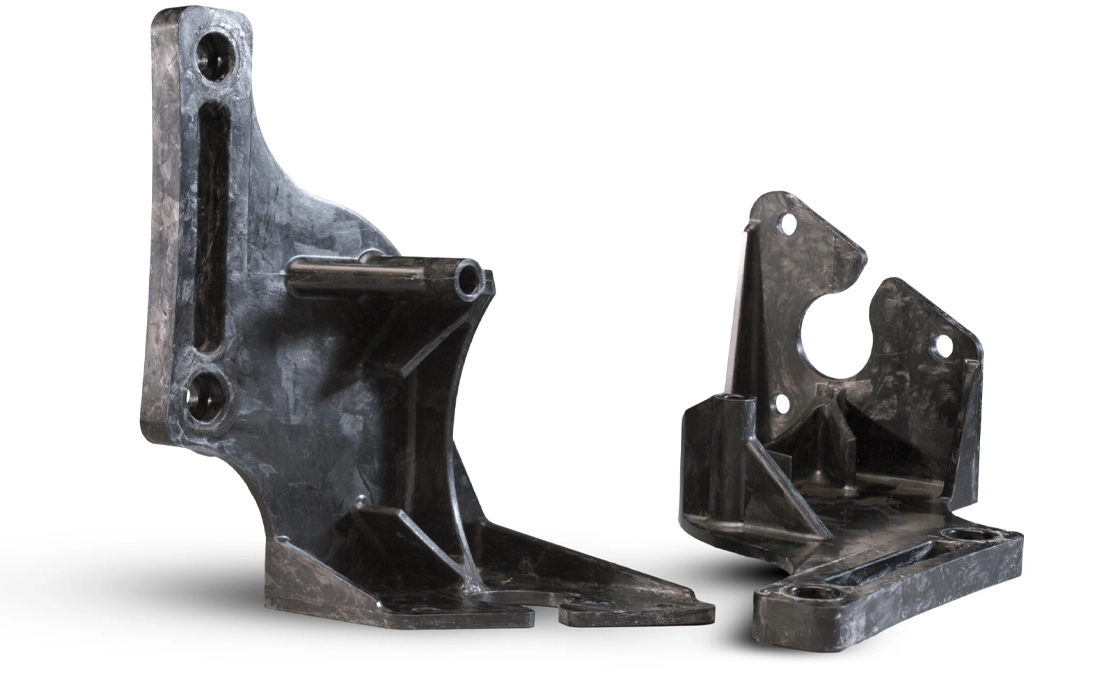
- Interior & Avionics: Seat frames, panel mounts, antenna housings.
- Hydraulic & Fuel Systems: Manifolds, valves, pumps.
- Space & Defense: Satellite frames, missile guidance components, drone parts.
Multi-axis CNC (especially 5-axis) is crucial for “monolithic” parts—machining large structures from single billets to reduce weight and assembly points.
Top Materials for Aerospace CNC Machining
Aerospace favors materials with high strength-to-weight ratios, fatigue resistance, and thermal stability.
| Material | Key Properties | Common Applications | Machinability |
|---|---|---|---|
| Aluminum (6061, 7075) | Lightweight, corrosion-resistant | Frames, brackets, prototypes | Excellent |
| Titanium (Ti-6Al-4V) | High strength, heat/corrosion resistant | Turbine blades, structural parts | Fair |
| Stainless Steel | Durable, hygienic | Fasteners, fittings | Good |
| Inconel/Nickel Alloys | Extreme heat resistance | Engine components, exhausts | Poor |
| Composites (PEEK) | Lightweight, chemical-resistant | Interior panels, bushings | Good |
Titanium and aluminum make up ~70% of machined aerospace parts due to weight savings.
Benefits of CNC Machining for Aerospace
- Precision & Tolerances: Achieve ±0.001 mm for critical fits.
- Reduced Weight: Buy-to-fly ratios improved—less material waste.
- Faster Prototyping: Rapid iterations for design validation.
- Cost Efficiency at Volume: Lower per-part costs vs. casting/forging for complex shapes.
- Traceability & Quality: Digital records for FAA/EASA compliance.
- Flexibility: Easy design changes without new tooling.
- Surface Finishes: As-machined or post-processed (anodizing, passivation).
- Sustainability: Less waste than additive in some cases; recyclable chips.
- Multi-Axis Efficiency: Fewer setups = higher accuracy, shorter lead times.
- Reliability: Consistent parts reduce in-flight failures.
Challenges and Solutions in Aerospace CNC
- Difficult Materials: Titanium/Inconel cause tool wear—Solution: High-pressure coolant, carbide/diamond tools.
- Tight Tolerances: Thermal expansion risks—Solution: Climate-controlled shops, in-process probing.
- High Costs: Exotic materials expensive—Solution: Near-net-shape forgings + finish machining.
- Long Lead Times: Complex setups—Solution: Mill-turn centers, automation.
- Certification: Rigorous audits—Solution: Partner with AS9100-certified suppliers.
Best Practices for Aerospace CNC Projects
- Design for Manufacturability (DFM): Avoid thin walls <0.5mm, sharp corners.
- Early Supplier Involvement: Collaborate on material selection and tolerances.
- Use 5-Axis Machines: For complex contours and undercut features.
- Implement Quality Controls: CMM inspection, first-article reports.
- Focus on Sustainability: Recycle chips, use eco-coolants.
Future Trends in CNC Machining for Aerospace (2026+)
- Hybrid Manufacturing: Combine CNC with additive for optimized parts.
- AI & Automation: Predictive tool wear, lights-out machining.
- Advanced Materials: More carbon composites and metal matrix hybrids.
- Digital Twins: Simulate machining before cutting.
- Electric Aviation: Lighter parts for eVTOL and sustainable aircraft.
Final Thoughts
CNC machining for aerospace isn’t just a process—it’s what enables safer, lighter, and more efficient flight. From turbine blades spinning at 30,000 RPM to structural brackets holding massive loads, CNC delivers the precision modern aviation demands.
Whether you’re prototyping a new drone or producing engine parts for commercial jets, choosing the right CNC partner and materials is key to success.
What’s your biggest challenge with aerospace CNC projects? Share in the comments—I’d love to discuss!