CNC machining for defense can feel overwhelming when you’re just starting out.
There are strict regulations, exotic materials, and zero room for error.
But here’s the deal: Mastering the basics of CNC machining for defense is simpler than you think—and it can transform how you source reliable, mission-critical parts.
In this guide, I’m breaking down everything beginners need to know about CNC machining for the defense industry.
You’ll learn what it is, why it matters, key applications, materials, benefits, and pro tips to get started.
Let’s dive in.
What Is CNC Machining for Defense?
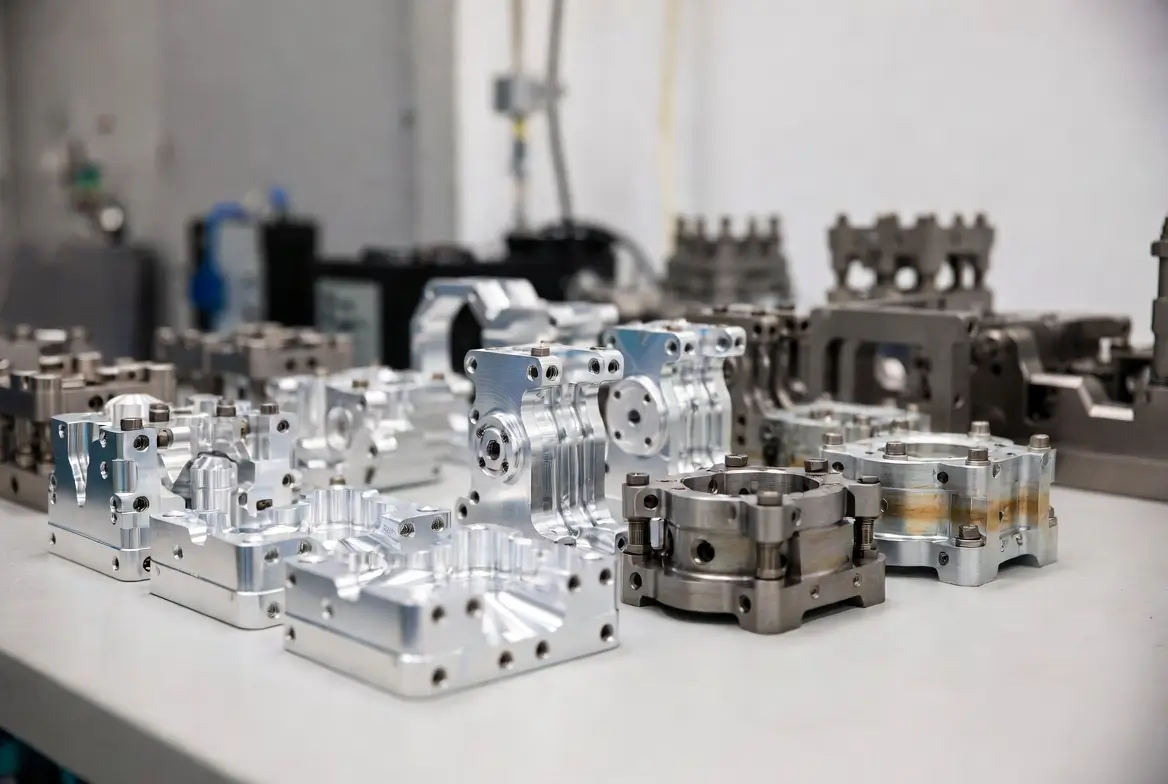
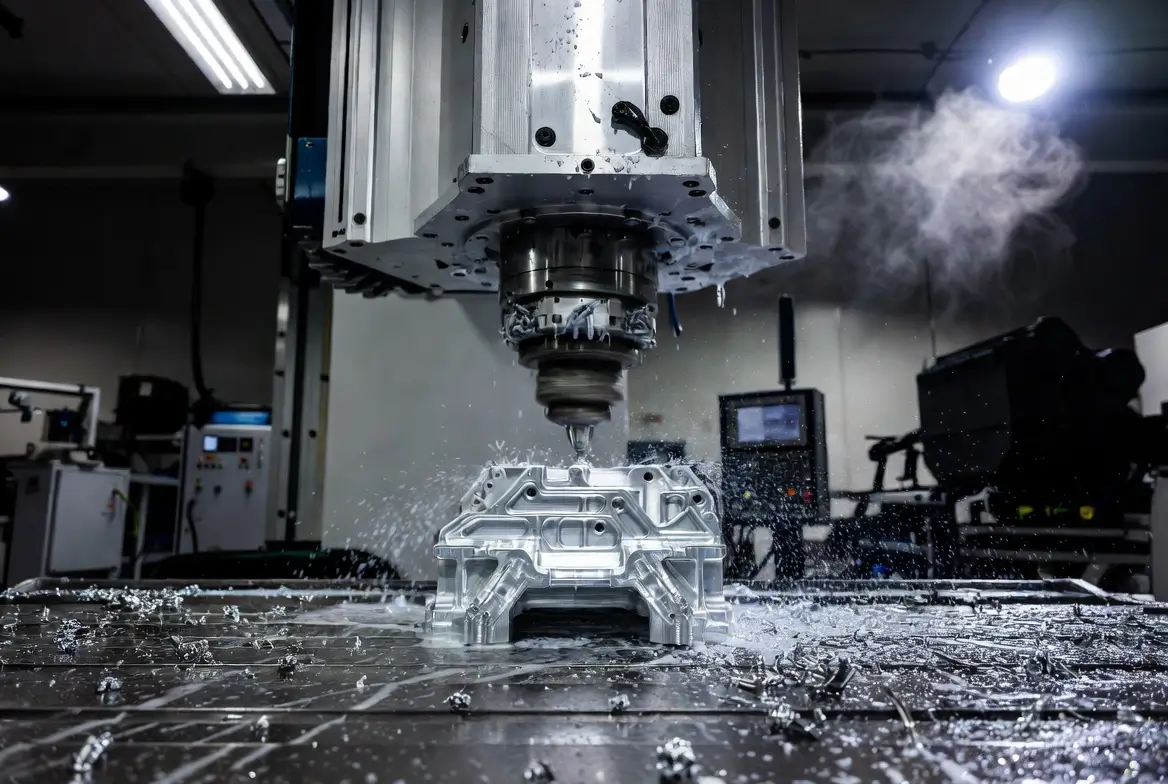
CNC (Computer Numerical Control) machining for defense is the automated manufacturing process used to produce precision components for military and defense applications. Think of it as the industrial backbone that turns raw metal into mission-ready parts—everything from rifle components to satellite housings.
Unlike standard CNC work, defense-grade machining operates under stricter tolerances, tighter quality controls, and rigorous certification requirements. We’re talking about parts that must perform flawlessly in extreme environments: desert heat, arctic cold, high vibration, and corrosive conditions.
The defense sector demands AS9100D (aerospace standard often applied to defense), ISO 9001:2015, and frequently ITAR (International Traffic in Arms Regulations) compliance for U.S.-based work. These aren’t just checkboxes—they’re frameworks that ensure every cut, every thread, and every surface finish meets exacting military specifications (MIL-SPEC).
Why CNC Machining Matters in Defense
Here’s the reality: Defense procurement isn’t like ordering office supplies. A single failed component in a weapons system, UAV, or armored vehicle can cost lives—not just dollars.
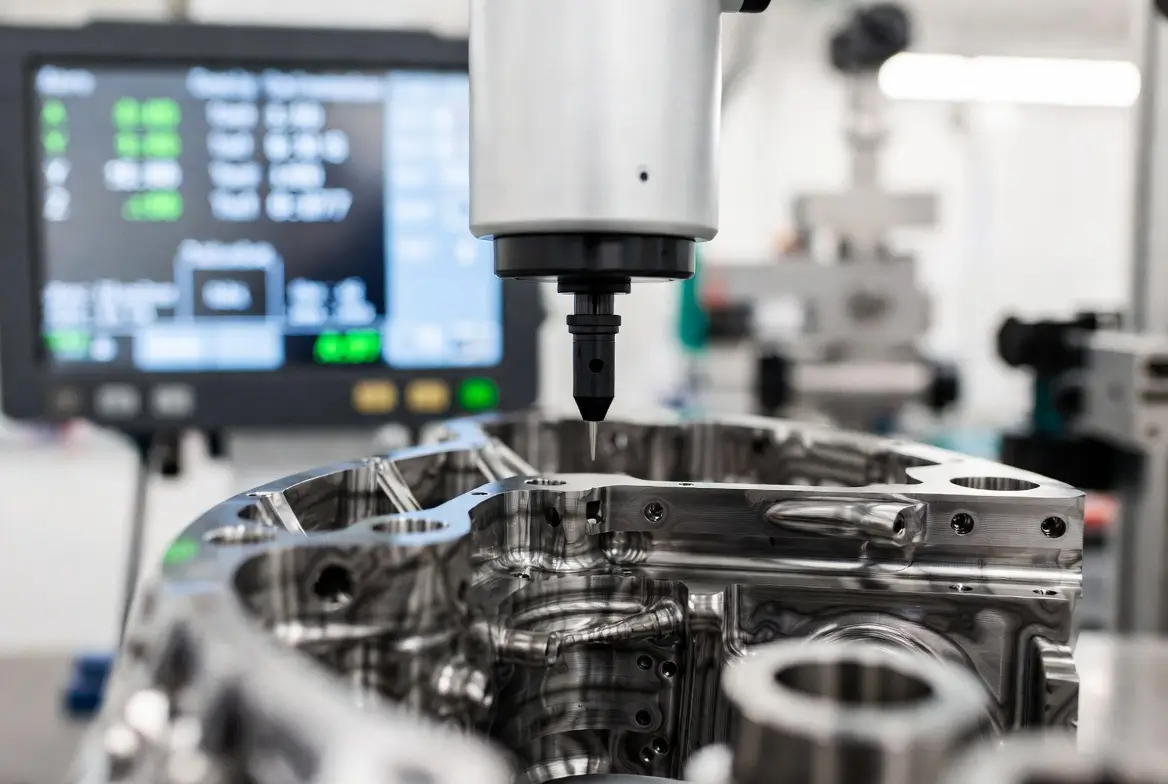
Precision is non-negotiable. Defense parts often require tolerances of ±0.0005 inches or tighter. CNC machining delivers this repeatability across thousands of units, whether you’re producing 10 prototypes or 10,000 field replacements.
Traceability is everything. Every defense component needs a paper trail: material certificates, heat numbers, inspection reports, and process documentation. CNC shops serving this sector maintain detailed digital records that track a part from raw stock to finished goods.
Speed to deployment matters. When supply chains fracture or geopolitical tensions spike, defense agencies need rapid manufacturing pivots. A qualified CNC supplier can shift from commercial work to defense production without rebuilding their quality infrastructure from scratch.
Key Applications: Where Defense CNC Machining Shows Up
Defense CNC machining isn’t a niche—it’s a sprawling ecosystem. Here are the critical areas where precision machining dominates:
Firearms and Small Arms
Barrels, receivers, trigger mechanisms, and optic mounts demand extreme precision for reliable cycling and accuracy. CNC turning centers produce rifled barrels with consistent twist rates, while 5-axis mills machine complex receiver geometries that would be impossible with conventional methods.
Unmanned Systems (UAVs / UGVs)
Drone frames, gimbal housings, and propulsion components require lightweight yet robust materials—typically aluminum 7075-T6 or titanium. CNC machining creates the intricate internal structures that keep these systems airborne or mobile without adding unnecessary weight.
Armored Vehicles and Ground Systems
Suspension components, turret rings, armor mounting brackets, and drivetrain parts face brutal mechanical stress. Machined steel and hardened alloy components ensure these systems survive IED impacts, rough terrain, and decades of service life.
Naval and Maritime Defense
Corrosion-resistant components for submarines, surface vessels, and underwater drones push material science to its limits. CNC-machined titanium propeller hubs, Monel valve bodies, and 316L stainless steel sensor housings resist saltwater degradation while maintaining tight tolerances.
Aerospace Defense (Missiles, Satellites, Radar)
Guidance system housings, satellite structural brackets, and radar waveguide components require machining exotic materials like Inconel, Kovar, and beryllium copper. These parts must survive launch vibrations, thermal cycling in orbit, and electromagnetic interference—all while maintaining dimensional stability.
Communications and Electronics
Ruggedized enclosures, heat sinks, and RF connector bodies protect sensitive electronics in the field. CNC machining creates the complex geometries and tight tolerances needed for electromagnetic shielding and thermal management.
Materials That Define Defense CNC Machining
Material selection in defense isn’t about cost optimization—it’s about performance under constraint. Here are the workhorses:
Table
| Material | Defense Application | Why It Wins |
|---|---|---|
| Titanium (Ti-6Al-4V) | Aircraft components, armor, marine parts | Strength-to-weight champion; corrosion-proof |
| Inconel 718 | Missile engines, turbine blades | Retains strength at 1200°F+; oxidation-resistant |
| Aluminum 7075-T6 | UAV frames, ordnance components | Lightweight, machinable, high fatigue resistance |
| Stainless Steel 17-4 PH | Firearms, fasteners, structural parts | Hardness + corrosion resistance; heat-treatable |
| Kovar | Satellite electronics housings | Matches glass thermal expansion; hermetic sealing |
| Beryllium Copper | RF connectors, non-sparking tools | Non-magnetic, conductive, spark-resistant |
Each of these materials fights back during machining. Titanium work-hardens instantly. Inconel generates extreme heat. Beryllium copper demands specialized dust collection (beryllium is toxic when airborne). This is why defense CNC work requires seasoned machinists, rigid machines, and cutting strategies refined through years of hard-won experience.
Benefits of CNC Machining for Defense Manufacturing
Repeatability at Scale
Once a defense part is qualified, you need identical performance across every production lot. CNC machining eliminates the variability of manual processes. A program proven on part #1 produces part #1,000 with identical dimensions—critical when you’re supplying spare parts for weapons systems with 30-year service lives.
Complex Geometry Without Compromise
Modern defense systems pack more capability into smaller packages. Internal cooling channels, lattice structures for weight reduction, and compound curves for aerodynamics—all achievable with multi-axis CNC machining. Designs that were “unmanufacturable” a decade ago are now standard production.
Rapid Prototyping to Production
Need to iterate a component design before full-scale production? CNC machining bridges the gap. A qualified shop can move from prototype to low-rate initial production (LRIP) without changing the fundamental manufacturing process—just adjust feeds, speeds, and tooling as volumes scale.
Material Efficiency
Defense-grade metals are expensive. CNC machining, particularly when optimized with modern CAM software, minimizes waste through efficient toolpaths and near-net-shape starting stock. Compare this to casting or forging, where material scrap rates can hit 50% or higher for complex geometries.
Supply Chain Security
Domestic CNC manufacturing reduces dependence on foreign suppliers for critical components. In an era of tariff volatility and export restriction uncertainty, having a vetted, ITAR-registered machine shop in your supply chain isn’t just convenient—it’s strategic risk management.
Pro Tips for Sourcing Defense CNC Machining
1. Verify Certifications Before You Request a Quote
Don’t waste time with shops that can’t meet your compliance requirements. Ask upfront: Do you hold AS9100D? Are you ITAR registered? Can you provide material certificates with full traceability? If the answer is hesitation, move on.
2. Demand First Article Inspection (FAI)
For initial production runs, require a complete FAI report: dimensional inspection, material verification, surface finish confirmation, and functional testing. This isn’t paranoia—it’s how defense procurement prevents million-dollar mistakes.
3. Prioritize Experience With Your Specific Material
A shop that machines aluminum all day may struggle with Inconel. Ask for case studies or references involving your target material. The difference between a machinist who’s fought titanium’s work-hardening tendencies and one who’s reading about it for the first time is measured in scrap rates and delivery delays.
4. Understand the ITAR Implications
If your component appears on the U.S. Munitions List (USML), every supplier in your chain must be ITAR-compliant. This includes raw material suppliers, heat treaters, and finishing houses. One weak link breaks the chain—and can trigger serious legal exposure.
5. Plan for Longer Lead Times
Defense-grade materials often require mill certifications that add weeks to procurement. Additive lead times for forgings or castings can stretch to months. Build this into your project timeline. Rush jobs in defense machining usually mean either premium pricing or compromised quality—neither is sustainable.
6. Invest in the Relationship
The best defense CNC suppliers aren’t vendors; they’re engineering partners. Shops that push back on your tolerances (suggesting what’s actually necessary versus what’s over-specified) save you money without compromising function. Cultivate these relationships—they’re worth more than a 10% price cut.
The Bottom Line
CNC machining for defense isn’t just another industrial segment—it’s where manufacturing precision meets national security imperatives. The barriers to entry are real: certifications, exotic materials, unforgiving tolerances, and regulatory complexity. But that’s exactly why mastering the fundamentals gives you a competitive edge.
Whether you’re a procurement professional sourcing mission-critical components, an engineer designing next-generation defense systems, or a machine shop looking to enter this lucrative market, the principles remain consistent. Prioritize quality systems. Respect the materials. Document everything. And never treat “good enough” as an acceptable standard.
The defense industry doesn’t reward shortcuts. It rewards suppliers who deliver flawless parts, on time, with full traceability, every single time.
That’s not just good machining. That’s defense-grade reliability.
Ready to source defense CNC components or certify your shop for military work? Start with your quality management system and work backward. Everything else flows from there.

Ryan Wang
Ryan Wang is the CNC Machining Expert at Cncpioneer, with over 15 years of hands-on experience as a CNC programmer, process engineer, senior machinist, and precision manufacturing specialist. He has helped companies in aerospace, automotive, medical, and electronics sectors achieve micron-level tolerances and scale from prototypes to high-volume production. Ryan is also an experienced instructor in advanced CNC techniques, particularly five-axis machining and challenging materials.