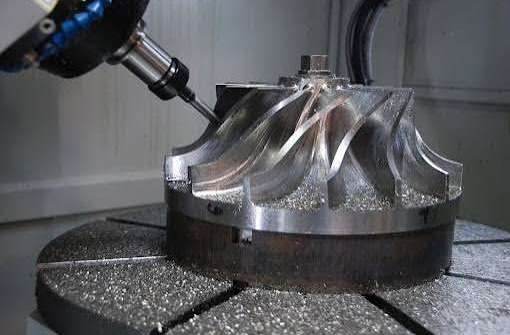
CNC machining for automotive industries has revolutionized how vehicle components are designed, tested, and manufactured. From rapid prototyping of new EV battery housings to high-volume production of precision engine blocks and transmission gears, CNC machining delivers unmatched accuracy, repeatability, and flexibility that traditional methods simply cannot match.
In today’s fast-evolving automotive landscape—driven by electrification, lightweighting, and shorter product cycles—CNC machining automotive industry solutions enable Tier-1 suppliers and OEMs to move from concept to road-ready parts in weeks instead of months.
This comprehensive guide explores every stage of the process, key applications, technical advantages, and how to choose the right CNC machining supplier for automotive industry projects.
Why CNC Machining Dominates Automotive Manufacturing
Automotive parts demand extreme precision. A single micron deviation in a gearbox shaft or cylinder head can cause noise, vibration, or catastrophic failure. CNC machining meets these requirements with tolerances as tight as ±0.005 mm (and often ±0.001 mm on critical features) while maintaining consistent quality across thousands of identical parts.
Key advantages include the following:
- Material versatility: Aluminum 6061/7075, stainless steel 304/316, titanium, magnesium, engineering plastics (PEEK, POM), and carbon-fiber composites.
- Complex geometries: 3-, 4-, and 5-axis CNC machines easily produce undercuts, deep pockets, and free-form surfaces required for modern EV motor housings and suspension arms.
- Speed from prototype to production: No hard tooling required, unlike die-casting or injection molding.
- Repeatability: Once the program is proven, every part is identical — critical for PPAP and IATF 16949 compliance.
Key Applications of CNC Machining in the Automotive Industry
CNC machining serves virtually every subsystem in modern vehicles. Here are the most common and high-value uses:
Engine & Powertrain Components
Cylinder heads, engine blocks, crankshafts, camshafts, pistons, and connecting rods are frequently finish-machined or fully produced via CNC. Multi-axis milling and turning centers handle the intricate cooling passages and mounting points with ease.
Transmission & Drivetrain Parts
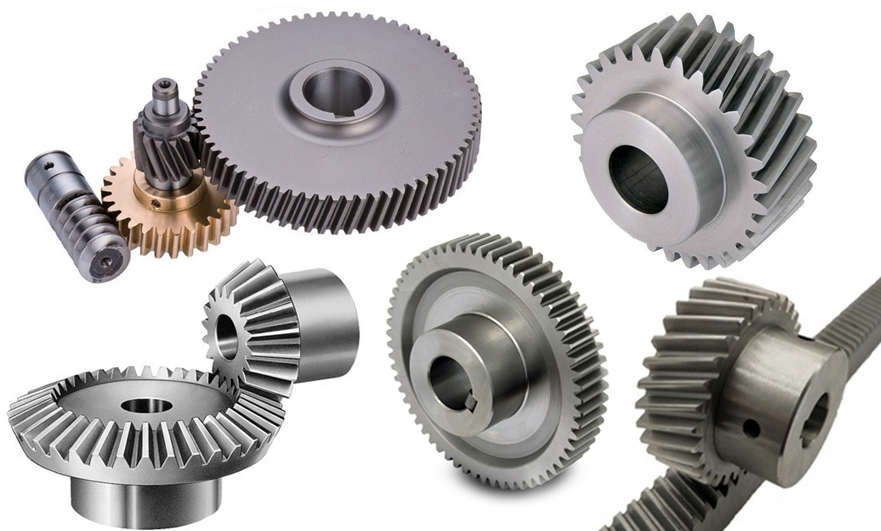
Gears, shafts, clutch housings, differential cases, and valve bodies require tight tolerances on tooth profiles and bearing surfaces. CNC gear hobbing, milling, and grinding deliver the necessary precision.
Chassis & Suspension
Control arms, steering knuckles, brake caliper brackets, and lightweight aluminum subframes benefit from CNC’s ability to remove material strategically while maintaining structural integrity.
Electric Vehicle-Specific Parts
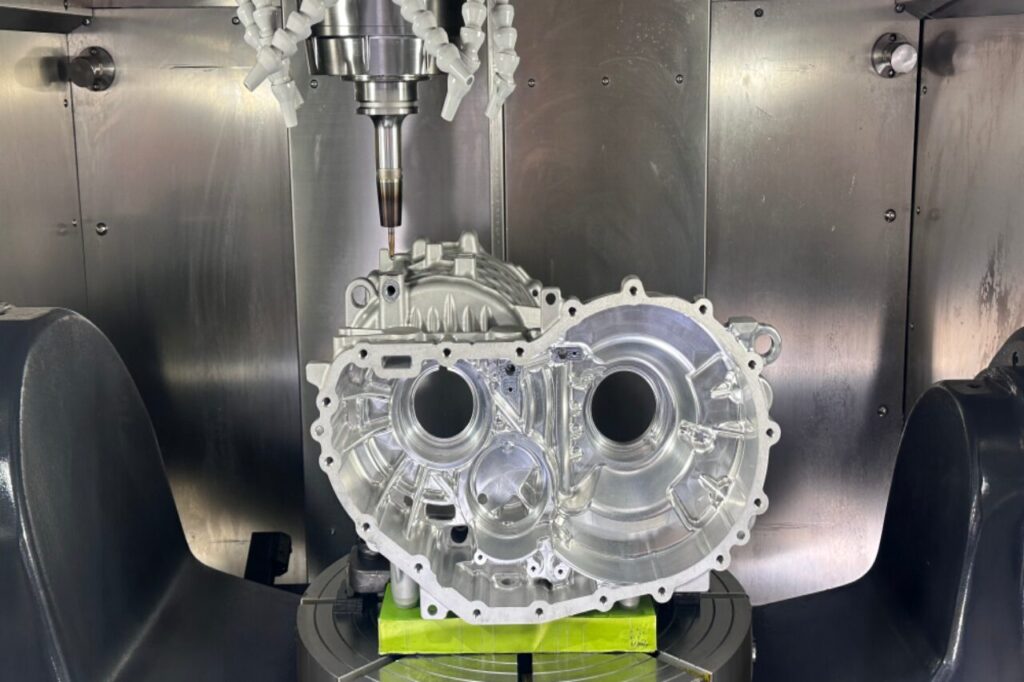
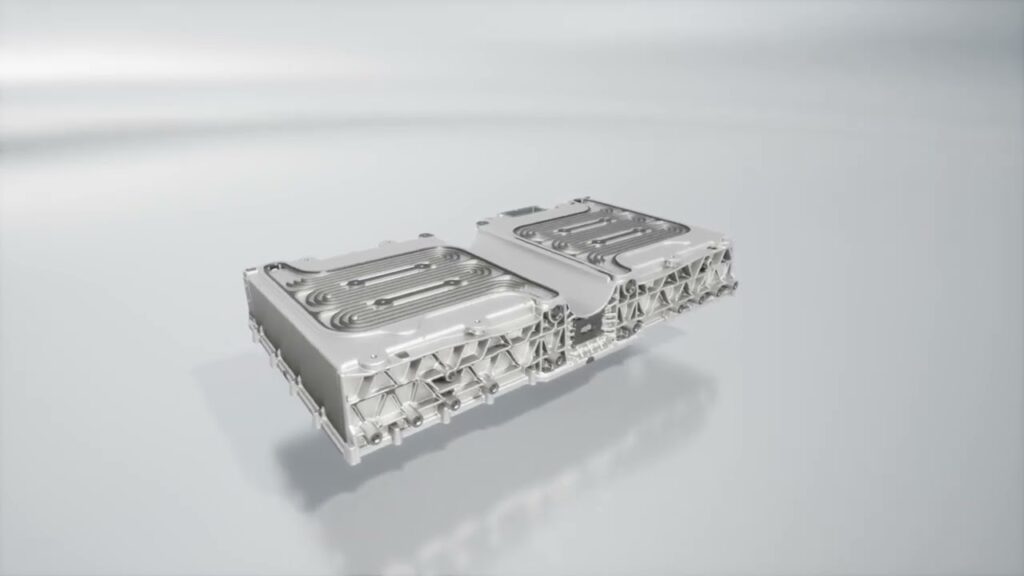
Battery trays, motor housings, inverter enclosures, and structural battery frames are among the fastest-growing CNC applications. These large, thin-walled aluminum or steel castings require extensive secondary CNC machining for flatness, hole patterns, and sealing surfaces.
Interior, Exterior & Tooling
Door hinges, seat brackets, headlamp housings, and even injection-mold tooling for plastic interior trim are routinely CNC machined.
From Prototyping to Mass Production: How CNC Bridges the Gap
One of the greatest strengths of CNC machining for automotive industries is its seamless scalability.
Rapid Prototyping Phase (1–100 parts)
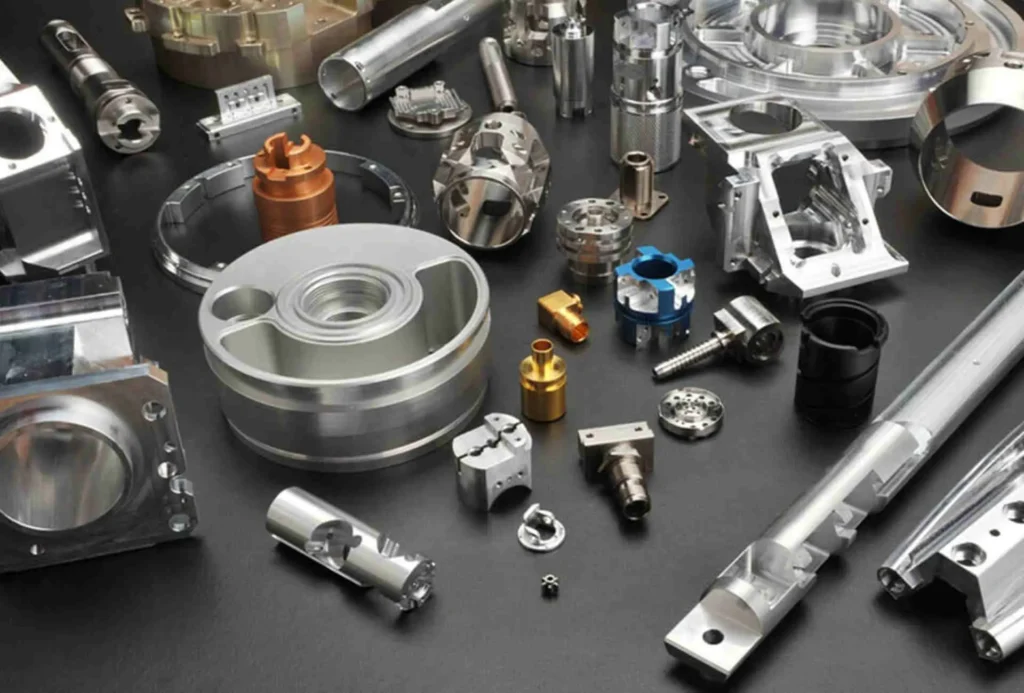
Engineers upload a CAD file, and functional prototypes in final material can be delivered in 3–7 days. This allows real-world testing of fit, function, thermal performance, and crash behavior long before tooling is committed.
Low- to Medium-Volume Production (100–10,000 parts)
CNC shines here. No need for expensive dyes—simply run more shifts or add identical machines. Design changes can be implemented overnight by updating the CAM program.
High-Volume Mass Production
For runs above 10,000–100,000+ pieces, CNC is often combined with automation (robotic loading/unloading, pallet systems) or used for critical finishing operations after casting or forging. Many suppliers run 24/7 lights-out production cells dedicated to automotive programs.
Advantages and Challenges of CNC Machining for Automotive Suppliers
Advantages
- Dramatically shorter development cycles (30–60% faster time-to-market)
- Lower upfront costs for prototypes and low-volume runs
- Superior surface finish and dimensional accuracy
- Full traceability and digital twin capability
- Easy integration with quality systems (CMM, PPAP, FAI)
Challenges & Solutions
- Programming time for complex parts → addressed by experienced CAM engineers and template libraries
- Material waste → minimized with advanced nesting software and high-efficiency toolpaths
- Surface treatment needs → most reputable CNC services for the automotive industry offer integrated anodizing, powder coating, passivation, and e-coating.
How to Choose a Reliable CNC Machining Supplier for the Automotive Industry
Look for these non-negotiable qualifications:
- IATF 16949 and ISO 9001 certification
- Proven automotive portfolio with PPAP experience
- 3/4/5-axis machines plus turning centers (minimum 20–30 machines for scalability)
- In-house CMM, optical scanners, and material certification
- Ability to handle both prototype and production volumes under one roof
- Strong English/technical communication and rapid quoting (under 24 hours)
The best partners act as true extensions of your engineering team — offering DFM feedback, material recommendations, and cost-reduction ideas from day one.
Frequently Asked Questions
What materials are most common for CNC machining automotive parts?
Aluminum 6061/7075, stainless steels, titanium, and high-performance plastics. Magnesium is growing for ultra-lightweight applications.
Is CNC machining suitable for electric vehicle components?
Absolutely. EV battery trays, motor housings, and structural components are among the largest and fastest-growing CNC applications today.
How does CNC compare to die casting for automotive production?
CNC excels at prototypes through medium volumes and for features requiring ±0.01 mm tolerance. Die casting is cheaper at very high volumes (>50,000) but requires secondary CNC machining for precision surfaces anyway.
What tolerances can CNC achieve in automotive applications?
Standard ±0.05 mm; precision work ±0.005 mm; ultra-precision grinding reaches ±0.001 mm.
How long does it take to get CNC machined automotive prototypes?
Typically 3–7 business days for simple parts; 10–14 days for complex 5-axis components.
Ready to Bring Your Automotive Parts to Life?
Whether you need 5 functional prototypes for design validation or 5,000 precision transmission components for series production, professional CNC machining for automotive industries delivers the speed, quality, and flexibility required in 2026 and beyond.
Contact a trusted CNC machining supplier for the automotive industry today. Upload your CAD files for an instant DFM review and competitive quote. Let’s accelerate your next vehicle program from prototype to mass production—together.